Shopping for dinner shouldn’t feel like navigating a casino where the house knows your salary. Yet electronic shelf labels now let grocery chains adjust prices in real-time based on your personal data—and Democratic senators want to shut it down.
The Stop Price Gouging in Grocery Stores Act of 2026, introduced February 12 by Senators Ben Ray Luján and Jeff Merkley, targets the technology behind what critics call “surveillance pricing.” These digital price tags, already deployed by Walmart and Kroger, can change costs instantly using algorithms that factor in everything from weather patterns to your zip code.
The Tech Behind Dynamic Grocery Pricing
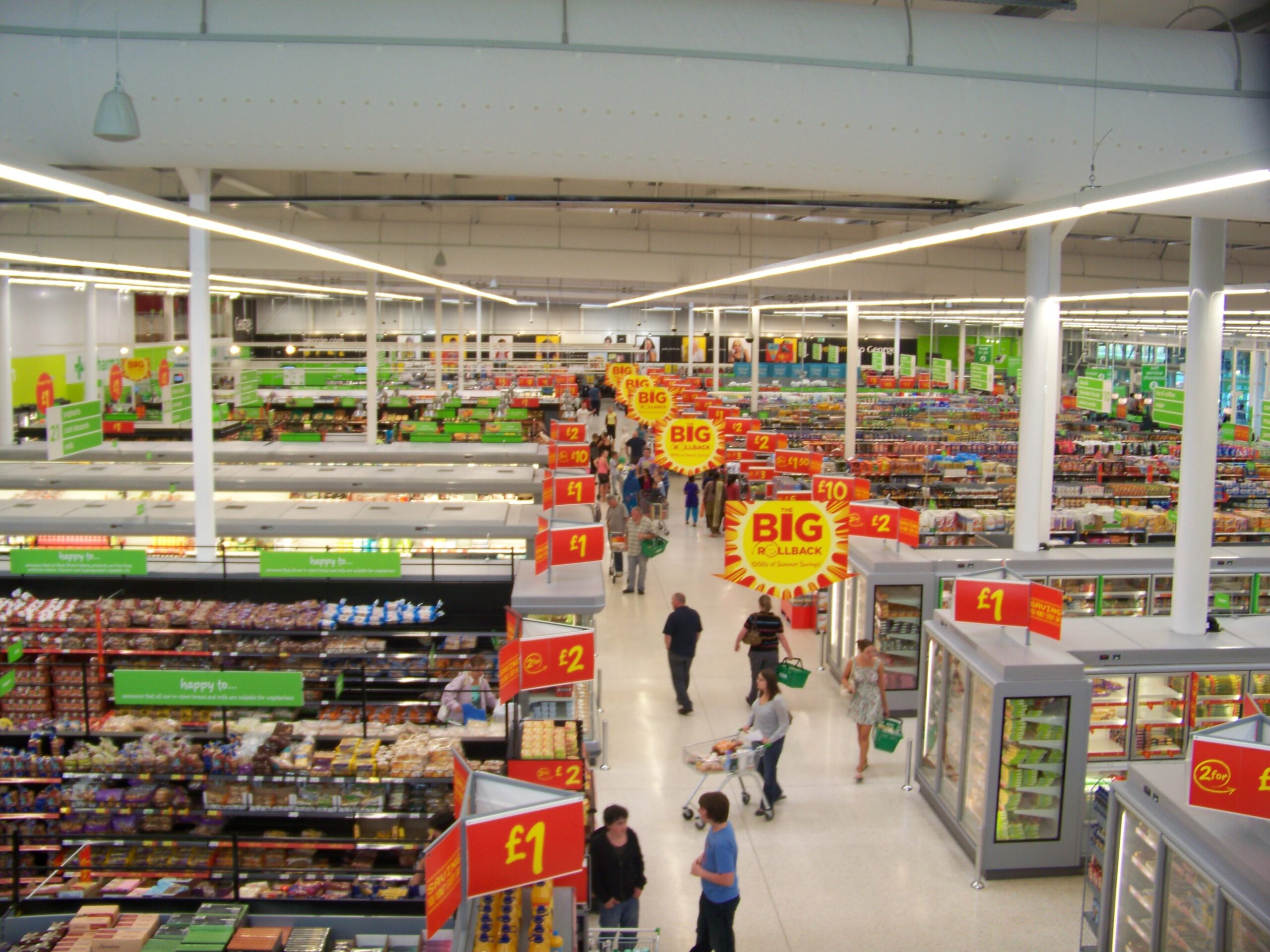
Electronic shelf labels replace paper price tags with small digital displays connected to central systems. The real power lies in the data integration—these systems can process customer demographics, purchase history, and even facial recognition data to personalize pricing.
Think surge pricing for groceries, but potentially targeted at individual shoppers. The technology isn’t theoretical. A 2025 Instacart study revealed price variances up to 23% between different customers for identical items before public backlash forced the company to discontinue the practice. That’s your neighbor paying $4 for milk while you’re charged $4.92 for the same gallon.
Union Push Meets State-Level Momentum
The United Food and Commercial Workers union is spearheading opposition, demanding analog price tags in stores over 10,000 square feet. “Families deserve to shop without worrying that they’ll be targeted with a higher price because of their income level or zip code,” says UFCW’s Milton Jones.
State legislatures in New York, Oklahoma, Washington, Arizona, Nebraska, Maryland, and Tennessee are considering parallel bills. This isn’t just federal posturing—it’s coordinated regulatory pressure across multiple jurisdictions.
Research Challenges Surge Pricing Claims
Recent research by Stamatopoulos and colleagues found no surge pricing evidence following ESL adoption by major retailers. The study suggests these systems primarily enable markdowns and promotional pricing rather than discriminatory increases.
Senator Merkley frames the stakes differently: “We must protect Americans from price gouging and from billionaire corporations abusing folks’ personal information.” The legislation would require disclosure of facial recognition systems and establish specific enforcement mechanisms for violations through federal oversight.
The tension reflects a broader question about preemptive regulation versus technological innovation. Your grocery bill might depend on which approach ultimately prevails in this emerging battle over retail technology.