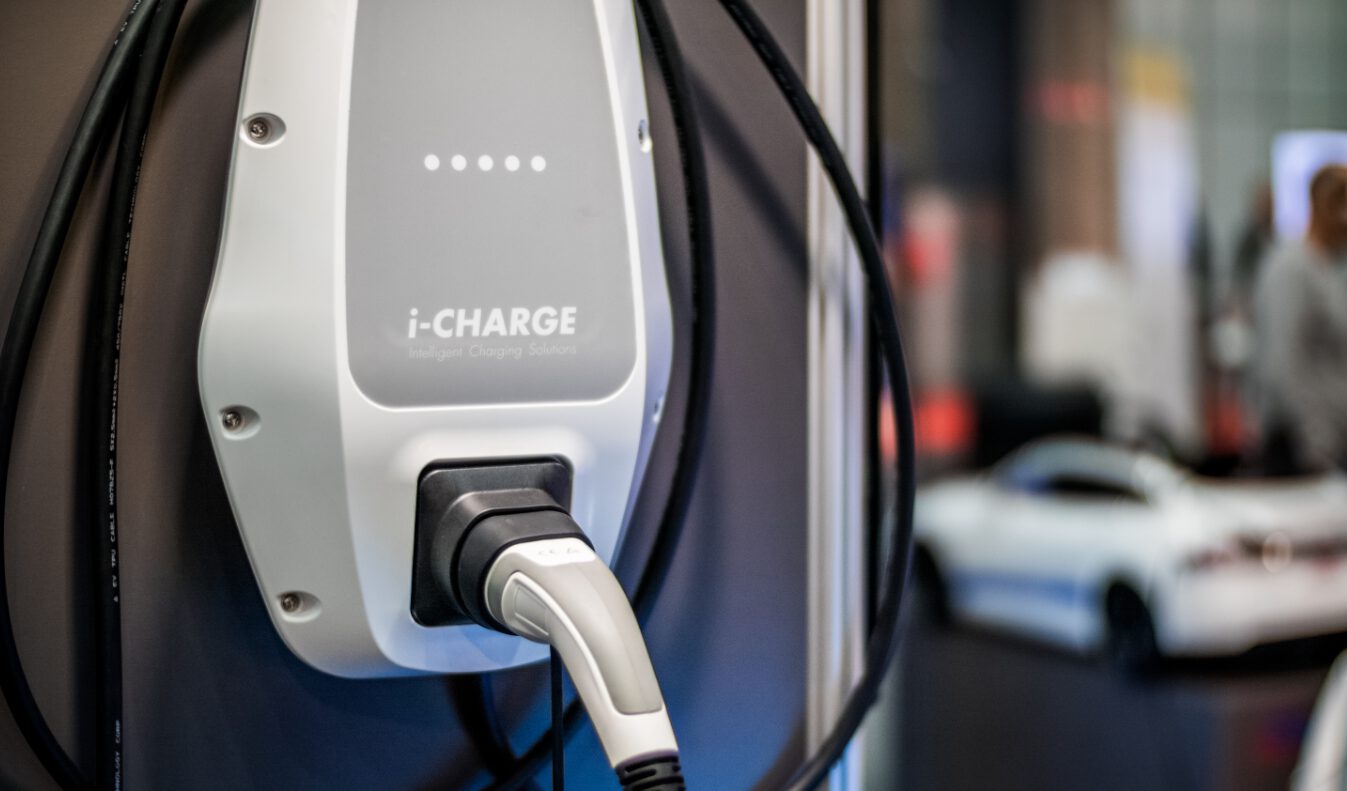
Viral claims about EV house fires are scaring homeowners into avoiding electric vehicles entirely, but these alarming statistics have no basis in actual fire safety data. According to NFPA research, EV chargers cause just 2 incidents per 100,000 units annually—making them dramatically safer than your kitchen stove, which causes 2,300 fires per 100,000 units.
The supposed “70% of EV house fires from home chargers” statistic appears nowhere in official NFPA or UL databases, yet it continues spreading across social media like wildfire.
The Numbers Don’t Lie About EV Fire Risk
Official data demolishes the myth that home charging creates widespread fire dangers.
Real fire statistics paint a completely different picture than social media fearmongering suggests. Electric vehicles catch fire 25 times less frequently than gas cars overall, with just 25.1 incidents per 100,000 EVs sold versus 1,529 for internal combustion engines.
Even when EV fires do occur, only 18-30% happen during or shortly after charging according to multiple fire safety organizations. These incidents typically involve vehicles with prior collision damage rather than charger malfunctions. Your odds of experiencing a charger-related fire remain microscopic compared to everyday appliances.
Circuit Overloads Present the Actual Risk
Level 2 chargers can stress older electrical systems, but proper installation prevents problems.
While charger fires are rare, electrical overloads represent the genuine safety concern homeowners should address. Level 2 chargers drawing 30-50 amps can overwhelm circuits not designed for sustained high loads.
Homes with 100-200 amp electrical panels already near capacity face real hazards when adding EV charging alongside normal appliance usage. The National Electrical Code requires dedicated circuits for this exact reason—preventing dangerous overheating and breaker trips that can lead to fires.
Professional Installation Changes Everything
Licensed electricians eliminate the legitimate risks through proper electrical assessment and upgrades.
Professional installation transforms EV charging from potential hazard to safer-than-appliances convenience. Load calculations determine whether your electrical panel needs upgrading before charger installation. Dedicated circuits eliminate overload risks while arc-fault breakers catch dangerous wiring issues before they escalate.
Skip the DIY approach and extension cord workarounds—these shortcuts create the actual fire risks that proper installation prevents. Your electrician’s assessment costs far less than rebuilding after an electrical fire.
With “right to charge” laws expanding residential charging access, professional installation becomes the difference between safe EV ownership and electrical hazards. The real story isn’t about dangerous chargers—it’s about respecting electricity’s power through proper infrastructure.