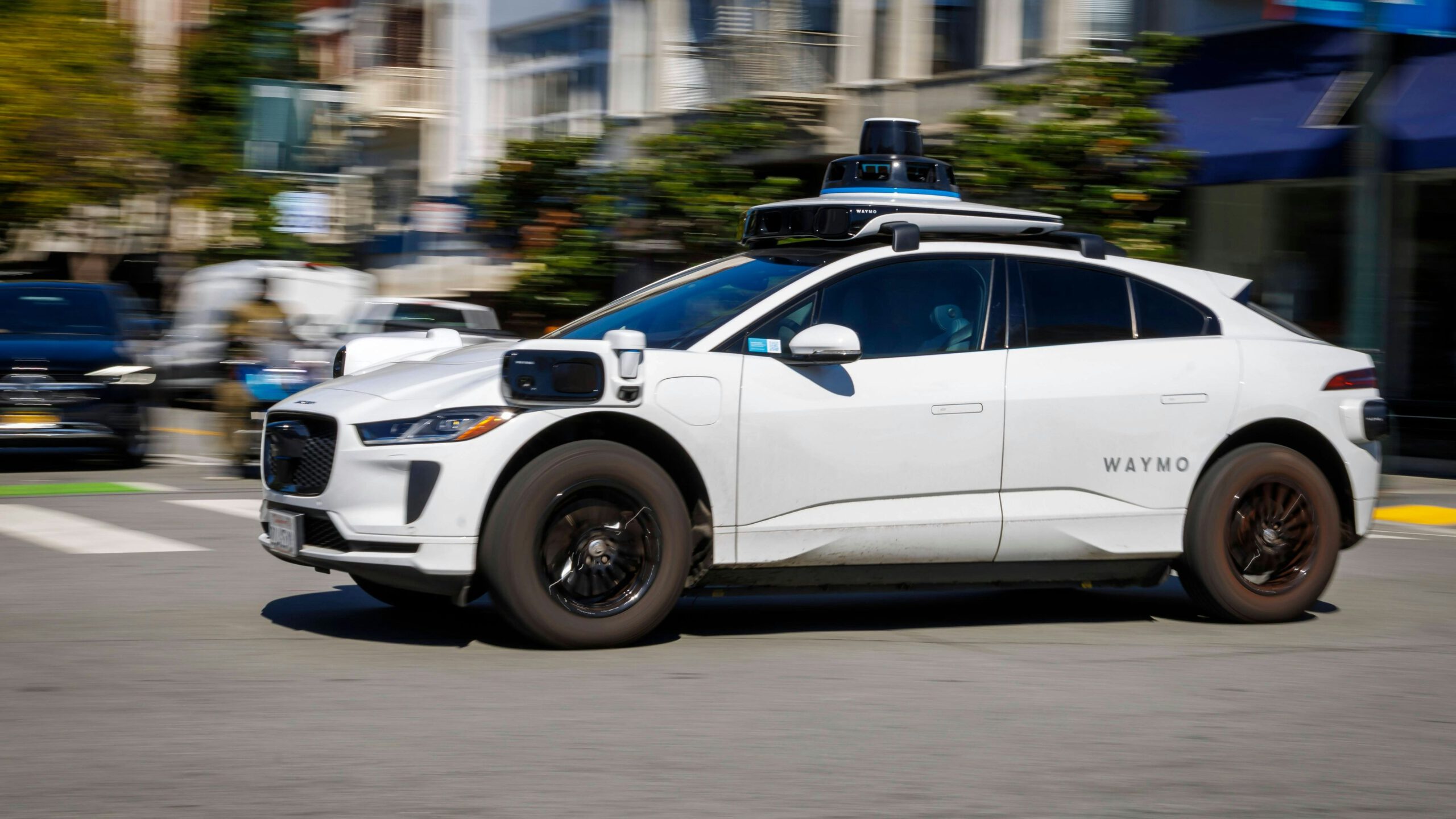
You call a Waymo expecting full autonomy, but your “driverless” ride might be getting guidance from someone in Manila. Waymo’s Chief Safety Officer Mauricio Peña testified to the Senate this February that the company uses remote “fleet response agents” in the Philippines and other locations to help robotaxis navigate tricky situations. So much for that promised independence from human oversight.
These agents don’t control steering or brakes—the AI still handles the actual driving. Think of it as tech support for confused robots. When Waymo’s systems encounter something unusual, they can phone a friend who provides “contextual guidance” that the vehicle can accept or reject. The company disclosed this “phone-a-friend” option in a May 2024 blog post, though the offshore labor angle got less marketing attention than their expansion plans.
Senator Ed Markey called the practice “completely unacceptable,” citing input lag risks, cybersecurity vulnerabilities, and the fact that overseas workers lack US driver’s licenses. He also slammed Waymo for offshoring jobs that could employ displaced taxi and rideshare drivers. Fair points when you consider these agents are making judgment calls about American traffic patterns from thousands of miles away, despite undergoing licensing checks, background screenings, drug tests, and US traffic rule training.
Tesla takes a different approach with its Austin robotaxi program. No in-car safety monitors, but they deploy trailing “chase cars” with supervisors ready to intervene. It’s like having a helicopter parent follow your teenager to prom—different method, same underlying admission that full autonomy isn’t quite there yet.
Waymo operates over 50,000 fully autonomous rides weekly across six US cities, with expansion planned for major markets including Boston, Dallas, Denver, Las Vegas, Washington DC, and London. But this revelation exposes the gap between “fully autonomous” marketing and the reality that humans still babysit the robots when things get weird. Your next robotaxi ride comes with an invisible co-pilot—just don’t expect them to know local traffic like your neighborhood Uber driver would.