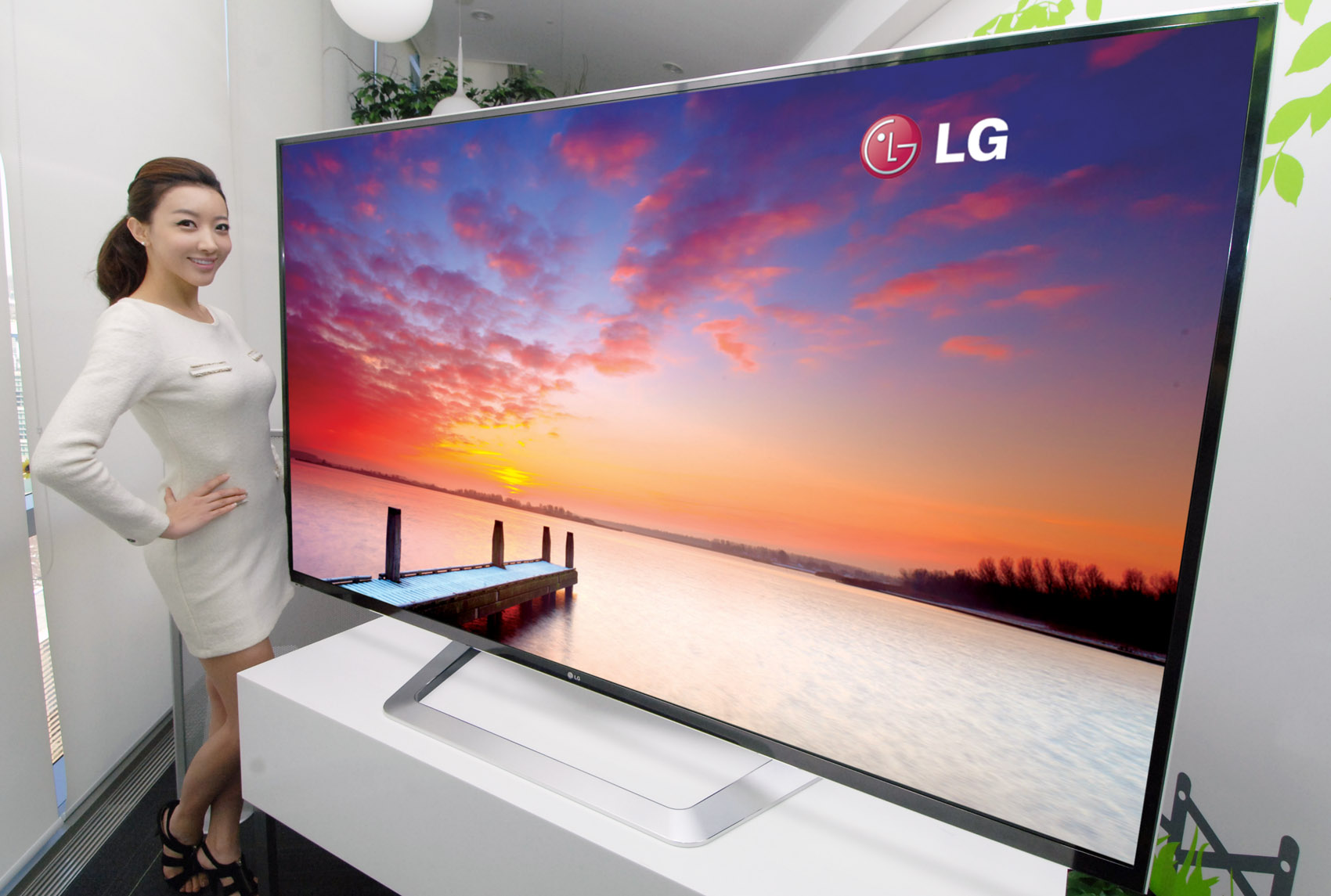
The dream of 8K television just flatlined harder than a sitcom reboot nobody asked for. LG has pulled the plug on its entire 8K lineup, discontinuing both the Z3 OLED and QNED99T LCD series while suspending all future 8K panel development. This marks the final nail in a coffin that’s been years in the making, joining Sony’s 2025 exit and TCL’s 2023 abandonment of the format.
The Industry Exodus Accelerates
What started as a trickle became a flood. TCL bailed in 2023, Sony followed in 2025, and now LG’s departure leaves Samsung clinging to a single high-end model like the last person at a party that ended hours ago. LG Display confirmed to FlatpanelsHD that 8K development is “put on hold, although it is ready to restart if market conditions change”—corporate speak for “we’ll revisit this when unicorns start grazing in boardrooms.”
Reality Bites Back Hard
The numbers tell a brutal story. Production costs run twice that of 4K panels, while streaming services and Blu-ray discs remain capped at 4K resolution. Even the PS5 Pro’s late 2024 8K support feels like using a Ferrari in a school zone.
Perhaps most damning: your eyes can’t distinguish 8K from 4K on screens under 65 inches at normal viewing distances. As TechRadar noted, “8K TV doesn’t solve a problem: there’s only so much information the human eye can actually perceive.”
What This Means for Your Next TV
If you’re shopping for a premium display, the industry’s pivot benefits your wallet. Manufacturers are doubling down on 4K enhancements like QD-OLED technology and RGB backlighting—features that actually improve your viewing experience rather than adding imperceptible pixels.
Expect clearance pricing on remaining 8K inventory, but remember: you’re buying into a format with zero future support. This feels eerily similar to 3D TVs’ spectacular flameout, minus the ridiculous glasses.
The 8K revolution promised cinema-quality visuals for your living room. Instead, it delivered expensive solutions to problems that didn’t exist. Your next TV upgrade should focus on brightness, color accuracy, and smart features that enhance actual content—not theoretical resolutions that streaming services ignore.