Over 200 nightly pizza flavors aren’t just a dream, but a reality in Shanghai’s Xintiandi district, thanks to the RePizza initiative. Eateries are turning would-be trash into treasure by collaborating to repurpose leftovers. That sad box of wilting spinach gets a second chance at pizza greatness instead of a one-way trip to the dumpster. These kinds of clever solutions tackle food waste while spicing up the culinary scene. What makes these picks special? They’re more than just fancy gadgets; they’re real solutions to food-related headaches.
1. Cerelab’s protein-enriched brioche bun

Stealth health meets comfort food in nursing home kitchens.
Malnutrition affects a disturbing number of elderly folks, yet Cerelab might have cracked the code with a protein-enriched brioche bun. Think of it as a stealth health upgrade, developed via focused wheat-flour R&D explicitly for nursing homes. Forget choking down another chalky supplement; picture this bun served alongside tea, maybe with a pat of butter.
Your grandma, known for turning her nose up at anything healthy, actually enjoys this. Cerelab’s work here has implications far beyond bread; it could shape a new era of palatable, effective nutritional interventions in healthcare.
2. Ekim’s PAZZI robo-chef kiosks
Thirty-second pizzas from machines that never sleep.
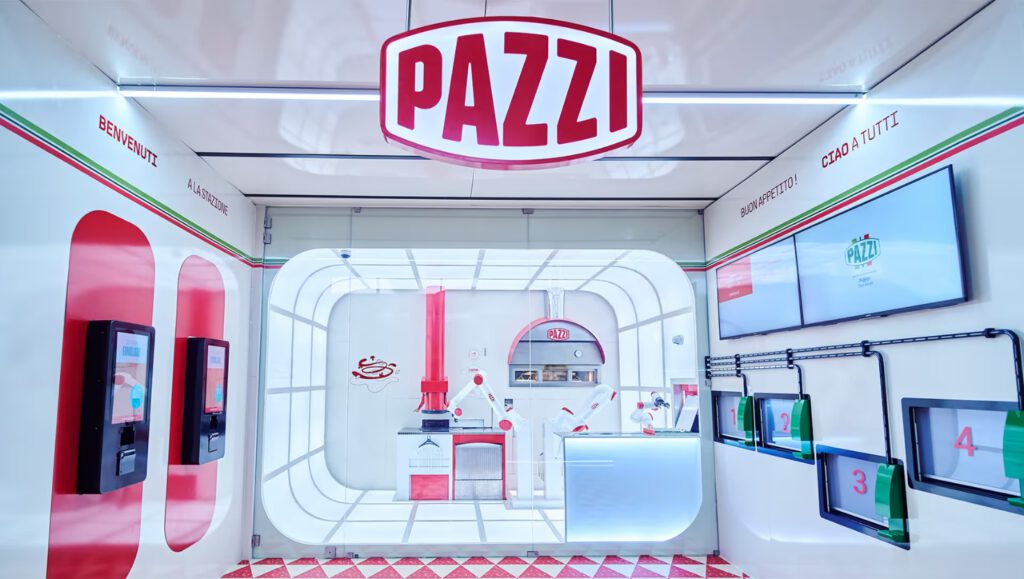
A world where your pizza is fresher than your last Tinder date? Ekim’s PAZZI robo-chef kiosks promise just that, churning out piping hot pies in a mind-boggling 30 seconds. Forget awkward small talk; these 24/7 automated stations are designed to be culinary pit stops, ideal for when you’re craving a quick slice between flights.
Currently slinging pizzas, the plan is to expand the robotic culinary empire into salads and desserts. Because who doesn’t want a robot to assemble their kale? If the future of food is speedy and served by machines, Ekim’s PAZZI might just be ahead of the curve.
3. Evoware’s algae-based edible packaging
Snack on your wrapper after finishing your waffle.
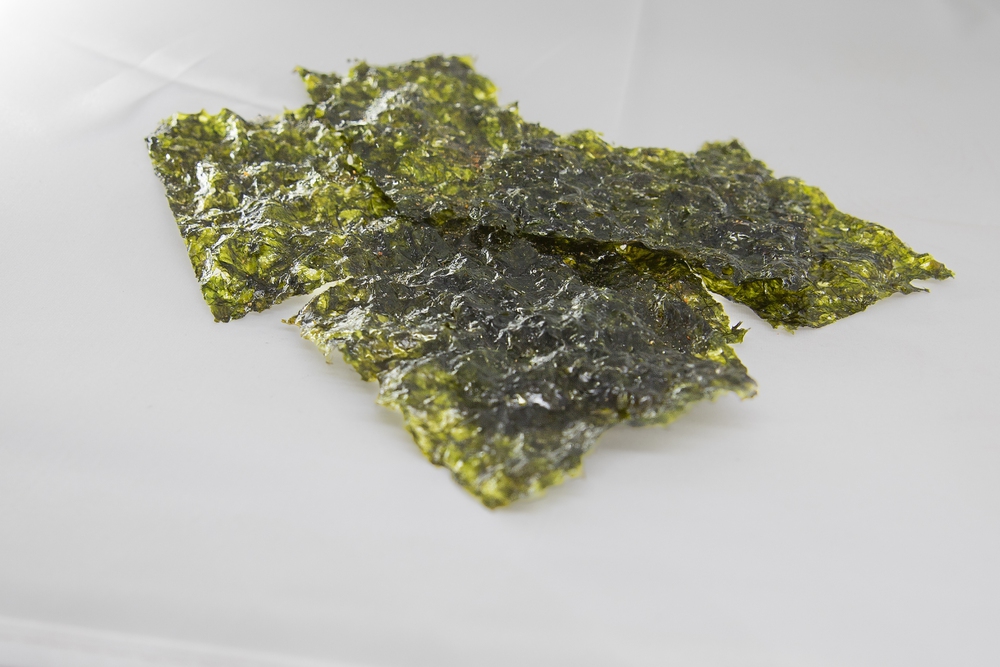
Plastic packaging haunts landfills longer than Keanu Reeves has been cool. Evoware offers an eco-friendly alternative with edible packaging made from algae, rich in fiber, vitamins, and minerals. Snacking on your packaging after demolishing a waffle from Bruxelwaffle is like getting away with eating dessert first, but for environmentalists.
The kicker? This packaging absorbs CO2 as it grows, sans fertilizers, making it a guilt-free choice for the planet. Grabbing street food wrapped in something that’s basically a vitamin boost rather than an environmental hazard represents a delicious step toward reducing waste.
4. Farther Farms’ supercritical CO2 pasteurization
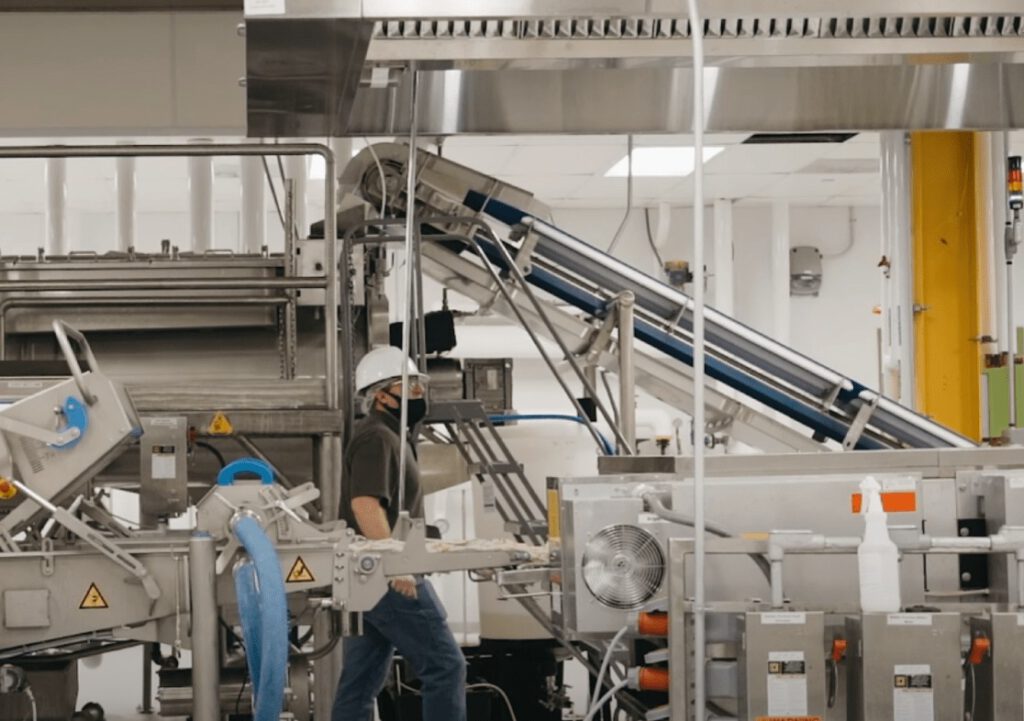
Fresh produce that survives your week without surrendering to science.
Food safety used to mean praying your college cafeteria wasn’t serving mystery meat. Farther Farms flips that script with their supercritical CO2 pasteurization—because nobody wants their salad with a side of salmonella. This tech extends the shelf life of fresh-cut produce without needing to freeze it or load it with preservatives.
The real kicker? It slashes energy use by 70% in processing and distribution, so you’re basically saving the planet one bite at a time. That means your kale smoothie habit is now officially eco-friendly, shaking up how food gets from the farm to your face.
5. FoodMarble’s personal digestive tracker
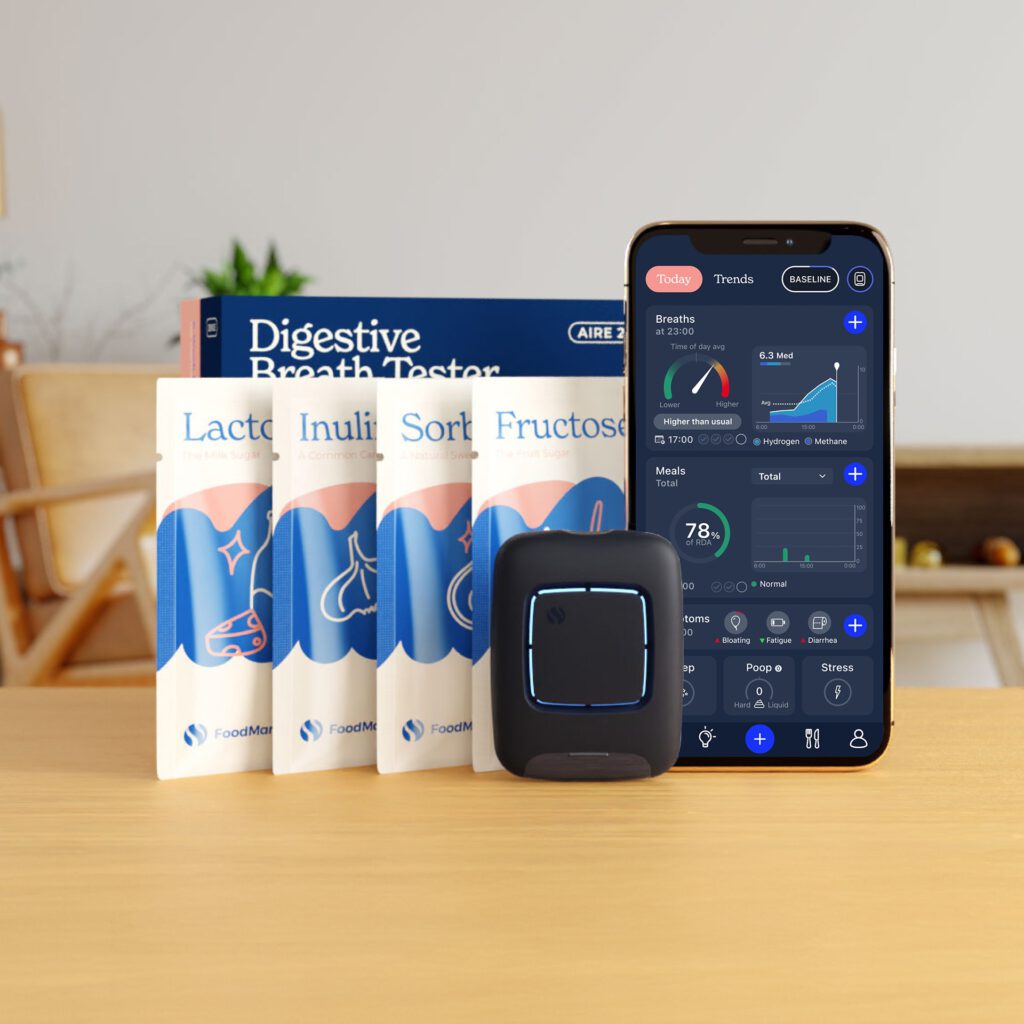
Your gut’s personal food detective solves mealtime mysteries.
FoodMarble’s digestive tracker ditches the one-size-fits-all diet advice, measuring breath hydrogen to pinpoint exactly which foods turn your stomach into a mosh pit after you eat them. It’s like having a personal food detective, but instead of solving crimes, you’re solving the mystery of why that burrito is trying to kill you.
Link it to the app, log your meals, and FoodMarble gives you personalized eating recommendations based on your unique tolerances. Think of it as CliffsNotes for your digestive system. If you’re always playing roulette with restaurant menus, this gizmo could guide you toward a diet that actually chills out your gut.
6. HyperSpectral’s AI spectroscopy

High-tech pat downs for your groceries before they hit shelves.
Food safety checks used to be about as reliable as trusting your roommate to do the dishes. Now, HyperSpectral’s AI spectroscopy detects pathogens in sealed products via spectral scans, integrating data for contamination source analysis to boost food safety. Think of it as giving your groceries a high-tech pat down.
Nobody wants to bite into a supposedly safe snack, only to discover it’s a petri dish party. This tech catches the bad guys hiding in your sealed snacks, keeping foodborne illnesses at bay. It’s like having a food safety superhero—minus the cape and tights, thankfully.
7. Positive Carbon’s sensors
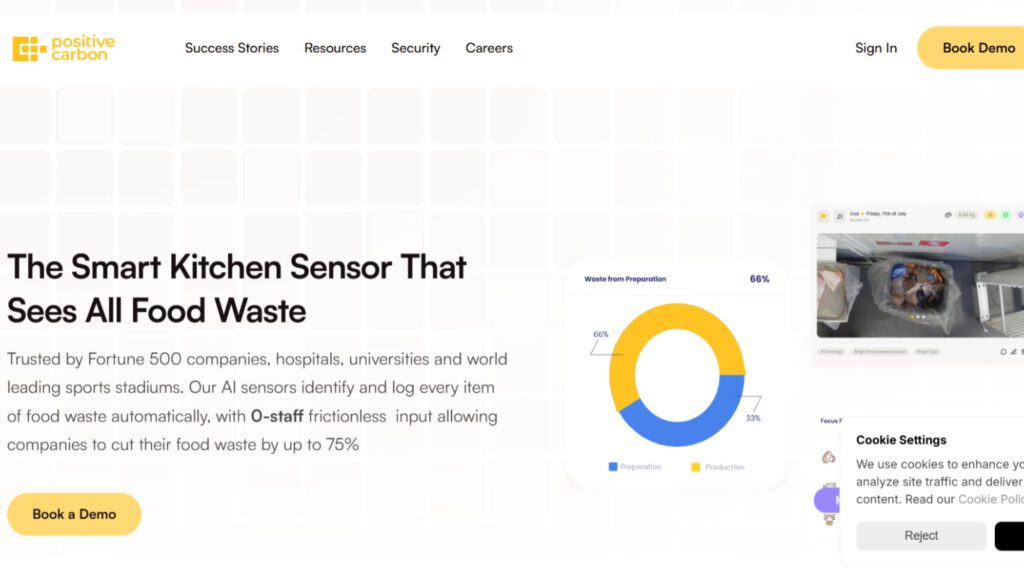
Analytics that turn your trash can into a data goldmine.
Some restaurant owners sweat more over wasted food than bad Yelp reviews, but Positive Carbon offers a fix. These sensors track kitchen food waste in real-time, giving the kind of analytics you usually only see on Shark Tank. We’re talking insights into costs, environmental impact, and even the patterns that lead to waste.
A chef nailing perfect portions for that fussy bachelorette party, or a restaurant chain tweaking prep schedules based on actual data. Positive Carbon doesn’t just slap a Band-Aid on the problem—it’s like getting a nutritionist for your trash can.
8. RePizza initiative
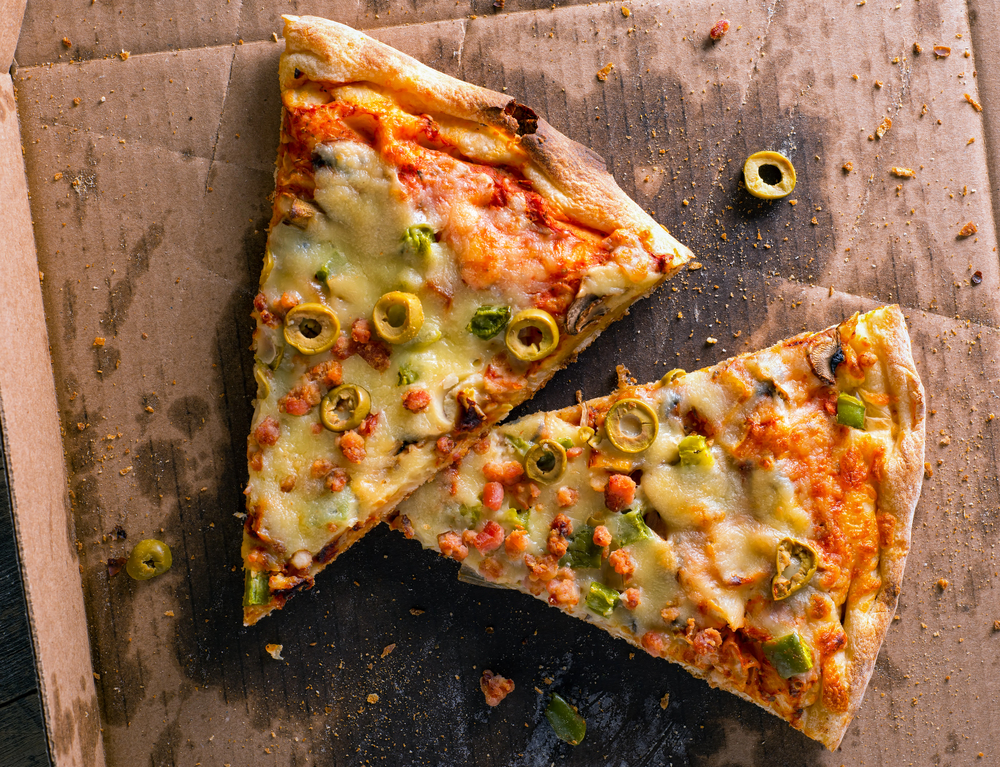
Two hundred pizza flavors born from yesterday’s leftovers.
With over 200 nightly pizza flavors, the RePizza initiative in Shanghai’s Xintiandi district isn’t just slinging pies; it’s waging war on food waste. This delicious operation repurposes leftover restaurant ingredients through collaboration among competing eateries. Think of it as Chopped, but instead of TV glory, turning would-be trash into cheesy treasure.
Ever feel guilty about the half-eaten spring rolls haunting your fridge? RePizza gives those orphaned ingredients a second act. Wandering into a pizza joint knowing tonight’s special could be General Tso’s Chicken meets mozzarella sounds like the kind of culinary adventure worth taking.
9. TrackVision AI’s blockchain traceability platform
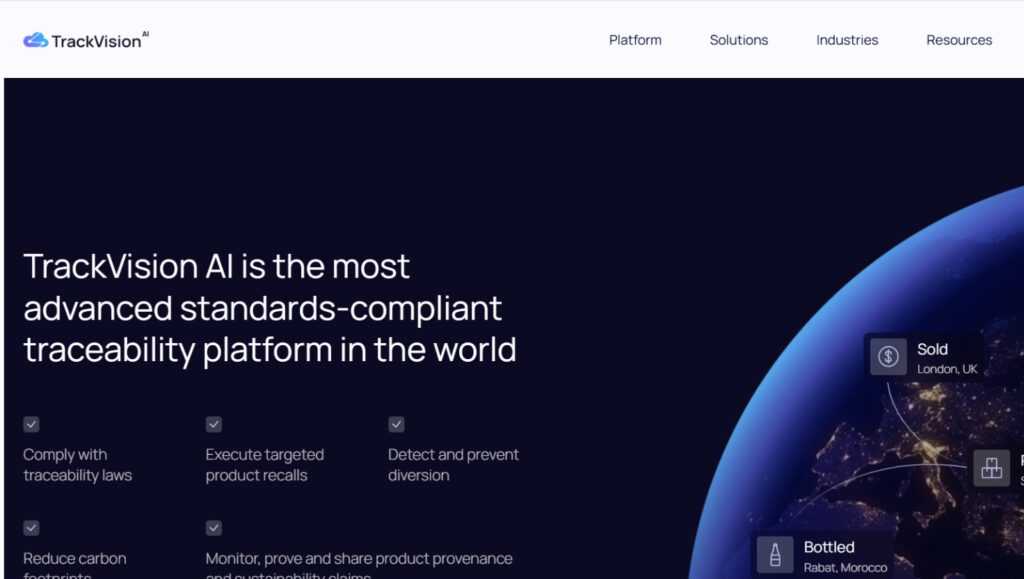
Every ingredient’s life story, from farm to fork transparency.
Think of blockchain like the world’s most meticulous food critic, tracking every ingredient from farm to fork. TrackVision AI’s platform utilizes GS1 standards to offer real-time monitoring for supply chain visibility, which is clutch when you need to trace food provenance and enable surgical recalls instead of shotgun blasts.
Picture scanning a QR code to see the life story of your steak, from the cow’s diet to its carbon footprint. TrackVision AI is shaping that future, building consumer trust one transparent supply chain at a time. They’re basically saying, “Yeah, we know you’re skeptical—here’s the proof.”