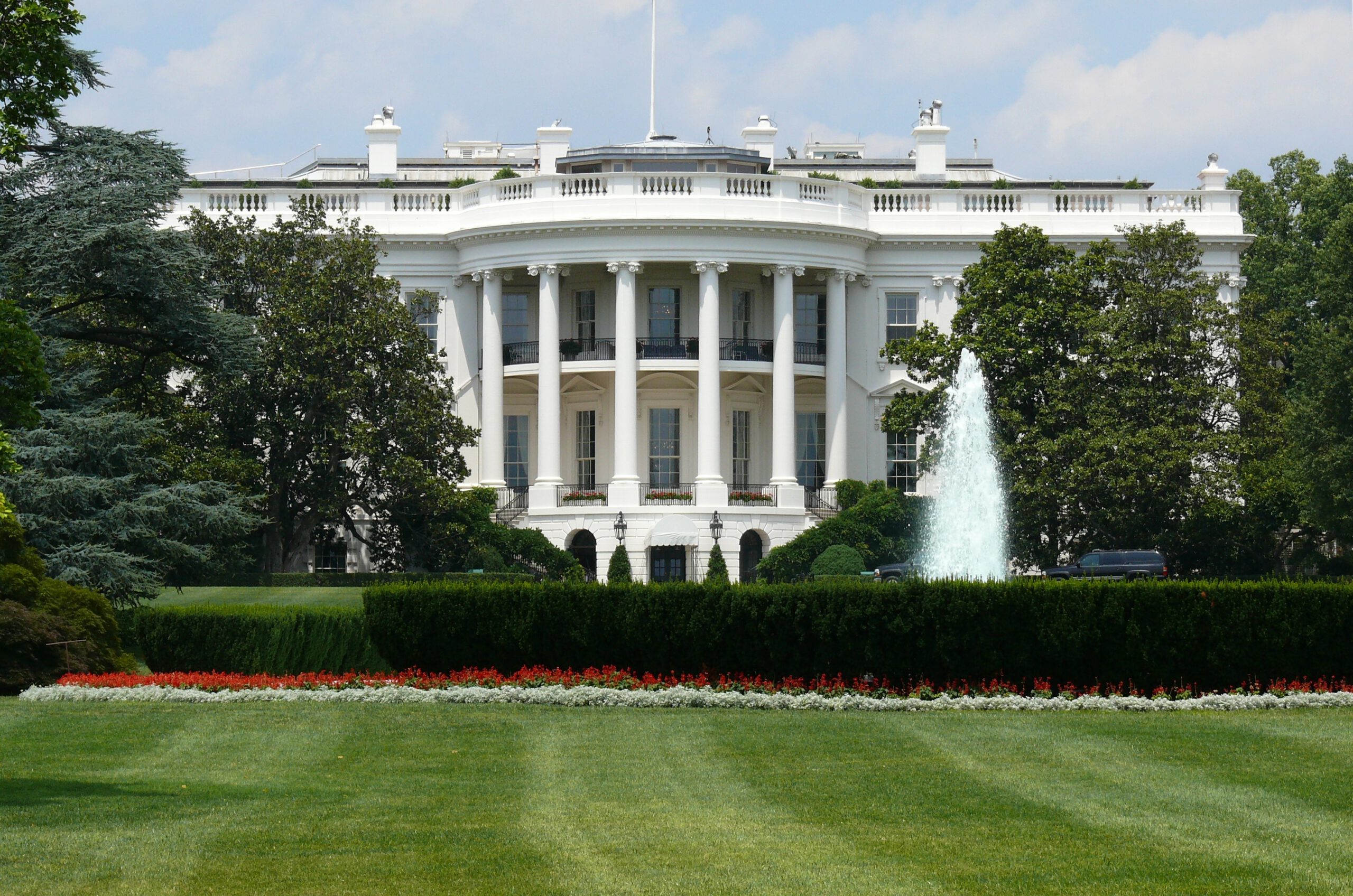
Stalled crypto legislation threatens America’s digital asset ambitions, but the White House crypto council is forcing sworn enemies into the same room this week. Banking executives and crypto leaders will gather Monday for emergency negotiations over the CLARITY Act—legislation that could unlock a $500 billion market or trigger the next financial crisis.
The $500 Billion Problem
Banks warn of massive deposit exodus while crypto firms fight for survival.
The fight centers on a seemingly simple question: should stablecoin holders earn interest? Crypto companies argue these rewards are essential for competing with traditional finance. Banks see an existential threat—Standard Chartered projects $500 billion in deposits could flee to crypto platforms by 2028 if current loopholes remain open.
This stems from the GENIUS Act, enacted last July as America’s first major stablecoin framework. While the law prohibits issuers from paying interest directly, it left a backdoor allowing third-party platforms to offer yields.
Crypto’s Last Stand
Industry leaders push for compromise as legislative momentum stalls.
The CLARITY Act passed the House in July but hit a wall in the Senate Banking Committee over these exact provisions. Summer Mersinger from the Blockchain Association, representing Coinbase, Ripple, and Kraken, expressed pride in attending and pushing for “lasting market structure legislation.”
Digital Chamber CEO Cody Carbone praised the White House for “pulling all sides to the negotiating table.” Both groups know the stakes—without legislative clarity, crypto firms face continued regulatory uncertainty while banks maintain their deposit monopoly.
Trump’s Crypto Capital Vision
Administration bets big on digital asset leadership amid global competition.
This summit reflects Trump’s broader push to establish America as the “crypto capital of the world.” The administration has already ended “Operation Choke Point 2.0” and supports a Strategic Bitcoin Reserve. Meanwhile, the Senate Agriculture Committee released updated legislation this week aiming for joint SEC-CFTC rulemaking within 18 months.
Like watching a high-stakes poker game where everyone’s bluffing, this meeting could either cement America’s crypto leadership or expose the fundamental incompatibility between traditional banking and digital finance. The outcome determines whether crypto investments gain regulatory legitimacy or remain trapped in perpetual legal limbo.