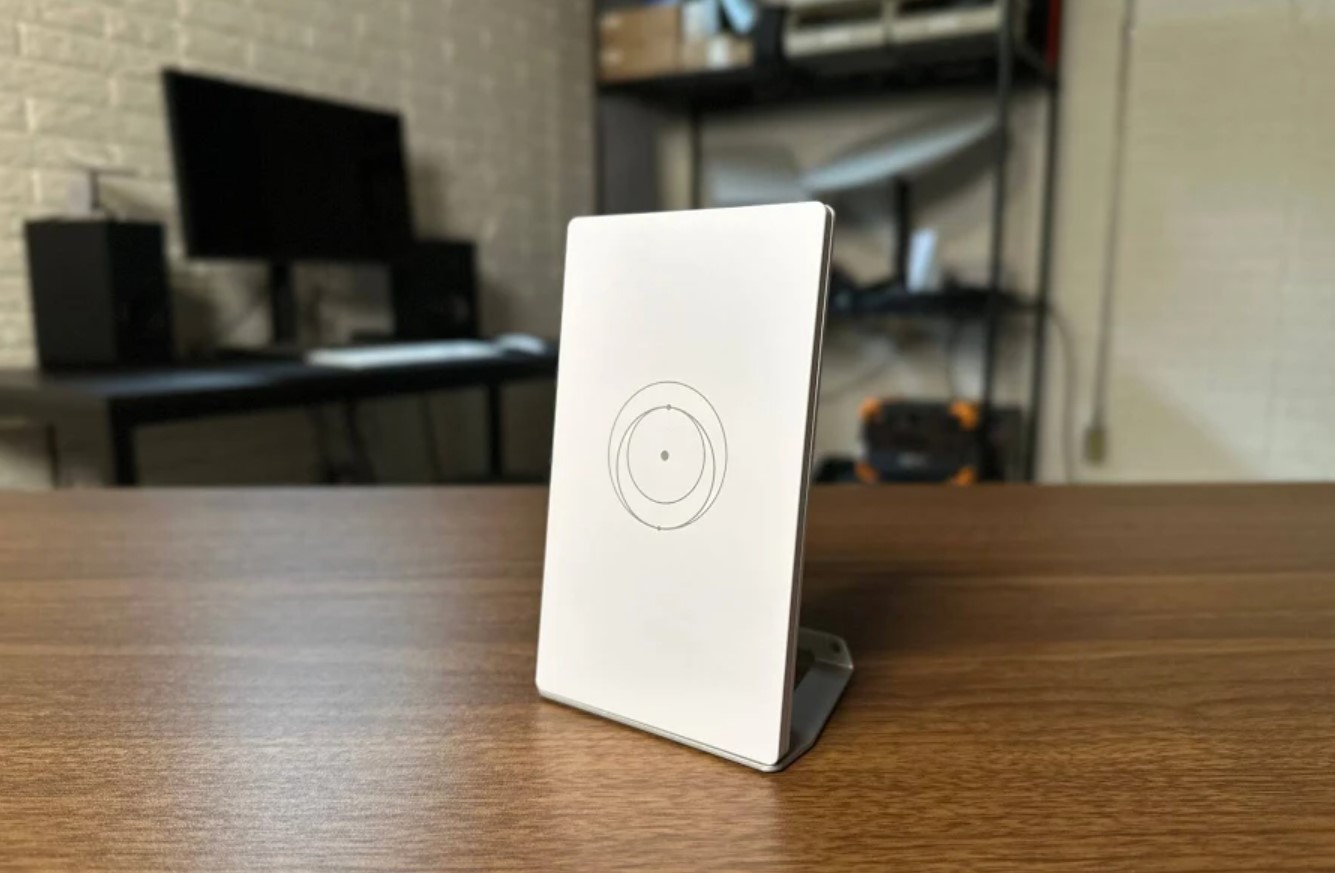
That Echo device in your living room has been quietly pooling bandwidth with nearby Amazon devices since 2021, creating a neighborhood mesh network called Sidewalk that you probably never agreed to join.
The Mesh You Didn’t Know You Joined
Amazon Sidewalk operates like a digital neighborhood watch for IoT devices, using your internet connection to help nearby gadgets stay connected. Your Echo speaker or Ring camera automatically shares up to 500MB monthly with compatible devices within a half-mile radius. The system uses Bluetooth Low Energy and sub-GHz radio frequencies to create extended range for things like Tile trackers and outdoor sensors that would otherwise lose connection beyond your Wi-Fi’s reach.
Think of it as turning your smart home into a mini cell tower, except you’re the one paying for the data plan. The 500MB monthly cap means Sidewalk won’t noticeably slow your Netflix streams, but that’s still bandwidth you’re contributing to Amazon’s infrastructure.
The Opt-Out Burden Problem
When Sidewalk launched in 2021, Amazon enabled it automatically on millions of devices without requiring explicit permission. The Electronic Frontier Foundation criticized this approach, arguing that sharing internet resources should require clear opt-in consent rather than burying opt-out controls in app settings.
You’ll find the toggle buried in your Alexa app under Settings > Amazon Sidewalk > Disable, and the choice applies account-wide to all your compatible devices. The principle of automatic enrollment in a sharing economy without permission remains contentious among privacy advocates.
Security Claims vs. Privacy Gaps
Amazon touts three layers of encryption, 24-hour data deletion, and device authentication as robust security measures. Consumer Reports’ Digital Lab found no immediate vulnerabilities in Amazon’s technical documentation. Yet security experts at Cato Networks warn that corporate IT departments can’t see Sidewalk traffic, creating blind spots for potential device spoofing or unauthorized network access.
Privacy advocates also highlight unaddressed abuse scenarios—like stalkers using Tile trackers enhanced by Sidewalk’s extended range—that Amazon’s technical safeguards don’t prevent.
Your Decision Framework
Keep Sidewalk enabled if you frequently use outdoor sensors, have spotty Wi-Fi coverage in parts of your property, or rely on Tile trackers for lost items. The mesh network genuinely improves reliability for low-power devices that need occasional cloud check-ins.
Disable it if you prefer explicit control over bandwidth sharing, work in security-sensitive environments, or prioritize minimal data exposure over convenience features. The opt-out process takes thirty seconds and won’t break your existing smart home setup.
Your neighborhood’s digital infrastructure shouldn’t be a mystery, especially when you’re helping fund it.