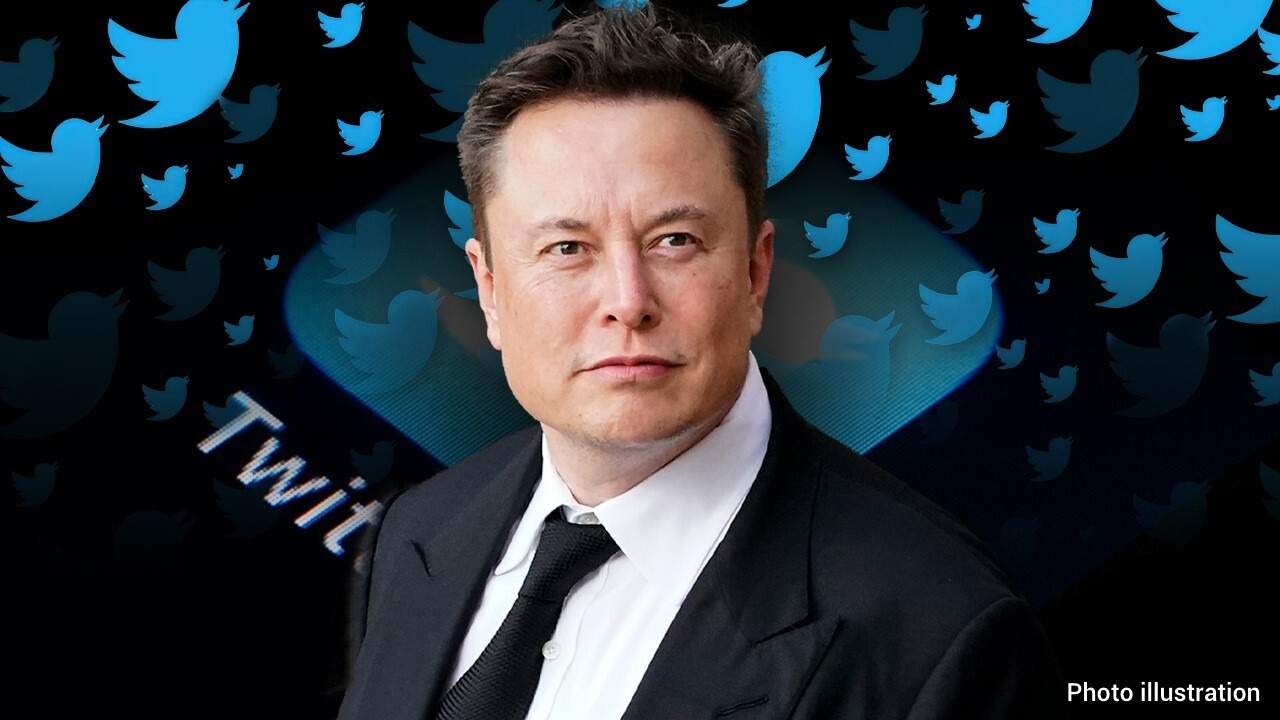
Tesla’s shareholders decided they’re all-in on autonomous vehicles and humanoid robots, approving a $1 trillion compensation package for Elon Musk that makes every other CEO deal look like lunch money. The approval vote of more than 75% wasn’t just about rewarding Musk—it’s a massive bet that Tesla can grow from its current $1.1 trillion market cap to $8.5 trillion within a decade. That target exceeds the combined value of Meta, Microsoft, and Google’s parent company Alphabet.
Performance Targets That Sound Like Science Fiction
Musk only gets paid if Tesla hits moonshot milestones for self-driving cars and robots.
The package structures 12 performance tranches with dual requirements: Tesla must reach specific market valuations AND deliver operational milestones that read like a sci-fi checklist. We’re talking 10 million active Full Self-Driving subscriptions, one million Robotaxis in commercial operation, and one million humanoid robots delivered. Hit all targets, and Musk’s Tesla ownership jumps from roughly 13% to around 25-29%. Miss them, and he gets nothing from the new package.
The Institutional Investors Said Hell No
Norway’s $2 trillion sovereign wealth fund called the package excessive, but retail investors disagreed.
Norway’s massive sovereign wealth fund voted against the proposal, citing concerns about “total size of the award, dilution, and lack of mitigation of key person risk.” The opposition carries extra weight given Musk’s previous $50 billion compensation package got struck down twice by Delaware courts for governance problems. Yet retail investors pushed approval through anyway, suggesting a fundamental split between institutional caution and individual shareholder optimism about Tesla’s robotics timeline.
Control Freak or Strategic Necessity?
Musk framed the compensation as insurance against getting ousted while building his “robot army.”
During Tesla’s earnings call, Musk laid out his real concern: “If I go ahead and build this enormous robot army, can I just be ousted at some point in the future?” The compensation isn’t about immediate wealth—Musk himself noted “it’s not like I’m going to go spend the money.” Instead, it’s about maintaining voting control over Tesla’s autonomous vehicle and robotics strategy while the company attempts perhaps the most ambitious commercial AI deployment in history.
Tesla’s recent financial performance adds complexity to the approval. The company posted 12% revenue growth in Q3 but missed earnings expectations. Shares have gained approximately 16% this year—roughly matching the S&P 500. Shareholders essentially decided that mediocre near-term results matter less than positioning for a potential autonomous vehicle revolution. Whether that bet pays off will determine if this becomes the smartest compensation structure ever designed or the most expensive corporate governance experiment in business history.