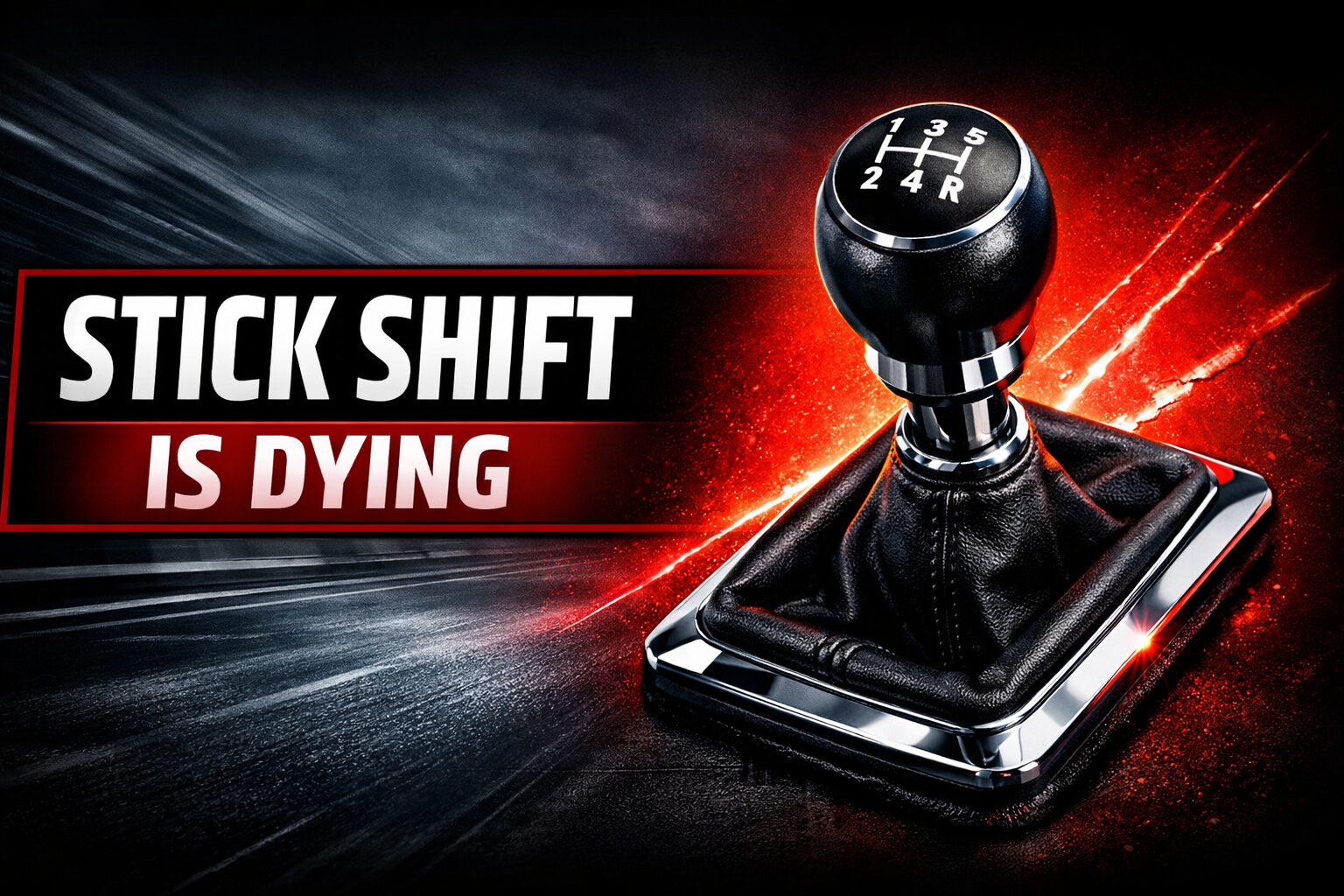
The number of models with a manual dropped 57% in a decade, reports Carscoops. Once a staple, the manual transmission is fading from modern vehicles, signaling a shift in automotive culture. Multiple factors drive this change, including advancements in automatic transmission technology, evolving consumer preferences, and automakers focusing on models with higher sales volumes. Modern automatics now offer superior fuel efficiency and seamless integration with advanced driver-assistance systems (ADAS), diminishing the appeal of manuals. Fewer drivers are learning how to operate a stick shift, leading to decreased demand.
1. Superior Automatic Technology
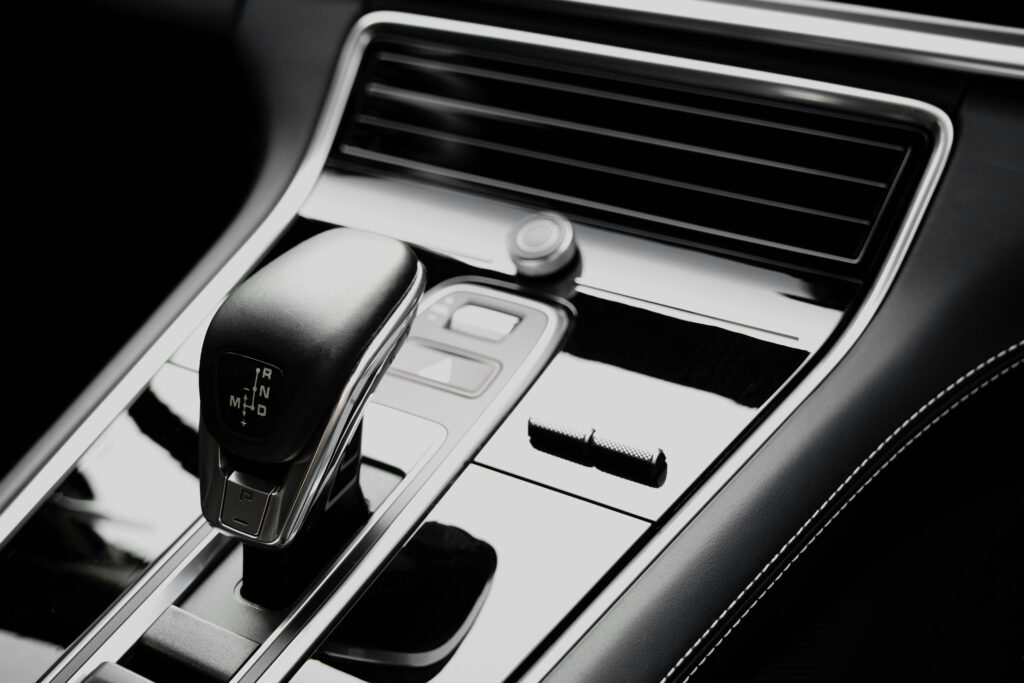
Today’s automatics dominate in fuel efficiency, shift speed, and tech integration.
While only 18% of Americans can drive a manual transmission, modern automatics are kicking their stick-shift ancestors to the curb. Today’s automatic transmissions outperform manuals in almost every category: fuel efficiency, shift speed, and seamless integration with advanced driver-assistance systems (ADAS). Forget the clumsy gear changes of yesteryear; continuously variable transmissions (CVTs) and dual-clutch systems now deliver smoother and faster acceleration.
Stop-and-go traffic becomes manageable with an automatic, where your left leg relaxes while focus stays laser-locked on dodging aggressive drivers. This technological leap has erased the historical advantages of manuals, paving the way for their obsolescence. Future generations might only experience the tactile joy of a stick shift in museums or vintage car shows.
2. Shifting Consumer Preferences
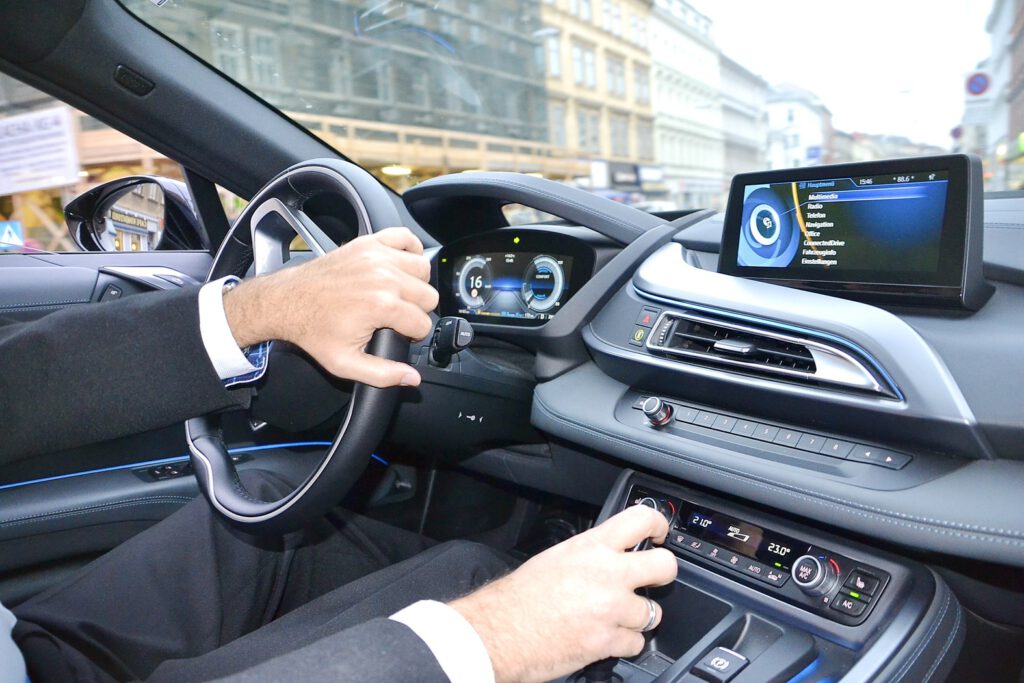
New drivers increasingly favor automatics for urban driving ease.
Manual transmissions face extinction because only 18% of Americans can drive them, according to recent data. For new drivers, the learning curve proves steep. Stalling repeatedly on steep hills while impatient drivers pile up behind creates memorable frustration.
The preference for automatic transmissions reflects a desire for ease, especially in congested urban settings. Automatics offer smoother transitions, and modern versions often achieve better fuel economy than manuals. As automakers focus on streamlined performance, the stick shift becomes a relic of a bygone era.
3. Low Sales Volumes

Manufacturers abandon manuals when sales drop below 2%.
Only about 1-2% of new cars sold in the U.S. have manual transmissions, according to recent data. Automakers cite this low demand as a primary reason for dropping manuals. When sales of a manual transmission model barely register, bean counters start eyeing it for the chopping block. The calculation is straightforward: why invest in a feature that barely anyone wants?
An automaker debates whether to continue offering a manual option on one of their models. The costs of engineering, testing, and stocking parts for the manual version don’t justify the expense. The verdict? Manuals become a niche “luxury,” found mainly in performance cars like the Mazda MX-5. Mass-market sedans won’t see manual options anytime soon.
4. Global Shift Away from Manuals
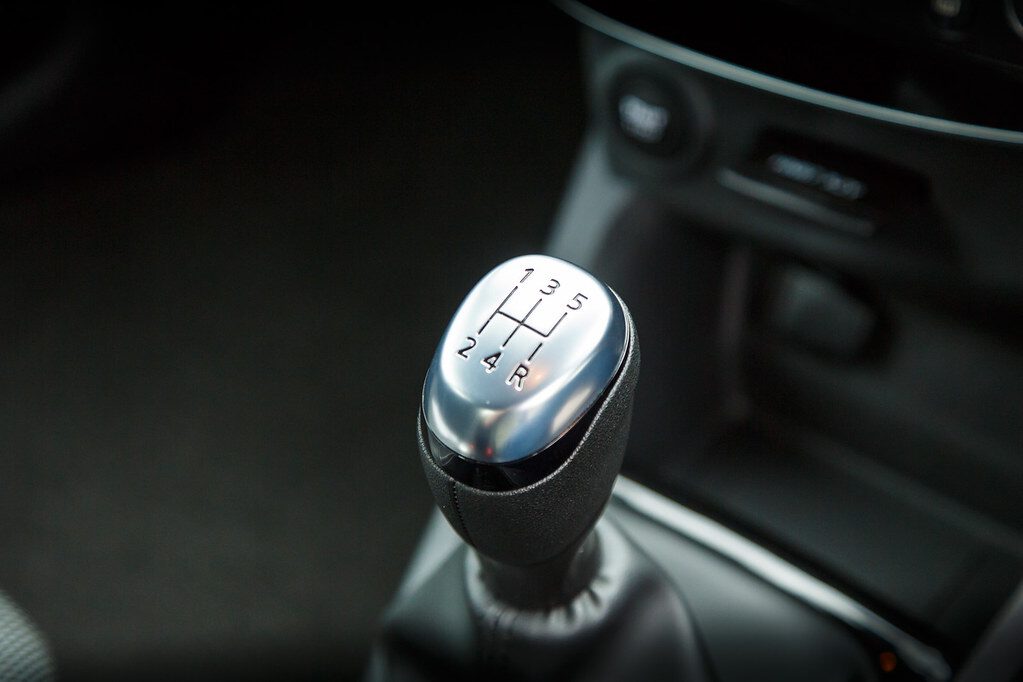
Electric vehicles accelerate the worldwide manual transmission decline.
Manual transmissions are vanishing faster than phone booths, with global markets rapidly ditching the stick shift. In Europe, manuals plummeted from 89% of cars sold in 2000 to just 32% in 2022. Asia is following suit: China saw manuals drop from 50% in 2017 to a mere 4% in 2023, according to recent studies.
A European driver accustomed to a manual now navigates daily commutes in an automatic, no longer wrestling with the clutch and gears. Electric vehicles (EVs), lacking traditional gears, further accelerate this trend. The writing’s on the wall: manuals are becoming relics, replaced by automatics and electric powertrains. Whether that’s a good idea, however, has yet to be seen.