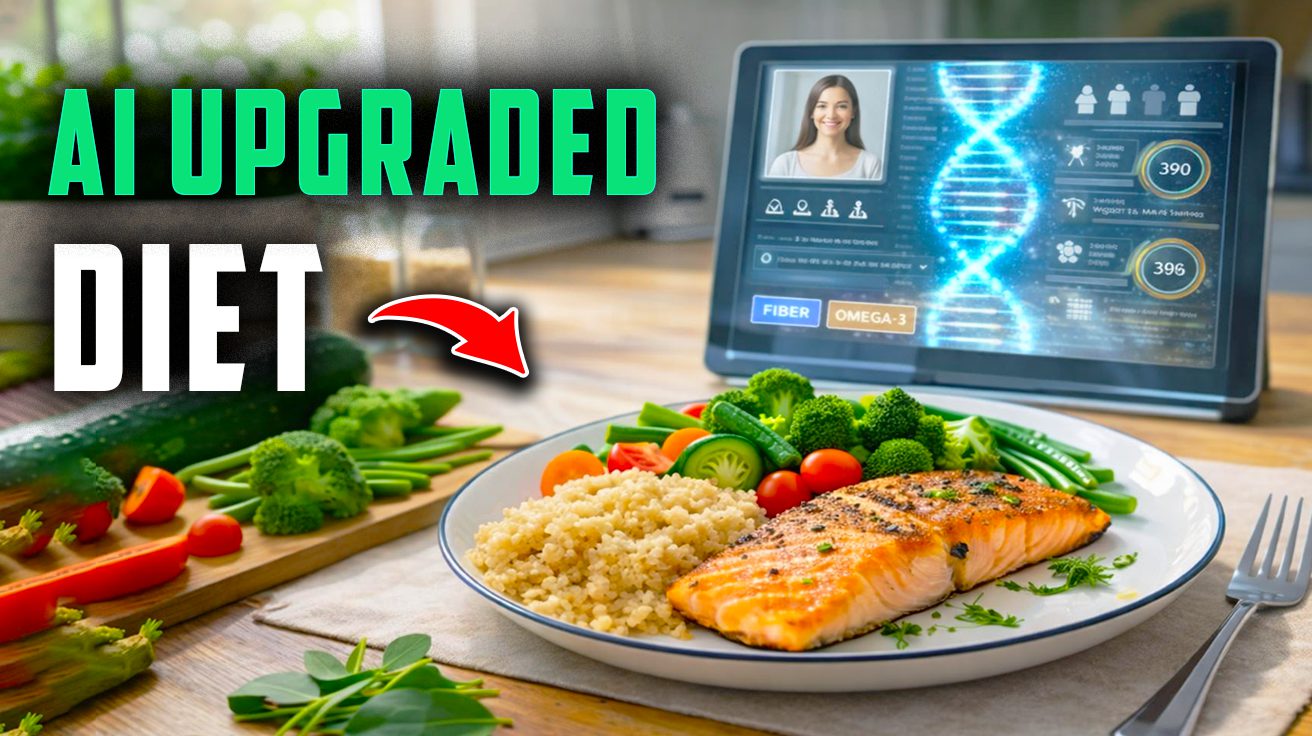
Artificial Intelligence is transforming food systems faster than a celebrity chef can flambe dessert. By 2026, AI will move from pilot programs to real-world practice, accelerating product development and optimizing supply chains. Some companies claim the tech compresses research and development cycles from months to days. For food enthusiasts, culinary travelers, and anyone who appreciates innovation on their plate, these eight technologies will reshape how we grow, prepare, and experience food.
8. AI-Driven Personalized Nutrition

Genetic insights are creating custom diets that make one-size-fits-all nutrition plans look prehistoric.
Personalized medicine and nutrition leverage AI to compress product development cycles dramatically. Genetic insights now drive tailored diets, meaning wellness resorts could replace generic healthy buffets with menus fine-tuned to your DNA. Travel plans might soon include customized meal experiences based on your genetic profile.
Instead of hoping the hotel restaurant has something that won’t upset your stomach, picture dishes designed for your specific digestion, vitamin needs, and taste preferences. As AI accelerates these advances, expect wellness experiences that cater to your biology at a cellular level.
7. Fiber as the New Protein Priority
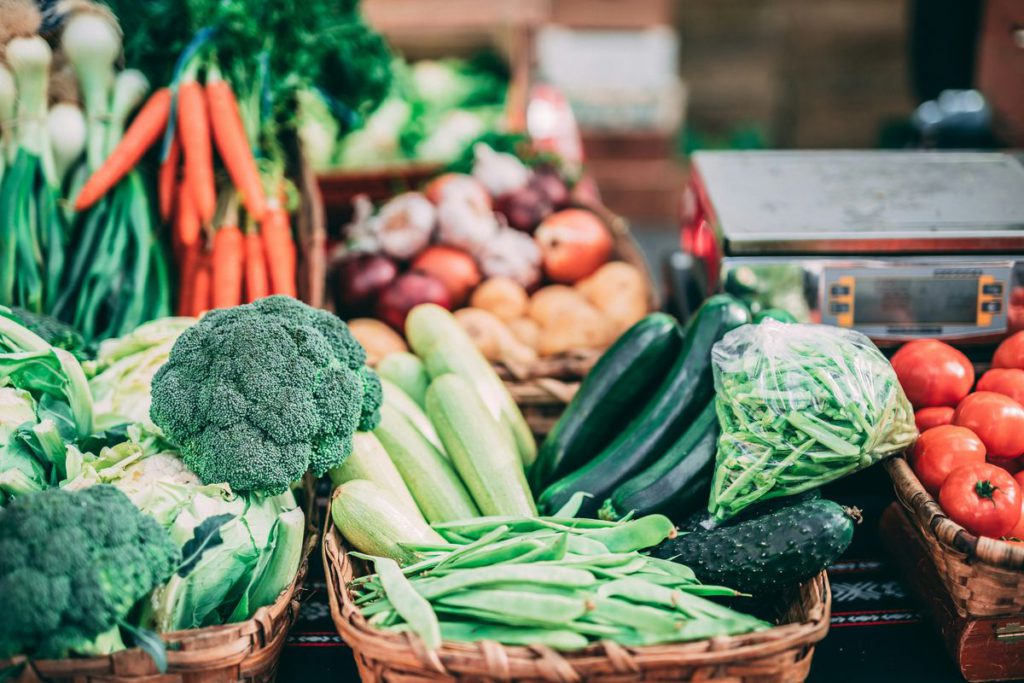
Next-generation fibers from upcycled produce are stealing the spotlight from protein powders.
Bright Green Partners declares “fiber is the new protein,” and the timing couldn’t be better. Next-generation fibers derived from upcycled fruits and vegetables support gut health, satiety, and metabolic stability. These aren’t standard bran flakes—we’re talking cutting-edge ingredients designed to keep you full and your blood sugar stable.
Consumer fiber intake has historically been low, but 2026 looks like the year dietary fiber finally gets proper recognition. These advanced fibers work like a personal trainer for your digestive system, helping you feel satisfied without looking like you’ve been inflated with a bicycle pump.
6. Hybrid Meats and Fish

Animal proteins are getting plant, fungal, and fermented co-stars for better taste and sustainability.
Europeans already taste-test the future through hybrid meats in private-label products featuring jackfruit extenders. These blends combine animal proteins with plant, fungal, or fermented ingredients, delivering on taste while improving sustainability and cost-effectiveness. Precision-fermentation fats help nail that umami flavor profile.
Restaurant chefs can now offer all the flavor with significantly less environmental guilt. Hybrid proteins are going mainstream because they solve the taste problem that plagued earlier plant-based alternatives while addressing sustainability concerns.
5. Vertical Farming Revolution
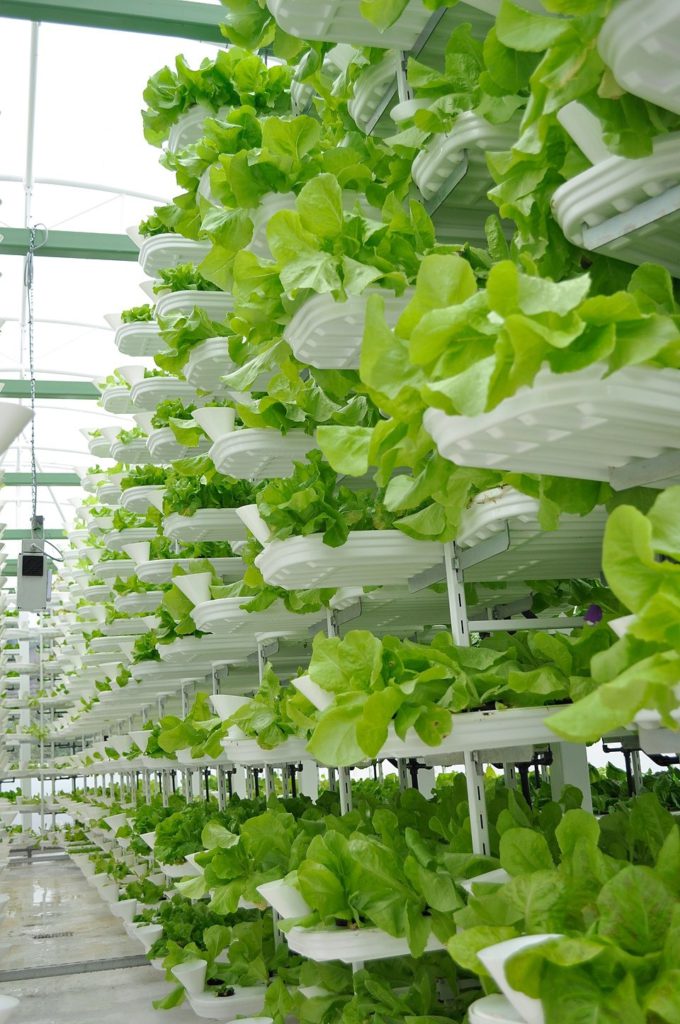
Urban agriculture is turning city walls into productive farmland with minimal resources.
Agritech innovations transform cityscapes into fertile growing spaces using minimal land and water for sustainable produce. Companies like Plenty maximize yield in dense metro areas, making fresh ingredients more accessible to urban restaurants. It’s like turning buildings into giant, productive gardens.
Urban food destinations benefit from hyper-local sourcing, cutting carbon-heavy supply chains while delivering fresher ingredients. Vertical farming’s upfront costs run high, but the long-term payoff promises a greener, tastier future for metropolitan dining.
4. Synthetic Biology Applications
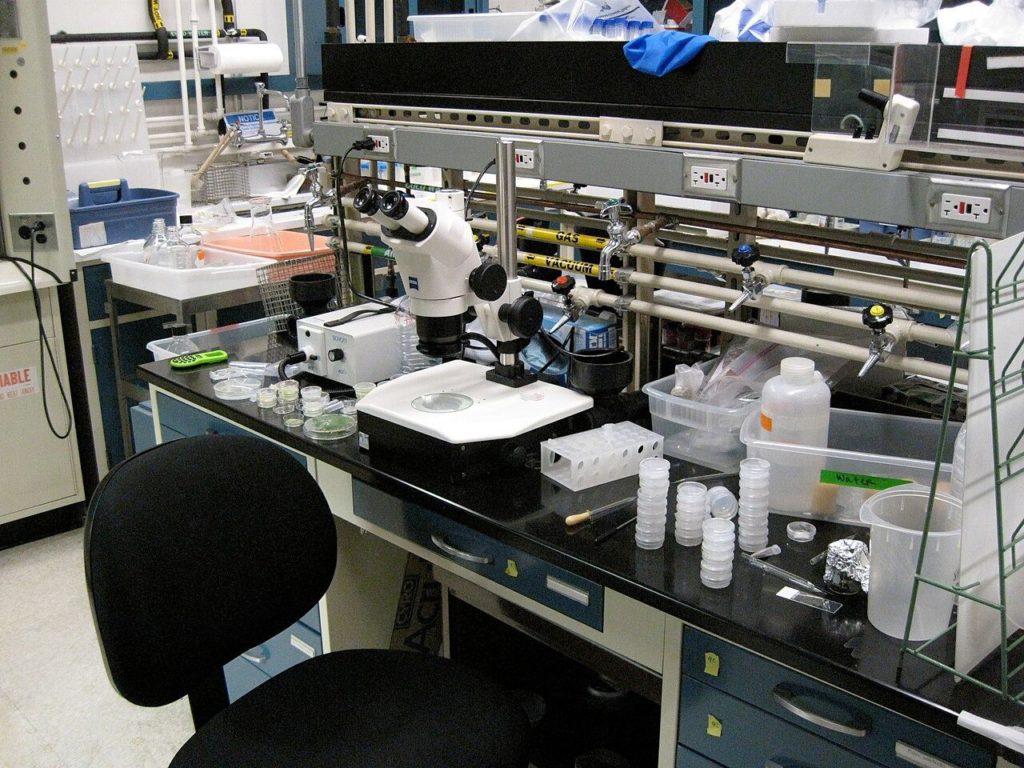
Engineered microbes are custom-brewing ingredients that nature never imagined.
Synthetic biology companies like Ginkgo Bioworks engineer microbes for food production applications. Scientists craft microorganisms to produce alternative proteins and nutraceuticals, essentially programming biology to create specific ingredients. Lab technicians can tweak microbes to produce sustainable alternatives without traditional agricultural constraints.
This technology addresses supply chain vulnerabilities by creating ingredients through controlled fermentation rather than depending on weather, soil conditions, or geopolitical stability. The challenge remains winning over consumer taste preferences and trust levels.
3. Digital Food Safety Enhancement
AI-powered monitoring systems are becoming the new food safety inspectors.
Digital tools and AI enhance food safety through supply chain monitoring, risk management, and traceability systems. These technologies track ingredients from source to plate, preventing contamination before it reaches consumers. Global supply chains get transparency through interoperable standards.
For culinary travelers, enhanced food safety means greater confidence exploring international cuisine without worrying about foodborne illness ruining vacation plans. Digital monitoring reduces vulnerabilities across complex international food networks.
2. Alternative Cocoa Production

Fermentation platforms are creating chocolate without the environmental baggage.
Alternative cocoa from fermentation platforms addresses supply strain while enabling sustainable chocolate production. Instead of traditional cacao farming with its environmental challenges, fermentation technology produces cocoa alternatives that maintain flavor profiles. Michelin-starred chefs can create decadent desserts knowing their ingredients didn’t contribute to deforestation.
Alt-cocoa represents chocolate production evolution—maintaining taste while solving sustainability problems that have plagued the industry for decades. This technology makes premium chocolate more environmentally responsible and potentially more accessible.
1. Precision Nutrition Integration

Personalized dietary guidance is moving from theory to practical culinary applications.
Genetic insights create tailored nutrition plans that influence culinary tourism through customized wellness experiences. Precision Nutrition Integration design meal programs based on individual genetic profiles, making nutrition recommendations as personalized as a bespoke suit. This addresses the gap where many people express interest in nutrition but struggle with practical implementation.
These technologies transform dining from generic recommendations to precision-targeted experiences. Culinary destinations can offer scientifically-backed personalized menus that optimize health outcomes while maintaining exceptional taste.