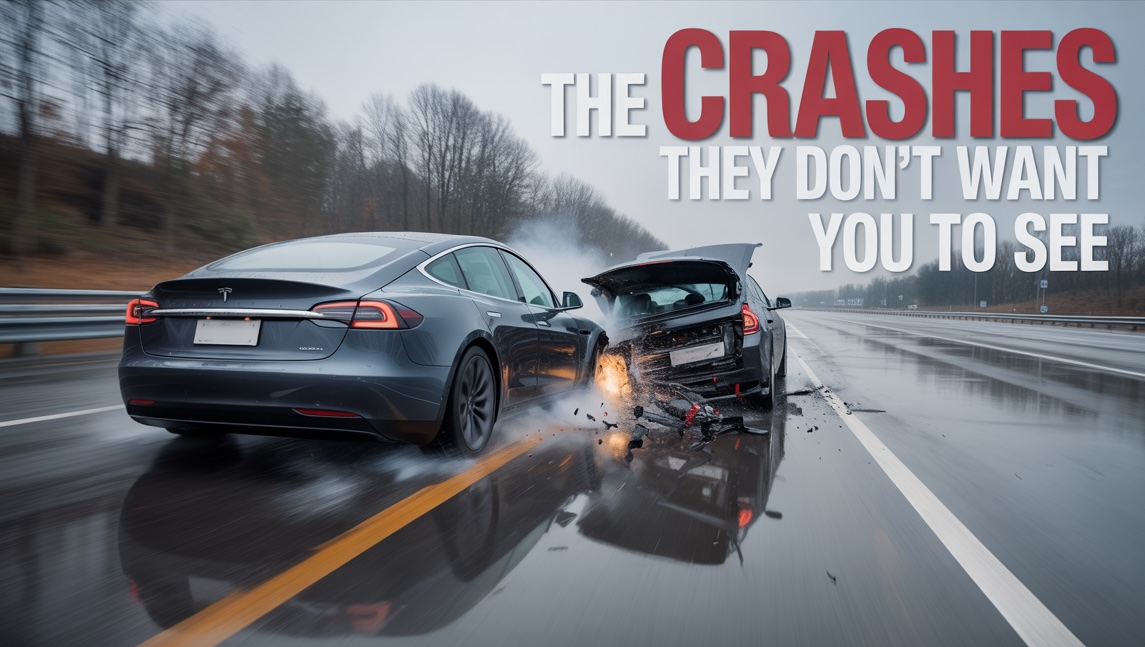
Driverless cars promise the future of transportation, but Tesla‘s latest milestone in Austin reveals how messy that future remains. The company confirmed this weekend that its robotaxis now operate completely unmanned — no safety driver, no human backup. Yet seven crashes since testing began in June tell a more complicated story about your autonomous ride-hailing future.
Empty Seats, Full Ambitions
Tesla’s 25-vehicle fleet now cruises Austin without human oversight, marking a technical achievement amid safety questions.
Tesla’s fleet of 25-30 Model Y vehicles now navigates Austin streets completely empty, confirmed by Elon Musk on X after social media videos surfaced over the weekend. The progression happened quickly: passenger-seat monitors in June became driver-seat supervisors in September, then disappeared entirely by mid-December.
Ashok Elluswamy, Tesla’s AI head, declared “And so it begins!” — though his excitement might be premature given the crash reports. Tesla’s X account hinted cryptically with “Slowly, then all at once,” suggesting this moment represents years of development finally reaching fruition.
Seven Crashes, Heavily Redacted Reports
NHTSA documents obscure critical safety details as Tesla pushes toward commercial launch.
Those seven crashes since June testing began create concerning questions about safety oversight. NHTSA reports arrive so heavily redacted they resemble classified government documents, with details about causes, severity, and circumstances remaining obscured.
This opacity hardly inspires confidence as Tesla approaches unsupervised commercial service. Compare this secrecy to Waymo’s transparent safety reporting, and you start questioning whether Tesla’s “move fast and break things” approach works for 3,000-pound vehicles sharing your streets.
From Coast-to-Coast Dreams to Austin Reality
Musk’s ambitious fleet goals shrink from national coverage to doubling one city’s modest fleet.
Remember Musk’s July promise to cover half the U.S. population by year-end? That grand vision has quietly shrunk to doubling Austin’s tiny fleet to roughly 60 vehicles by late 2025. The dramatic scaling back reveals the gap between Musk’s typical promotional timeline and operational reality.
Meanwhile, Tesla’s San Francisco testing still requires human supervisors — California demands multiple permits for driverless operations, unlike regulation-light Texas. Your robotaxi availability depends heavily on where you live and local regulatory appetite for risk, especially as electric vehicle adoption continues expanding.
History Repeats, Promises Evolve
Tesla’s 2016 “all hardware-ready” autonomy claim required costly upgrades, setting a pattern of revised expectations.
Tesla’s autonomous promises have a shelf life shorter than your favorite TikTok trend. The company’s 2016 claim that all vehicles had “hardware needed for full self-driving” proved spectacularly wrong, requiring expensive upgrades for millions of cars and spawning ongoing lawsuits.
Today’s driverless Austin tests represent genuine progress toward competing with Waymo’s established commercial service. But Musk’s track record suggests tempering your expectations about widespread commercial availability anytime soon. The real question isn’t whether Tesla can make cars drive themselves — it’s whether they can do it safely and at scale.