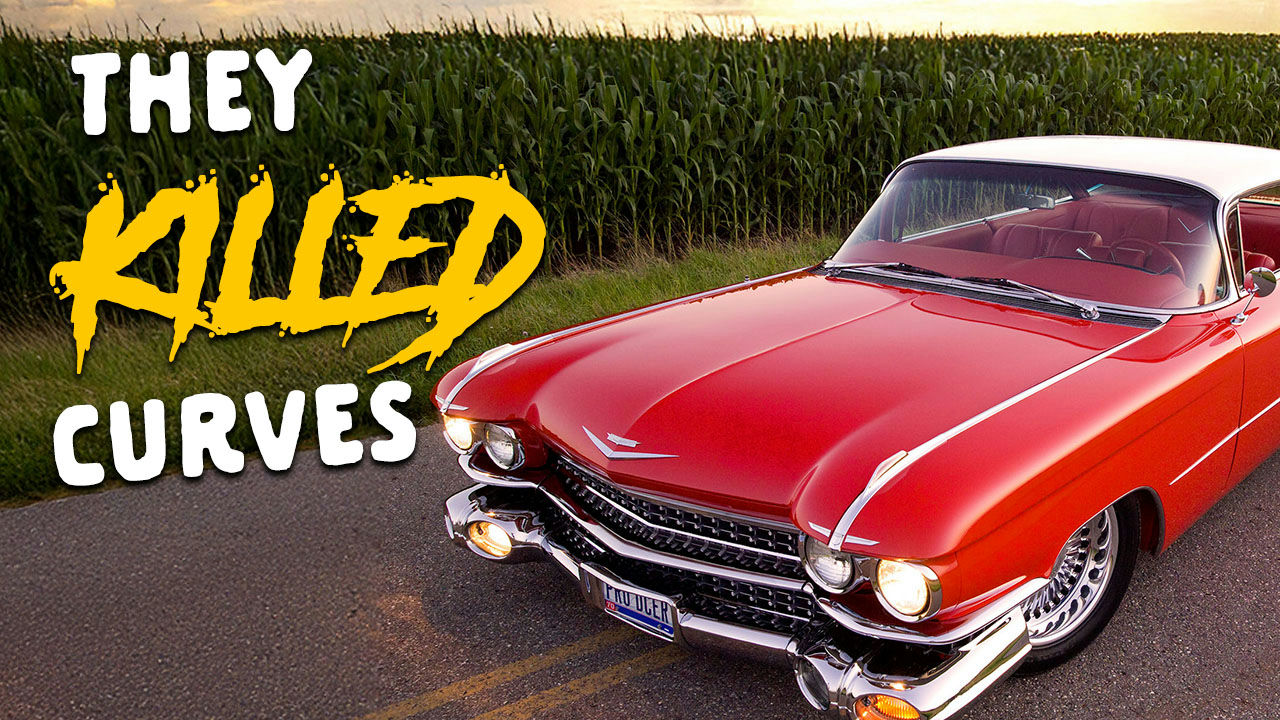
The shift from head-turning roadsters to today’s look-alike blobs didn’t happen overnight. Once upon a time, cars were like fashion statements—bold, expressive, and occasionally regrettable. Now? Imagine if every celeb wore the same comfy sweats to the Met Gala: functional, but where’s the drama? Regulatory pressures, cost-cutting, and a dash of global homogenization have turned automobiles into something closer to kitchen appliances than rolling art.
7. The Humble Beginning: 1886 Benz Patent-Motorwagen
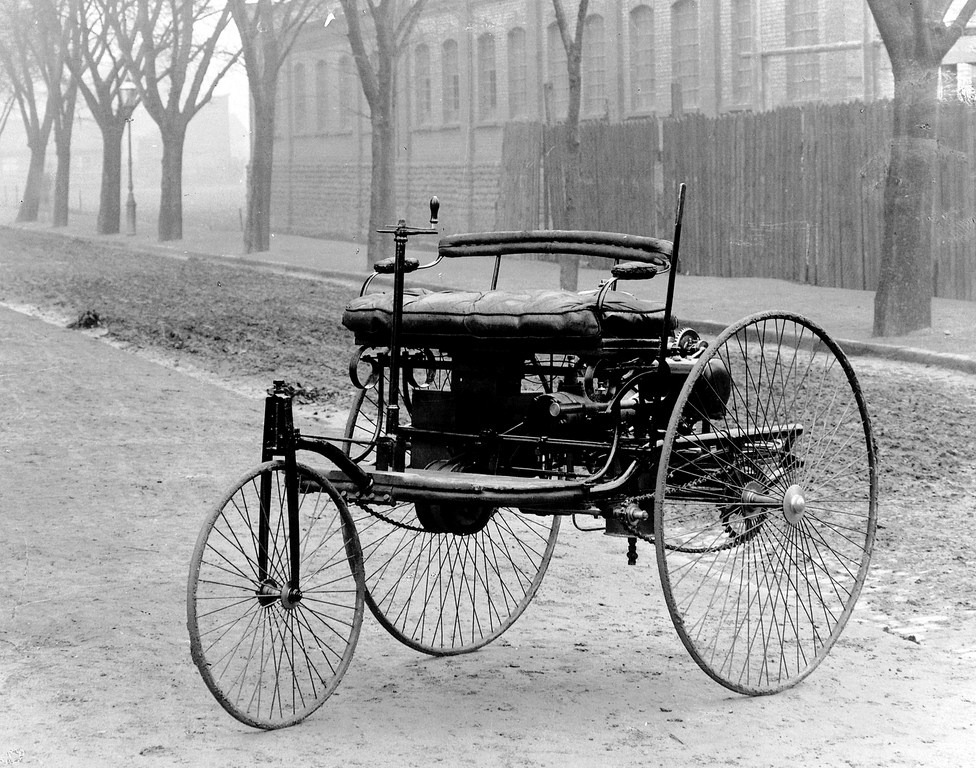
Function over form was the only game in town when cars were born.
Even the crankiest design critic would admit cars started ugly. This 1886 Benz Patent-Motorwagen looks like a wagon got freaky with an erector set. Picture a historian, squinting at this thing, saying, “Well, it functions.” Its historical significance outweighs any aesthetic appeal—functional design was the priority, so you got minimal style that screams, “I was built, not styled.” This Benz paved the way for everything that followed.
6. Peak Excess: 1959 Cadillac El Dorado

This land yacht defined an era when bigger meant better and chrome ruled supreme.
Classic car values are soaring, with some models appreciating faster than crypto—though less volatile, thankfully. The 1959 Cadillac El Dorado represents peak flamboyant excess, a rolling testament to chrome accents, fins, and vibrant color palettes. Spotting this beast at a classic car show, you’d see it’s less a car, more a symbol of optimism, back when gas was cheap and American dreams were supersized. Those iconic fins weren’t just wings; they represented a country ready to take flight into a brighter future.
5. The Aerodynamic Revolution: 1984 Audi 5000 (Exterior)

Curves replaced corners when designers discovered wind tunnels could be sexy.
Cars were boxier than your grandma’s living room until the 1984 Audi 5000 sashayed onto the scene with curves smoother than a Barry White serenade. This wasn’t just a new look; it was a declaration that cars could be sleek, sexy, and still get you to soccer practice. Its sleek, rounded forms contrasted so sharply with boxy rides of the era, like seeing Lizzo at a Nickelback concert.
1984 Audi 5000 (Interior)
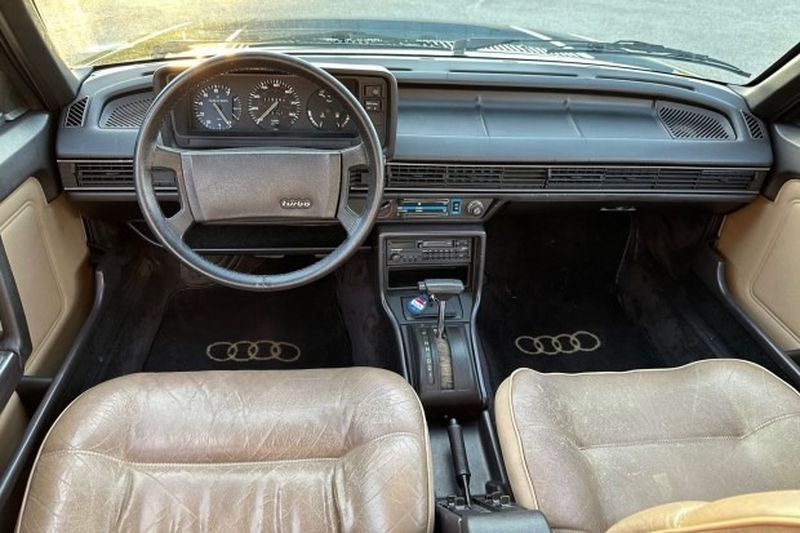
The aerodynamic design influenced competitors and forever changed automotive aesthetics—the vehicular equivalent of a mic drop.
4. Understated Excellence: BMW E39 5 Series (Exterior)
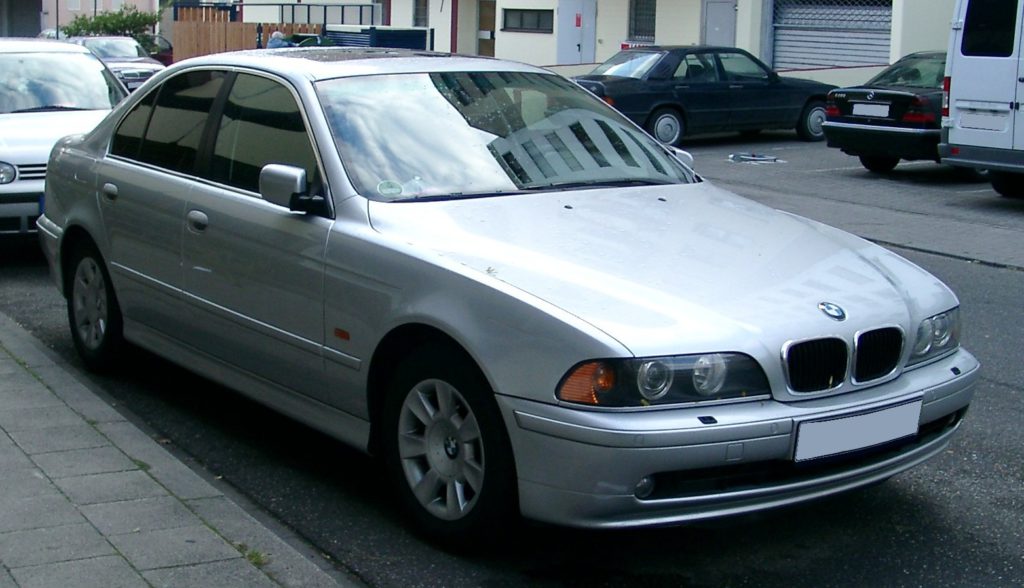
Elegance whispered while today’s designs scream for attention.
The E39 BMW 5 Series, produced from 1995–2004, embodied subtle design that whispered class, unlike today’s SUVs screaming for attention like a Real Housewife at a reunion.
BMW E39 5 Series (Interior)
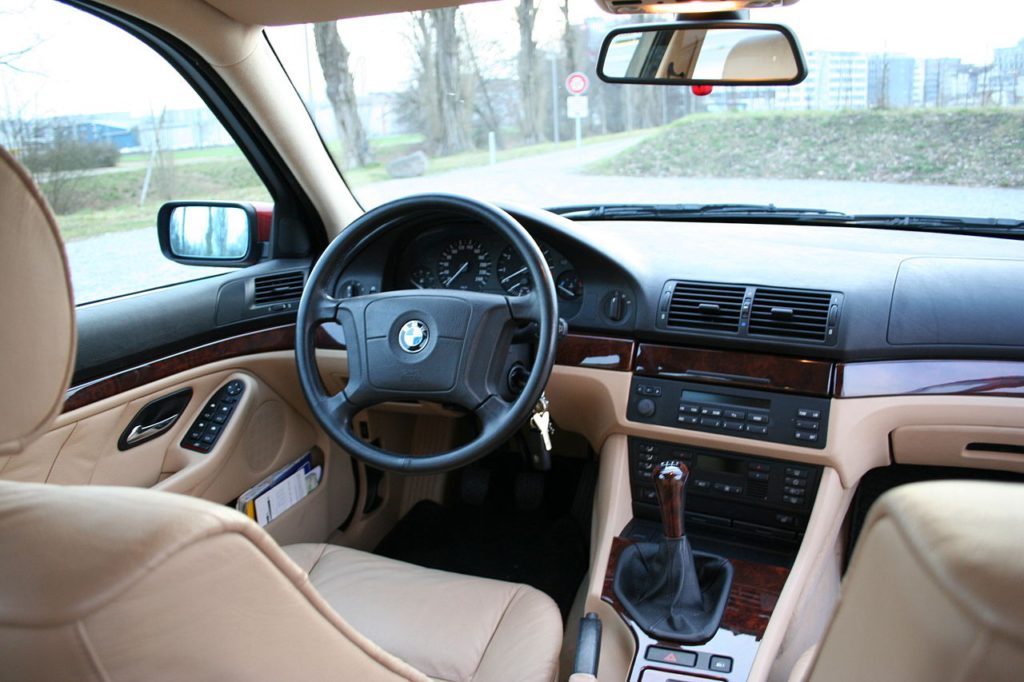
While modern SUVs resemble inflated bouncy castles, the E39 held onto sleek lines without gigantic, attention-grabbing grilles. Its subtle curves flowed like a perfectly mixed martini, making SUV counterparts appear as awkward as your uncle attempting the Macarena at a wedding.
3. Corporate Sameness: BMW’s Oversized Kidney Grille Era
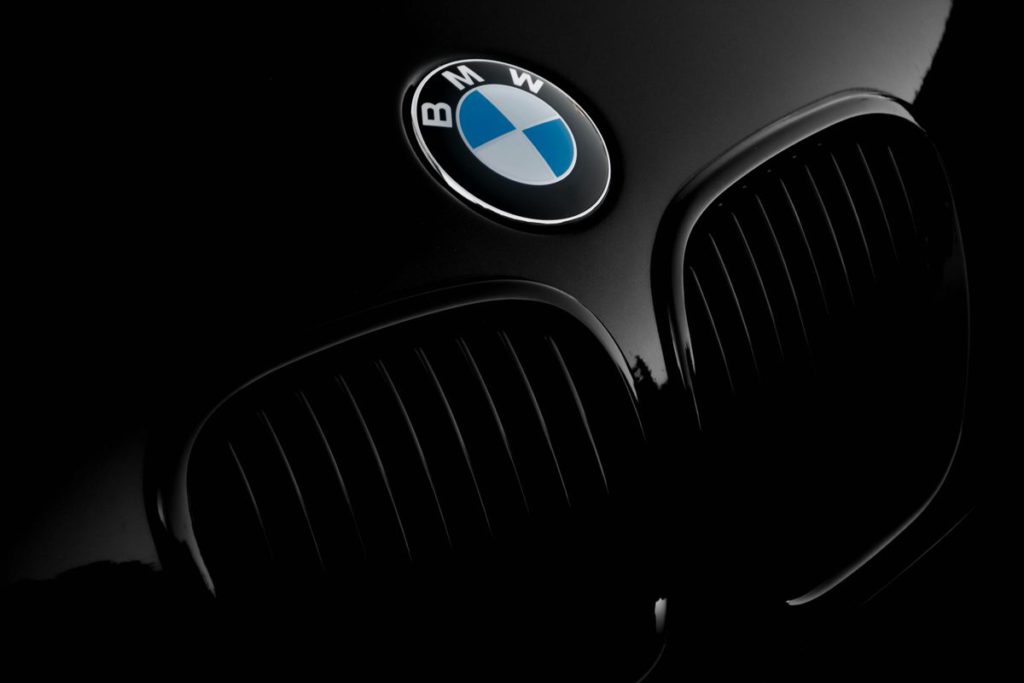
When design languages become corporate uniforms, individuality dies.
Automotive design seems headed toward corporate design languages, where every brand wants uniform identity. Think of it as the automotive version of everyone wearing the same black turtleneck. Designers play “spot the difference,” adding weird little slits and stuff to make each model stand out. BMW‘s kidney grille has been criticized for being overdesigned. This globalization strips away regional identity, turning car shows into vehicular clone parties.
2. Ahead of Its Time: 1934 Chrysler Airflow (Exterior)
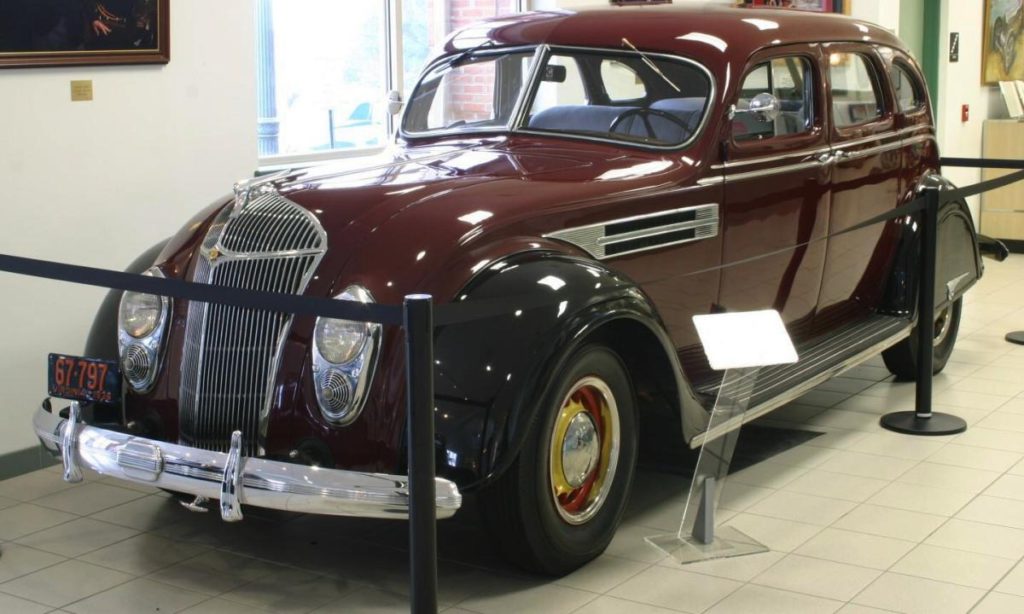
Aircraft-inspired curves that bombed commercially but influenced generations.
Before pedestrian safety regulations and fuel efficiency ruined everything, the 1934 Chrysler Airflow dared to be different. Inspired by aircraft design, this machine swapped boxy for curves, aiming for reduced drag and a profile that screamed “future” louder than a DeLorean at 88 mph.
1934 Chrysler Airflow (Interior)
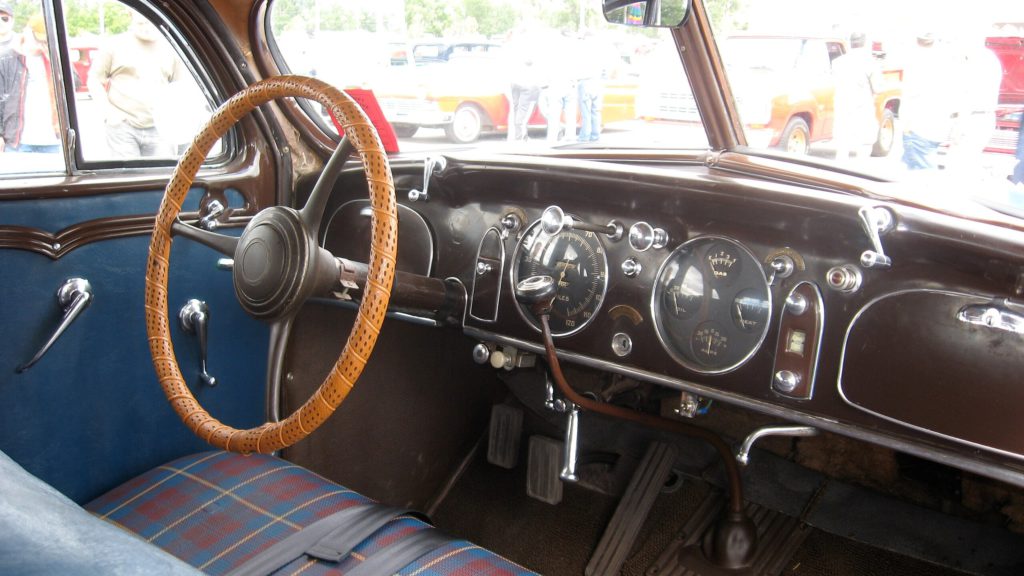
Though it didn’t fly off lots—sales stalled at approximately 11,000 units that first year—it proved cars could be more than metal boxes and left its mark on automotive design.
1. Lightning in a Bottle: Ford Mustang (Exterior)
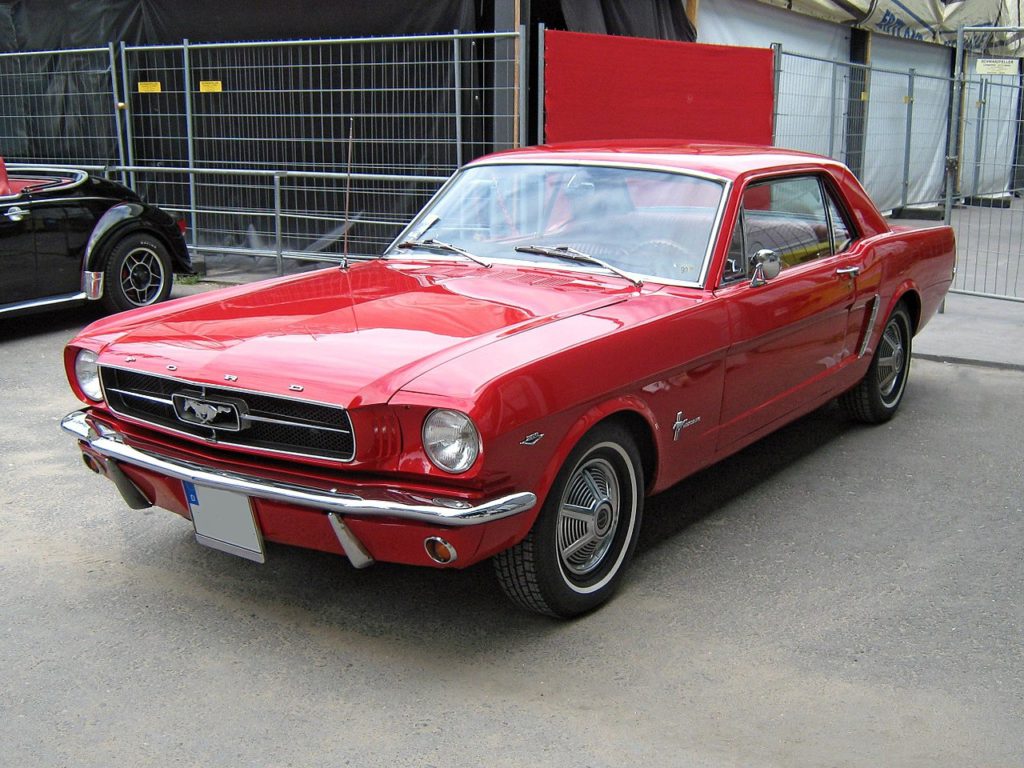
The 1960s icon that made every driver feel like a movie star.
The Ford Mustang’s iconic design, especially in the 1960s, captured lightning in a bottle. It wasn’t just a car; it was a statement, a rebellion on wheels. With clean lines and perfect proportions, cruising down any street channeled that Steve McQueen cool from Bullitt.
Ford Mustang (Interior)
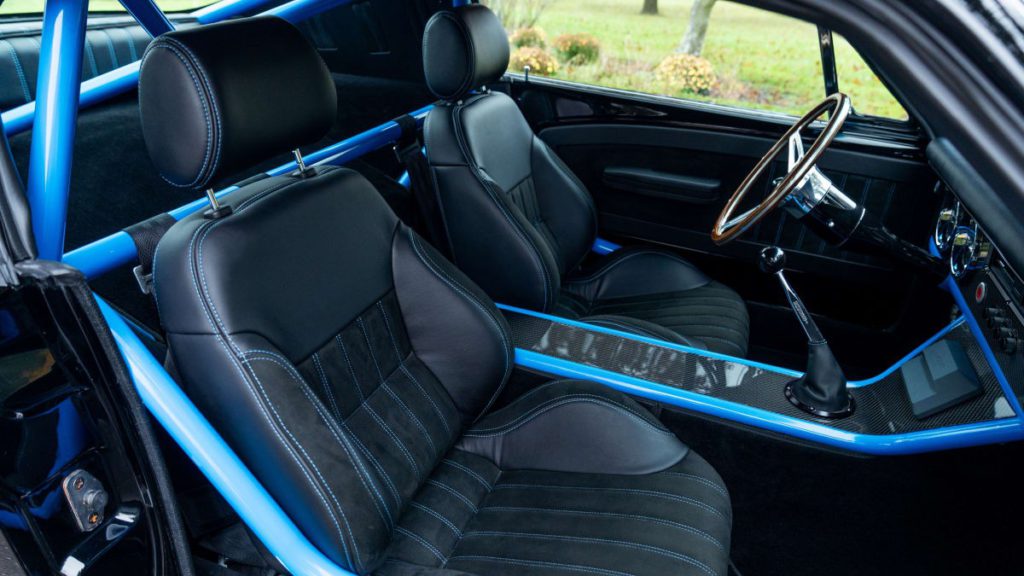
The Mustang combined beauty and performance, variety in styling, and regional identity—a legacy still kicking asphalt today.