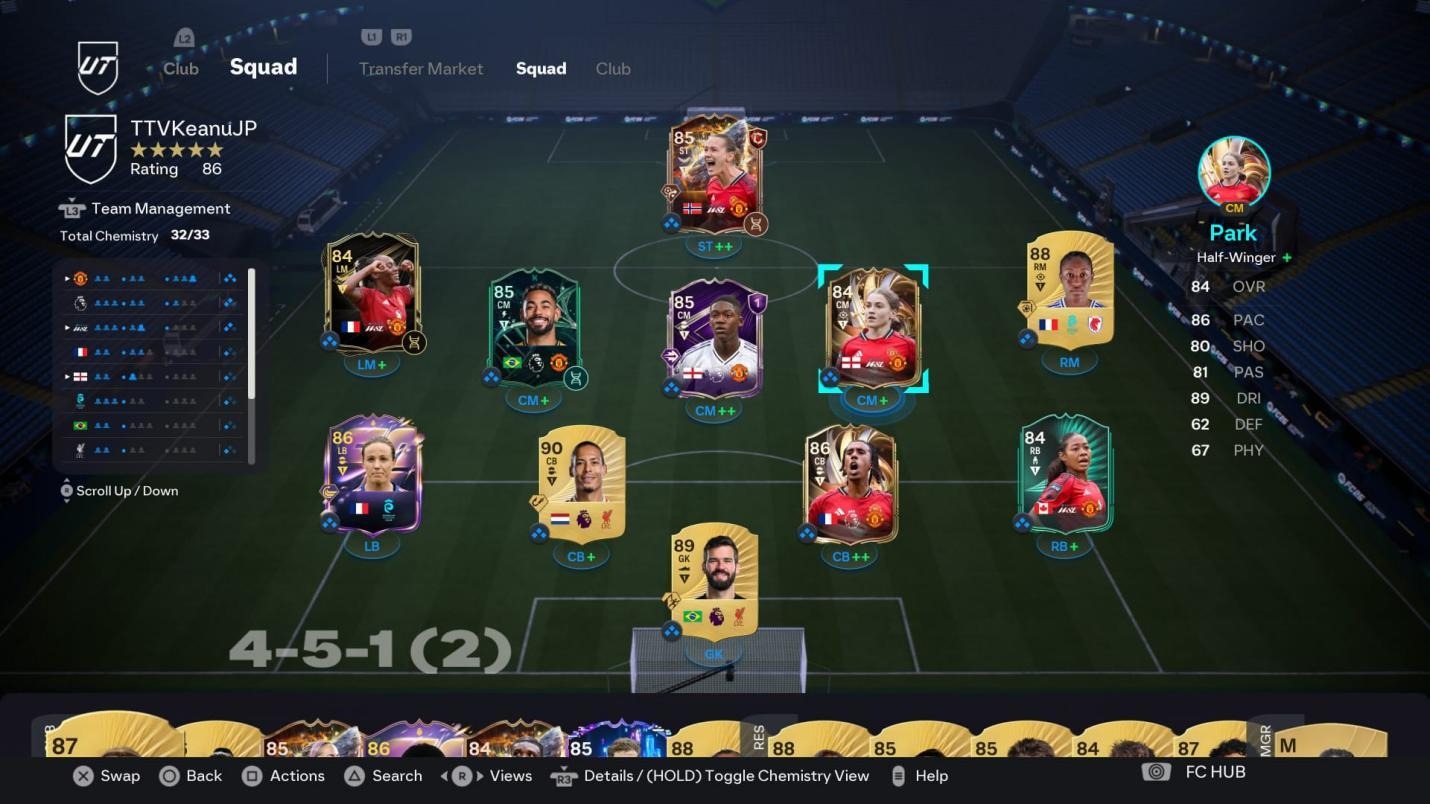
Black Friday and Cyber Monday came and went with a long list of discounted games and accessories, and plenty of players grabbed FC 26 for far less than full price. If you were one of them, you probably saved enough to start thinking about early squad upgrades. This is the ideal moment to put that leftover budget into building a setup that performs right away.
Everything here comes from the ways that the top players set the shape of their formation, plus a few tweaks that make it easier for regular players who aren’t grinding 30 games a day. And if you’re looking to upgrade your squad to get more out of these setups, platforms like u7buy.com can help you secure the FC 26 coins you need.
Why the 4-5-1 works in this patch
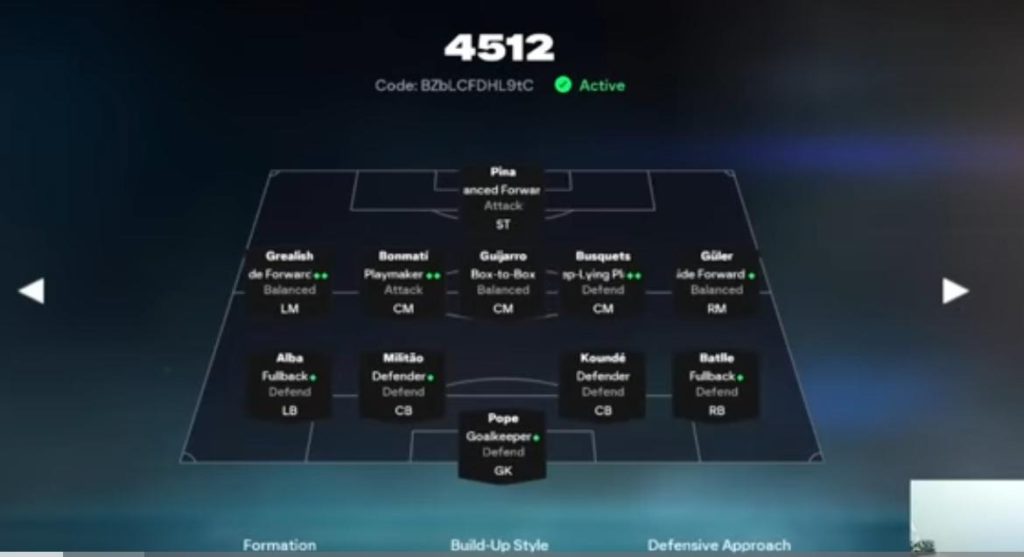
- Three central mids block the hinge passes into the pocket. That kills a lot of through-ball spam before it starts.
- Wingers acting as inside forwards arrive on the penalty spot rather than hugging the line. That is perfect for the current cutback meta.
- A single striker stays high and pins center-backs. You do not need two forwards when the wingers keep making inverted runs.
- The shape converts into a temporary 2-3-5 on the ball without asking your fullbacks to bomb forward. Safer, yet still enough numbers to finish attacks.
The two safe blueprints most players use
Think of these as plug-and-play. You can swap a detail or two, but keep the skeleton.
Blueprint A: safer circulation, cleaner cutbacks
- Fullbacks: Fullback Defend on both sides
- LM and RM: Inside Forward on Balanced
- LCM: Deep-Lying Playmaker, Build-Up
- CM: Box-to-Box on Balanced
- RCM: Playmaker on Attack
- ST: Advanced Forward on Attack
This version suits players who like to keep the ball for a few extra touches in Zone 14 and then slip the winger inside for a pass across the goal. Your left mid starts moves by dragging a marker out of the lane, the central mid arrives late for finesse shots, and the right mid becomes the back-post runner.
Blueprint B: tighter middle, faster release
- Fullbacks: Fullback Defend on both sides
- LM and RM: Inside Forward on Balanced
- CM (central): Deep-Lying Playmaker, Build-Up
- LCM and RCM: Balanced, one with a higher defensive approach
- ST: Advanced Forward on Attack, or False Nine if you want more link play
This version parks your organizer in the middle, so passing angles stay stable while the side mids step out to press. It is the better choice for players who trigger runs manually and want quicker vertical passes.
Team tactics to start with
Use these as starting points and adjust to feel.
- Defensive style: Balanced
- Width: 45 to 50. Narrow enough to crowd the half spaces without giving away the wing.
- Depth: 40 to 45. You want room to sprint onto second balls.
- Build up: Balanced. If you struggle to escape pressure, Slow Build Up at 35 width also works.
- Chance creation: Direct Passing if your striker is strong at pinning. Possession if you prefer the extra runner arriving late.
- Players in box: 5 or 6. Corners and free kicks at 2 to avoid counters.
Roles and the attributes that matter
- Striker, Advanced Forward, or False Nine. The first is better suited to pacey finishers who attack the near post. The second suits players who like to drop, wall-pass, and free inside forwards. Look for high sprint speed, good weak foot, and Finesse Shot or Trivela playstyles.
- Inside Forwards, both sides. Acceleration, agility, ball control, and a long shot trait help. First-time finishing is a bonus, because many chances are pass-across tap-ins.
- Central trio. One organizer with vision and composure, one runner with stamina and interception, one hybrid who can turn out of pressure and time a late run.
- Fullbacks. Pace and positioning. You can keep them on Stay Back; the shape does not need overlapping runs to create chances.
How to actually score with this formation
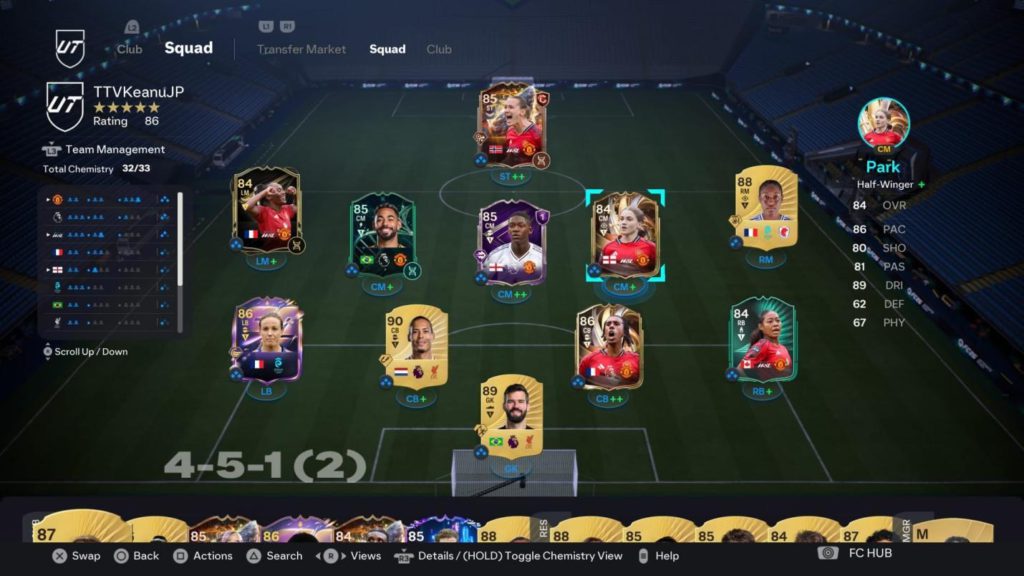
You will see the same lanes again and again. Repetition is the point.
- The drag-touch cutback
Receive with an inside forward at the top of the box, drag touch inside to freeze the fullback, then slip a ground pass to the striker or the far winger for a tap-in. Timing is everything. Trigger your striker with L1 or LB before the touch so he attacks the six-yard line. - The back-post diagonal
From the right side, play one-twos until the fullback turns his hips. Use a driven cross or a low pass across the goal to the left winger. This is the reason the left mid needs Composure and Finishing, not just pace. - Late finesse from the box-to-box
If the opponent parks the bus, recycle to the central mid and look for a curling shot at the D. Shot cancel once to release space, then green-time a finesse. The 4-5-1 keeps that player unmarked more often than you think. - Bounce to the False Nine
If you choose False Nine, the striker drops between the lines, pulls a center-back, and frees the far inside forward. Pass into feet, heel-to-heel or ball roll to face forward, and slip the winger. Simple and reliable.
Defensive habits that make the shape shine

- Shadow the first pass, not the ball carrier. With three mids, you can stand in lanes rather than diving into tackles.
- Right stick switch early. Move the weak-side winger into a narrow spot before the pass travels. That extra body blocks the recycled cutback.
- Manual goalkeeper at the near post. The meta loves near-post power shots. Step one yard off the line and cover that angle.
- Do not pull both fullbacks. If you chase with one, leave the other on the line to defend the switch.
Two situational tweaks that help in close games
- Chasing a goal
Change your striker to False Nine, raise depth to 55, and switch chance creation to Forward Runs for ten minutes. Your inside forwards will burst behind more aggressively. - Protecting a lead
Drop width to 40 and depth to 35, move your central mid to Stay Back, and call short from goal kicks. The opponent will start forcing passes into your block.
Common mistakes and quick fixes
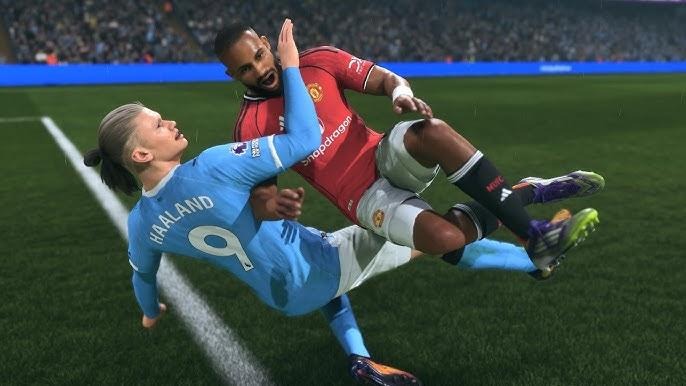
- Problem: The winger never shows for the pass.
Fix: Do not sprint at him. Release sprint a stride early and use a pass cancel to keep the defender guessing. Inside forwards make better angles when you slow down first. - Problem: sterile possession with no shot.
Fix: trigger one manual run per attack. The moment you cue a run, defenders reshuffle. That is when the passing lane appears. - Problem: getting countered after corners.
Fix: leave both fullbacks back and set one central mid to Stay Back on set pieces. The 4-5-1 already gives you numbers forward. - Problem: striker marked out of the game.
Fix: Try False Nine for fifteen minutes. Two touches into feet, and a quick layoff will drag a center-back out of line, opening the classic cutback.
Player shopping list by budget
- Budget striker
Strong runner with at least a four-star weak foot and a finishing playstyle. Pace over strength in this patch. - Premium striker
Five-star weak foot, good balance, and Trivela or Finesse. Can play Advanced Forward or False Nine without a drop in output. - Budget inside forwards
Light on their feet, first step acceleration, and a reliable finesse animation. Crossing is a nice extra but not essential. - Premium inside forwards
Five-star skill moves or five-star weak foot, both if you can stretch the coins. Aerial ability helps with the back-post diagonal. - Midfield trio
One passer with Vision, one runner with Intercept and Long Ball Pass, one hybrid who can finish from the edge. - Fullbacks
Pace and positioning first. If they also have Long Throw or Block, even better.
Practice plan that actually helps
- Spend ten minutes in skill games rehearsing the drag-touch cutback. Set up a cone for the top of the box and work on turning into the lane without sprinting.
- Scrim two Rivals matches where you trigger a manual run on every single attack, even when it looks silly. The point is to make the input automatic.
- Play one game where you never pull both fullbacks at the same time. Review the replay to see how many counters simply disappear.
When to switch to 4-2-3-1 wide
If you want more variety and a little more fun, move to 4-2-3-1 wide against deep blocks. You keep most of the defensive security, gain a proper central CAM for wall-passes, and your wide players sit even higher. Use it when matches feel stuck on rails. Switch back to 4-5-1 once you take the lead.
Final word
The 4-5-1 will not make you fall in love with soccer, but it will win you matches. Keep the fullbacks at home, let the three central mids do the dirty work, and repeat the same few patterns until your opponent blinks. On this patch, that is enough. If you want a shape with more personality, run 4-2-3-1 wide on your second game plan, and you will feel the difference the moment your wingers start pulling fullbacks around.