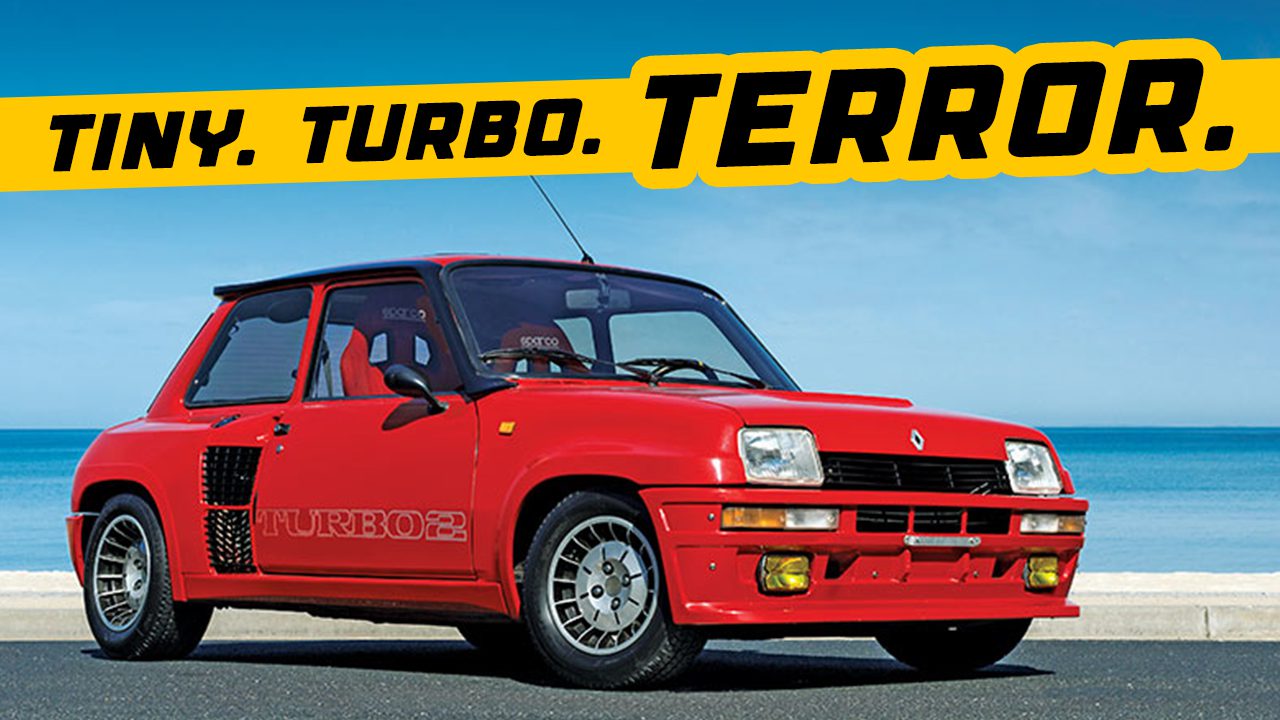
The 1980s delivered cocaine, Miami Vice, and cars that should’ve been bigger than parachute pants—but weren’t. Some metal from that decade deserved way more love than it got. These weren’t just rides; they were boundary-pushing experiments, kind of like that perm you thought was a good idea back then. From rally rockets to Italian-designed oddballs, this list skips the Ferraris for unsung heroes—the automotive equivalent of finding a mint Thriller jacket at a thrift store. Buckle up and rediscover the forgotten rides that prove the ’80s had more going for it than just leg warmers.
1. Isuzu Impulse Turbo (Exterior)
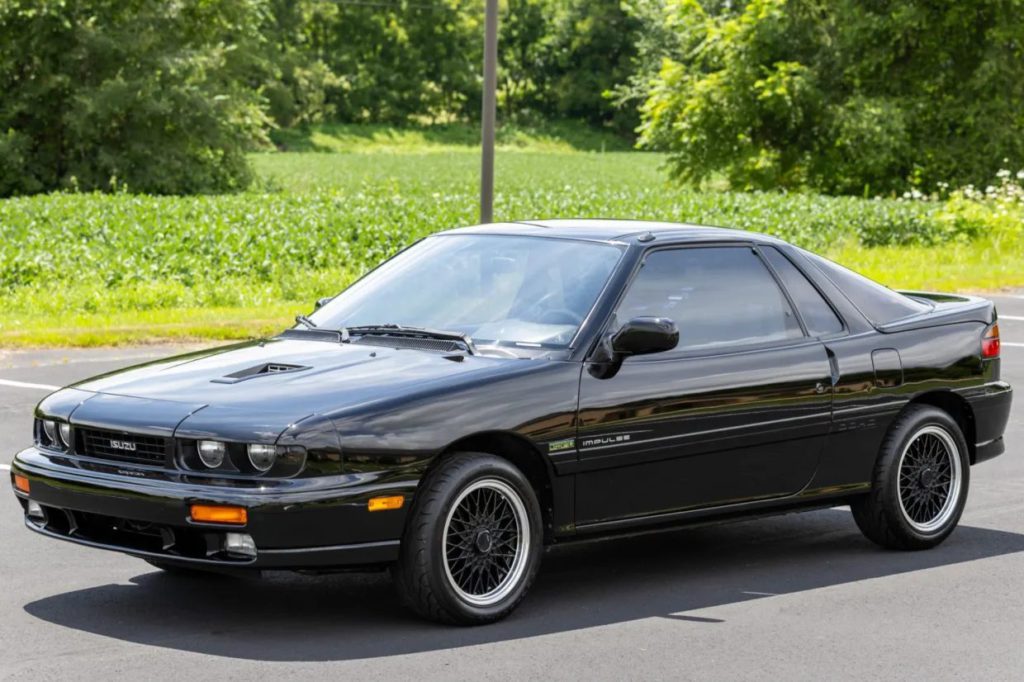
What happens when Italian design meets Japanese reliability with a dash of British handling wizardry.
Giorgetto Giugiaro styled the Isuzu Impulse Turbo, giving it lines sharper than Lizzo’s comebacks. But it wasn’t just a pretty face; Lotus massaged the suspension. The result? A sport coupe that carved corners like a seasoned chef.
Isuzu Impulse Turbo (Interior)
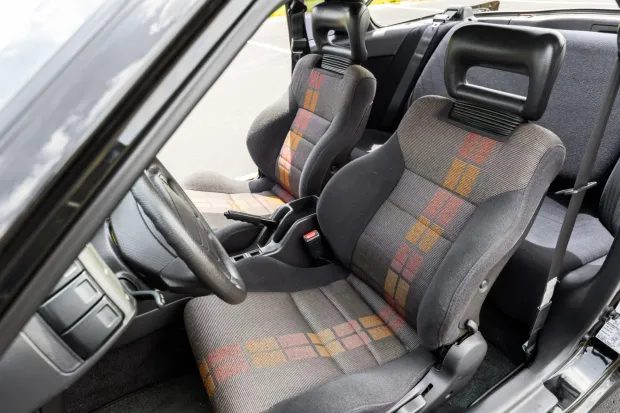
This car also boasted a 1.6L turbo engine, pushing out 140 hp, plus a digital dash, and even tire pressure monitoring—fancy for the ’80s. With only about 4,000 imported to the US, finding one today is harder than spotting a sober Kardashian. If you snag one, you’re not just buying a car but also investing in a conversation starter that screams, “I appreciate obscure brilliance.”
2. Mitsubishi Starion ESI (Exterior)
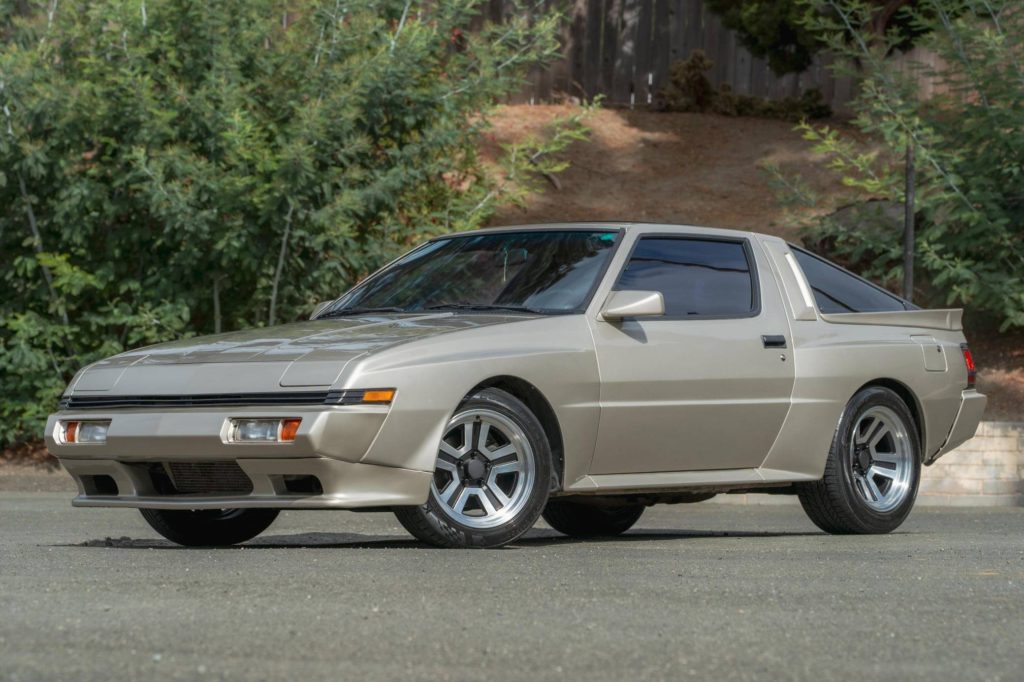
The widebody warrior that could adjust its attitude with the twist of a knob.
Less than 35,000 Starions found buyers in North America over its 8-year run, which is a damn shame. Picture a confused shopper thinking the Mitsubishi Starion ESI was a rebadged Chrysler Conquest. It wasn’t—Mitsubishi’s sports coupe boasted a macho design and a turbocharged 2.6L engine that cranked out 188 hp. Plus, the suspension was adjustable, something you didn’t see every day unless you were rolling in a Porsche.
Mitsubishi Starion ESI (Interior)
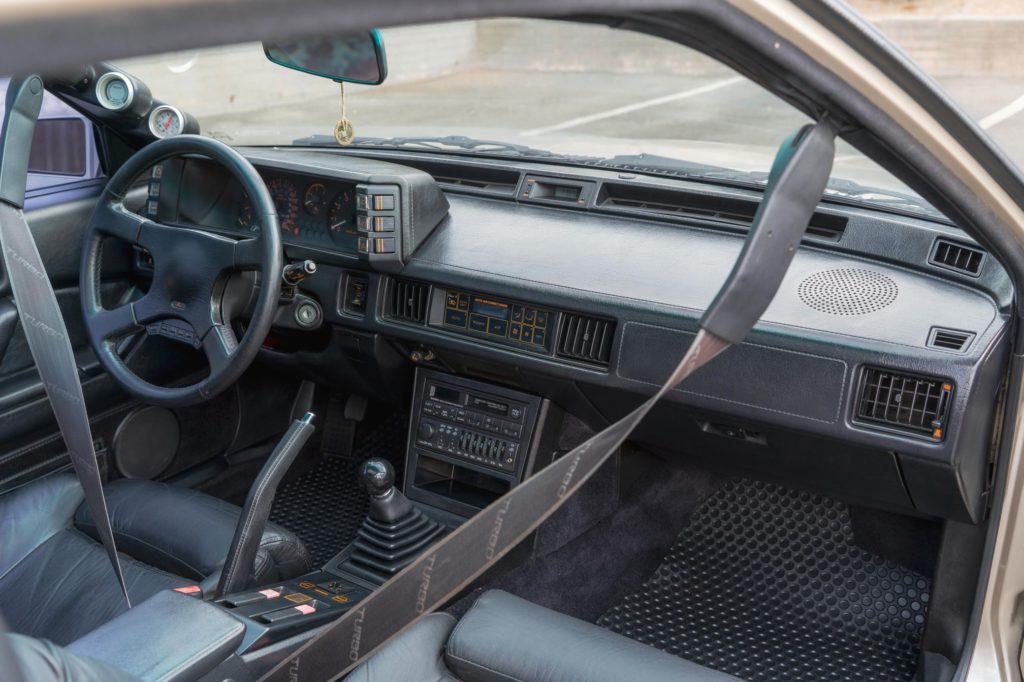
The widebody ECR model added 5 inches of pure, unadulterated swagger. You could even tweak the suspension settings to soft, medium, or firm, depending on how much your dentist hated you. It was supposedly quick, too, running the quarter mile in 15.2 seconds. Sure, reliability could be a gamble, but when it ran, it was a damn fun ride.
3. Merkur XR4Ti (Exterior)
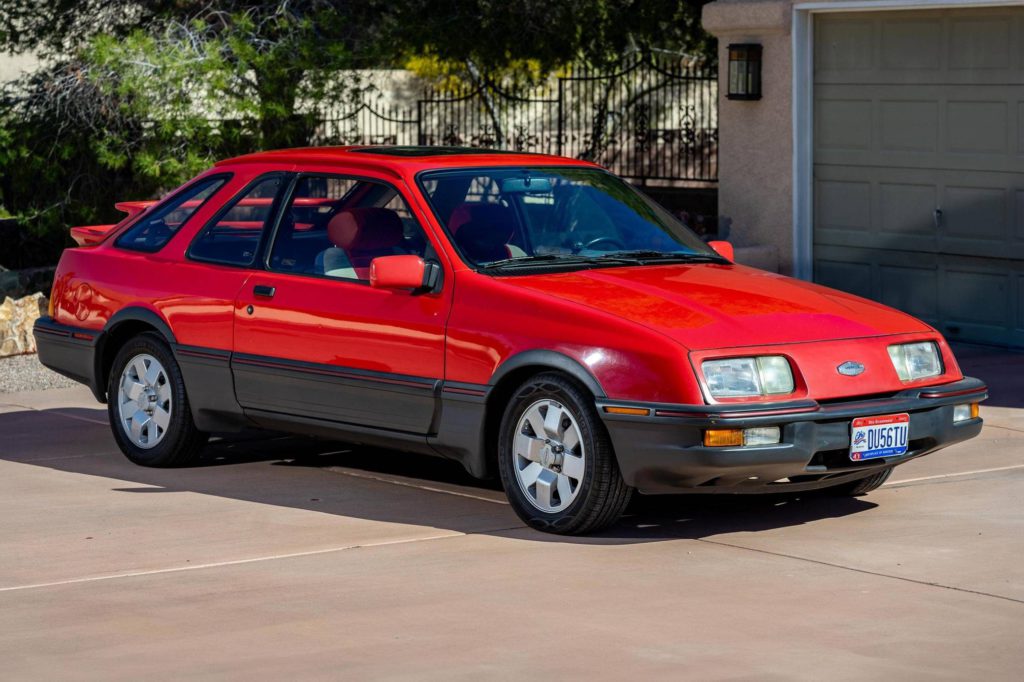
Ford’s German-engineered answer to BMW that wore a biplane spoiler like a fashion statement.
Sure, the biplane rear spoiler looked like it was trying too hard, but you can’t fault Ford for importing the Sierra XR4i to the US as the Merkur XR4Ti. Anyone who wanted a German-engineered BMW-fighting chassis got their wish. The 2.3L turbo four, paired with the 5-speed manual, made every commute a little more interesting, hitting a 130 mph top speed when no one was looking.
Merkur XR4Ti (Interior)
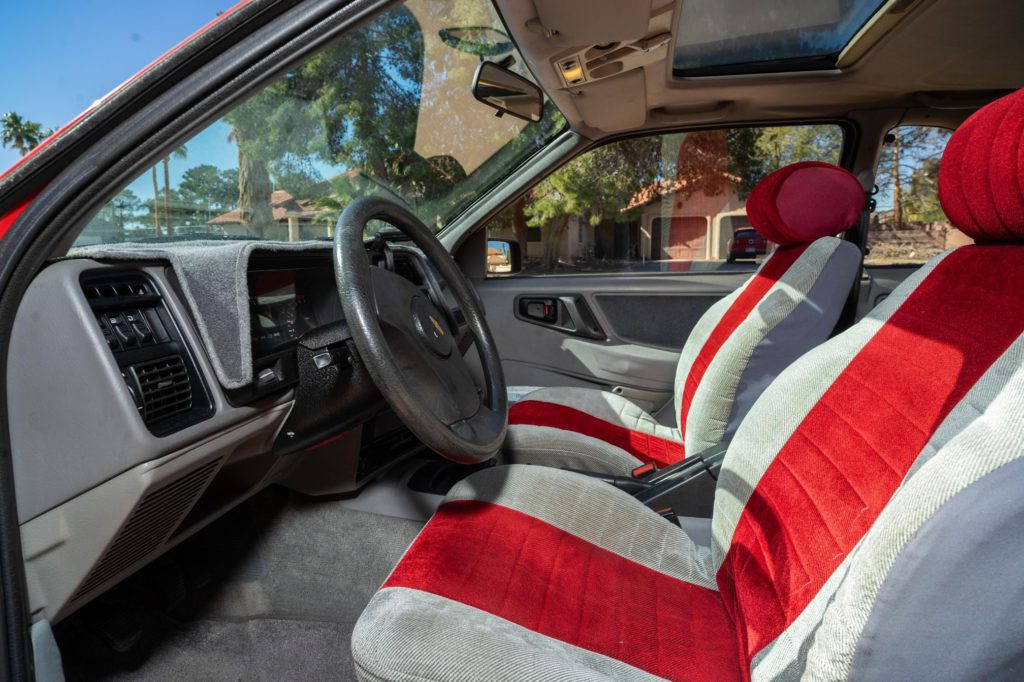
Too bad the branding fell flatter than day-old beer. Maybe that’s why only about 42,000 found homes stateside. Still, that turbo-charged European driving dynamic made it feel less like commuting and more like auditioning for Miami Vice. The XR4Ti wasn’t just a car; it was a statement—even if no one quite understood the question.
4. Dodge Daytona Shelby Z (Exterior)
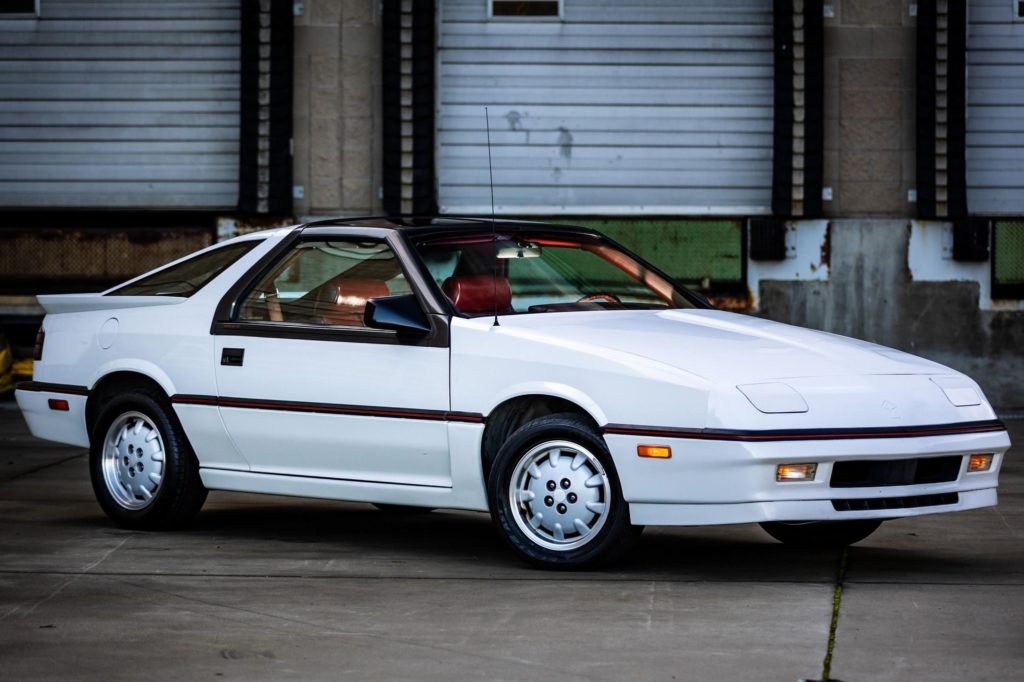
Carroll Shelby’s proof that front-wheel drive could deliver legitimate thrills without apology.
Front-wheel drive can’t be sporty, right? Some muscle car guys found it hard to believe—until they met the Daytona Shelby Z. Developed with Carroll Shelby himself, this turbo coupe proved that the drive wheels don’t define the fun. Tuned suspension delivered 0.88g on the skidpad, adjustable Koni shocks let you dial in the ride, and a limited-slip diff helped put the 2.2L turbo’s 174 horsepower to the ground.
Dodge Daytona Shelby Z (Interior)

For under $15,000, you got a machine that could hustle from 0 to 60 in 7.5 seconds and nail the quarter mile in 15.6. Sure, it wore a Dodge badge, not a Pony Express logo, but after one drive, even diehard V8 fans had to tip their caps. Respect is earned, not given—and the Shelby Z earned it the hard way.
5. Toyota Celica All-Trac Turbo (Exterior)
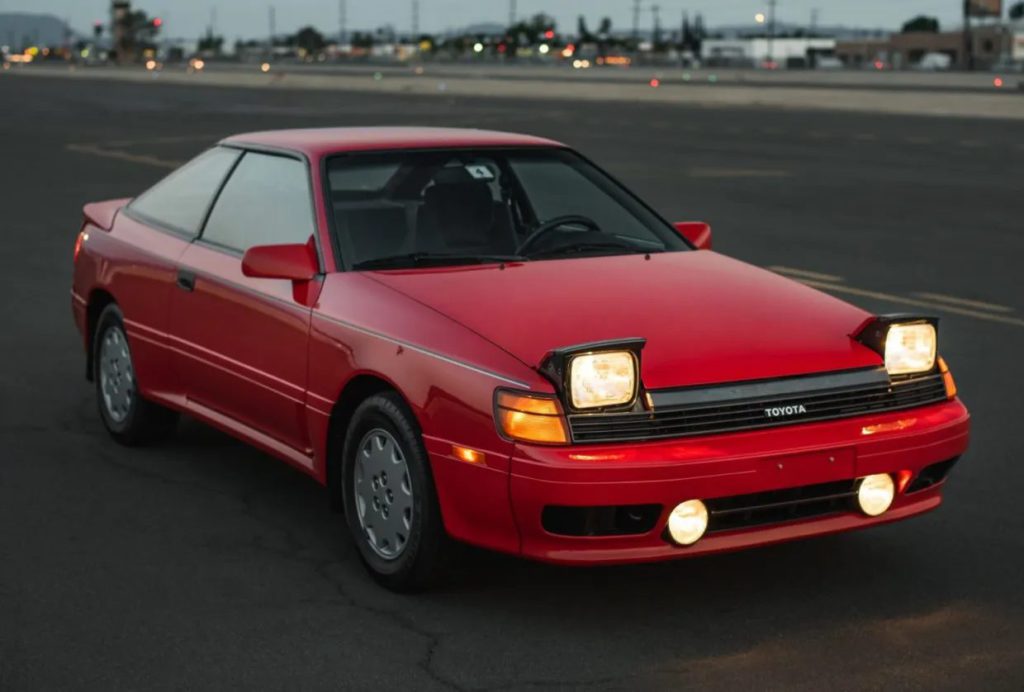
Rally-bred engineering disguised as your neighbor’s sensible coupe.
Remember when rally cars were just regular cars on steroids? Toyota’s Celica All-Trac Turbo was their steroid-infused street machine with a rally pedigree, not just some poser with a spoiler. Thanks to homologation rules, you could experience rally-level engineering on your way to Costco.
Toyota Celica All-Trac Turbo (Interior)
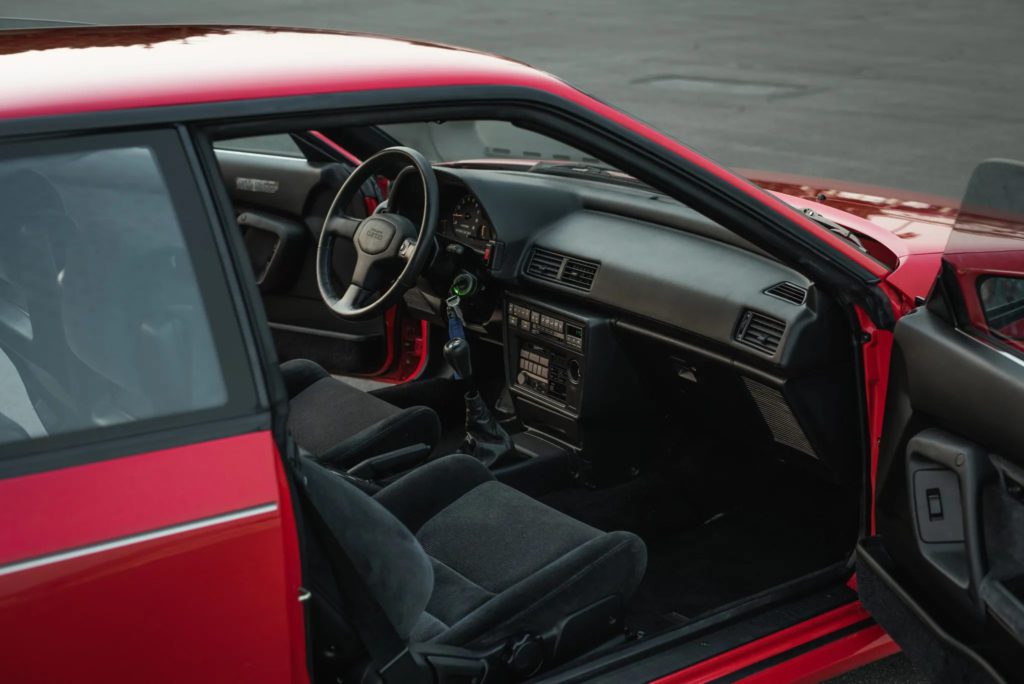
Picture trying to navigate a blizzard in a Camry—now imagine permanent all-wheel drive and a 2.0L turbo kicking out 190 horsepower. That’s what the Celica All-Trac Turbo delivered. You could hit 60 in 7.7 seconds, which might not win any drag races, but the subtle hood scoop and everyday styling made it the ultimate sleeper. Despite selling just over 8,000 units in the US, it delivered understated performance that flew under the radar.
6. Buick Grand National GNX (Exterior)
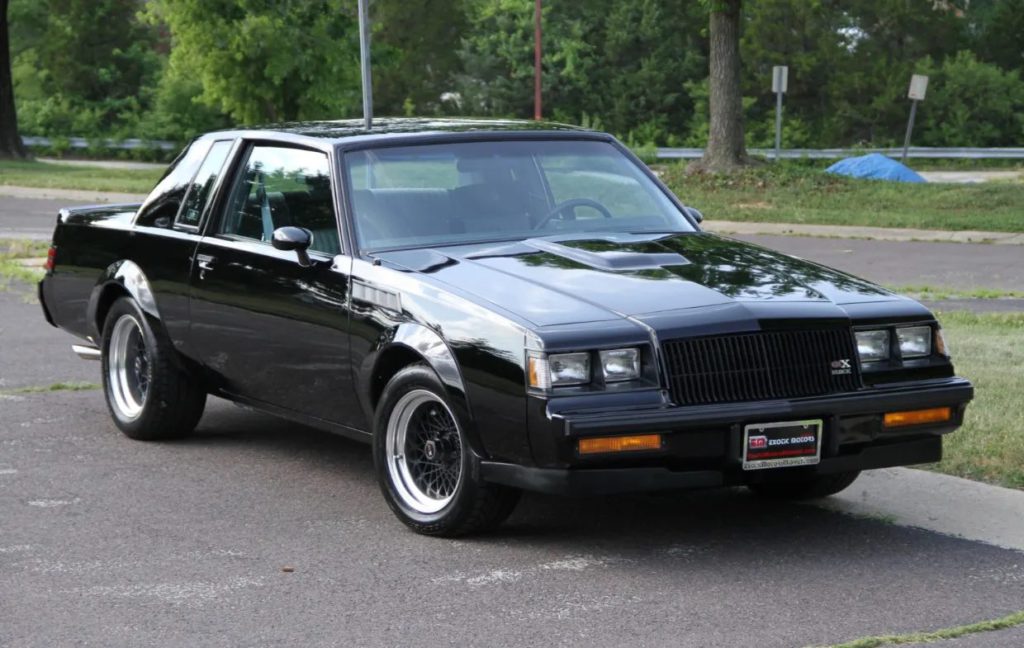
The gym teacher who secretly bench-pressed a school bus—in a three-piece suit.
Picture pulling up to a stoplight in your run-of-the-mill ride, feeling smug until that Buick rolls up. The Grand National GNX was automotive stealth mode. Co-developed with ASC McLaren, this ride packed a 3.8L turbo V6 punching out at least 276 hp, though rumors swirl that it was even higher.
Buick Grand National GNX (Interior)
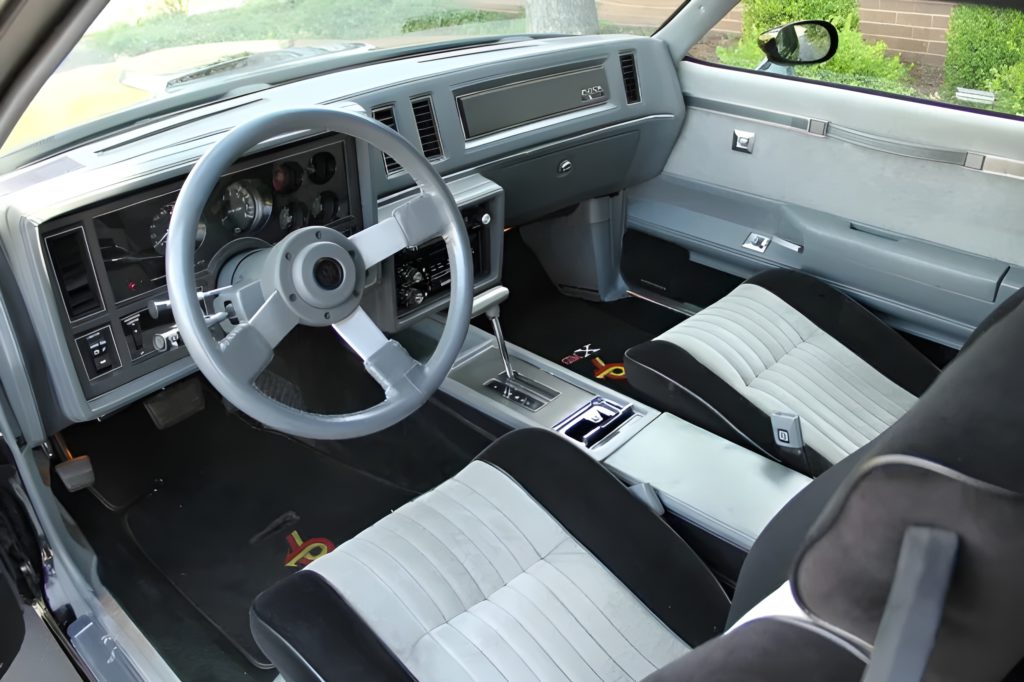
The real kicker? It did 0–60 in 4.6 seconds and blasted through the quarter mile in 13.4 seconds at 104 mph. For a Buick, that’s like finding out your grandma moonlights as a cage fighter. With only 547 made, spotting one today is rarer than finding a decent avocado at the grocery store. If it was underrated then, appreciation for its straight-line prowess is now on a sharply upward trajectory.
7. Porsche 944 Turbo S (Exterior)
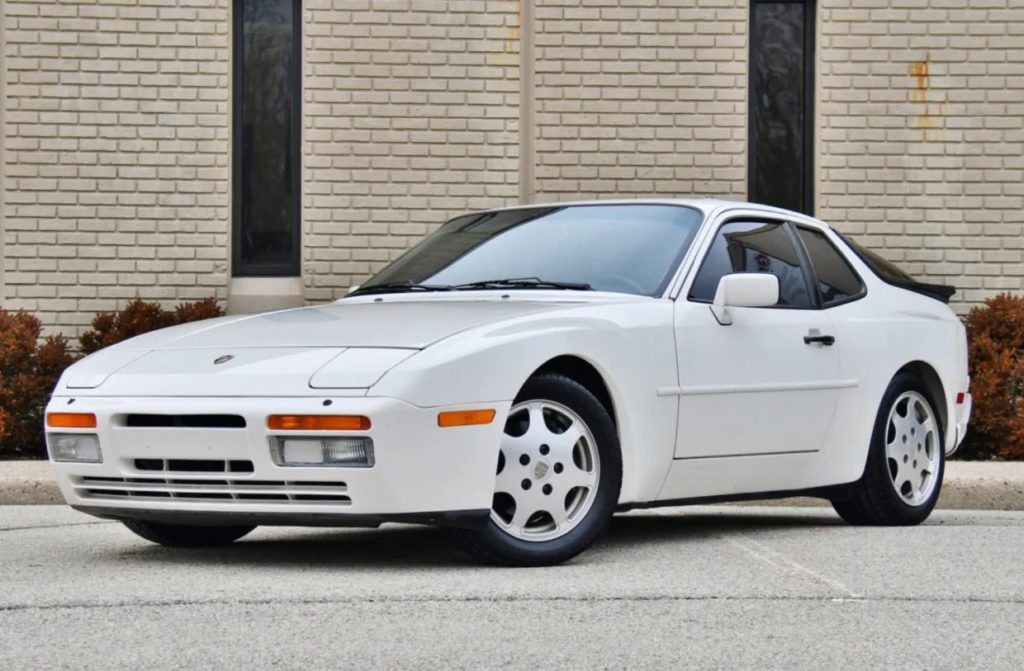
The balanced performer that proved you didn’t need a flat-six to earn Stuttgart respect.
With 247 horsepower on tap from its 2.5L turbocharged engine, the Porsche 944 Turbo S wasn’t just a looker; it was a contender. Boasting 258 lb-ft of torque and a 50/50 weight distribution thanks to its transaxle layout, this Porsche was balanced like a tightrope walker, unlike some other rear-heavy models from Stuttgart. Autocross this thing for the first time, and it’s like discovering your accountant can moonwalk.
Porsche 944 Turbo S (Interior)
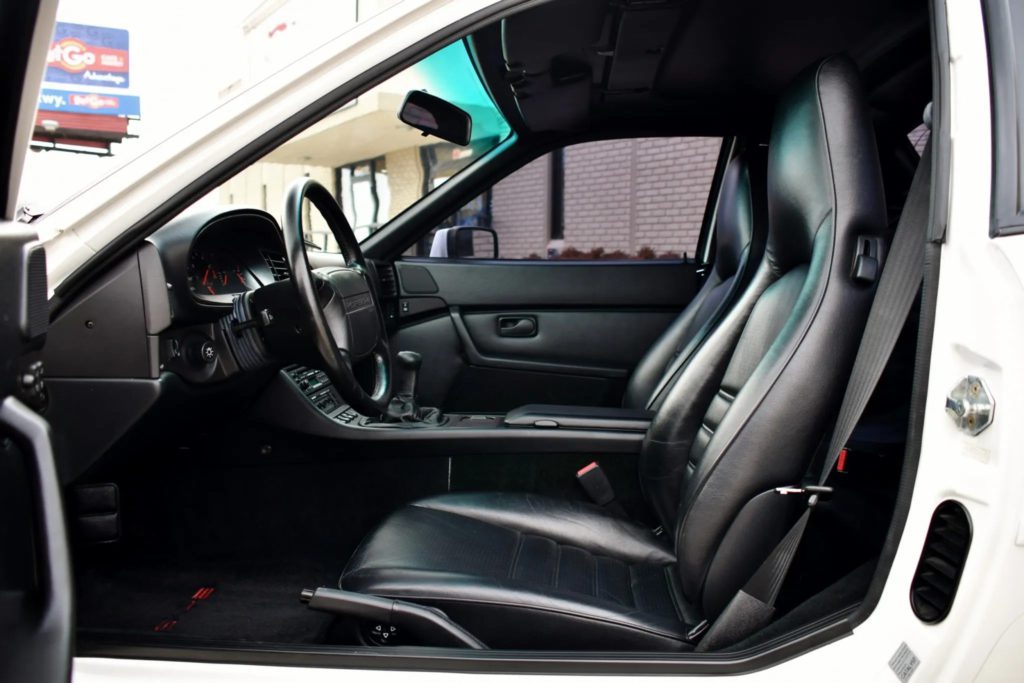
Hitting 60 mph in 5.5 seconds with a top speed of 162 mph, the 944 Turbo S gave even its bigger brother, the 911, a run for its money. With only about 1,000 making it stateside, it was rarer than a sober Real Housewife. So why wasn’t it a bigger deal? Maybe enthusiasts just couldn’t get past the non-flat-six engine. Engineering-wise, the 944 was always the smart play—a lesson in how to build a sports car that doesn’t constantly try to kill you.
8. BMW M5 (E28) (Exterior)
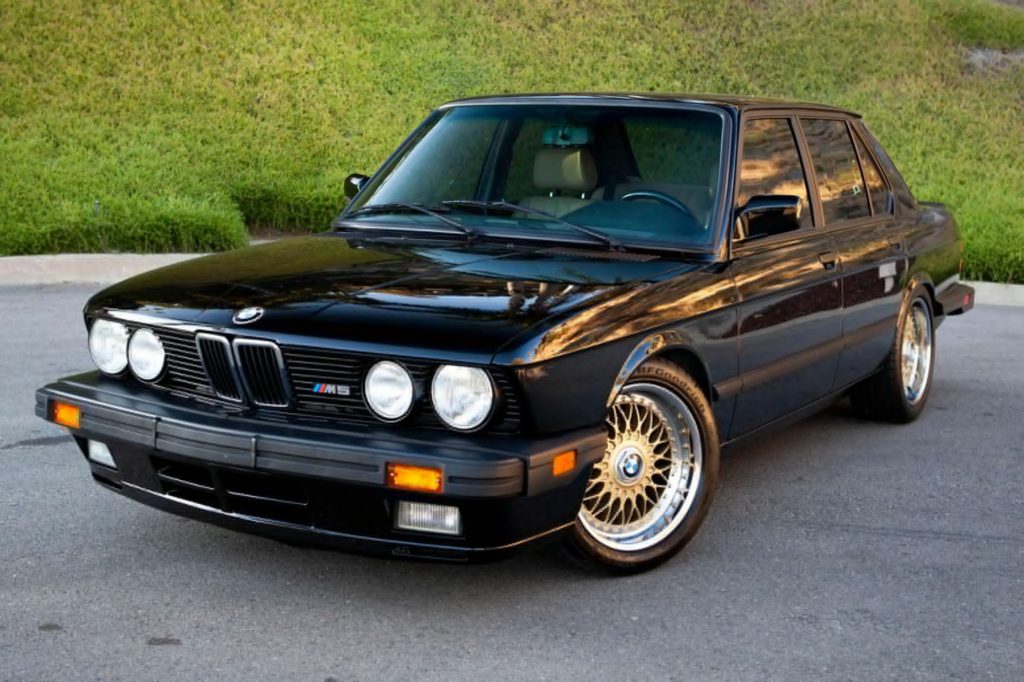
The original “super sedan” that looked like a tax accountant’s ride until you floored it.
Picture dropping your grandma off at bingo in something that looks like a tax accountant’s daily driver. Until you floor it, that is. The original “super sedan,” the E28 M5 packed a 3.5L inline-six with 256 horsepower.
BMW M5 (E28) (Interior)
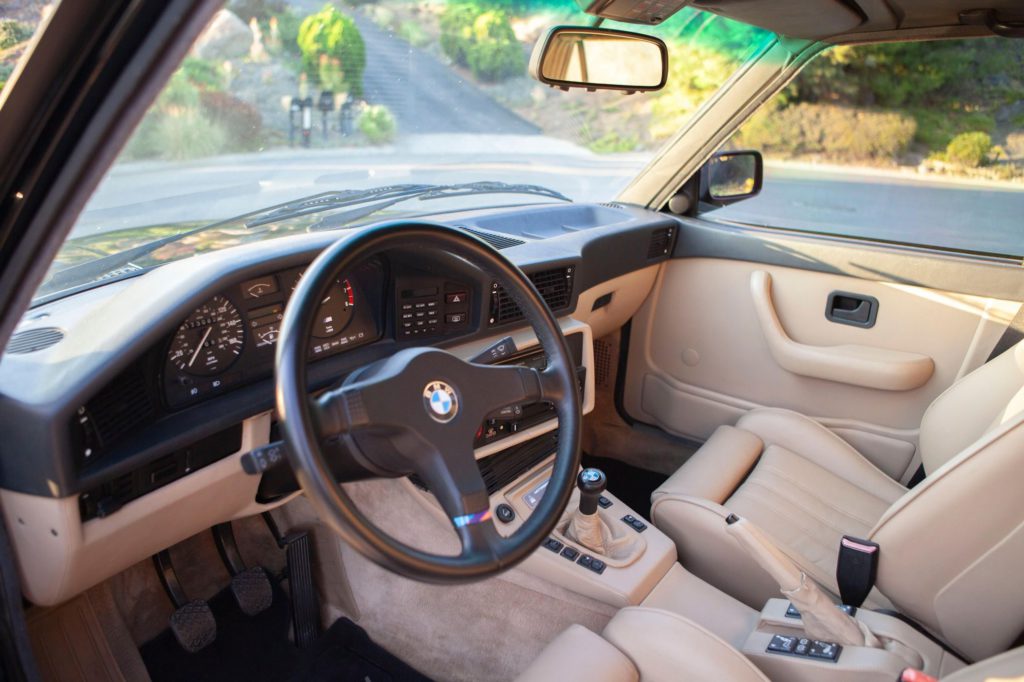
It came with a manual transmission, naturally. With a top speed of 150 mph and a 6.5-second sprint to 60, it’s a four-door sleeper that retailed for around $47,500. Fewer than 1,200 made it to North America, each handbuilt and signed by BMW M mechanics. This M5 set the bar for blending unassuming looks with straight-up hooligan performance.
9. Lancia Delta HF Integrale (Exterior)
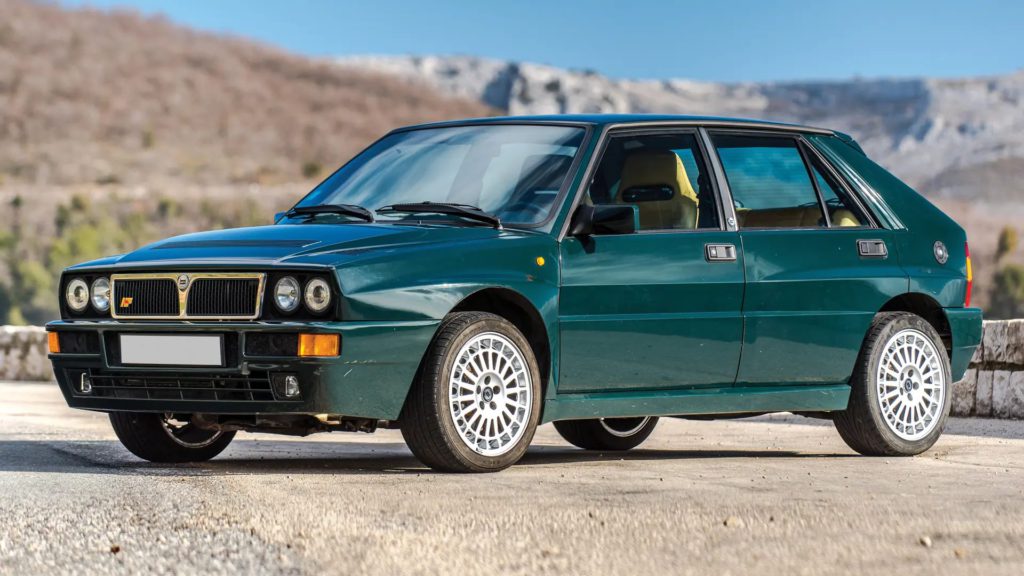
Six consecutive World Rally Championships don’t lie—this Italian stallion owned the dirt.
Six consecutive World Rally Championships isn’t a fluke; it’s dominance. Lancia’s Delta Integrale, packing a 2L turbo making 185 horsepower, was a beast on dirt. With all-wheel drive and those box flares that scream “rally,” this Italian stallion should have been a household name in the US. Unfortunately, Lancia bounced from the American market before this legend hit its stride.
Lancia Delta HF Integrale (Interior)
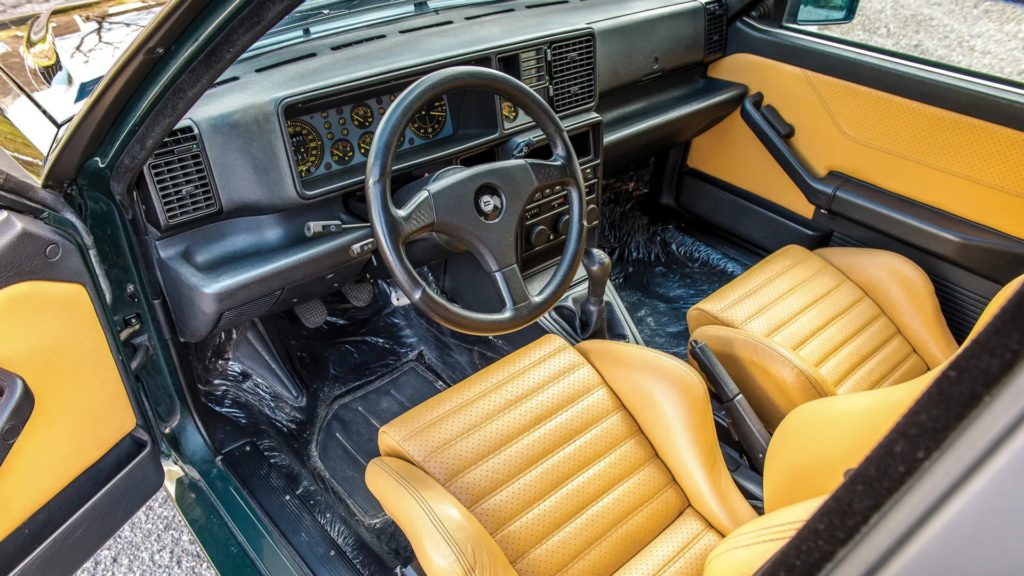
Anyone who’s ever tried to import a grey-market car knows the pain. Despite the hassle, it’s worth it. You’re getting a piece of rally history—a machine built to conquer any terrain. This thing wasn’t just winning rallies; it was embarrassing the competition.
10. Renault 5 Turbo 2 (Exterior)
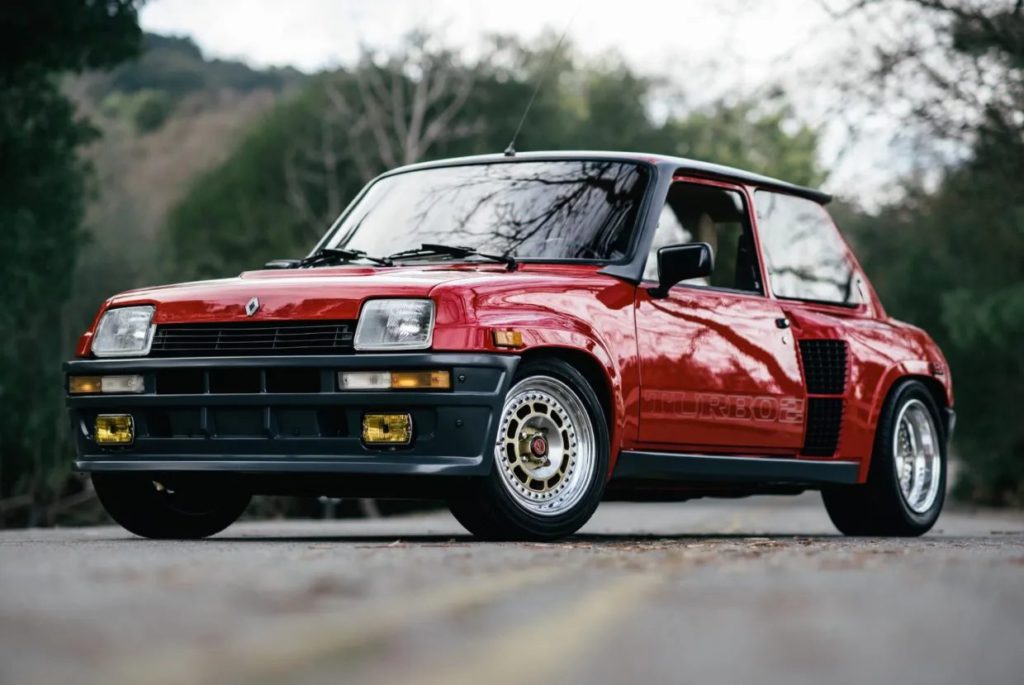
A hand-built rocket that proved French engineering could deliver visceral thrills.
Watch Renault 5 Turbo 2 values skyrocket in the next decade—thanks to the rally pedigree and driving purity enthusiasts are finally waking up to. That’s a hell of a glow-up for what started as an “affordable” version. The fact that the Turbo 2 remained hand-built lends to the old-school visceral experience.
Renault 5 Turbo 2 (Interior)
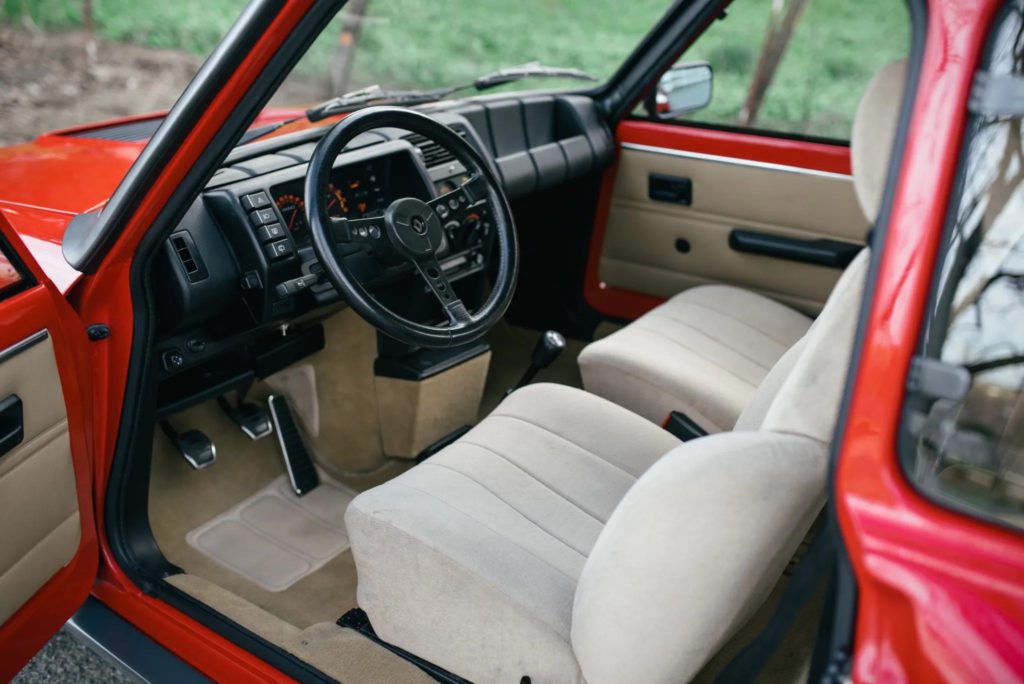
Consider this: a 1.4L turbo pumping out 160 horsepower in something that weighs about 2,000 lbs? Zero to sixty in 6.5 seconds means you can embarrass a lot of modern cars. Plus, the mid-engine layout and steel doors are peak 80’s excess. Who needs subtlety when you’ve got turbo lag and a prayer?