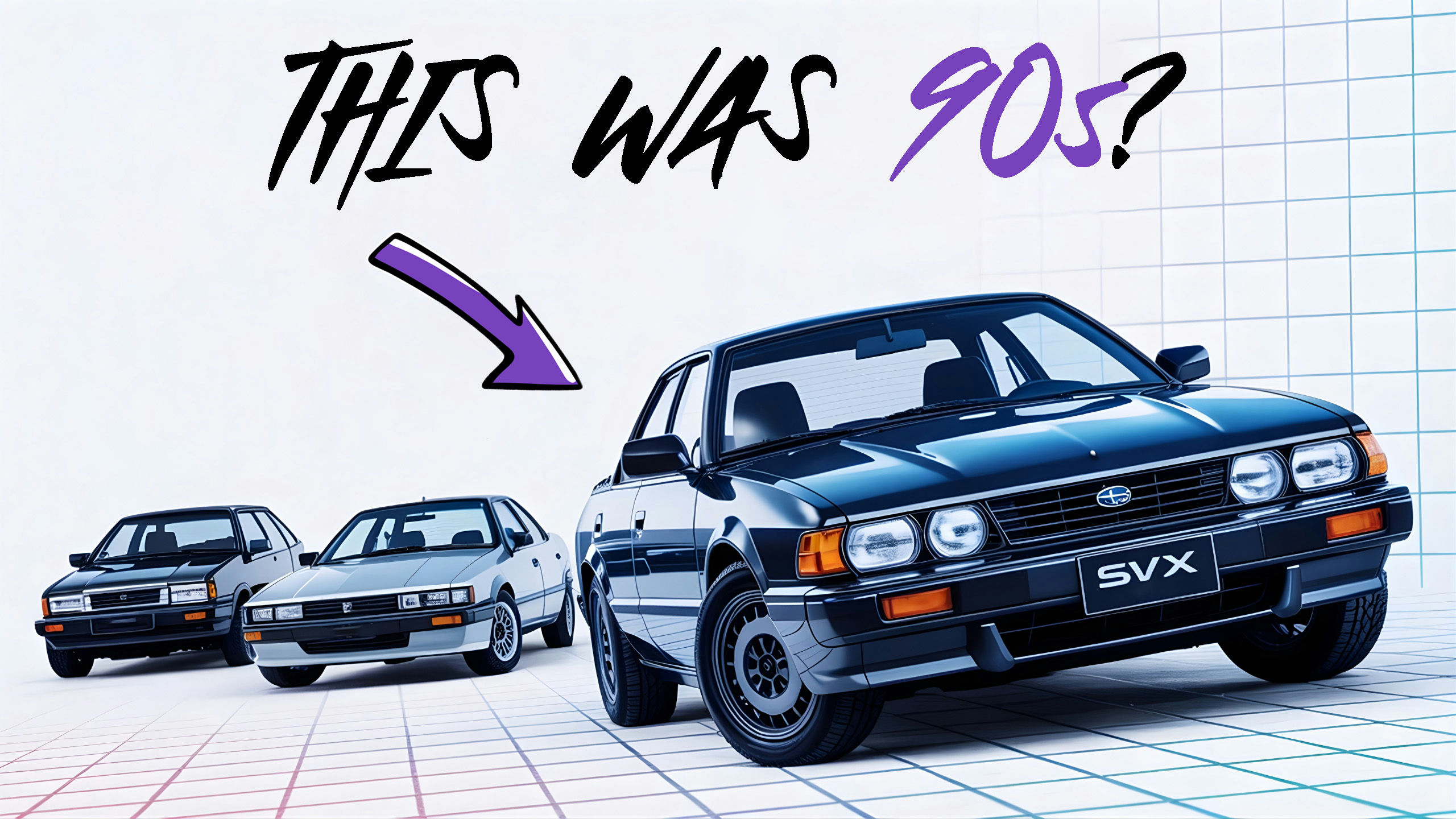
The ’90s delivered peak grunge, questionable fashion choices, and a surprising number of cars that were way ahead of their time. Think of them as the automotive equivalent of that one friend who was rocking crypto in 1998: visionary, but a bit early to the party. This deep dive into the decade of dial-up and discmans unearths vehicles that pushed boundaries with tech, style, or sheer audacity. From rally icons to luxury oddities, these rides were diamonds in the rough, overshadowed at the time but shining brightly today.
7. Isuzu VehiCROSS (Exterior)
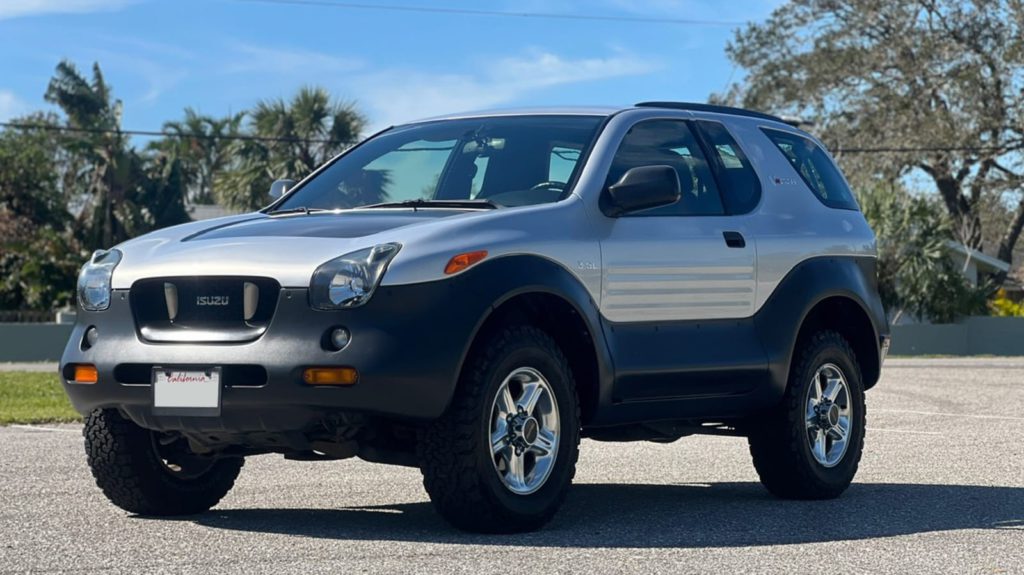
A compact SUV that looked like it was designed by a committee of robots but could climb rocks like a mountain goat.
Why did Isuzu make a compact SUV that looked like it belonged on a movie set? The VehiCROSS, sold from 1997–2001, combined angular styling with genuine off-road chops, sort of like if a UFC fighter wore a designer suit to a monster truck rally. Its polarizing design wasn’t for everyone, but its Torque-On-Demand four-wheel drive system and mono tube shock suspension meant it could climb rocks while looking futuristic.
Isuzu VehiCROSS (Interior)
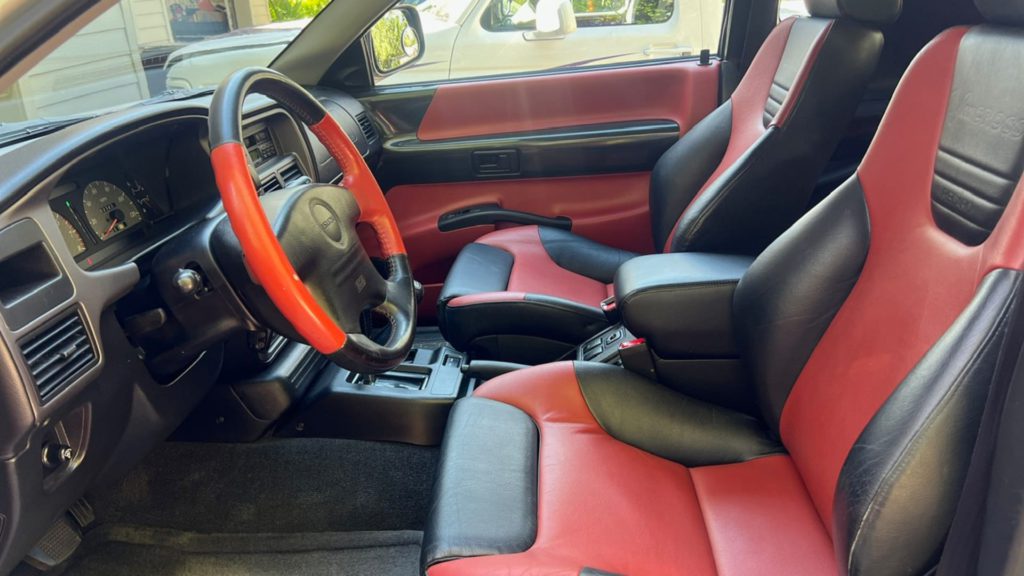
Picture this: navigating a rocky trail, ceramic titanium wheels grinding against terrain, but inside, you’re vibing in a “fighter jet” cockpit. Fewer than 6,000 of these oddballs were ever unleashed worldwide, meaning finding one today is like spotting a unicorn at a used car lot. In a future obsessed with boring crossovers, the VehiCROSS might just be the quirky, capable antidote you never knew you needed.
6. Mazda Millennia (Exterior)
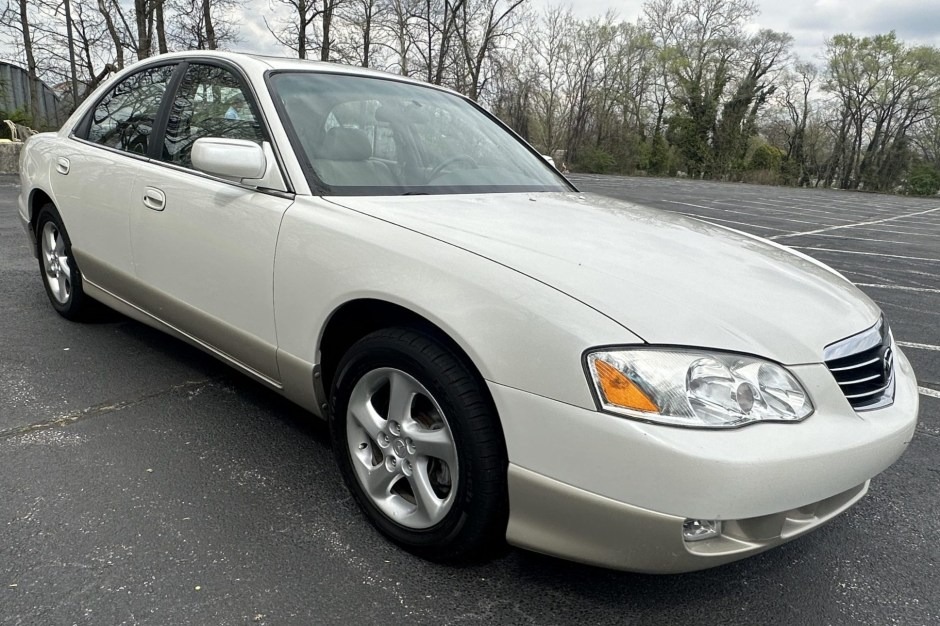
Before Tesla decided to slap solar panels on everything, this sedan was already soaking up rays.
The Mazda Millennia wasn’t just a sedan; it was a peek into a future where luxury met legit engineering innovation. Imagine cruising down the street, your sunroof silently ventilating the cabin while everyone else is sweating through their leather seats. That’s some Bond villain-level cool, minus the global domination plans.
Mazda Millennia (Interior)
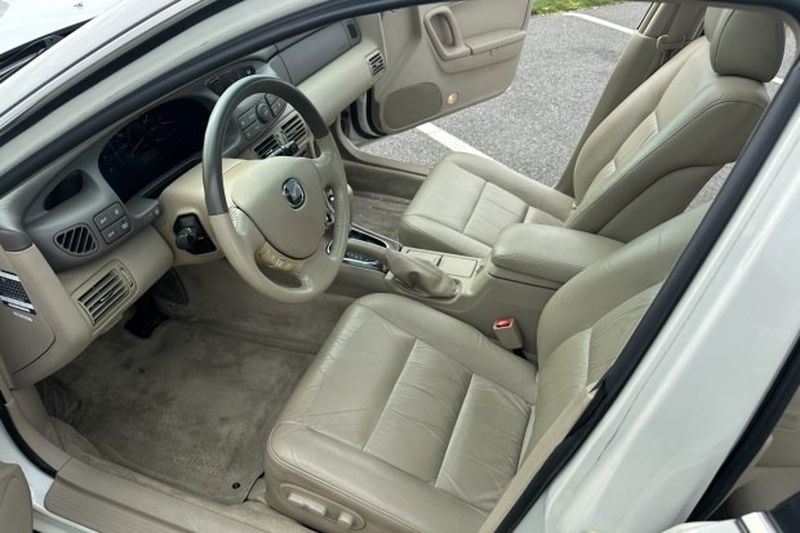
Inside, the Millennia spoiled you with a gorgeous interior, which made daily commutes feel like a first-class upgrade. The real kicker was under the hood: a Miller cycle supercharged V6 engine. (For those not fluent in gearhead, that means more efficient power.) Plus, Mazda’s E-Link suspension actually worked against torque steer. Too bad this tech marvel didn’t resonate with mainstream buyers, because the Millennia had that “stop and stare” quality that could have made it a legend.
5. Eagle Talon TSI AWD (Exterior)
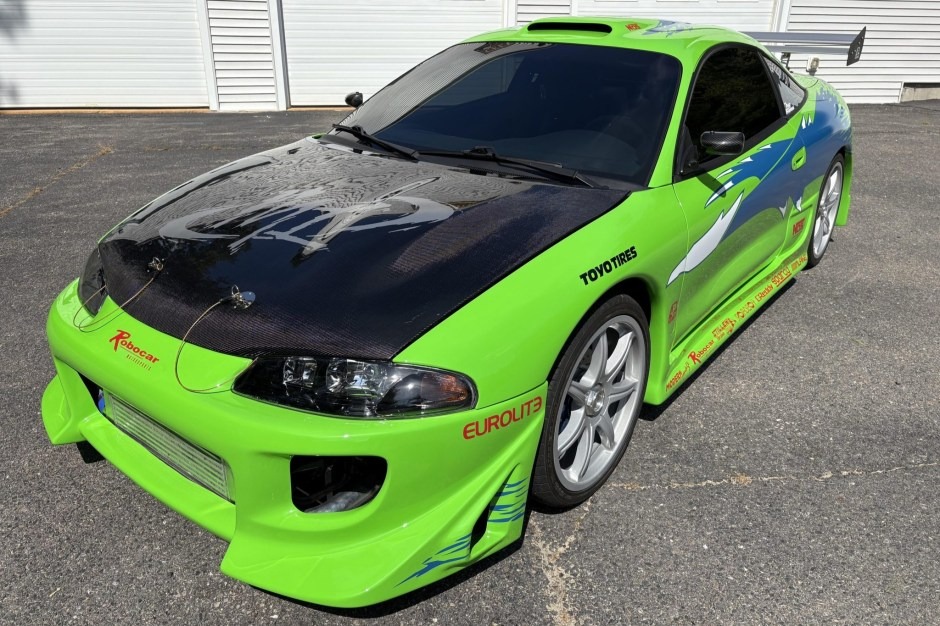
Sharing DNA with its Mitsubishi Eclipse twin, this was your sleeper for smoking BMWs on half the budget.
Hoping to smoke that dude in the BMW M3 but only had half the budget? The Eagle Talon TSI AWD was your answer. Its turbocharged 2.0L 4-cylinder, cranking out 195 horsepower, made it quicker than that Bimmer, and the all-wheel drive meant you could actually use it in the wet. Imagine the look on their face.
Eagle Talon TSI AWD (Interior)
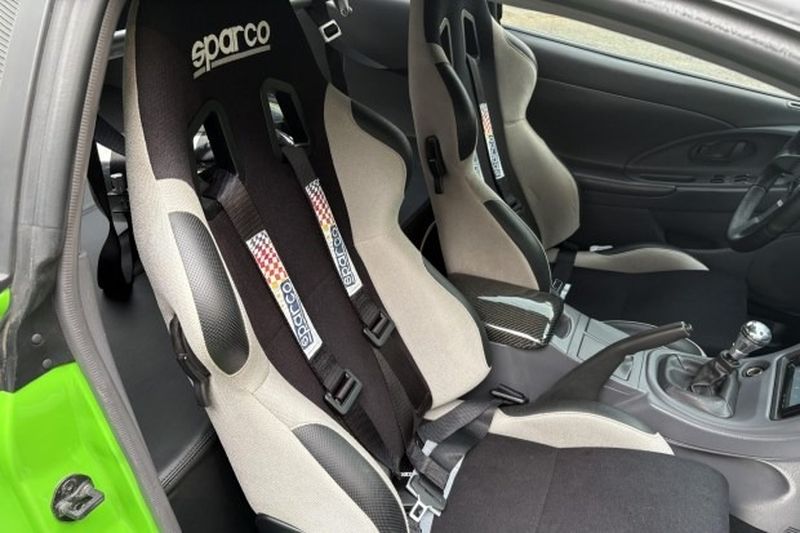
Forget “basic transportation”; this thing was a blank canvas for gearheads. Thanks to its robust 4G63 engine, tuning potential was through the roof. Sure, it lacked the Eclipse’s movie star glam, but that just made it the anti-hero of affordable speed—a budget rocket disguised as your neighbor’s ride. Who needs a pedigree when you can build a legend?
4. Volkswagen Corrado VR6 (Exterior)
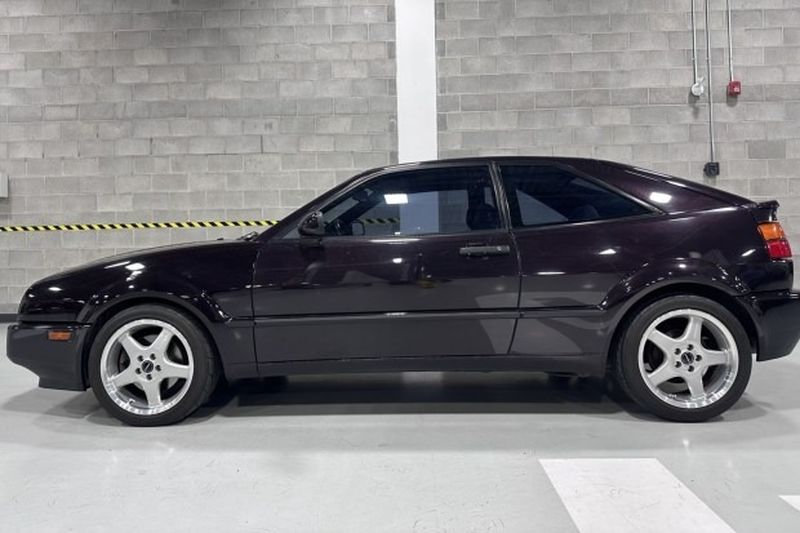
VW gave this thing legit sports car DNA with a narrow-angle VR6 engine and automatically adjusting rear spoiler.
The Corrado hit U.S. roads in limited numbers, which is a shame, since VW gave this thing legitimate sports car DNA. The narrow-angle VR6 engine, a marvel of engineering, delivered power smoothly, while the automatically adjusting rear spoiler made sure you weren’t airborne at highway speeds. Add exceptional handling and solid German build quality, and you had a recipe for a future classic.
Volkswagen Corrado VR6 (Interior)
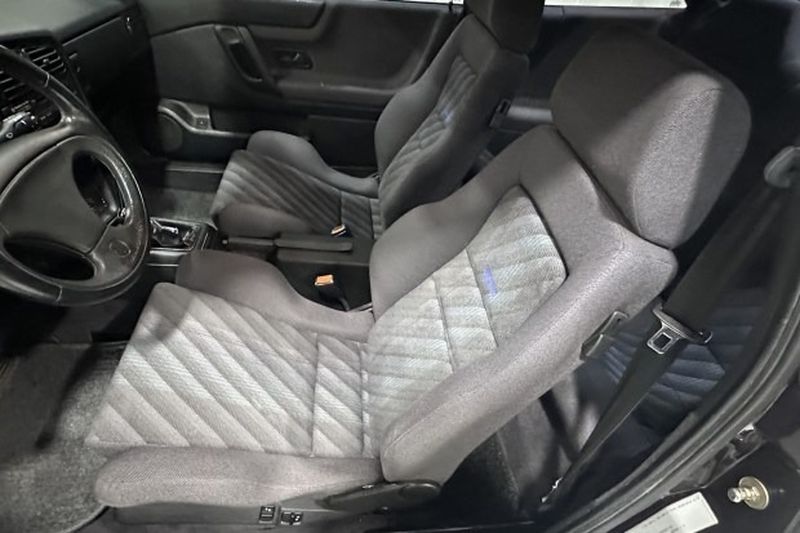
Imagine ripping through canyon roads, the spoiler adjusting as you carve corners, the VR6 singing its unique song, and the kind of visceral response you’d expect from Porsche—not your buddy’s Golf. It’s like VW built a stealth fighter disguised as a hatchback. Anyone who’s driven one knows the feeling: finding its limits was half the fun.
3. Merkur XR4Ti (Exterior)
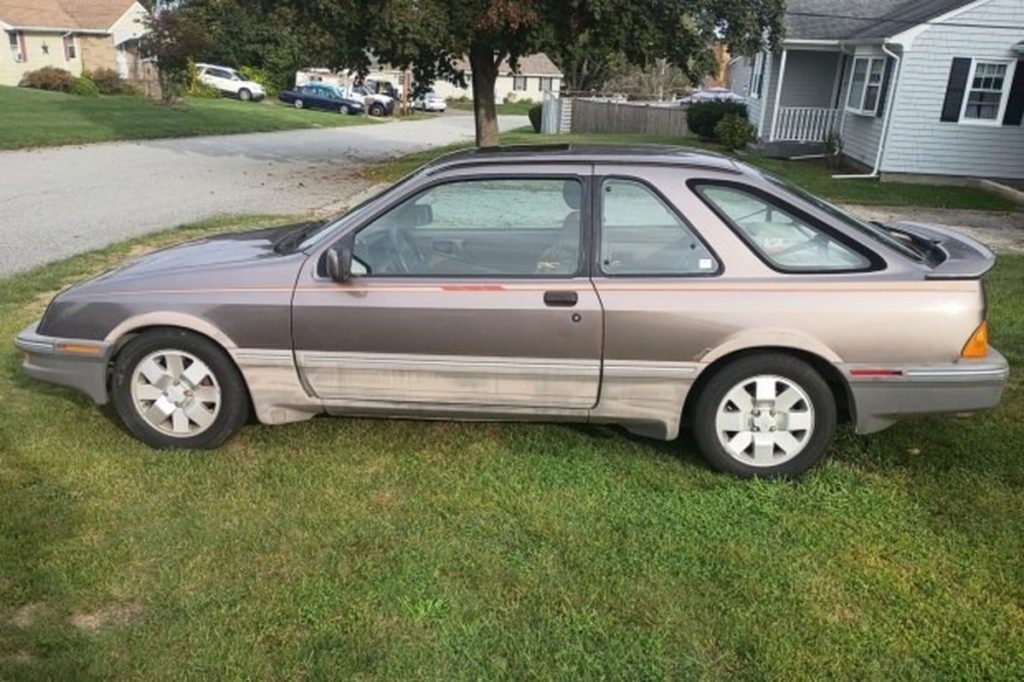
Ford’s attempt at importing European cool resulted in a turbocharged, rear-wheel-drive oddity with a bizarre biplane spoiler.
“It was a good car, but it was just marketed wrong,” experts said, which is like saying Milli Vanilli had a solid marketing strategy. Ford tried importing European cool with the Merkur XR4Ti, a turbocharged, rear-wheel-drive oddity. Think a mullet in car form—business up front, party in the back, thanks to its bizarre biplane rear spoiler.
Merkur XR4Ti (Interior)
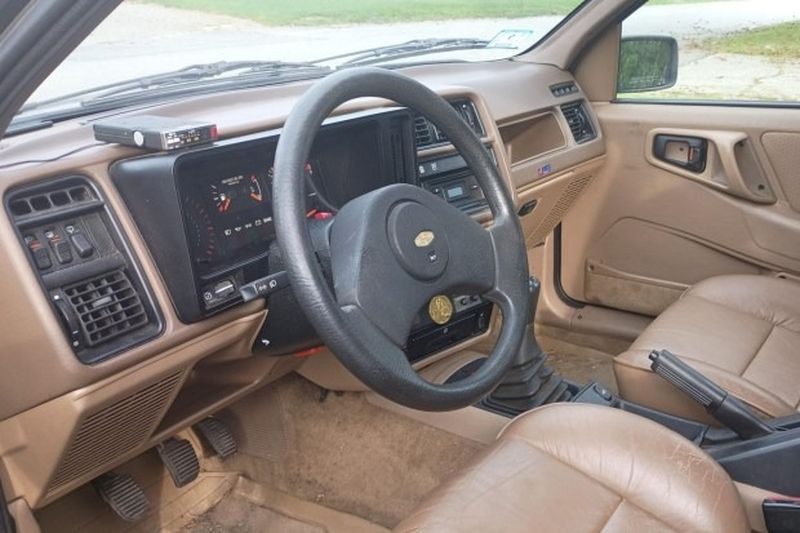
With a 2.3L turbocharged 4-cylinder engine pushing out 175 horsepower, it had the Euro cred but not the dealer support. Imagine trying to explain independent suspension to a Ford truck guy. The XR4Ti was NOT the Taurus’s weird cousin, but a misunderstood maestro of the autobahn that deserved better than it got.
2. Chrysler LHS (Exterior)
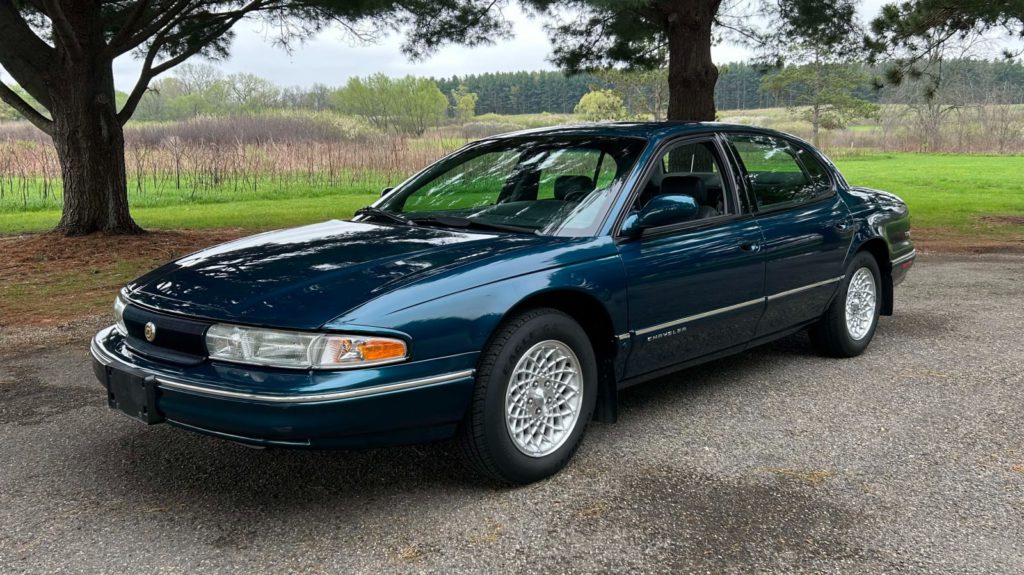
Tom Gale’s “cab-forward” design put wheels near the corners, creating massive interior space in a sleek package.
Remember when cars looked like bloated marshmallows on wheels? Then Chrysler dropped the LHS, like Lizzo showing up at a Nickelback concert: unexpected but kinda awesome. Tom Gale’s design put the wheels out near the corners, which they called “cab-forward.”
Chrysler LHS (Interior)
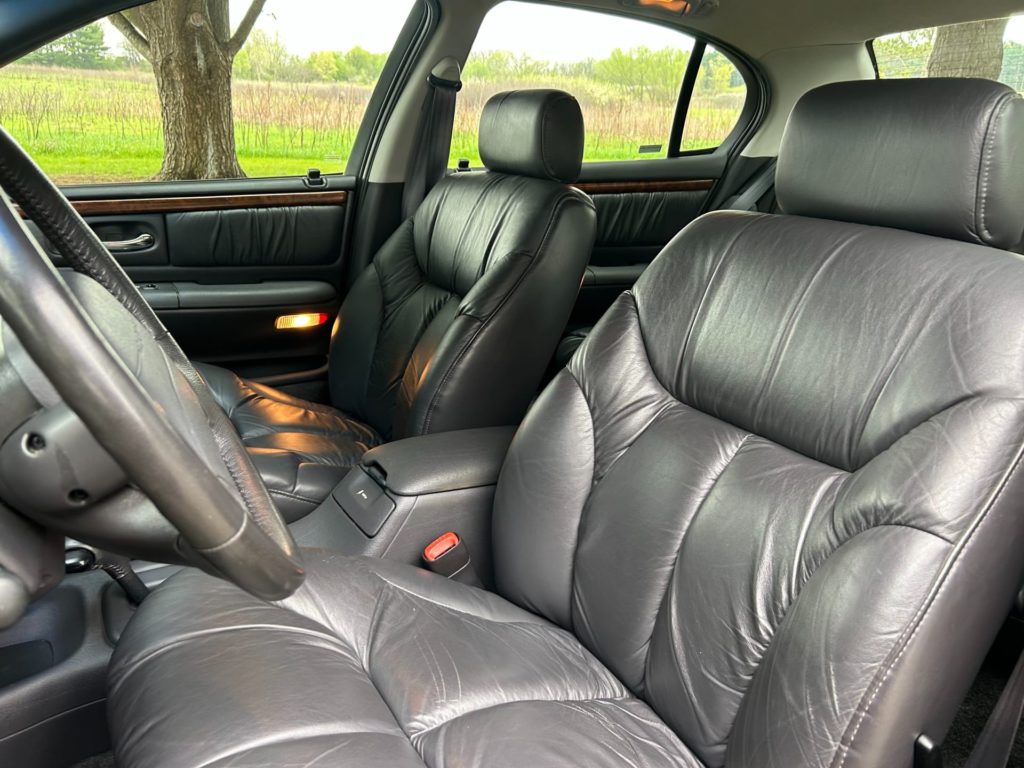
This meant massive interior space—finally, a full-size sedan where you could actually stretch your legs without doing yoga. Under the hood, the 3.5L V6 churned out 214 horsepower, paired with an adaptive learning transmission. Picture this: hauling your crew to Coachella, and everyone’s comfy while the car’s learning your driving style. Sadly, it didn’t rewrite the rules, but maybe today’s designers can appreciate what it tried to do.
1. Subaru SVX (Exterior)
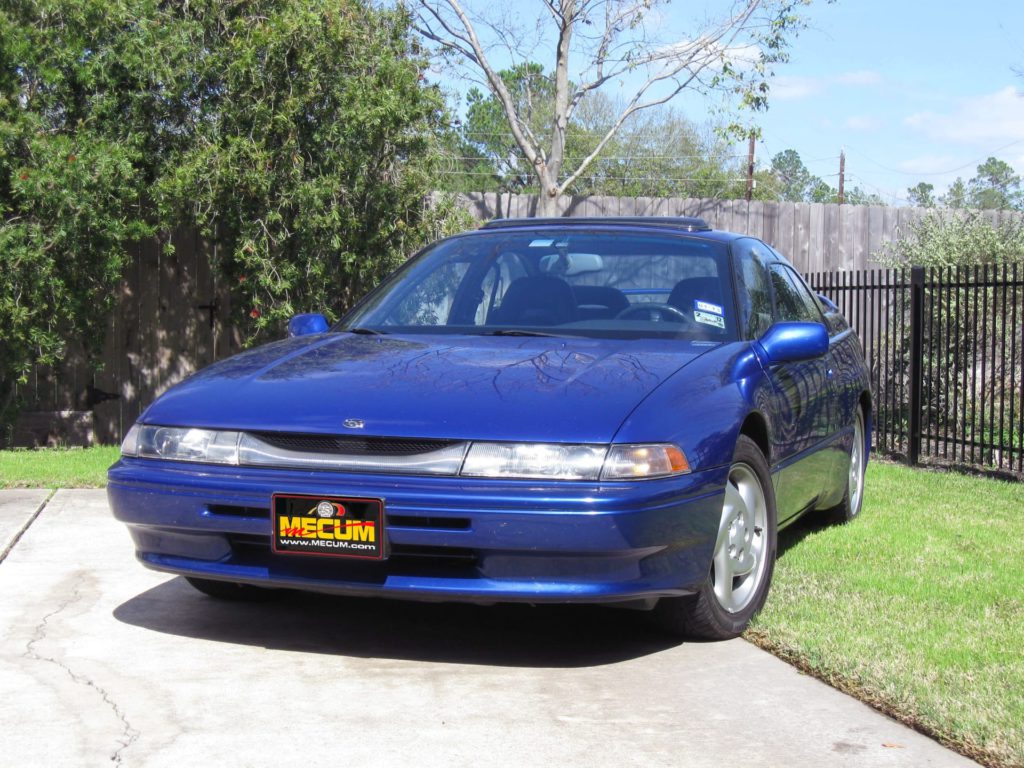
Styled by Giugiaro with a “window within a window” design, this was basically driving a concept car from the future.
The Subaru SVX featured a “window within a window” design—because who needs a normal car window when you can have two? It was powered by a 3.3L flat-six engine, delivering 230 horsepower. Rocking one of these bad boys meant driving a concept car from the future, except the future was the ’90s, and the transmission was, alas, automatic.
Subaru SVX (Interior)
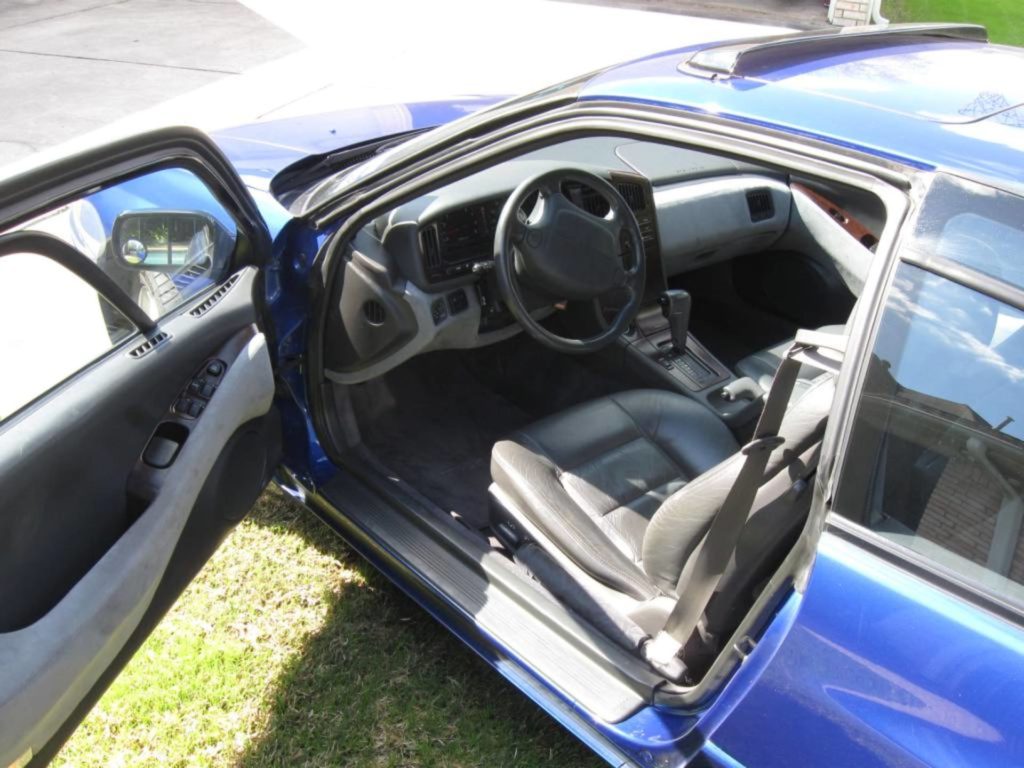
Imagine pulling up to a valet stand and watching the attendant try to figure out how to roll down the windows. The SVX embodied Subaru’s willingness to experiment, even if it meant confusing everyone else in the process. When you drive something this unique, you’re not just making a statement; you’re practically writing a thesis on automotive audacity.