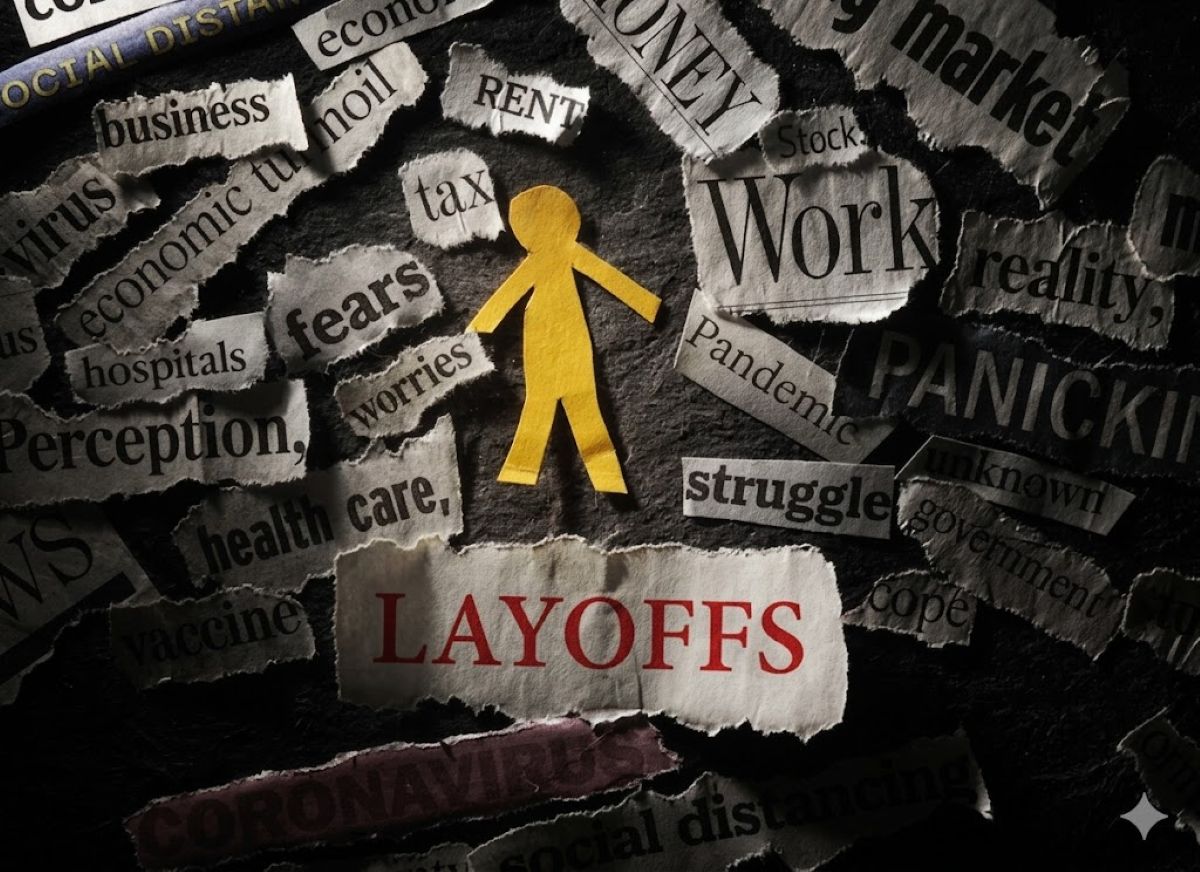
Major consumer tech companies have eliminated over 100,000 positions in five months, with familiar names leading the carnage.
Tech layoffs have exploded past 100,000 jobs by early May, according to Layoffs.fyi tracking. That’s not some abstract statistic—these cuts hit the companies behind your daily digital routine.
- Amazon slashed up to 30,000 positions while still pulling in $716.9 billion in revenue
- Meta axed 8,000 workers (plus another 1,500 from Reality Labs earlier) despite investing $135 billion in AI infrastructure
- Even Snapchat, where you probably share weekend highlights, cut 1,000 jobs representing 16% of its workforce
April alone saw roughly 45,000 cuts—the worst single month in two years. These aren’t struggling startups trimming fat; they’re profitable giants restructuring around artificial intelligence.
AI Efficiency Meets Human Redundancy
Companies are replacing workers with algorithms faster than anyone predicted, fundamentally changing how your apps get built.
The reality hits harder than any corporate press release: AI isn’t just assisting developers anymore—it’s replacing them. Snap CEO Evan Spiegel revealed that artificial intelligence now generates 65% of the company’s code, enabling dramatically smaller engineering teams. That efficiency translates to over $500 million in savings, but it also means fewer humans crafting the features you use.
“Growing integration of AI and automation… restructuring teams around AI-assisted systems,” explains Alan Cohen from RationalFX, whose analysis shows 68% of cuts hitting U.S. workers hardest. Oracle eliminated over 10,000 positions while Microsoft facilitated voluntary exits for 8,750 employees. This signals permanent transformation, not temporary belt-tightening.
What This Means for Your Tech Experience
Fewer people building your favorite platforms could mean faster AI features but slower innovation elsewhere.
Your apps will likely get smarter AI capabilities faster, thanks to leaner teams focused on automation. But non-AI features might develop more slowly as companies prioritize algorithmic efficiency over human creativity. The talent exodus could actually benefit you indirectly—displaced engineers are launching AI-focused startups that might challenge established players.
The question isn’t whether this trend continues, but how quickly. With 55% of U.S. hiring managers expecting more AI-driven cuts, the apps and services you rely on tomorrow will be built by fundamentally different teams than today. Choose your platform loyalties accordingly.