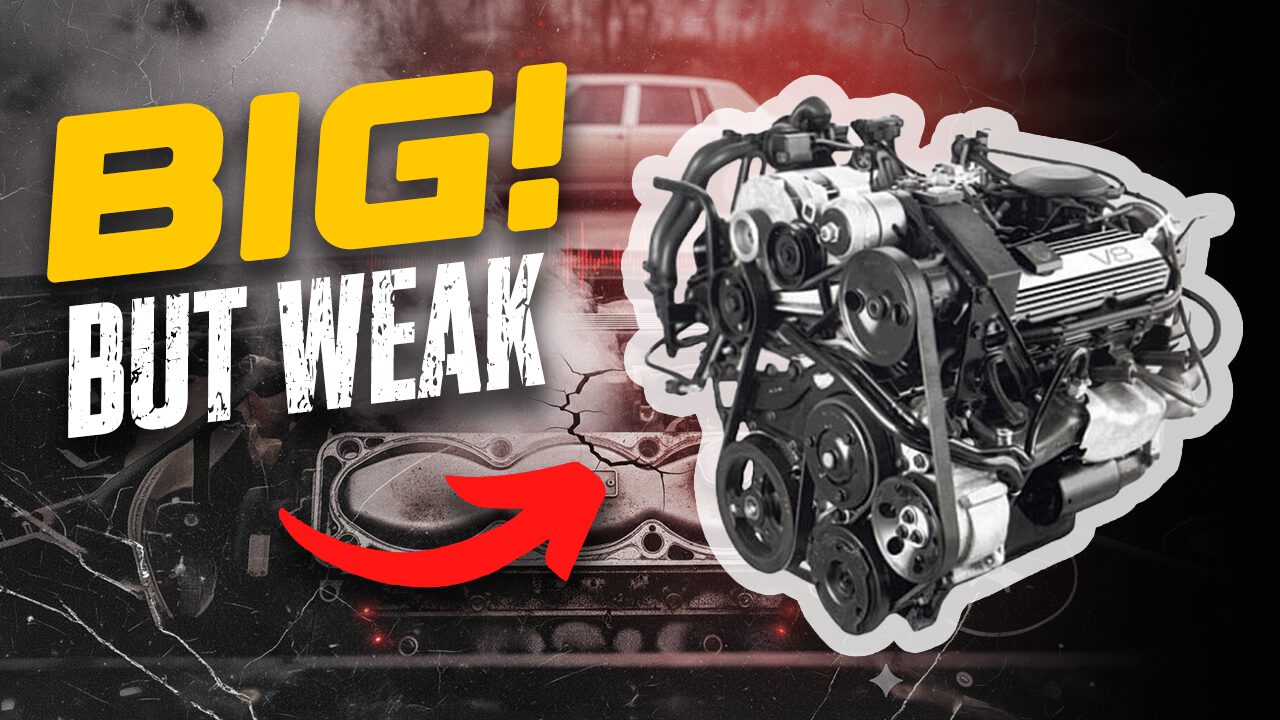
The 1970s and 80s served up V8 engines about as inspiring as a lukewarm bowl of oatmeal. When emissions regulations and fuel crises hit, Detroit scrambled, resulting in engineering decisions that often sacrificed horsepower for questionable gains. These engines didn’t just underperform—they actively tarnished the reputations of the cars they powered, proving that sometimes downsizing just means downgrades.
8. Oldsmobile 260 V8
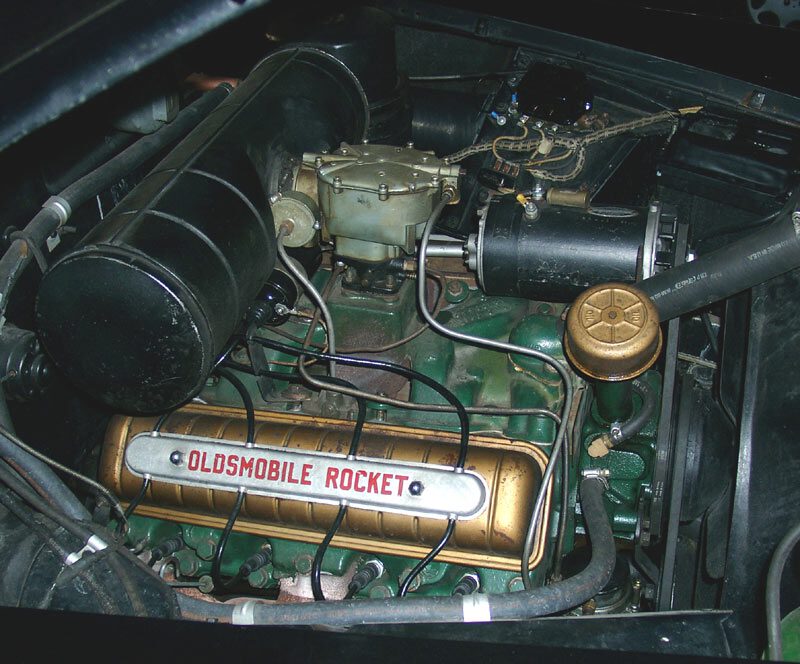
This 4.3L disaster wheezed harder than an asthmatic marathon runner.
A dismal 105-110 hp is what the Oldsmobile 260 V8 delivered—consider it a warning, not a spec. This 4.3L (260 cubic inch) engine was supposed to sip fuel, but instead wheezed pathetically when shoved into midsize cars. Constant high-load stress meant the engine aged like milk in the sun.
Mediocre reliability turned what should’ve been an economy play into a long-term headache. Swapping in a modern V6 becomes more than just a horsepower boost—it’s automotive therapy. Anyone who’s wrestled with one knows the drill: promises of efficiency, delivery of frustration.
7. Cadillac 500 V8
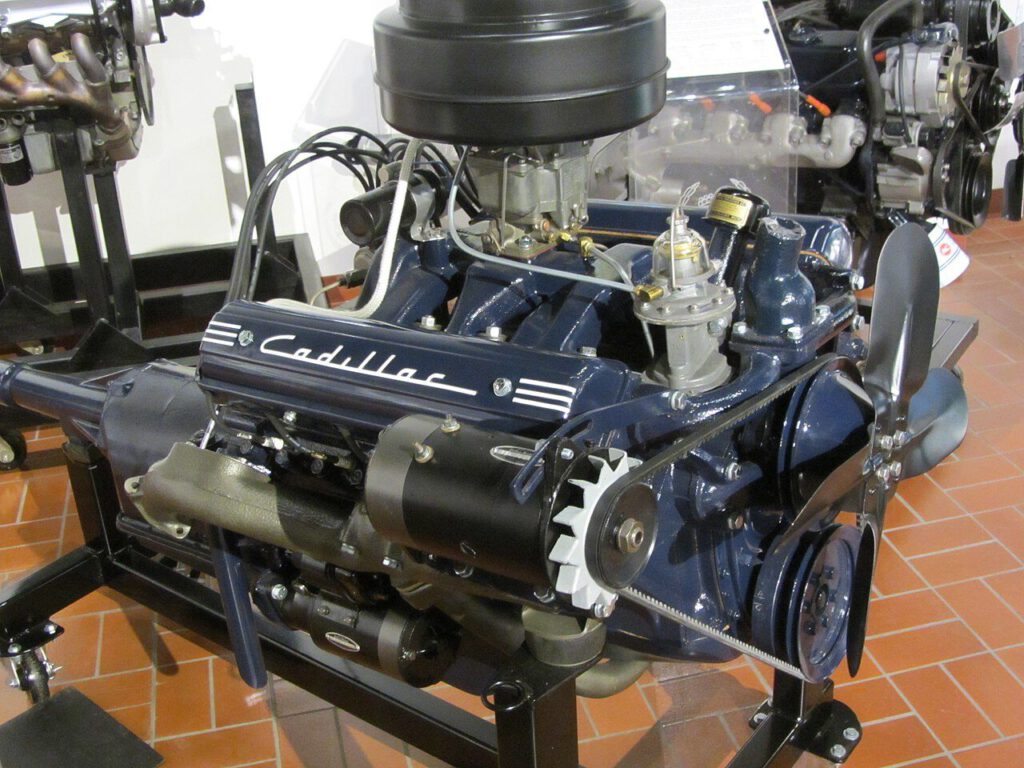
Image: Wikipedia
Big displacement, bigger disappointments—like ordering a ribeye and getting a hockey puck.
The Cadillac 500 V8 from the late 1970s proves that bigger isn’t always better. Low compression, restrictive exhaust, and carburetor issues meant this boat anchor guzzled fuel while delivering sluggish performance. Its massive weight harmed handling in luxury cruisers that already felt like land yachts.
This engine accelerated Cadillac’s slide from performance icon to prestige pretender. Anyone expecting muscle from 500 cubic inches got a harsh lesson in malaise-era reality—displacement without drama, size without soul.
6. Ford 255 V8
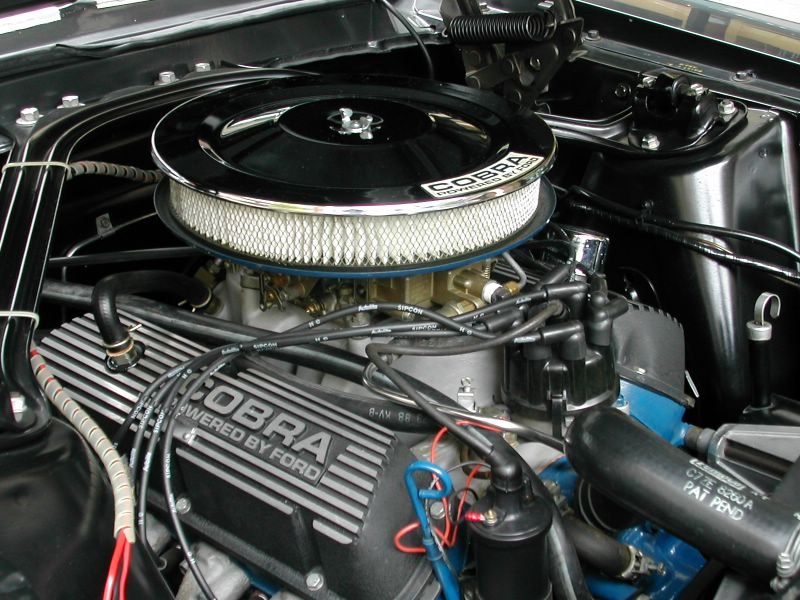
Ford’s attempt at making something smaller worse than the original—mission accomplished.
Produced from 1980-1982, the 255 cubic inch (4.2L) V8 managed just 115-122 hp. That’s the kind of power that makes you wonder if engineers forgot a decimal point. This supposed fuel-sipping marvel delivered less thrill than a DMV visit.
Camshaft wear and carburetor problems plagued owners, while fuel economy barely improved over Ford’s larger V8s. You got all the maintenance headaches of a V8 with four-cylinder power delivery. Sometimes less really is just less.
5. Cadillac HT4100
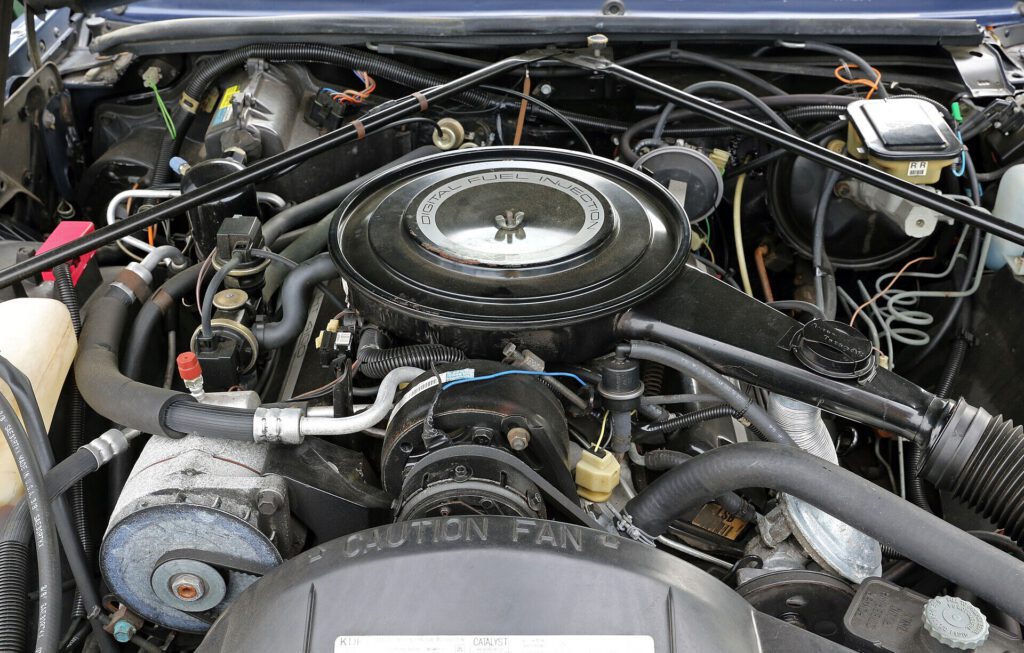
An aluminum-block diva that self-destructed faster than a Hollywood marriage.
Cadillac’s reputation nosedived with the HT4100, a 4.1L engine produced from 1981-1990. Making just 135 hp, it became infamous for aluminum block warping and head gasket failures that turned luxury cars into expensive paperweights.
The HT4100 wasn’t just unreliable—it was automotive self-sabotage. Fixing one was like rearranging deck chairs on the Titanic: pointless and expensive. This engine ran about as smoothly as a cement mixer full of marbles.
4. Oldsmobile LF9 Diesel 350 V8

GM’s diesel disaster that made owners wish they’d bought literally anything else.
Between 1978 and 1985, Oldsmobile tried diesel-izing the American V8, but the LF9 Diesel 350 (5.7L) delivered roughly 120 hp—like installing a hamster wheel where the engine should be. Cracked heads, failed injection pumps, and catastrophic failures before 50,000 miles became standard features.
No water separator meant rusting fuel systems, while poor engineering meant expensive repairs. Class-action lawsuits followed, proving that sometimes automotive innovation goes horribly, expensively wrong. Anyone brave enough to buy one learned that diesel dreams could become gasoline nightmares.
3. Chrysler Lean Burn V8
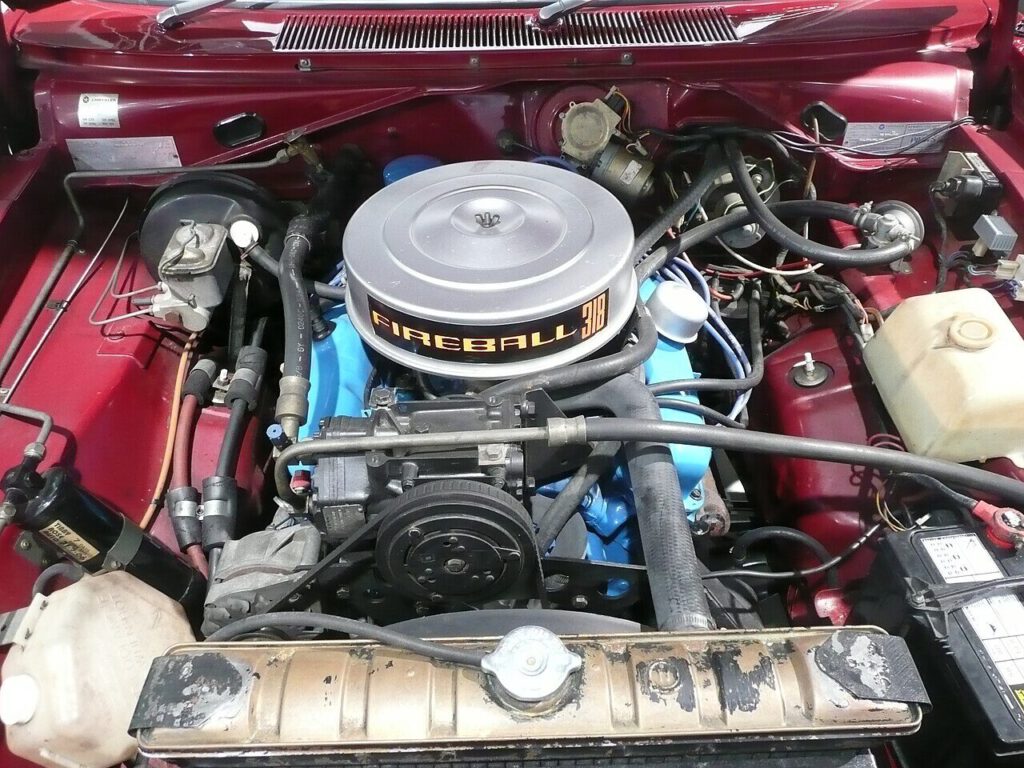
Early computer-controlled engines that made mechanics pray for the return of carburetors.
Produced from 1976-1979, Chrysler’s Lean Burn technology promised cleaner emissions but delivered diagnostic nightmares. The 318 cubic inch (5.2L) version featured unreliable computer systems that caused hesitation, stranding, and electrical sensitivity that stumped even experienced mechanics.
Those primitive computers turned routine maintenance into expensive guessing games. Was it the lean-burn computer, a sensor, or just electronic gremlins? For a system aimed at efficiency, it burned through mechanics’ patience and owners’ wallets with impressive consistency.
2. Triumph Stag 2.5L V8
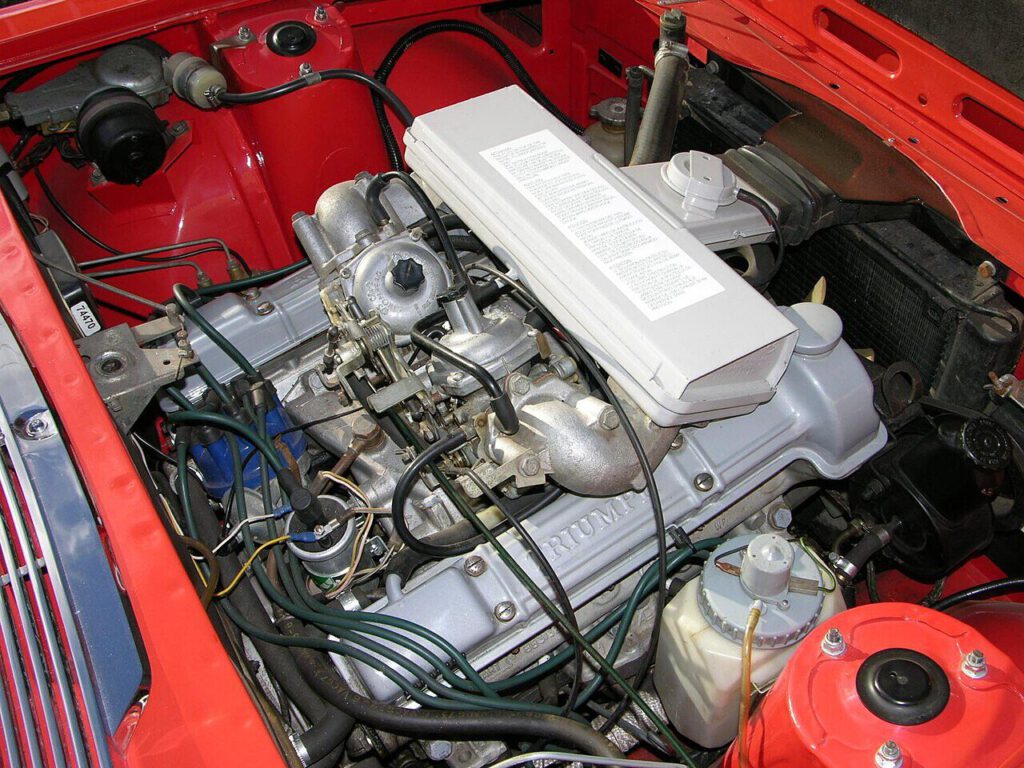
British engineering that made unreliability an art form.
Owning a Triumph Stag with its 2.5L V8 wasn’t just driving—it was a full-time relationship with constant demands. Poor build quality and carburetor-fed fuel delivery meant owners spent more time troubleshooting than cruising.
The Stag skipped fuel injection for carburetors, a choice about as smart as bringing plastic utensils to a steakhouse. Head gasket failures and electrical problems became conversation starters at car shows, where war stories replaced driving enjoyment.
1. Pontiac LS5 265 ci
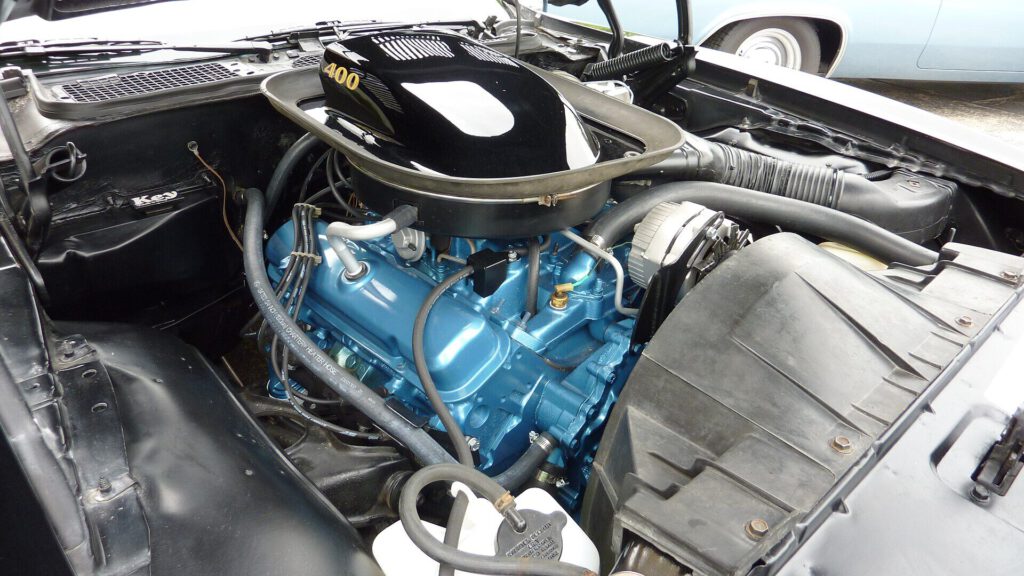
Rushed downsizing that turned a potential small-block hero into a wheezebox villain.
The Pontiac LS5 265 ci proves that shrinking engines can backfire spectacularly. GM rushed this downsizing to meet fuel economy standards, creating an engine that struggled to breathe properly. Basic maintenance became an exercise in hope and prayer.
Carburetor tantrums and weak performance meant you got four-cylinder personality with V8 fuel consumption. Anyone expecting small-block reliability got a harsh lesson in what happens when engineering gets rushed to market.