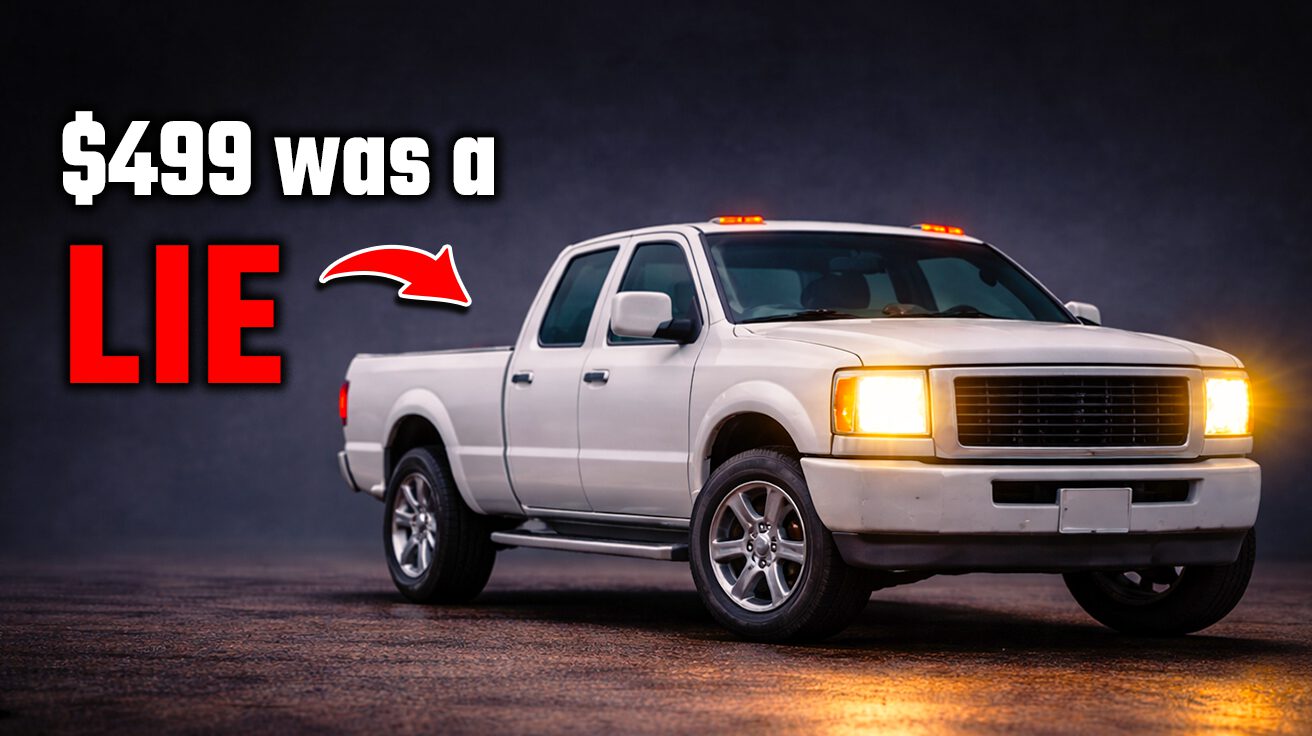
Over 5% of auto loans were more than 90 days past due in a recent quarter, signaling a debt crisis for many. Car dealerships excel at showcasing enticing monthly payments, like $499 a month for a $25,000 vehicle, while skillfully obscuring the long-term financial implications. This tactic shifts focus from whether you can truly afford the car to whether the payment fits your current budget.
6. Monthly Payment Focus

Dealerships push monthly payments harder than your gym pushes protein shakes.
Right now, someone’s signing on the dotted line thinking they’re only shelling out $499 a month, while the dealership walks away with a cool $30,000+ in their pocket, interest included. It’s like thinking you’re buying a chihuahua but end up with a Great Dane—cute at first, but way more to handle in the long run. Focus solely on those sweet, low monthly payments, and you’re basically handing the dealership a blank check.
5. Comparison Shopping Complications

Comparing dealer offers is like comparing apples to a Kardashian’s plastic surgeon: nearly impossible.
Dealers are masters of disguise, mixing up loan terms, deposits, and rates like a bartender making a mystery cocktail. You might think you’re getting a steal, but those extended warranties for an extra $59/month? They’re just turning your dream car into a subscription service. So before you sign on the dotted line, remember: monthly payments are just the tip of the iceberg.
4. Extended Warranties

These warranties come with more restrictions than a Hollywood starlet’s diet.
Extended warranties might seem genius until you realize that $59/month figure adds over $3,000 to your loan—money better spent on literally anything else. Dealerships love the “peace of mind” pitch when you’re riding high on that new car smell. But these warranties come loaded with restrictions that make canceling a gym membership look easy.
3. Hidden Auto Loan Costs

The final tally includes a bunch of sneaky extras that pop up like whack-a-moles.
Buying a car isn’t just about that tempting monthly payment plastered everywhere. Prepare for sales tax—a non-negotiable gut punch you can’t dodge. Then come origination fees, the lender’s way of saying “thanks for borrowing!” Some lenders also sneak in prepayment penalties if you try to pay off early, plus pesky payment fees for online or phone transactions.
2. Long-Term Loans

Stretching payments over 84 months is like choosing unlimited breadsticks—sounds good until you’re full of carbs instead of the actual meal.
Back when three-year loans were normal, car buyers got out of debt faster. These days, 84-month terms are increasingly common, which means paying more interest overall. The longer you take to pay off that ride, the higher the risk of ending up with negative equity—owing more than what the car is worth.
1. Negative Equity

Trading in a car with negative equity is like trying to return that questionable sweater your aunt knitted—awkward and expensive.
Anyone who’s walked into a dealership thinking they’re upgrading, only to find out they owe more than their car’s worth, knows this pain. Long-term loans are the gateway drug: stretching payments over 84 months seems great until your car’s value does the limbo, dipping lower each month. Dealers might roll the negative amount into your new loan, turning a fresh start into a financial snowball.