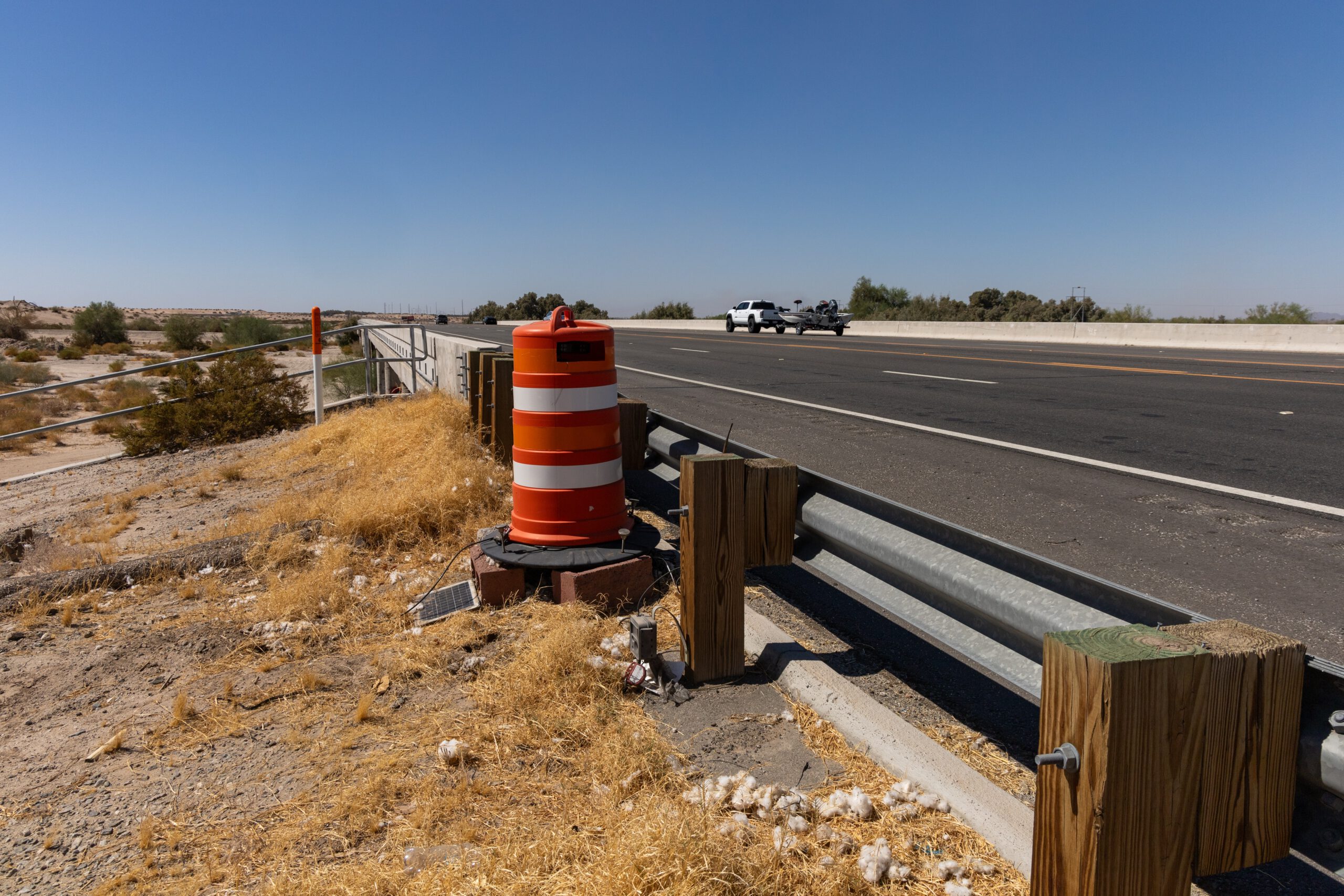
Your daily drive along California’s border highways is being monitored by a covert federal surveillance system you never agreed to—and likely never noticed. Privacy advocates have discovered approximately 40 automated license plate readers hidden throughout San Diego and Imperial counties, disguised inside construction barrels and feeding data directly to federal predictive intelligence programs.
Construction Barrels Hide Advanced Tracking Technology
Disguised surveillance devices mirror covert networks already documented in Arizona border regions.
The Electronic Frontier Foundation and Imperial Valley Equity and Justice identified the hidden cameras through public records requests, revealing installations by U.S. Border Patrol and the Drug Enforcement Administration on state highways. These aren’t your typical traffic cameras—they’re sophisticated ALPR systems that capture and store license plate data from every passing vehicle, creating detailed travel pattern databases for federal analysis.
Algorithms Flag ‘Suspicious’ Driving Patterns
Federal predictive systems target ordinary behaviors like taking longer routes or making multiple trips near the border.
Border Patrol’s predictive intelligence program analyzes ALPR data to identify supposedly suspicious patterns, according to an Associated Press investigation from November. The system flags behaviors like taking six hours to drive 50 miles from the Mexico border to Oceanside—patterns that could describe anyone dealing with traffic, making stops, or simply taking their time.
These algorithmic determinations then trigger referrals for local traffic stops, turning routine drives into surveillance opportunities. Your weekend trip to visit family or that delayed drive home from work could theoretically land you in a federal database as exhibiting “suspicious” travel behavior.
Privacy Groups Demand Immediate Removal
Coalition letter to Governor Newsom challenges federal permits that allegedly bypass California privacy laws.
The advocacy coalition sent a letter Tuesday to Governor Gavin Newsom and Caltrans Director Dina El-Tawansy, demanding investigation and removal of the devices. The groups argue that DEA data-sharing with Border Patrol circumvents California laws restricting local and federal surveillance cooperation—a legal workaround that transforms state highways into federal intelligence-gathering networks.
“Caltrans must revoke any permits… and effectuate their removal,” the coalition letter stated. The letter highlights concerns about harassment and deportation risks through federal data sharing, particularly affecting immigrant communities in border regions.
Federal Agencies Stay Silent on Surveillance Tools
Official responses remain limited while state authorities claim to balance public safety with privacy protections.
The DEA declined to discuss operational tools, while CBP and Newsom’s office provided no immediate comment on the surveillance network. A Caltrans spokesperson said officials prioritize “public safety and privacy,” though the agency approved permits for the federal installations.
This silence creates an accountability gap where drivers face algorithmic scrutiny without transparency about how their travel data gets collected, analyzed, or shared across agencies. Critics argue this mass surveillance violates Fourth Amendment protections, despite courts generally upholding license plate reading on public roads.