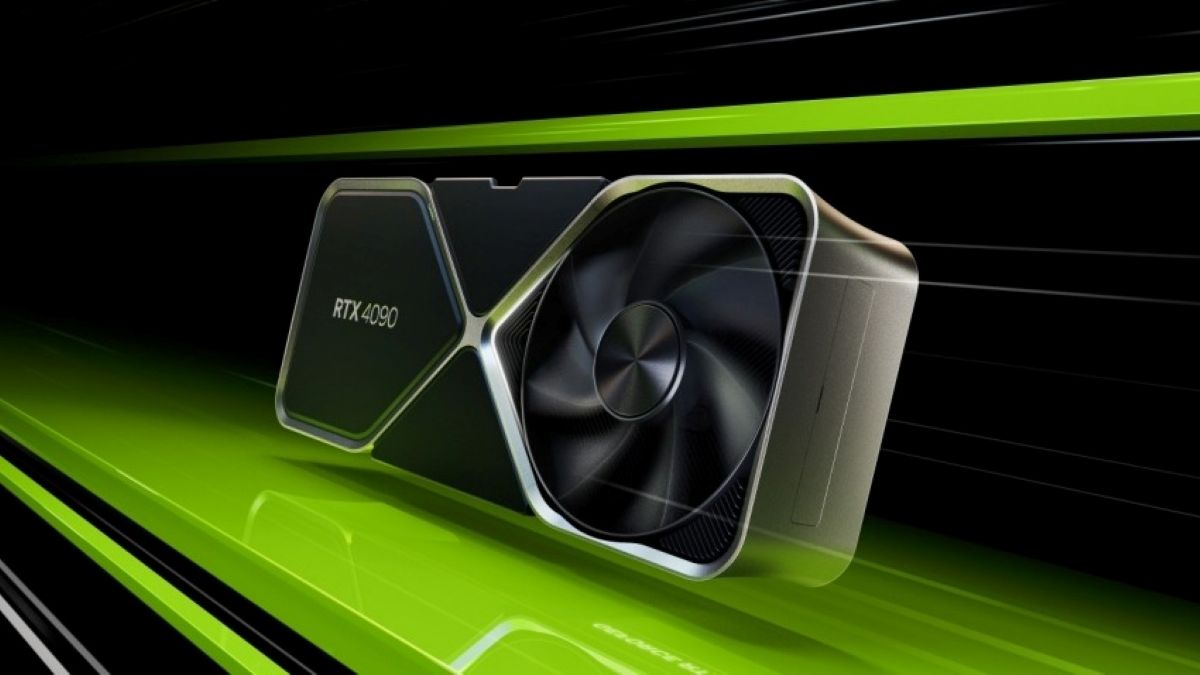
Gaming just got more expensive and GPU upgrade options just got thinner. Nvidia grabbed a staggering 94% share of the desktop graphics card market in 2025, while AMD’s Radeon division collapsed to a mere 5% — the lowest market share in the company’s history, according to Jon Peddie Research.
The Numbers Tell a Brutal Story
Desktop GPU shipments surged to 44.28 million units, but Nvidia devoured nearly all the growth.
Total graphics card sales jumped 28% from 2024’s 34.7 million units, hitting the second-highest shipment volume this decade. But here’s the kicker: Nvidia’s share climbed from 92% at the start of 2025 to 94% by year’s end, powered by their RTX 50-series Blackwell architecture. AMD’s Radeon cards managed just 0.57 million units in Q4, down from 0.74 million at the beginning of the year. Intel’s Arc Battlemage cards? Still stuck at roughly 1% — basically a rounding error.
Why AMD Got Left Behind
The RX 9000-series launch stumbled while Nvidia’s Blackwell dominated enthusiast wallets.
AMD’s RDNA 4-powered RX 9000-series cards faced availability nightmares and pricing that made them tough sells against Nvidia’s alternatives. Remember when AMD promised competitive performance at better value? Those days feel like ancient history now.
Steam libraries don’t care about corporate drama, but wallets definitely notice when one company controls 94% of the discrete graphics market. That’s approaching iPhone-level dominance, except Apple faces Android competition.
Market Forces Squeeze Everyone
Rising costs and integrated graphics create a perfect storm for discrete GPU buyers.
“The AIB market is being squeezed from the bottom by powerful new notebooks and CPU integrated graphics, and from the high end by rising pricing due to competition, memory prices, and Trump administration tariffs,” explains Dr. Jon Peddie, JPR’s president. Translation: the next graphics card will cost more while delivering less bang for buck.
Powerful integrated graphics in AMD’s latest Ryzen chips and high-end laptops are eating into entry-level discrete card sales, while memory shortages and tariffs jack up prices at the top. For those facing other computer problems beyond GPU woes, resources are available to help troubleshoot.
What This Means for Future Builds
Expect fewer choices and higher prices as competition withers.
JPR forecasts a 10% market decline in 2026 as buyers delay upgrades due to rising costs. With AMD struggling and Intel’s Arc remaining niche, consumers are essentially shopping in Nvidia’s company store. Competition drove innovation and kept prices reasonable — remember when solid 1080p performance cost under $200? Looking at the evolution of tech over the decades shows how market dominance patterns shift.
That era just ended with a whimper, not a bang.