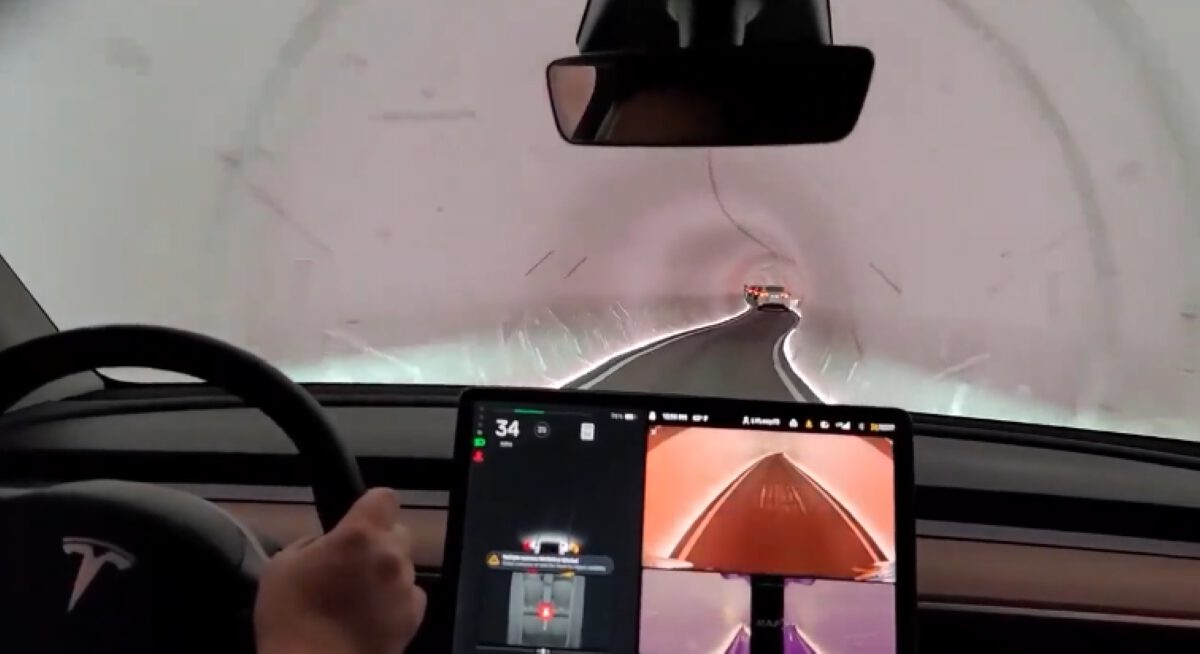
Nashville’s Metro Council just passed a resolution opposing Elon Musk’s Music City Loop tunnel project. The vote was decisive: 20 in favor, 15 against, two abstaining. The catch? The resolution carries exactly zero authority to halt, delay, or modify the underground transit system already under construction. This perfectly captures how Musk-affiliated companies operate—build first, deal with local opposition later.
The Boring Company began excavating Nashville’s tunnels in August 2025 after negotiating directly with Tennessee’s state government, deliberately sidestepping the city council that actually represents the people who’ll live with the consequences.
Council Member Delishia Porterfield, who sponsored the resolution, framed it around a simple principle: “Public land needs to be for public good and public infrastructure decisions must prioritize the welfare, safety and express needs of Nashville residents.” Her colleagues cited legitimate concerns about Nashville’s porous limestone geology creating sinkhole risks, the city’s flooding history, and ADA compliance questions. These aren’t abstract policy debates—Nashville’s underground is literally built on unstable ground.
The real power move happened months ago when State Senator Jack Johnson introduced legislation creating the “Subterranean Transportation Infrastructure Coordination Authority“—a new state agency with power to sign contracts, acquire land, and regulate tunnel projects. Agency members would be appointed by state officials, not Nashville’s mayor. It’s a masterclass in bureaucratic end-runs around local democracy.
This playbook isn’t new for companies in Musk’s ecosystem.
Tesla’s xAI data center in Memphis started operating in 2024 with pollution-emitting gas turbines before obtaining required permits, sparking resident protests. When questioned about Nashville’s geological challenges, The Boring Company’s VP David Buss dismissed concerns by pointing to the company’s Las Vegas Loop safety record—99.51% on federal assessments. The message: trust us, we know what we’re doing.
What you’re witnessing is a test case for whether private companies can effectively govern themselves by finding the right level of government to approve their plans. Nashville officials reported feeling “mostly blindsided” by the July 2025 announcement, despite ongoing Metro transit initiatives following the city’s 2024 voter-approved transit tax increase.
If Nashville’s 25-mile tunnel network opens in 2027 without major incidents, expect this state-bypass model to spread to other cities where local officials ask inconvenient questions about public input.
The 45+ permits required for completion will determine whether Tennessee’s new governance framework actually works, or whether Nashville residents get stuck with infrastructure decisions made without them.