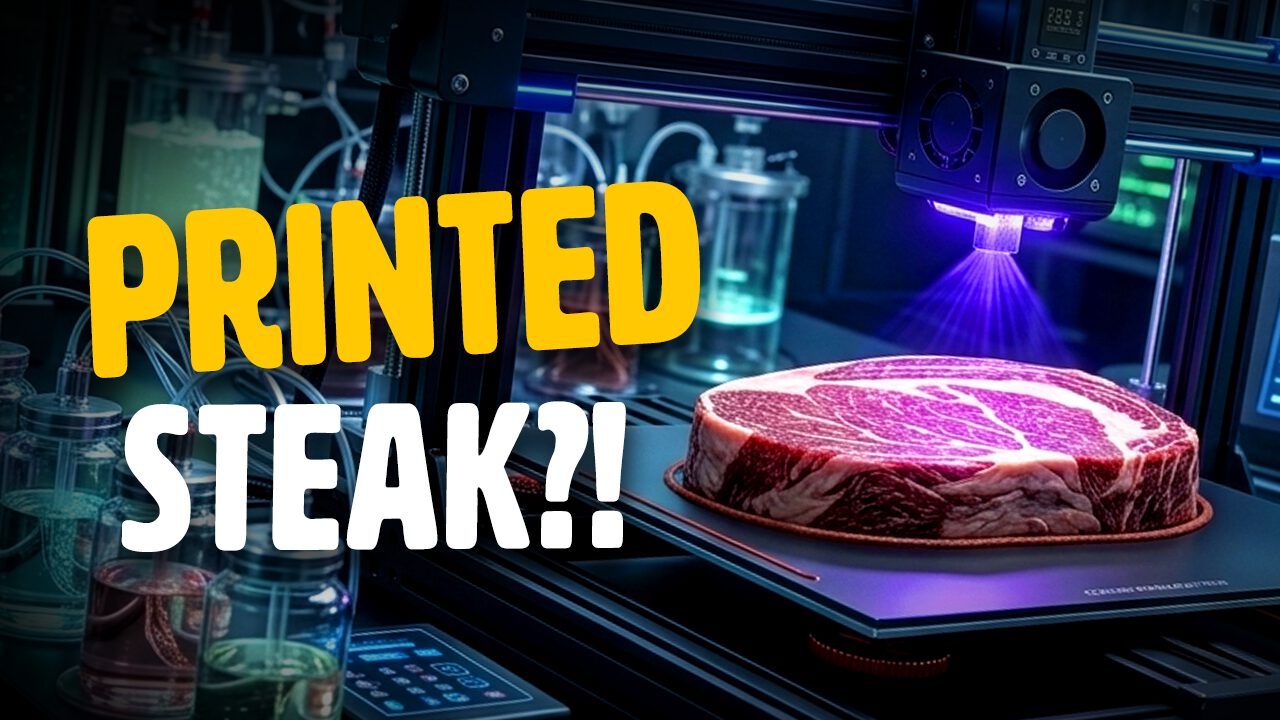
Food tech is no longer just for astronaut ice cream—it’s reshaping everything from your Friday night pizza to how groceries get to your local market. AI, robotics, and advanced processing are revolutionizing food production and consumption, so prepare to kiss those tedious kitchen tasks goodbye. New tech extends the shelf life of your precious avocados while robots handle the grunt work and AI ensures quality. With changes like these on the horizon, discover some mind-blowing inventions that might just change how you think about food forever.
9. Choco Autopilot
Automating restaurant orders like a digital sous chef that never calls in sick.
Choco’s Autopilot aims to automate order processing. Think of it as the difference between a toddler finger-painting and Banksy dropping a masterpiece—both involve art, but one’s slightly more chaotic.
Anyone who’s managed a busy kitchen knows the struggle. Manual order entry feels as modern as sending smoke signals. Autopilot reduces that manual labor and improves efficiency for both suppliers and restaurants. For restaurant owners wrestling with order errors, this tech isn’t just nice; it’s essential to enhancing profitability.
8. Farther Farms Pasteurization
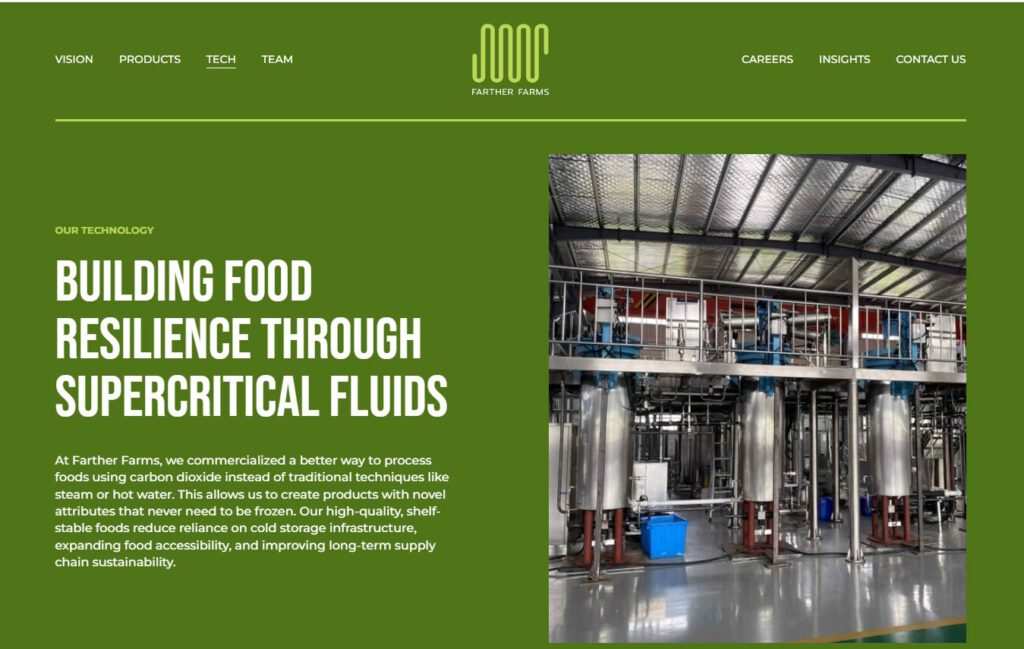
Keeping produce fresher longer without turning your fridge into a science lab.
Are you sick of produce that spoils faster than a TikTok trend? Farther Farms uses supercritical carbon dioxide to extend shelf life without any preservatives. This isn’t your grandma’s canning process; it sounds like something out of a sci-fi movie.
Think of it as a spa day for your veggies, keeping them fresh without refrigeration, which cuts energy use by 70%. For global distributors, this tech could transform how perishables are shipped, ensuring you get fresher produce at markets near you. It’s basically the holy grail for anyone trying to reduce food waste.
7. Ekim PAZZI Robo-Chef
Fresh pizza in 30 seconds—faster than your last Zoom meeting.
Some say that the future of fast food is now, and it’s robotic. Ekim’s PAZZI robo-chef promises a fresh pizza in just 30 seconds. Think of it like a culinary pit stop, where speed meets quality.
These 24-hour kiosks aren’t just slinging pies; the plan includes salads and desserts, too. Ekim is betting you want contactless service without sacrificing flavor. For anyone craving a late-night snack or a quick bite on the go, this robo-chef aims to deliver a genuinely tasty culinary experience.
6. Pizza Hut Robo-Chef Delivery

Cooking your pizza en route, because lukewarm disappointment isn’t a business model.
Pizza Hut is tackling delivery delays with vehicles packing a robo-chef that cooks pies en route, minimizing wait times and ensuring your pizza arrives piping hot. It’s like having a gourmet food truck that knows exactly where you are—and exactly how hangry you’re about to get.
The tech focuses on customer satisfaction and ensuring that first bite of pepperoni nirvana. It’s also about avoiding that sad, lukewarm pizza that tastes like regret. It’s a brave new world where culinary robots are fighting the good fight.
5. Bear Robotics Servi
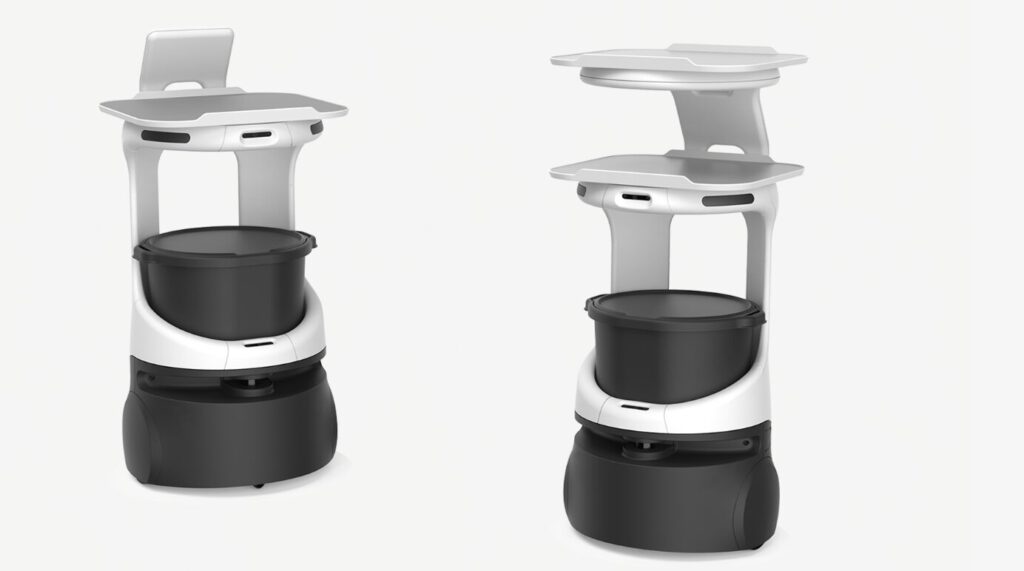
An autonomous server that dodges elbows better than your favorite waiter.
Bear Robotics’ Servi rolls in as an autonomous serving robot, ditching tired tropes for tech. Cameras and lasers allow this robot to deliver food safely, even in the tightest spots.
Think of it like a Roomba, but instead of dog hair, it’s dodging elbows and spilled drinks. These autonomous robots boost restaurant efficiency by taking on the grunt work, letting human staff focus on being, well, human. The real kicker? More customers served, faster, so you can get your grub on without the hangry wait.
4. ROBOEATZ ARK 03
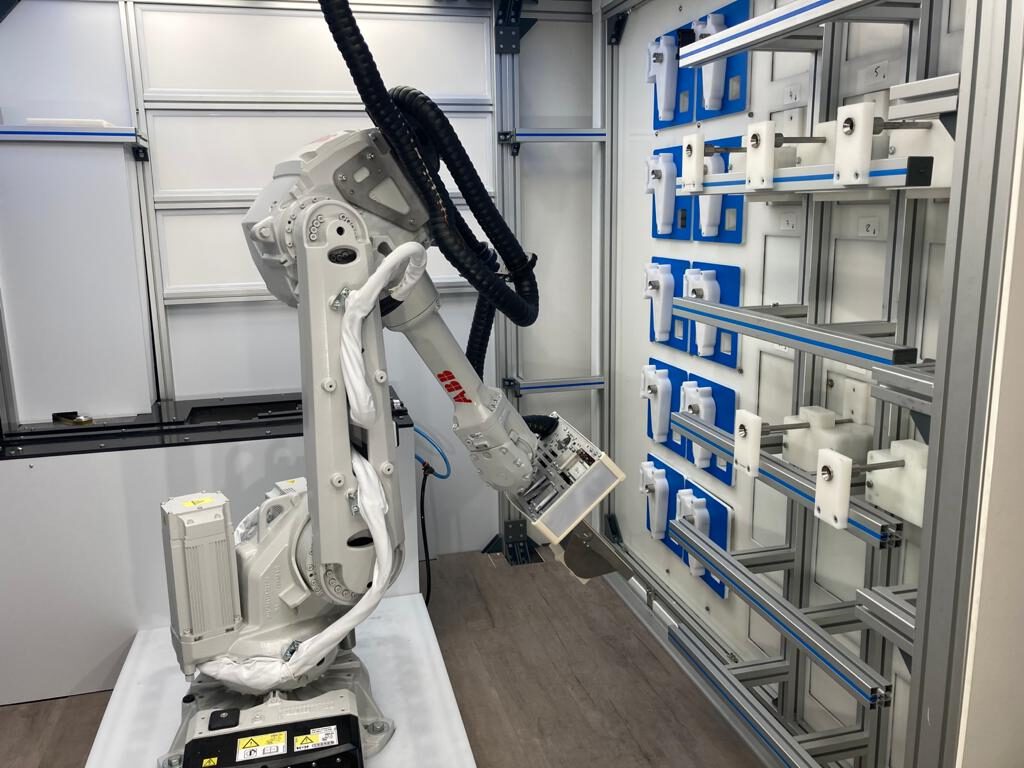
A robotic kitchen that handles everything except the compliments to the chef.
The ROBOEATZ ARK 03 handles storage, prep, and even the plating with zero human intervention. Envision an office worker breezing into the breakroom, selecting a salad from the menu, and watching as the ARK 03 performs its culinary choreography.
It’s like seeing a meticulously choreographed dance performed by robots, only the prize is a Caesar salad instead of a Tony. Whether stationed in bustling offices or busy grocery stores, the ARK 03 envisions a future where food prep becomes as streamlined as streaming your favorite shows.
3. COCUUS 3D Food Printing

Turning your nutritionist’s dreams into edible reality, one laser layer at a time.
COCUUS employs 2D/3D laser printing and bioprinting for plant- or cell-based protein analogs. This tech enables hyper-personalized food shapes, skipping the sad desk salad for customized nutrition. Think haute cuisine designed by algorithms, but less pretentious.
The system layers materials with lasers to create protein analogs in any shape imaginable. COCUUS lets you eat your veggies in the form of, well, anything really. This printing tech might just turn mealtime into an edible art project, delivering personalized nutrition like never before.
2. Pulsed Electric Field (PEF) Processing
Zapping bacteria with electricity while keeping food quality intact—science rules.
Pulsed Electric Field (PEF) processing uses bursts of electricity to kill bacteria without heat, preserving food quality and using less energy. It’s like giving those little buggers a tiny electric chair, which they probably deserve for all the food poisoning they cause.
For those scrutinizing every label for weird additives, PEF skips the heat and chemicals, giving health-conscious consumers a reason to breathe easy. The energy savings are considerable—as much as 70% according to industry estimates. Next time you’re enjoying that perfectly preserved snack, remember: it might have been through an electrifying experience.
1. Nestle AI Visual Inspection

Teaching computers to spot bad cookies faster than you can eat the good ones.
Nestlé uses AI visual inspection to ensure product consistency, because who wants a Kit Kat with missing chocolate? Companies like Coca-Cola and Danone are applying AI for quality checks in beverages and dairy too.
The goal? Fewer recalls and happier customers. AI’s impact on quality isn’t just about catching mistakes; it’s about making sure your food is as close to perfect as humanly—or robotically—possible. It’s like having a food-safe cyborg in the factory, only less Terminator and more tasty.