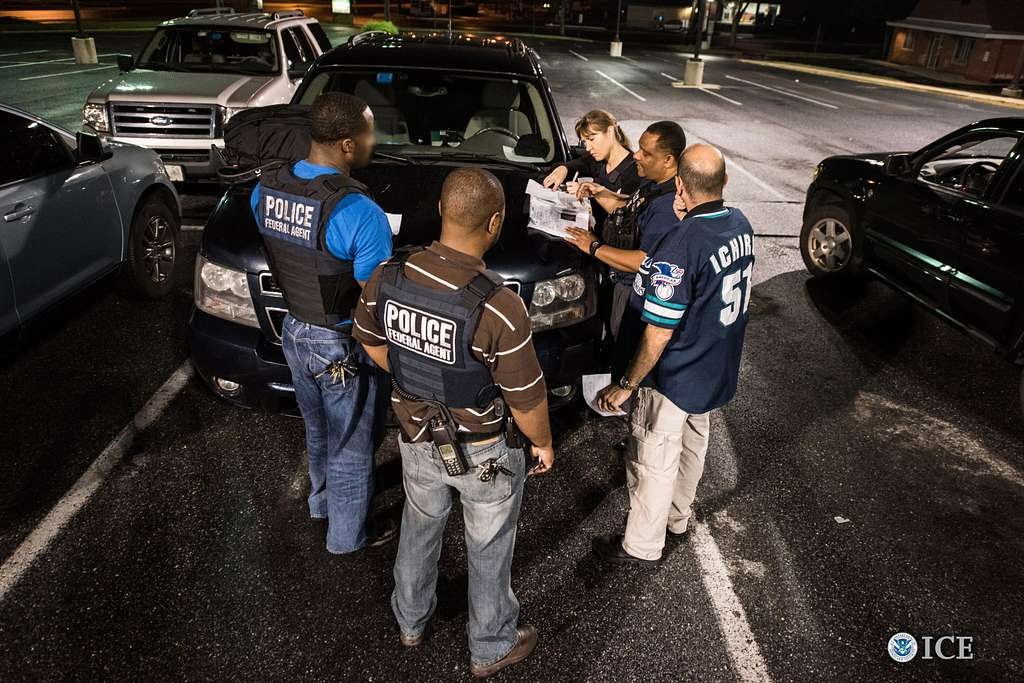
Emily knew something was wrong when the ICE agents addressed her by name. Standing outside a Minneapolis home during Operation Metro Surge, she was just another concerned observer—until federal officers recited her home address and followed her car. Emily’s confrontation wasn’t random harassment. It was a demonstration of the surveillance web ICE has built around every American, immigrant or not.
Your data is already in their system. ICE agents carry Mobile Fortify, a facial recognition app that scans faces in real-time against massive databases. The ELITE app, built by Palantir, functions like “Google Maps for deportable targets,” aggregating everything from Medicaid records to IRS addresses. Clearview AI provides billions of internet-scraped photos for instant identification. Three-quarters of American adults are trackable through utility records alone, according to Georgetown Law researchers.
Data brokers fill the gaps where warrants once provided protection. “They’re using data and they’re aggregating data that they would otherwise need a warrant for… bypassing the Fourth Amendment,” says Stephen Manning from Innovation Law Lab. ICE accesses one-third of driver’s license photos nationwide, cell phone location pings without warrants, and Thomson Reuters’ $5 million license plate database. Every grocery run, every protest, every mundane errand creates digital breadcrumbs.
The surveillance extends online through administrative subpoenas targeting Meta and Google accounts. ICE subpoenaed Sherman Austin’s @stopicenet Twitter account for “doxxing”—posting publicly available information about federal agents. Global Entry privileges vanish for users posting ICE criticism. Like China’s social credit system, your digital footprint now determines government treatment.
Legal challenges are mounting. The ACLU filed lawsuits in Minnesota and Maine with over 30 affidavits describing similar intimidation tactics. “Nobody should have to wonder if they are merely being intimidated or actually being subjected to an invasive biometric scan that’s really just incredibly corrosive,” warns ACLU attorney Nathan Wessler.
This infrastructure outlasts any administration. Once built, surveillance systems rarely shrink—they expand. Your face, your location, your associations are now cataloged in federal databases designed to chill civic participation. The message is clear: watch us, and we’ll watch you back.