Your smartwatch promised independence through health monitoring. Instead, it created a data nightmare that could cost you thousands in insurance premiums.
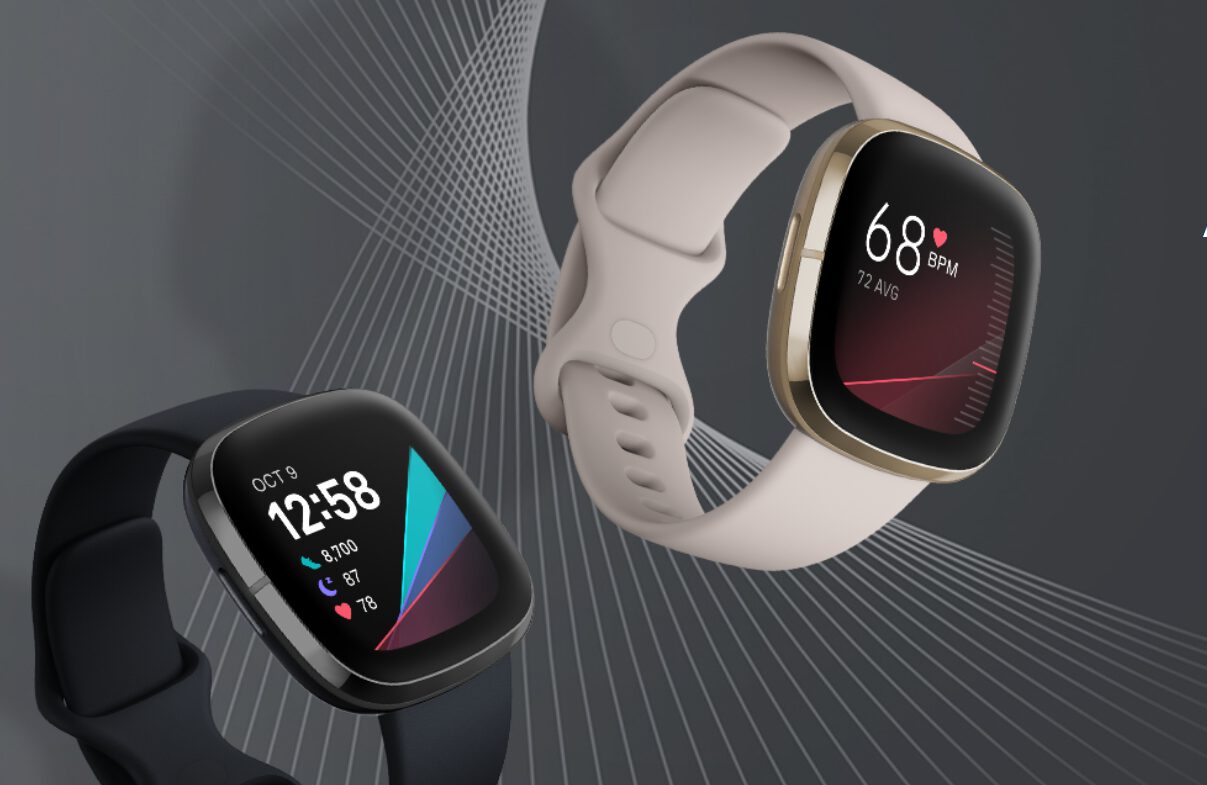
That innocent-looking Fitbit or Apple Watch strapped to your wrist collects granular biometric data—heart rate variability, sleep disruptions, stress spikes, even your precise location during every doctor’s visit. This information flows to third parties without clear consent, creating detailed profiles that insurers and advertisers use to make decisions about your coverage and costs.
The Data Collection Reality Check
Consumer wearables vacuum up sensitive health information with minimal protection.
Your fitness tracker generates a digital fingerprint more unique than your actual thumbprint. Sleep patterns, step counts, and heart rhythms create behavioral profiles that reveal mood disorders, chronic conditions, and lifestyle choices. Research shows 74% of users worry about how companies handle this data, yet only 58% feel confident their information stays protected.
The stakes extend beyond privacy. Insurance companies increasingly use wearable data to justify premium hikes or deny claims. Poor sleep scores or periods of inactivity could label you part of a “health underclass”—seniors penalized for normal aging processes that trackers interpret as risk factors.
Security Gaps That Matter
Consumer devices lack medical-grade protections, leaving seniors vulnerable to data breaches.
Unlike medical devices bound by HIPAA regulations, consumer wearables operate with minimal security requirements. Most skip:
- End-to-end encryption
- Multi-factor authentication
- Audit logs that protect actual medical records
Weak Bluetooth connections and outdated firmware create entry points for hackers seeking valuable health data. Garmin users report higher trust levels than other brands, likely due to their focus on local data storage options rather than cloud-first approaches.
Still, even privacy-conscious companies face pressure to monetize the health data goldmine—projected to reach $500 billion by 2030.
Taking Back Control
Simple privacy adjustments can protect your health data without sacrificing monitoring benefits.
You can reclaim privacy without ditching health tracking entirely. Start with iOS Settings > Privacy > Health to revoke unnecessary app permissions. Choose devices offering local data storage, like certain Garmin models or the Withings ScanWatch. These alternatives provide essential health monitoring while keeping your information closer to home.
The irony cuts deep: devices designed to extend healthy aging often undermine the financial security that makes aging comfortable. Understanding these privacy trade-offs transforms you from passive data source into informed consumer—exactly the kind of empowerment these gadgets should have provided from the start.