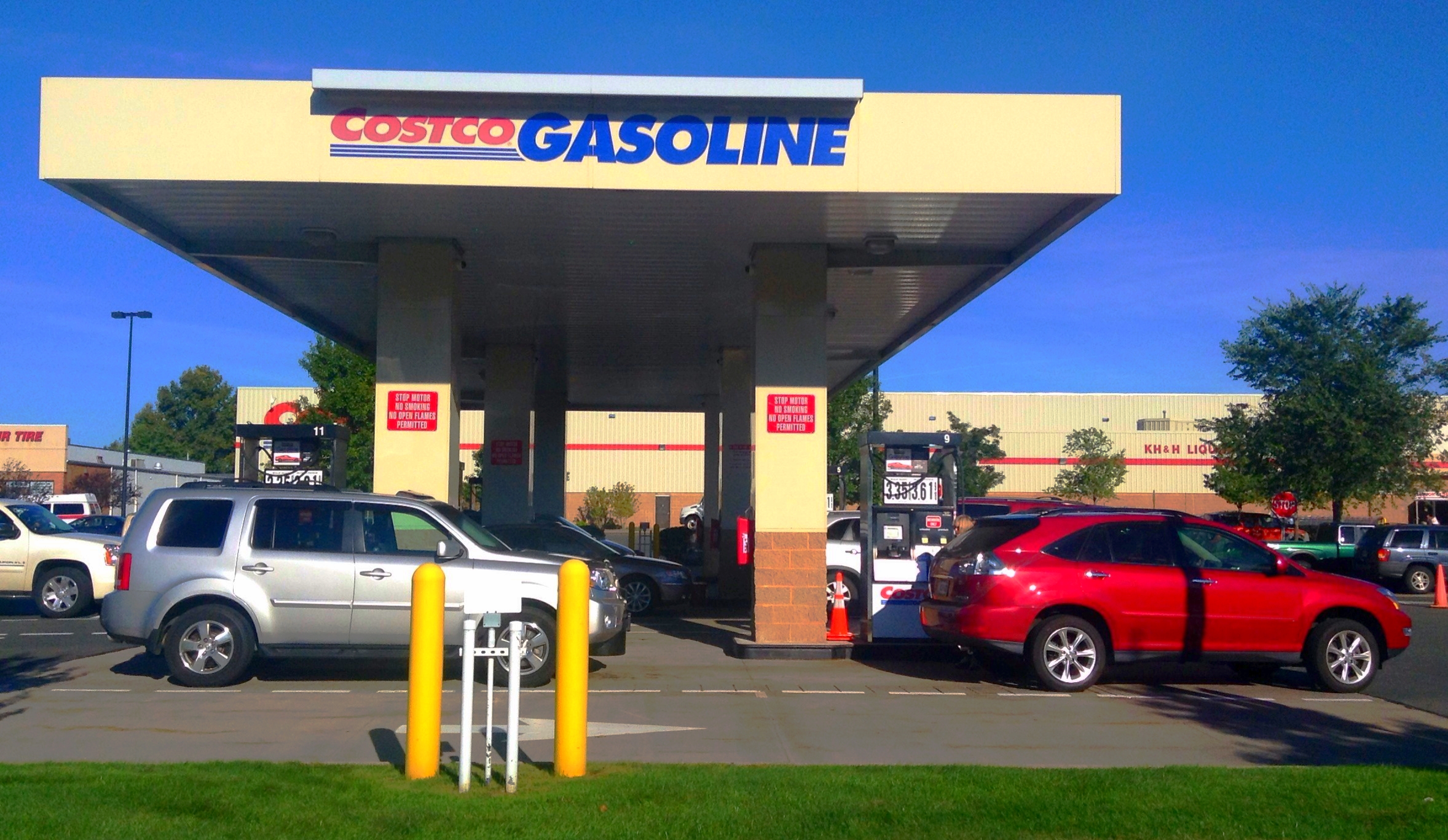
Your Costco membership just got more valuable, even if you never buy a 48-pack of toilet paper again. The retail giant is launching standalone gas stations—fuel-only facilities that strip away everything except the savings you’ve come to expect at warehouse pumps.
Mission Viejo Gets the Prototype Treatment
The first location opens late June 2026 in Mission Viejo, California, replacing a former Bed Bath & Beyond with 17,000 square feet of pure fuel efficiency. Forty pumps serve members exclusively—no convenience store, no impulse purchases, just Top Tier certified gasoline at Costco’s signature below-market pricing.
This isn’t about revolutionizing gas stations. It’s about recognizing what members actually want when prices hit $5.90 per gallon in Los Angeles County while national averages hover around $4.14.
The Math That Drives Member Loyalty
Fill a standard 23-gallon tank in Orange County and you’ll save roughly nine dollars—$128.34 versus $137.54 at current pricing. Those savings justify the membership fee faster than your morning coffee habit.
“When prices are higher, that will tend to cause members to maybe take the extra mile that it might involve to the gas station because of the incremental value they see there,” Costco CFO Gary Millerchip explained during the company’s Q2 2026 earnings call. Higher fuel costs paradoxically strengthen the membership value proposition.
Hawaii and Beyond Signal Serious Expansion
Iwilei, Honolulu—home to Costco’s highest-volume warehouse globally—receives the second standalone facility in 2027. Additional sites in Livonia, Michigan and other high-fuel-cost markets are under consideration, suggesting this isn’t a limited experiment.
The strategy targets areas where Costco’s pricing advantage delivers maximum impact. Expanding beyond its current network of warehouse-attached stations, the company focuses on high-volume fuel sales without retail distractions.
These standalone stations reinforce what Costco has understood since 1995: members don’t need another convenience store. They need consistent savings on commodities that matter—especially when filling up costs more than a decent dinner out.