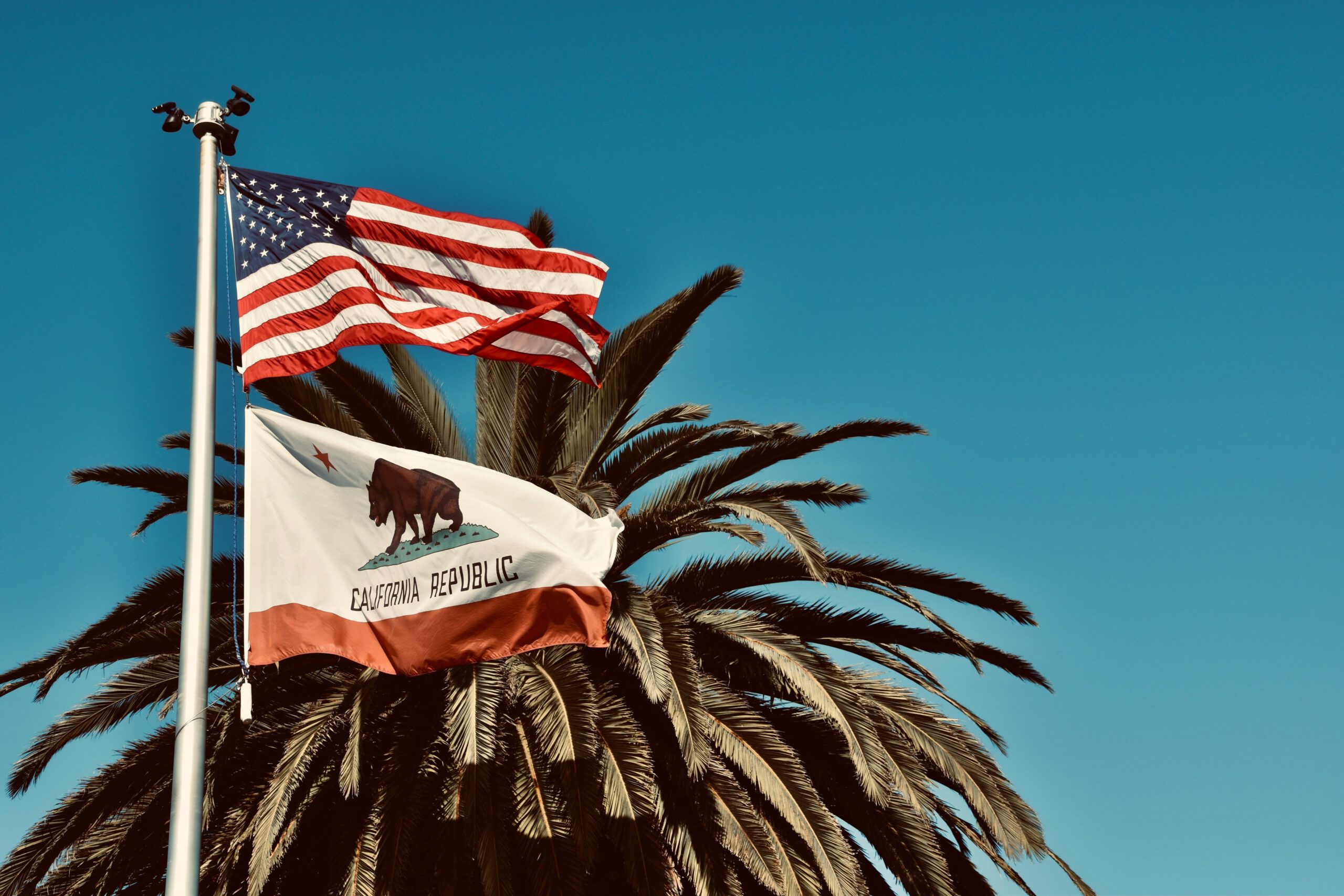
Summer 2026 could reshape how millions of American teens access TikTok, Instagram, and Snapchat. California’s Assembly Bill 1709 just cleared key committees, putting the state on track to ban social media platforms from serving users under 16. Massachusetts already passed similar legislation through its House with a decisive 129-25 vote.
These aren’t your typical partisan battles. Governor Gavin Newsom backs California’s effort, while Massachusetts found bipartisan support for even stricter measures. The bills target what lawmakers call “addictive features”—autoplay videos, infinite scrolling, algorithmic recommendations, and push notifications designed to keep users glued to screens.
How the Bans Actually Work
Each state takes a different approach to blocking underage access.
California’s approach focuses on platform mechanics rather than outright prohibition. AB1709, introduced by Assemblyman Josh Lowenthal, requires age verification before accessing features that create endless browsing loops. Users under 16 would face account deletions, while platforms risk unspecified penalties for non-compliance.
Massachusetts takes a harder line. Their legislation bans social media entirely for kids under 14, requiring parental consent for 14 and 15-year-olds.
Attorney General Andrea Campbell will enforce violations starting October 1, 2026, with $5,000 fines per incident. Think of it like buying cigarettes—except the ID check happens when you create an account, not at purchase.
Following Australia’s Playbook
Australia’s under-16 ban already forced massive platform changes.
This mirrors Australia’s 2026 under-16 ban, which forced platforms to delete approximately 4.7 million minor accounts almost overnight. Meta, Snapchat, and other companies had to rebuild their verification systems from scratch, creating costly geo-specific barriers that could become the new normal.
Public opinion supports these restrictions more than you might expect. A 2026 survey found 57% of U.S. adults favor social media bans for under-16s, with Republican support reaching 64%. Even critics like Jamie Huff from the Civil Justice Association of California acknowledge concerns while preferring family-led protections over government mandates.
Federal lawmakers are watching closely, with discussions about national under-16 restrictions gaining momentum. Your teenager’s social media experience is about to change dramatically—whether through state enforcement or platform compliance. The question isn’t if these changes are coming, but how quickly your family needs to adapt to a fundamentally different digital landscape.