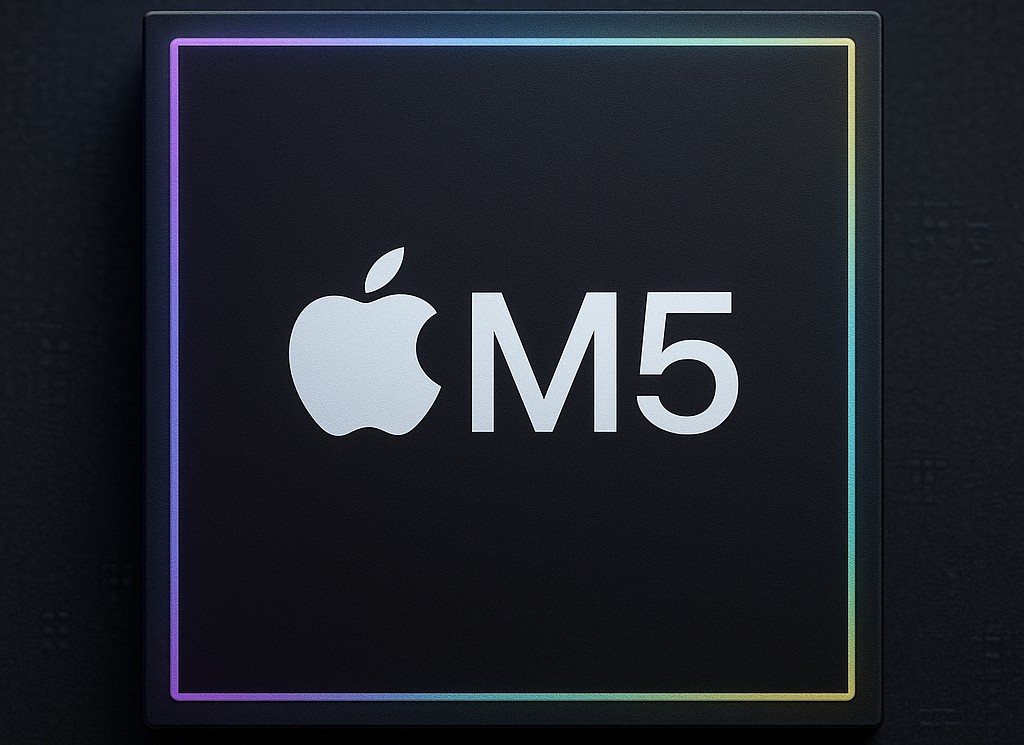
Your iPad Pro won’t be Apple’s silicon guinea pig for quite as long this time around. The M5 chip hits iPad Pro models in October 2025, but unlike the M4’s leisurely six-month head start over Mac, you’re looking at just three to four months before the first M5 MacBook Pro arrives in January 2026.
That compressed timeline isn’t the only thing changing—it might not even be the most important thing. Apple’s approach to premium tablets is shifting in ways that could finally justify those “laptop replacement” claims we’ve heard since 2018.
Software Finally Catches Up to Silicon
The M5 generation promises to deliver what the M4 couldn’t: software that matches the hardware’s ambitions.
Remember how the M4 iPad Pro launched with iPadOS 18, which basically ignored all that new horsepower? Your $1,300 tablet could edit 4K video like butter but couldn’t run two apps side-by-side without feeling like a phone pretending to be a computer. That disconnect ends with iPadOS 26.
The new OS reportedly brings:
- Full windowing support
- Desktop-class application management
These features actually justify the “Pro” in iPad Pro. You’ll finally get the laptop replacement Apple’s been promising since 2018, assuming the implementation lives up to the hype. For professionals who’ve been waiting for true multitasking capabilities, this software evolution represents the bigger story than any chip upgrade.
Hardware Plays It Safe (Mostly)
Expected performance gains focus on efficiency rather than revolutionary changes.
The M5 itself delivers predictable improvements: 10-15% performance gains on TSMC’s enhanced 3-nanometer process. Your video exports finish slightly faster, your Procreate canvases handle more layers, but nothing revolutionary.
What’s genuinely new:
- Dual front-facing cameras for portrait and landscape video calls
- Same ultra-thin OLED display (if it ain’t broke…)
- Identical premium build quality from the M4 generation
The conservative hardware approach makes sense when your biggest upgrade lives in software. Why redesign the chassis when you’re fundamentally reimagining how people use the device? This strategy echoes Netflix’s approach—invest heavily in content while keeping the delivery platform stable.
The iPad-First Era
Apple’s silicon rollout strategy reveals where the company expects future growth.
Apple’s strategic shift runs deeper than release schedules. Using iPad Pro as a silicon testbed—rather than Mac—signals where Cupertino sees growth potential. Your MacBook isn’t going anywhere, but Apple clearly believes the future involves more people choosing tablets for serious work.
This approach mirrors how streaming services now premiere shows on mobile before traditional TV slots. The audience that pays premium prices increasingly lives on:
- Portable devices first
- Desktops second
Content creators, digital nomads, and remote workers represent Apple’s target demographic for this iPad-centric strategy.
The broader implications extend beyond Apple’s ecosystem. Samsung’s Galaxy Tab Pro and Microsoft’s Surface Pro lines suddenly face a more credible competitor if iPadOS 26 delivers true desktop-class functionality. You’re witnessing the tablet market’s potential maturation from entertainment devices to legitimate productivity tools.
For current iPad Pro owners, this M5 generation poses the classic Apple dilemma: incremental hardware versus potentially transformative software. If iPadOS 26 delivers on desktop-class computing, your M4 model suddenly looks less future-proof. If it doesn’t, you saved yourself an expensive disappointment.
The smart play? Wait for October reviews. The M5 hardware won’t shock anyone, but iPadOS 26 could finally answer whether Apple’s most expensive tablet deserves replacing your laptop.