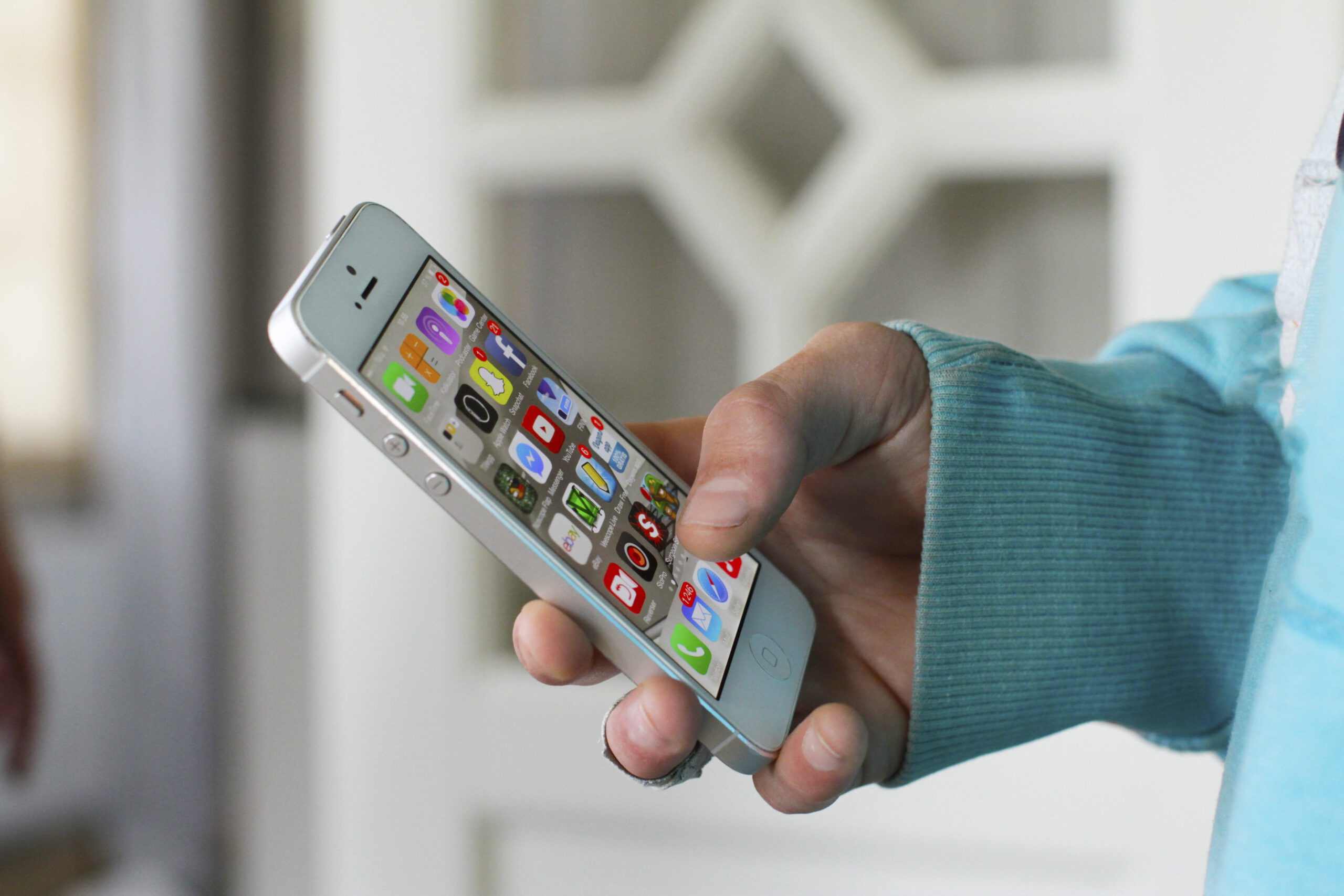
Your iPhone 4 sitting in that kitchen drawer just lost its last lifeline. Apple officially moved both the iPhone 4 and iPhone 5 to “obsolete” status, ending all repair services and parts availability through official channels worldwide. This isn’t just paperwork—it’s the final nail in the coffin for devices that once revolutionized how we think about smartphones.
What Obsolete Actually Means for You
Your repair options just got way more complicated and expensive.
Obsolete status means Apple and its authorized repair shops can no longer order replacement parts or provide any hardware service for these models. The seven-year post-discontinuation clock finally ran out—the iPhone 4 crossed that line years ago, while the iPhone 5 just hit the milestone. French users get a rare exception thanks to statutory warranty laws that require service and parts for up to seven years from when the product was last distributed, but everyone else faces a harsh reality: your local Apple Store will politely turn you away.
Third-party repair shops become your only option now, assuming they’ve stockpiled parts or can source them from the refurbished market. Expect to pay more and get less reliable service than Apple’s previous offerings.
The Great Device Purge of 2026
This is just the beginning of Apple’s latest support massacre.
The iPhone 4 and 5 represent the first wave of a broader reckoning hitting Apple’s product line. The iPhone XR approaches vintage status in September, while the iPhone 11 series teeters on the edge of reduced support.
Apple’s systematic approach treats device support like a conveyor belt—newer models push older ones toward inevitable obsolescence. The company argues this focus enables security updates and feature development for current hardware, but critics see planned obsolescence disguised as progress.
Your Next Move
Time to face reality about that backup phone strategy.
If your iPhone 4 or 5 still works, treasure it like the digital artifact it’s become. These devices introduced the Retina display and Lightning connector—genuine technological milestones now relegated to tech history museums. But banking on them for reliable communication means accepting the risks of aging hardware with zero official support infrastructure.
The smartest play? Upgrade before something breaks, because fixing it just became a much bigger headache than Apple ever intended.