That gas-saving app offering discounts at the pump? It might be grading your driving skills behind the scenes. A federal judge just cleared the way for drivers to sue Allstate Corporation over allegations the insurance giant secretly collected driving data from popular smartphone apps to jack up premiums or deny coverage entirely.
Massive Tracking Operation Gets Court Approval
Federal ruling consolidates 15 lawsuits alleging unauthorized surveillance through everyday smartphone applications.
U.S. District Judge Jeremy Daniel ruled March 3 that a class-action lawsuit against Allstate can proceed, consolidating 15 private suits from drivers across the country. The plaintiffs claim Allstate’s data subsidiary Arity embedded tracking software in everyday apps like GasBuddy, Fuel Rewards, Life360, and Routely—violating federal wiretapping laws by monitoring location, speed, braking patterns, and even phone usage without proper consent.
Texas Attorney General Ken Paxton filed a similar suit in January 2025, alleging Allstate collected “trillions of miles” of data from over 45 million drivers through smartphone sensors. Your phone’s accelerometer, GPS, and gyroscope became insurance underwriters you never hired.
The Data Behind Rate Hikes
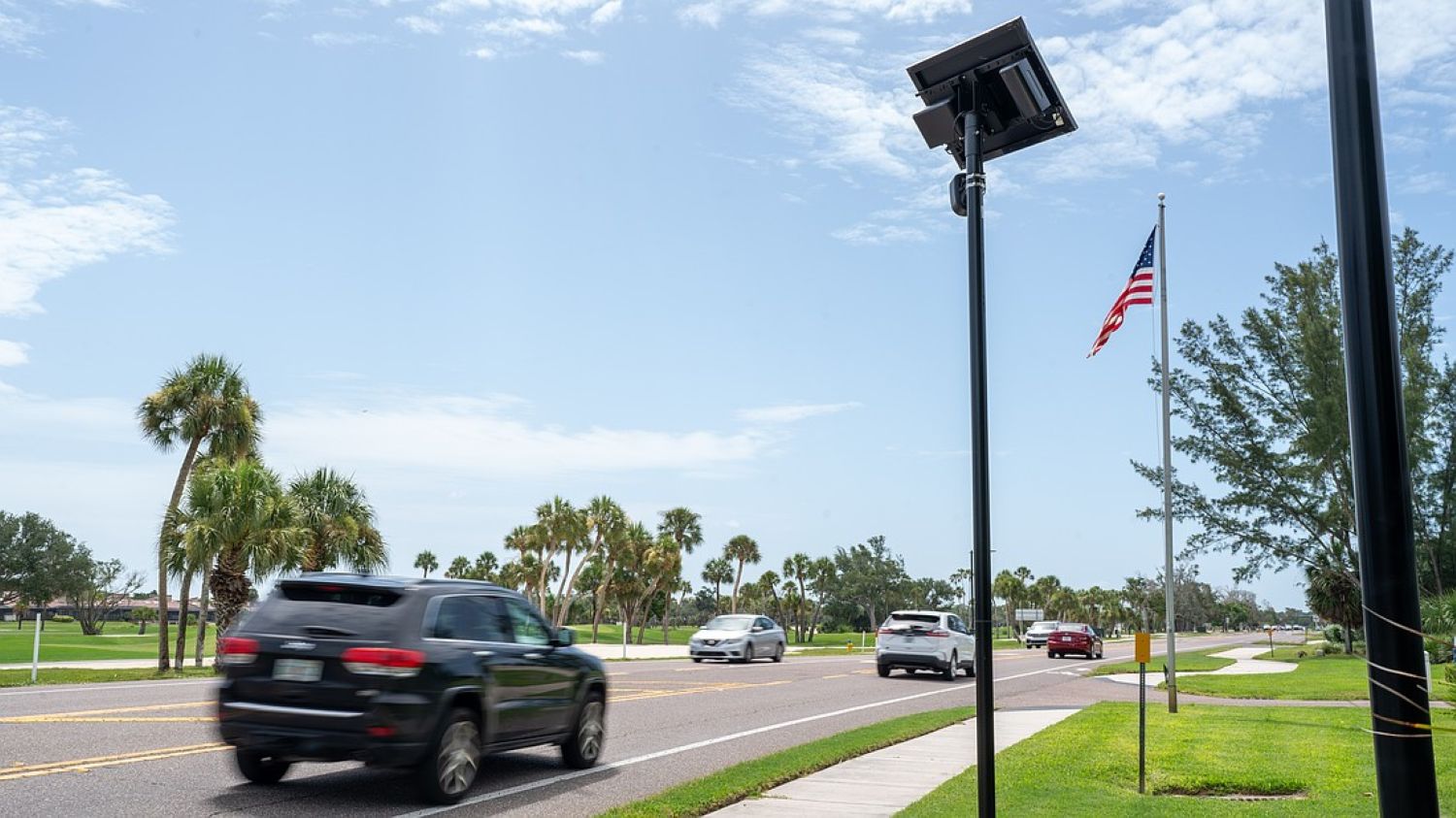
Arity’s tracking system allegedly monitored everything from hard braking to phone usage while penalizing drivers for behaviors they never performed.
The lawsuit reveals how modern surveillance capitalism works in practice. Arity’s software allegedly tracked everything from hard braking to phone usage while driving, then used this information to adjust insurance rates or cancel policies. The system reportedly made mistakes too—counting passenger rides against the phone owner and penalizing drivers for behaviors they never performed.
Company Claims Transparency
Allstate maintains drivers explicitly opted into data sharing through clear notices and privacy policy disclosures.
Allstate counters that privacy policies disclosed data collection possibilities and drivers explicitly opted in through clear notices. The company emphasizes these apps provide genuine benefits like emergency assistance and fuel tracking, with personalized insurance rates as an optional feature. “Consumers who choose to share driving data through Arity-powered apps can access emergency assistance, track fuel efficiency and unlock personalized insurance rates after a clear notice and explicit opt-in process,” Allstate stated.
This case highlights the growing tension between insurers seeking behavioral data and drivers discovering their smartphones double as corporate spies. While companies like Progressive and Geico also use telematics for safe-driving discounts, the Allstate allegations suggest the line between reward programs and surveillance has blurred beyond recognition.
The ruling affects laws in 20 states and could reshape how insurance companies collect and use driving data—assuming drivers even realize their apps are watching.
3/6/2026 — Correction: An earlier version of this article’s title implied that Allstate tracked drivers through their cellphones without their knowledge. The headline has been updated to clarify that the claim comes from allegations in a lawsuit and has not been proven in court.