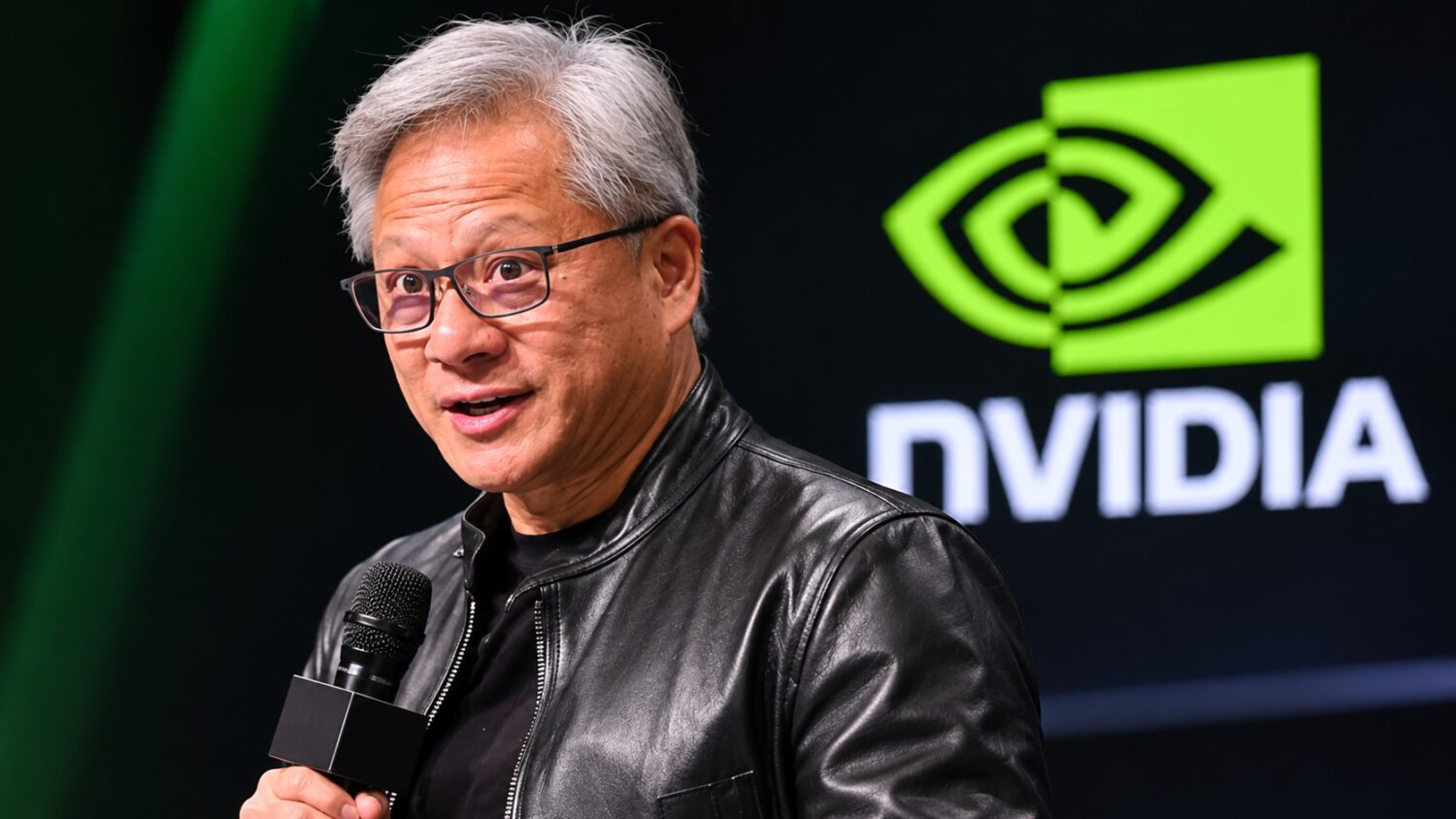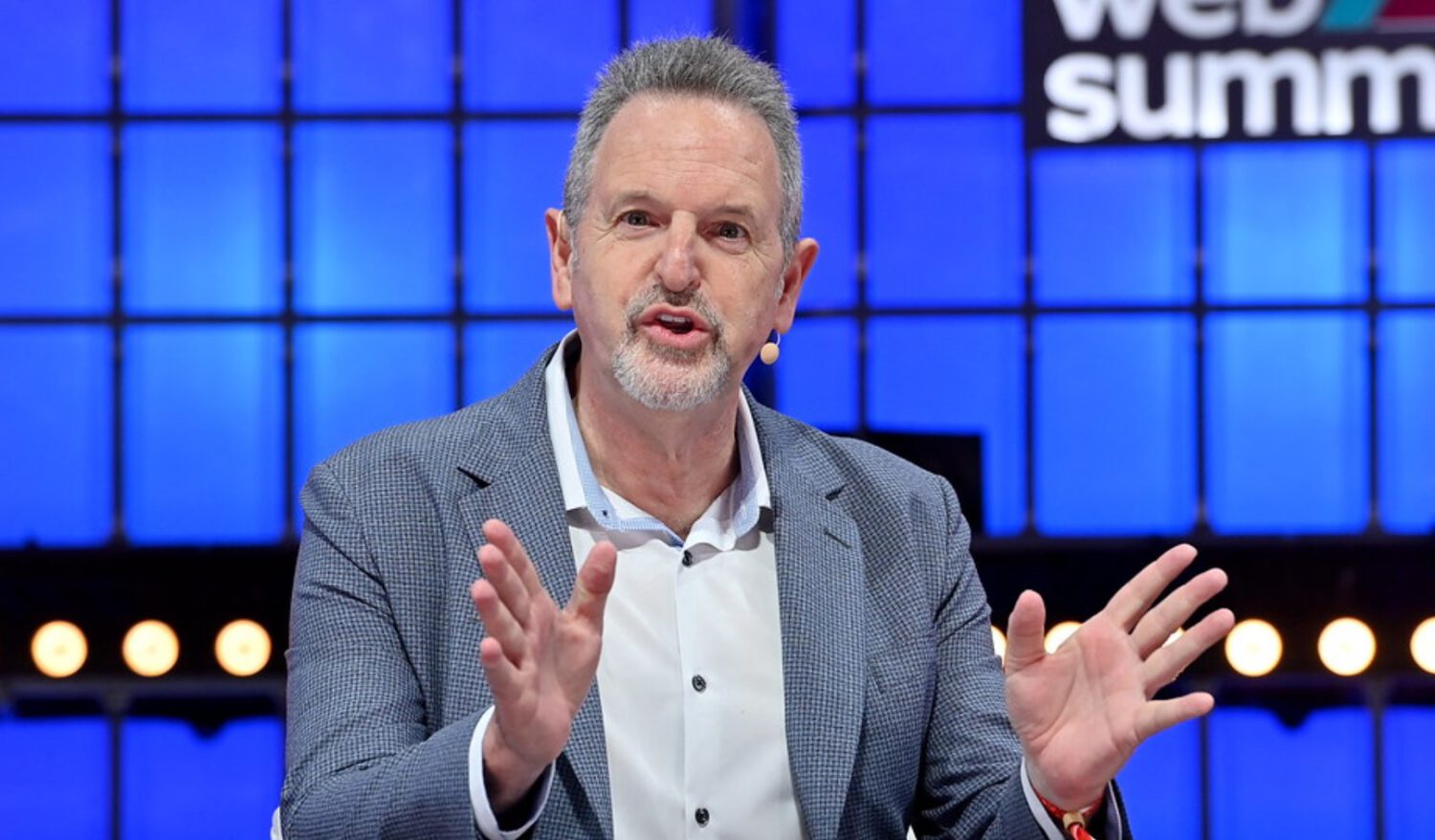
Arm shares dropped sharply Friday after the Financial Times reported Nvidia’s board had approached CEO Rene Haas about succeeding Jensen Huang.
No offer has been made, and there is no guarantee Haas would accept one. Reuters said it could not independently verify the Financial Times report, and Arm declined to comment.
Nvidia had not responded to requests for comment at the time of reporting. The story remains a reported approach, not a corporate announcement.
Why Haas Is in the Frame
His seven years at Nvidia, according to Reuters, made his name circulate among analysts as soon as reports of Huang’s pending exit emerged.
Haas served as vice president and general manager of Nvidia’s computing-products business before joining Arm. That prior experience positioned him as a plausible external candidate in analysts’ assessments cited by Reuters.
He became Arm’s CEO and a board member in February 2022. During his tenure, Arm completed its 2023 IPO, joined the Nasdaq-100, and nearly doubled revenue and profit, according to Arm’s official leadership materials.
What Is Actually Confirmed
Haas is reportedly one of several candidates under consideration; no offer has been made and no timeline has been reported.
Reuters described him as one of several people being considered, with no guarantee of an offer or acceptance. Neither Arm nor Nvidia had confirmed any leadership change in the available reporting.
Who Else Nvidia Is Considering
Reuters identified both internal and external candidates as Nvidia’s board weighs its options.
Internal candidates reportedly include engineering leader Ian Buck, whom analysts described to Reuters as a stronger long-term possibility, and CFO Colette Kress, viewed as a potential interim choice. Haas represents the external track in that reported field.
Why This Hits Arm Hardest
Arm is expanding into AI and data-center computing, and a potential leadership change raises questions about continuity that investors moved quickly to price in.
Arm’s processor architecture already underpins Nvidia’s Grace and Vera CPU platforms, linking the two companies strategically. The market reaction reflected concern about disruption to that expansion, even without a confirmed appointment.
A Haas departure would prompt questions about succession planning, customer relationships, and the pace of Arm’s AI push. Those are analytical implications based on the reported approach, not confirmed corporate outcomes.
The Sector Felt It Too
The Philadelphia Semiconductor Index fell roughly 5% Friday, with AMD and Broadcom among the notable decliners.
Nvidia’s central position in AI infrastructure means its leadership uncertainty carries weight beyond any single company. Investors reassessed risk across the semiconductor sector as a result, according to market reporting.
Where This Leaves Both Companies
Until a confirmed decision arrives, both Arm and Nvidia face investor scrutiny that was absent before this report.
If Haas remains at Arm and Nvidia selects another candidate, Friday’s selloff may prove to be a sentiment shock with limited lasting impact. If the search extends, both companies face continued pressure on governance and execution from investors seeking clarity.
The core fact remains unchanged: a reported approach is not an appointment, and markets moved on a story that neither company has confirmed.