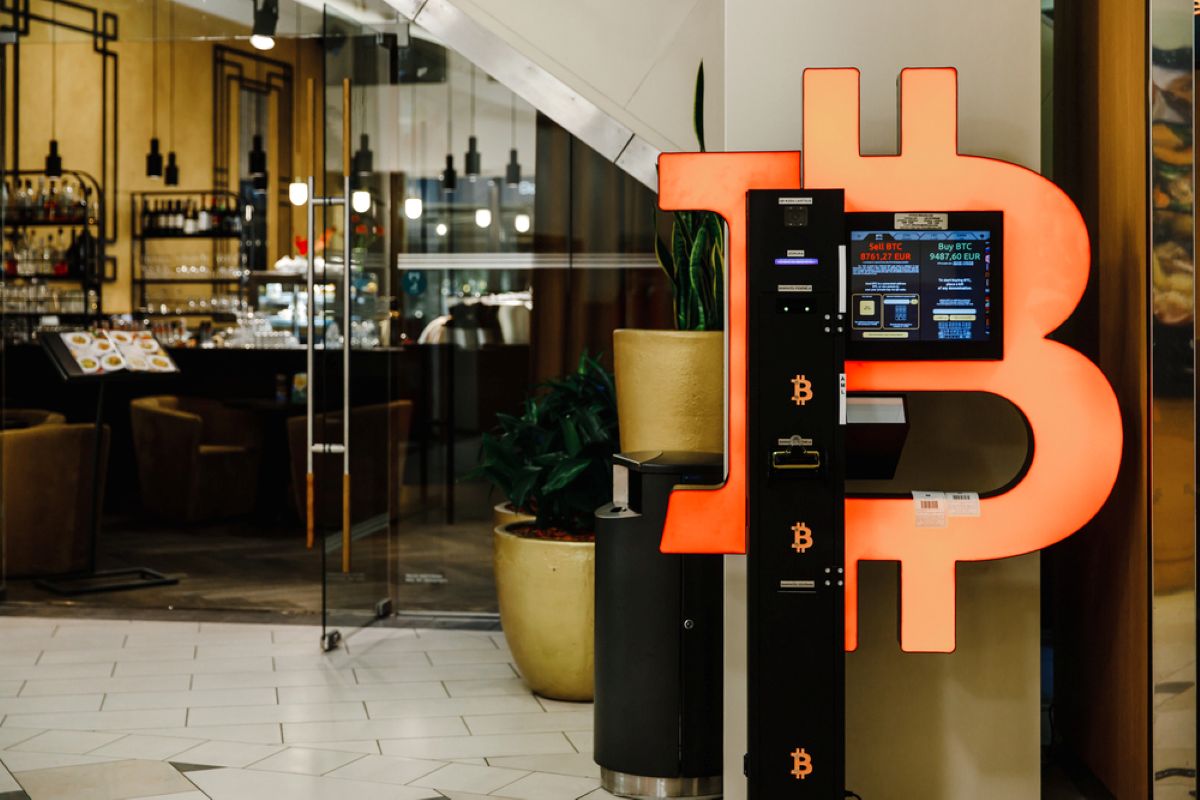
The crypto ATM industry confronts a perfect storm of fraud complaints and regulatory pressure. FBI data reveals crypto ATMs generated 13,460 fraud complaints last year, costing victims $389 million. This regulatory reckoning has forced widespread changes across the industry, with operators facing unprecedented legal and compliance challenges that threaten their business models.
When Prevention Measures Fail
Enhanced security protocols prove insufficient against mounting fraud and regulatory scrutiny.
The crypto ATM sector has faced major legal and regulatory pressure, including lawsuits from attorneys general over alleged facilitation of crypto scams. Industry operators have implemented enhanced identity verification, customer fraud warnings, and lower transaction limits, but these measures have not offset the damage from legal and regulatory headwinds.
State enforcement actions have targeted multiple operators for allegedly using misleading sales tactics and failing to maintain adequate fraud safeguards. The regulatory environment has become increasingly hostile, with stricter compliance obligations, transaction caps, and outright bans in some jurisdictions making traditional business models unsustainable.
States Draw Battle Lines
Multiple states implement bans and restrictions as federal pressure intensifies.
Indiana became the first state to implement an outright ban on crypto ATMs, while thirty states have introduced bills related to crypto kiosks as regulatory momentum builds nationwide. These machines, often tucked into gas stations and convenience stores, became lightning rods for elder fraud schemes—like digital quicksand for seniors convinced they’re paying fake government fines or helping stranded grandchildren.
Among cases where victim age was known, individuals 60 and older accounted for 86 percent of crypto ATM fraud losses, making elder protection a key driver of regulatory action.
Survival of the Compliant
Industry consolidation looms as operators face higher compliance costs and shrinking margins.
The industry’s promise of bridging cash and crypto has collapsed under the weight of reality: irreversible transactions and virtually no consumer protections. These transactions aren’t covered by FDIC insurance, have fewer identity checks, and once money is sent it cannot be reversed—with no customer support team to help recover assets.
The broader crackdown suggests this may be less an isolated incident than a warning sign for the wider crypto ATM sector. Surviving operators will need deeper pockets for compliance, better fraud detection, and probably fewer machines overall. The remaining question isn’t whether crypto ATMs will disappear entirely, but whether survivors can build sustainable businesses that don’t rely on exploiting the financially vulnerable.