After losing a surveillance camera battle, one Texas city councilman is threatening the digital equivalent of taking his ball and going home. Jeff Flowers wants Bandera to ban smartphones, shut down internet service, and return to “1880-style” cash-only commerce—all because residents dared to question his beloved license plate readers.
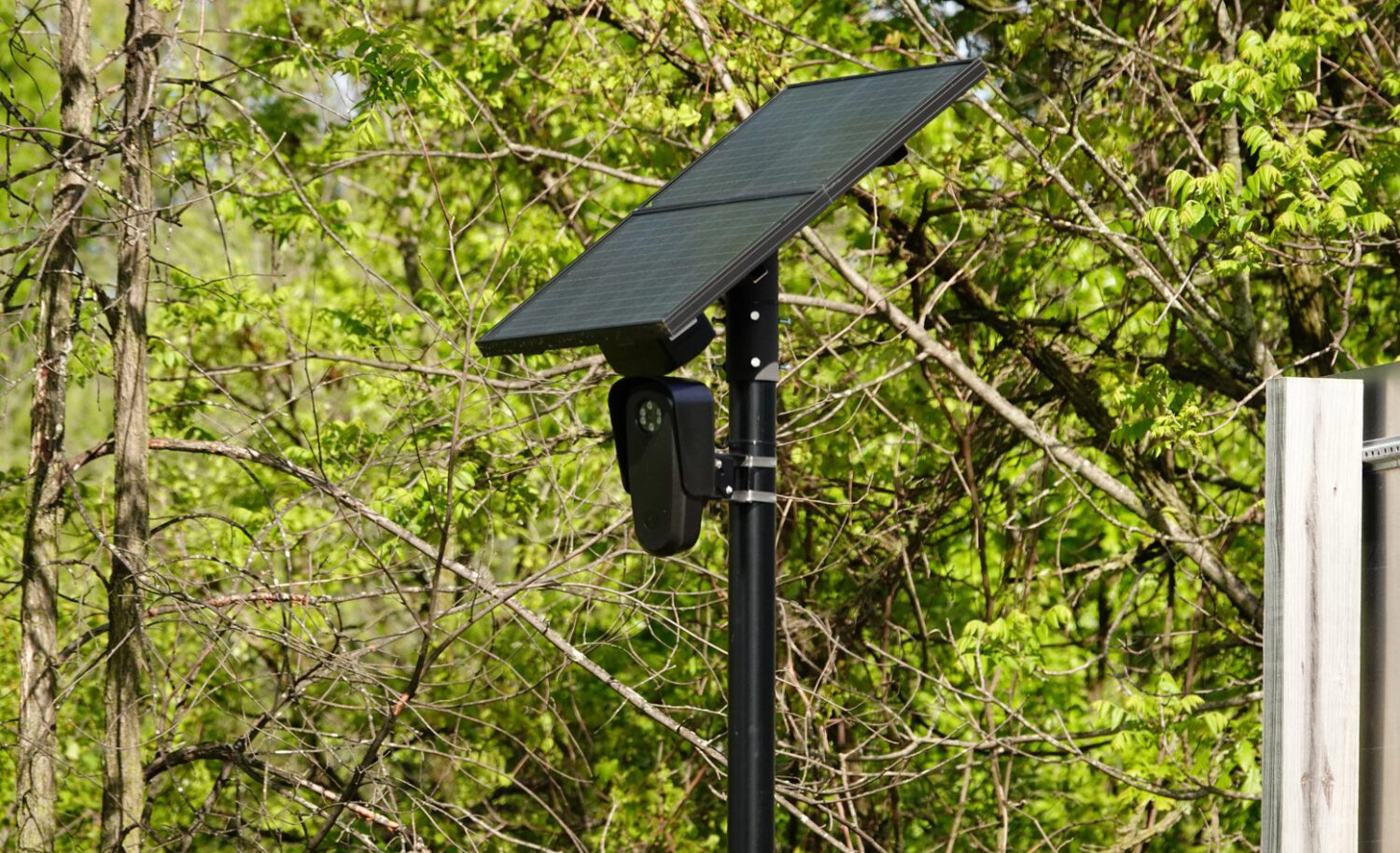
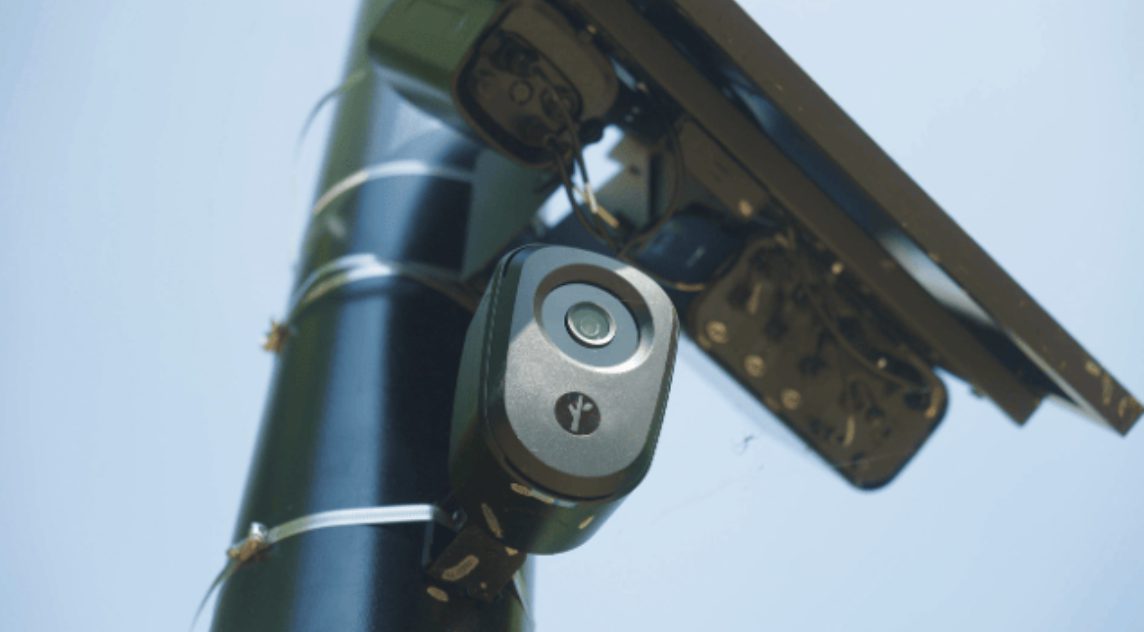
The drama started when Bandera, population 900 and proudly calling itself the “Cowboy Capital of the World,” installed Flock Safety’s automated license plate recognition cameras using a $14,000 state grant. These AI-powered systems photograph every vehicle entering town, storing license data for 30 days while promising to catch bad guys and solve crimes.
Problem was, residents didn’t want Big Brother watching their comings and goings. Town halls packed with angry neighbors questioning why their ultra-low-crime community needed mass surveillance. Someone even vandalized a camera pole, forcing costly repairs. After five contentious meetings, the city council voted to kill the program entirely.
The “Digital Independence” Meltdown
Flowers frames surveillance opponents as hypocrites for carrying smartphones
That’s when Flowers reportedly lost it. Rather than accept democratic defeat, he’s proposing what he calls the “Bandera Declaration of Digital Independence“—a package of ordinances banning cellular devices within city limits, outlawing outward-facing cameras, and eliminating electronic record-keeping. His logic? If you oppose government surveillance for privacy reasons, you should also reject smartphones that track your every move.
It’s political theater disguised as principled policy. Flowers frames residents who cut down camera poles as hypocrites for carrying iPhones while demanding privacy from police databases. The false equivalency is staggering—voluntary use of personal devices with multiple providers versus mandatory government tracking systems are completely different privacy questions.
The Bigger Tech War
Texas funds both massive broadband expansion and strict device restrictions simultaneously
This small-town meltdown reflects broader American tensions over digital surveillance and device control. Texas simultaneously pushes $3.3 billion in rural broadband expansion while requiring school districts to ban student phones during class. The state funds both connectivity and digital restrictions, creating policy whiplash that plays out in places like Bandera.
Flowers’ extreme response won’t pass—you can’t run a tourism-dependent economy on paper ledgers and cash transactions in 2024. But his tantrum reveals how some officials respond to privacy activism: not with nuanced policy discussions, but with threats to nuke all technology rather than admit surveillance overreach. Small towns deserve better than surveillance salesmen and digital dictators.