Your favorite ski getaway might lose the lights. Nevada’s largest utility just told 49,000 Lake Tahoe residents they’re getting disconnected in May 2027—not because the power grid failed, but because Google, Apple, and Microsoft need that electricity for their AI data centers instead.
The AI Energy Squeeze Hits Paradise
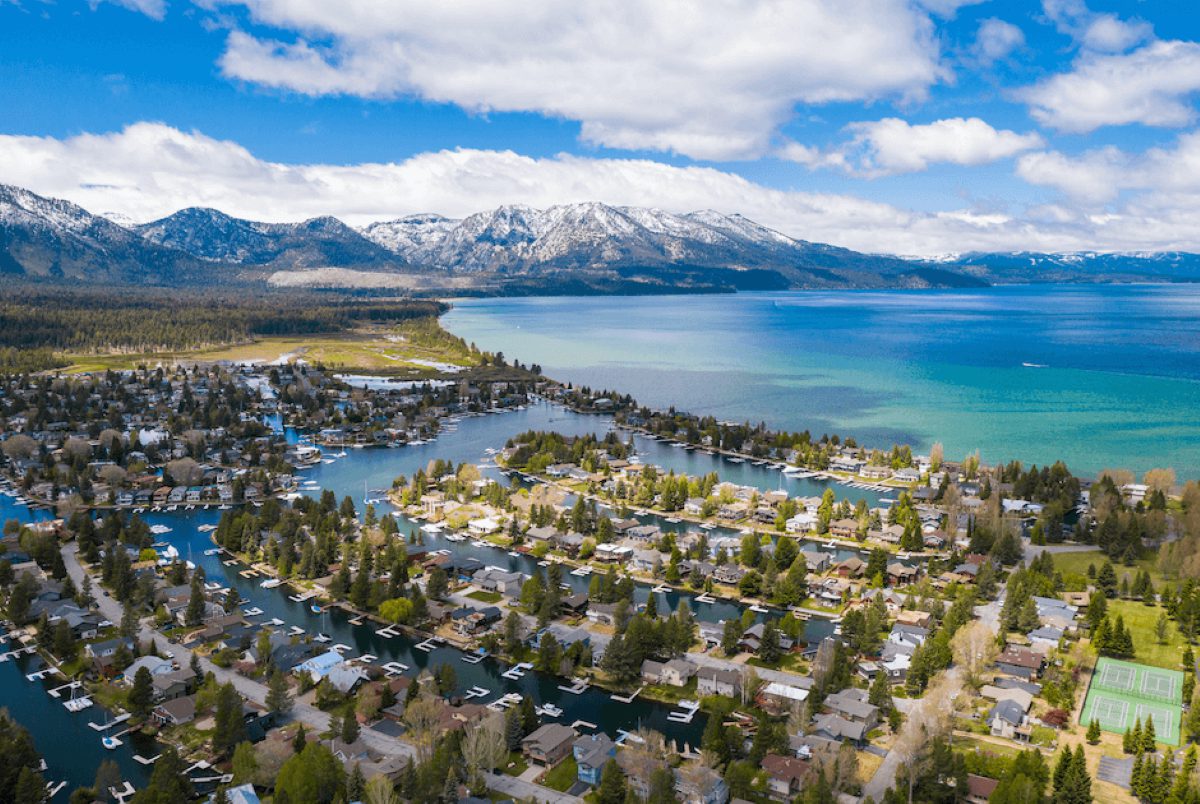
NV Energy, which supplies 75% of the electricity keeping South Lake Tahoe’s casinos humming and ski lifts running, announced it’s ending service to Liberty Utilities after their contract expires. The reason? Data centers in Northern Nevada are projected to demand 5,900 megawatts by 2033—enough to power roughly 4.4 million homes.
That’s a staggering jump from the 22% of Nevada’s electricity data centers consumed in 2024, potentially reaching 35% by decade’s end. The timing isn’t coincidental. Major tech companies have been building massive facilities at the Tahoe-Reno Industrial Center, creating what industry experts call “unprecedented” demand on the regional grid.
Residents Pay the Price for Tech’s Appetite
Liberty Utilities customers already feel the squeeze in their wallets. Rates have jumped 100% over four years, with an 11.4% increase approved for 2025 adding roughly $37 monthly to average residential bills. That pain comes before the real uncertainty hits: finding replacement power in an increasingly competitive Western energy market.
“It’s like we don’t exist,” Danielle Hughes, CEO of local advocacy group Tahoe Spark, told Fortune. Hughes, who also supervises energy programs for the California Energy Commission, calls the situation “resource extraction” that ignores low-income residents and the area’s unique winter tourism demands.
Lake Tahoe sits in a “grid island” within Nevada’s system but serves California customers under California rate oversight, with federal authorities controlling wholesale transactions. The regulatory maze makes accountability nearly impossible.
David Meets Goliath in the Power Markets
Liberty plans a summer 2026 request for proposals to replace NV Energy’s supply, prioritizing California renewables and affordability. But they’re entering a market where data centers can outbid residential customers by massive margins, and transmission capacity remains limited despite the $4.2 billion Greenlink West line coming online alongside their deadline.
This isn’t just Tahoe’s problem—it’s a preview of how AI’s energy hunger reshapes communities nationwide. When your vacation destination can’t keep the lights on because ChatGPT needs more servers, the abstract promises of artificial intelligence suddenly feel very real.