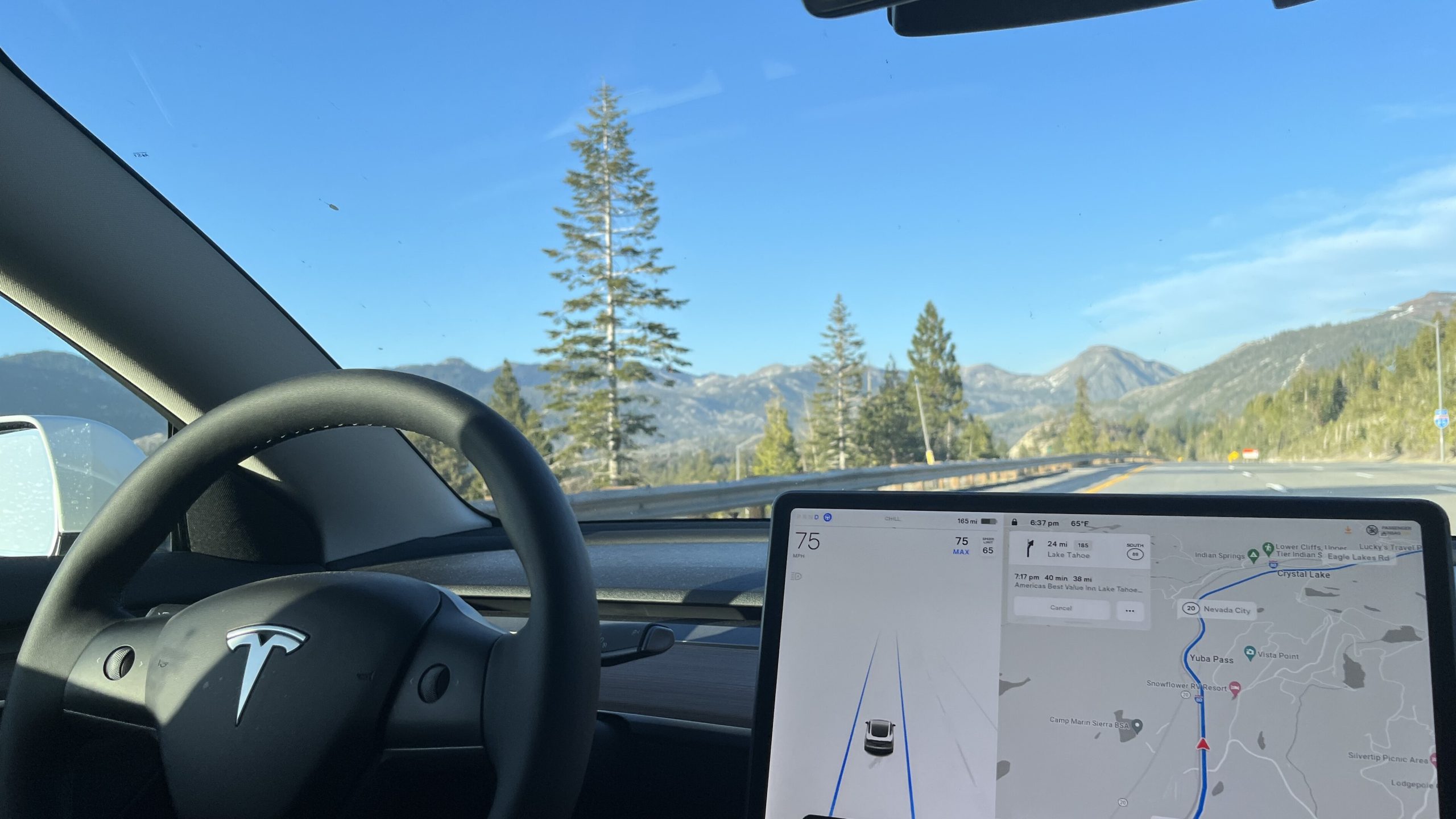
Rain-soaked highways expose the best and worst of automated driving. Tesla’s safety systems demonstrate genuine protective capabilities, though separating verified performance from marketing hyperbole requires careful analysis of actual data rather than viral anecdotes.
The challenge lies in understanding what these systems actually accomplish versus what promotional materials promise they’ll deliver.
The Numbers Behind the Safety Claims
Claims that Autopilot significantly reduces crashes aren’t supported, and lack key context
Claims that Tesla’s collision-avoidance systems dramatically reduce crashes are often based on selective comparisons, and the underlying data does not directly support that conclusion. The automatic emergency braking works particularly well in rear-end scenarios — the kind of mundane accidents that happen when you’re checking your phone at a red light.
But here’s what those statistics don’t capture: most Autopilot miles happen on highways under ideal conditions. Your daily urban driving, complete with construction zones and aggressive lane-changers, presents different challenges entirely.
What Actually Works (And What Doesn’t)
Current Tesla safety features excel in predictable situations but struggle with the unexpected.
Tesla’s forward collision warning genuinely saves lives in straightforward scenarios. The system excels at detecting large, slow-moving objects and can intervene when following distances shrink dangerously. Side collision avoidance helps during lane changes, though it won’t catch every motorcycle in your blind spot.
The reality check comes with documented limitations. Research shows drivers became complacent over time with Autopilot engaged, failing to monitor the system and engaging in safety-critical behaviors. These aren’t theoretical risks — they’re behavioral patterns that remind us why human oversight remains essential.
The Marketing Reality Gap
Tesla’s promotional timeline sometimes overshadows genuine technological progress.
Tesla’s habit of overpromising autonomous capabilities has created unrealistic expectations about current safety features. Remember when “Full Self-Driving” was supposed to arrive by 2020? That disconnect between marketing timeline and engineering reality affects how people use these systems today.
Your Tesla’s safety features work best when you understand their actual capabilities rather than their promised potential. As Tesla’s own documentation states: “The currently enabled Autopilot, Enhanced Autopilot and Full Self-Driving features require active driver supervision and do not make the vehicle autonomous.”
The verdict? Tesla’s safety systems offer real protection in specific scenarios, but they’re sophisticated driver assistance, not replacement drivers. For those comparing electric options, understanding these safety limitations helps make informed decisions about automotive technology.
Editor’s Note: The original version of this article contained NHTSA data that was not accurate. These have been removed.