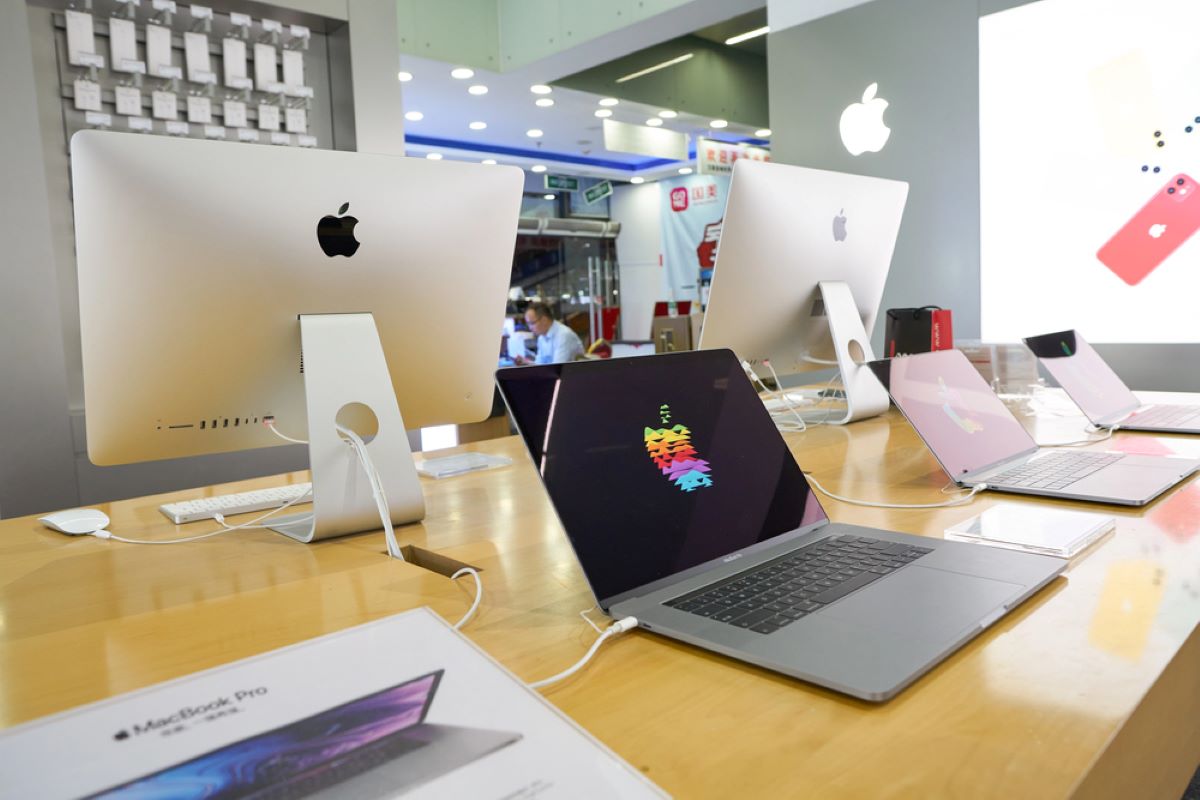
Apple’s laptop shipments will surge 22% next year while every major competitor watches their numbers shrink. This isn’t just another tech trend—it’s a fundamental shift that makes MacBooks the smart choice when everyone else is hiking prices.
Market Position Revolution
Apple leapfrogs Dell to claim third place as DRAM crisis hammers Windows laptops.
Sigmaintel projects Apple will ship 28 million MacBooks in 2026, rocketing past Dell’s expected 22.5 million units. Meanwhile, the overall laptop market craters 8% to 181.1 million units as DRAM shortages send component costs through the roof. Apple becomes the only major manufacturer actually growing shipments while Lenovo and HP maintain their top spots through sheer volume, not momentum.
Just two years ago, MacBooks held fourth place with mediocre growth. Now they’re eating Dell’s lunch while the broader PC industry bleeds market share.
The Technical Edge That Changes Everything
Unified memory architecture lets MacBooks dodge the chip shortage crushing Windows rivals.
Apple’s secret weapon isn’t marketing—it’s engineering. The unified memory architecture in M-series chips creates a shared, high-bandwidth pool for CPU, GPU, and neural processing units. Translation: MacBooks need less actual DRAM to deliver comparable performance, insulating Apple from the supply crunch hammering traditional laptop makers.
While competitors scramble to secure expensive memory chips, Apple’s locked-in supply deals and architectural efficiency maintain steady pricing. Surface laptops exemplify the pricing chaos—the Surface Pro 13-inch jumped from $999 to $1,499, pushing Microsoft’s laptops above comparable MacBooks in many segments.
The MacBook Neo sweetens the deal further. At around $599, this entry-level model targets budget shoppers while serving as a gateway to Apple’s ecosystem—think App Store purchases and iCloud subscriptions that boost long-term revenue.
What This Means for Your Next Laptop
Stable pricing in a volatile market makes MacBooks unexpectedly practical.
Shopping for a laptop right now feels like navigating a minefield of inflated prices and compromised specs. Apple’s supply chain advantages translate into real-world benefits: predictable pricing when competitors are adding surprise markups monthly.
According to Sigmaintel, “Apple is the only major OEM in the notebook space to clock meaningful growth this year.” That growth reflects consumer votes with their wallets, choosing reliability over the chaos of Windows laptop pricing.
The shift creates opportunities for buyers willing to embrace macOS. Professional creatives already know MacBooks deliver consistent performance. Now budget-conscious users get viable entry points while Windows laptops struggle with component costs. This market upheaval rewards patience and strategic timing.