
Before the era of specialized spray bottles taking over entire grocery aisles, our grandparents approached household chores with an ingenuity that’s frankly humbling. They understood that your kitchen pantry was basically a secret weapon cache. White vinegar, primarily acetic acid (typically 5%), wasn’t just for salad dressing—it dissolved mineral deposits, removed stains, deodorized fabrics, and softened water. This multi-purpose cleaner handled tasks that would now require a cocktail of pricey, single-use chemicals. It was a philosophy of resourcefulness, proving that effective solutions were often hiding in plain sight, ready to save you a bundle.
40. Multi-purpose white vinegar
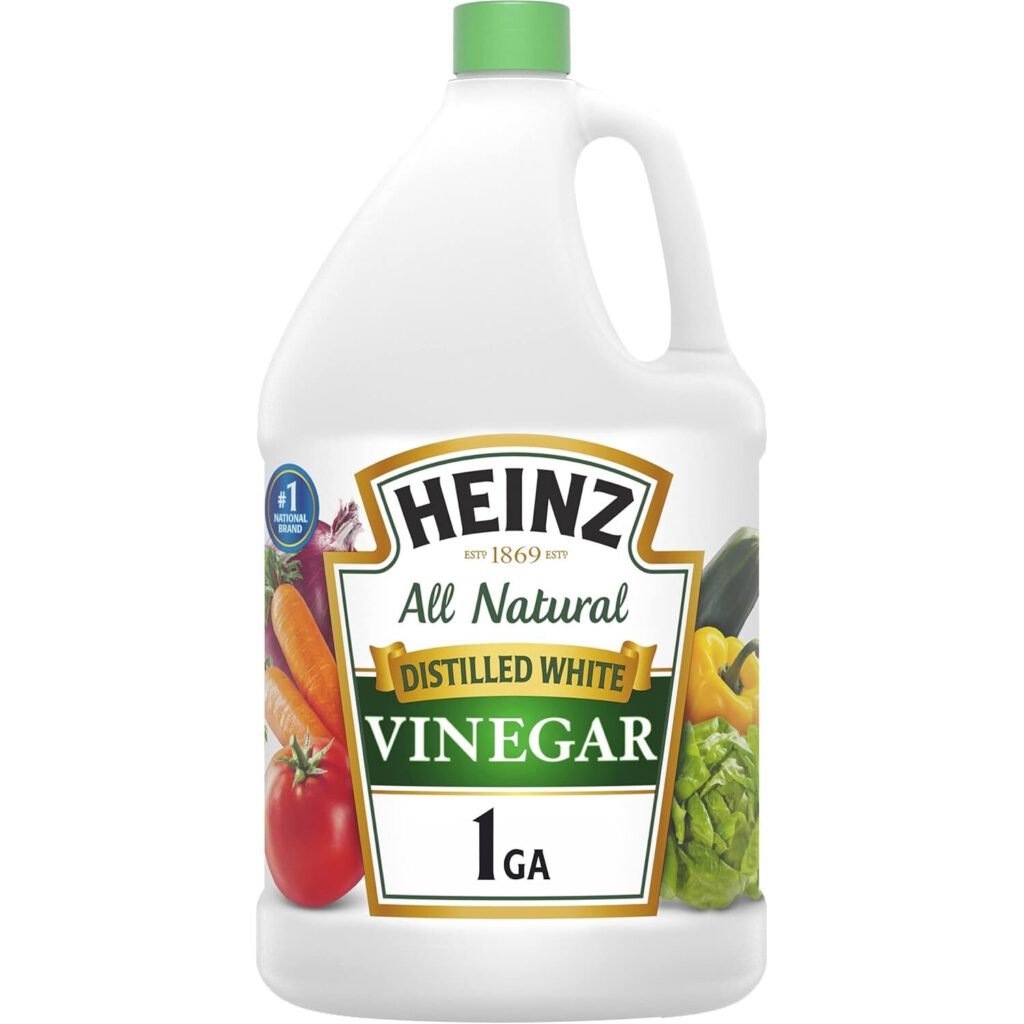
White vinegar served as the original all-purpose cleaner, replacing multiple expensive products with one versatile bottle.
White vinegar, with its primary acetic acid component, has been a cornerstone of economical cleaning for decades. This versatile liquid replaced numerous expensive chemical cleaners, effectively dissolving mineral deposits, lifting stubborn stains, and neutralizing odors in fabrics. Beyond cleaning, its applications extended to soothing sunburns and descaling coffee makers, thereby prolonging appliance life. By swapping out multiple pricier products for this one multi-tasker, families saved significant money on cleaning supplies while achieving better results than many modern alternatives.
39. Potato for rust removal

Raw potatoes contain oxalic acid that naturally dissolves rust without harsh chemicals or expensive replacements.
Rusty tools don’t have to be a one-way ticket to the hardware store. Your kitchen drawer might hold the answer. A humble raw potato, armed with oxalic acid, chemically reacts with rust, softening it up for an easy scrub. Just grab a cut potato half, dip it in some salt or baking soda, and go to town on those neglected blades. This non-toxic, practically free method will revive your trusty gadgets and keep them sharp without introducing harsh chemicals, saving you cash and hassle.
38. Wooden spoon on a boiling pot

Placing a wooden spoon across a pot’s rim prevents boil-overs by breaking surface tension through hydrophobic properties.
Overflowing pots are the kitchen equivalent of a smartphone notification blowing up your spot during an important meeting. But forget juggling utensils or frantically grabbing paper towels. A wooden spoon laid across the rim of a bubbling pot works like a bouncer for bubbles. Wood’s hydrophobic nature means it repels water, and its cooler surface makes steam bubbles pop before they can get too big and overflow. It’s a zero-cost hack, saving cleanup time and letting your hands focus on actually cooking.
37. Cinnamon to repel ants
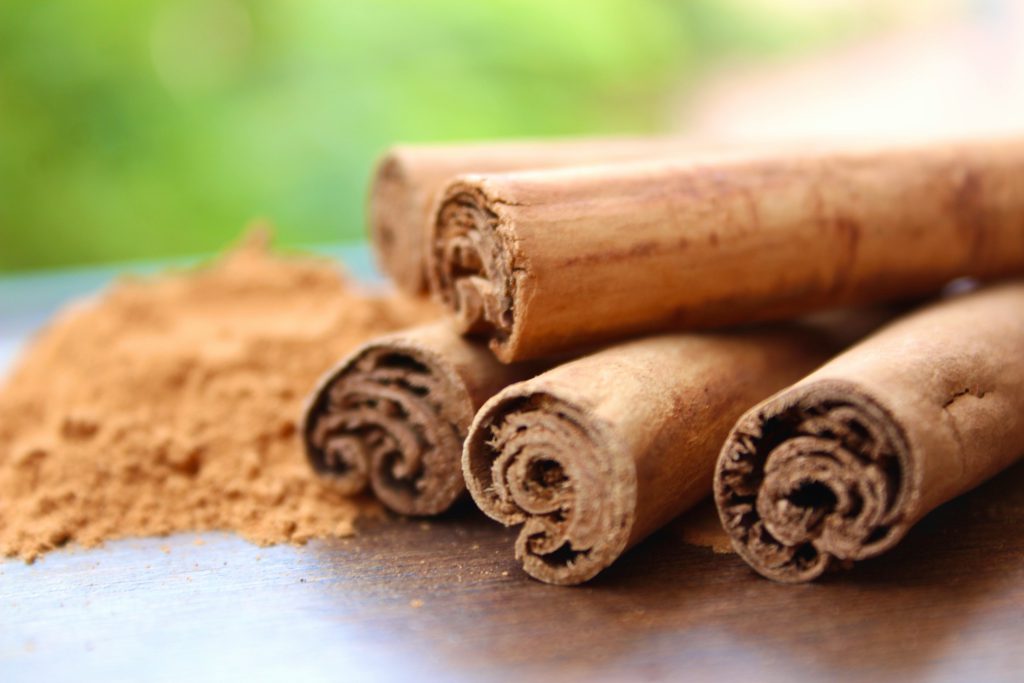
Ground cinnamon’s essential oils disrupt ant pheromone trails while adding pleasant fragrance to your home.
Forget those toxic sprays that smell like a chemical spill in a pine forest. Cinnamon packs a fragrant punch thanks to its potent essential oils, specifically cinnamaldehyde, which essentially short-circuits their ant-brain GPS. Just a sprinkle at their usual entry points makes their pheromone trails confusing and irritating to their tiny antennae. It’s like dropping an old dial-up modem into a fiber optic network for them. Plus, instead of that harsh chemical scent, your home gets a pleasant, warm aroma.
36. Ice cubes to restore carpets
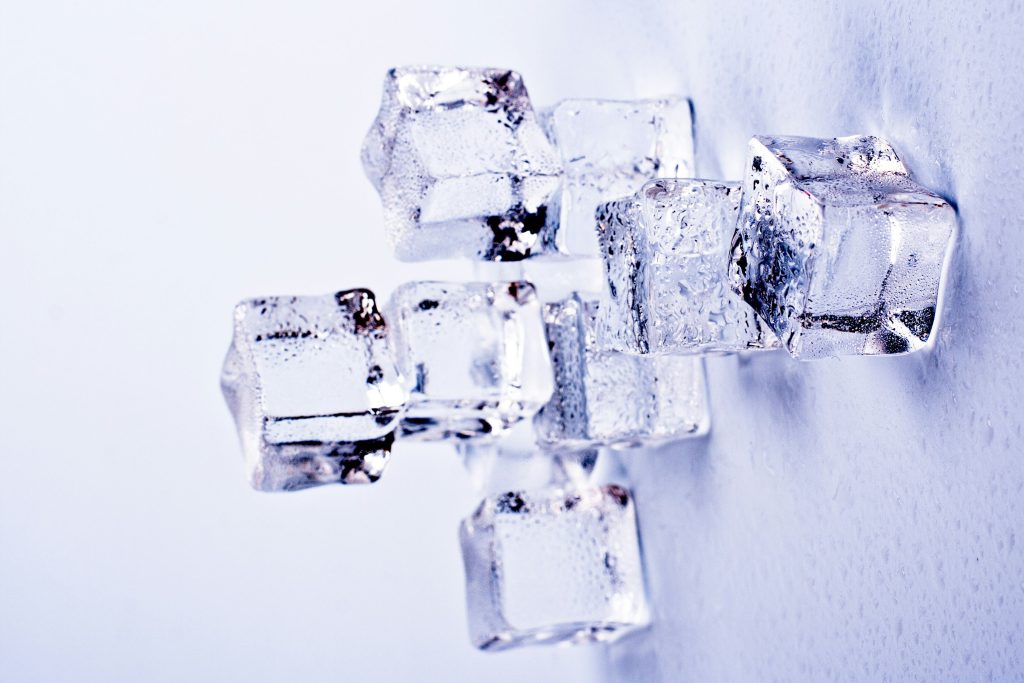
Melting ice cubes rehydrate compressed carpet fibers, allowing them to spring back without expensive professional cleaning.
Anyone who’s ever wrestled a sofa or rearranged their living room knows the sinking feeling of discovering furniture dents that just won’t budge from the carpet. Just grab a few ice cubes from the freezer and let them sit on the flattened carpet spots. As they melt, the water rehydrates the compressed fibers, encouraging them to spring back to life. Once they’ve done their chilly work, a quick brush or vacuum pass is all it takes to restore the pile.
35. Cold milk for sunburn

Milk’s proteins create a cooling, moisturizing film on sunburned skin while reducing inflammation naturally.
Before SPF 30 was a household name, people turned to the dairy aisle for sunburn relief. The proteins in milk, like casein and lactalbumin, do a neat trick: they form a cooling film on your skin. Applying a milk-soaked cloth felt like a gentle hug from a snow angel, reducing that fiery sting and inflammation. This resourceful hack highlights how innovation isn’t always about new gadgets; sometimes it’s just understanding what’s already in your kitchen.
34. Cold tea bags for tired eyes
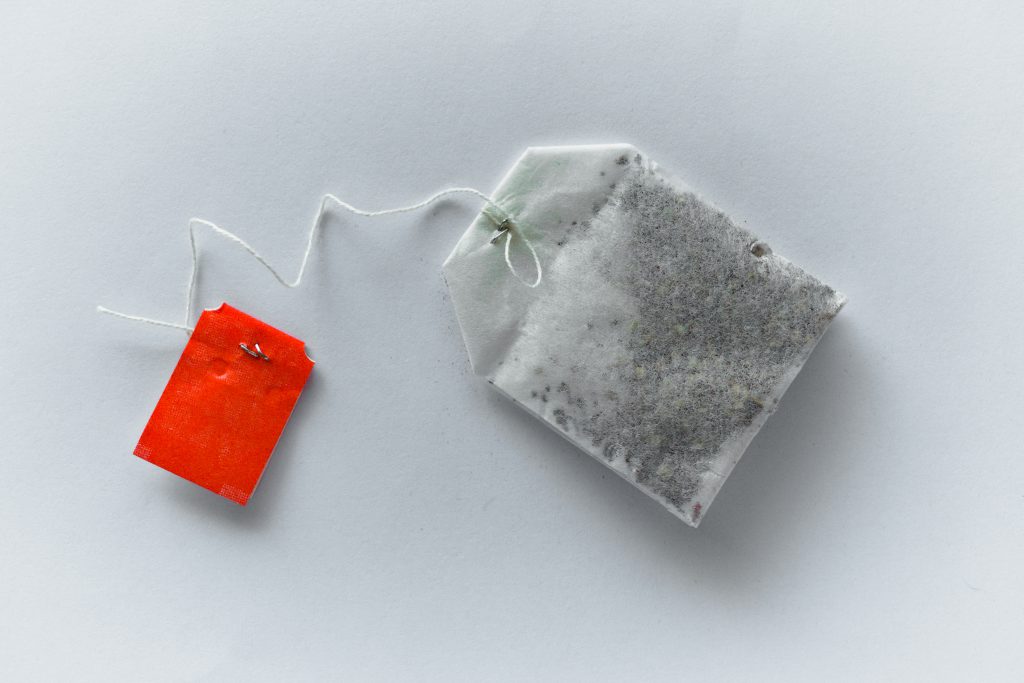
Tannins and caffeine in chilled tea bags naturally constrict blood vessels to reduce puffiness in just 10 minutes.
Before you hit Amazon for some fancy eye gels that cost more than your rent, consider your kitchen’s recycling bin. Those used tea bags, typically headed for the compost, are secretly hoarding a spa-level secret weapon. The tannins and caffeine packed inside those little leaf pouches are natural astringents, meaning they work like tiny, gentle vice grips on your under-eye blood vessels. Just pop a couple of chilled tea bags in the fridge for about 10 minutes, then recline and let them work their magic.
33. Mayonnaise to erase crayon marks
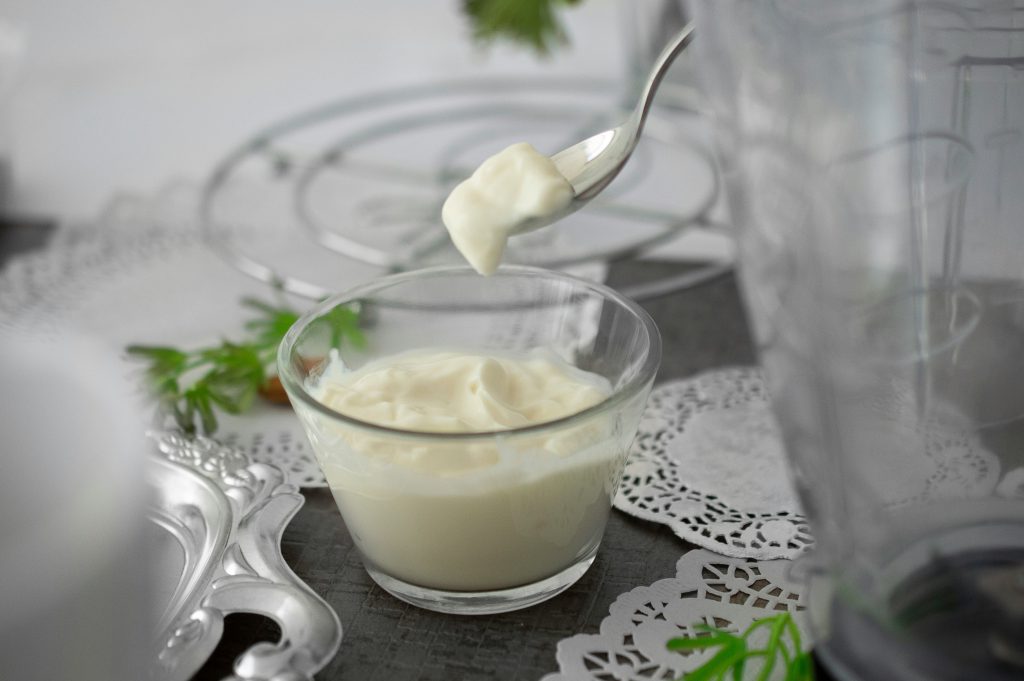
Mayonnaise oils dissolve crayon wax safely from painted walls without harsh chemicals or expensive repair costs.
If your walls have ever looked like a toddler’s art project after a fever dream, you know the panic. That waxy crayon residue can be tackled with a pantry staple: mayonnaise. This creamy condiment contains oils that work like a charm, dissolving the wax without damaging your paint. Simply scoop a spoonful onto the marks, let it work its magic for a bit, then wipe it clean with a damp cloth.
32. Aluminum foil to sharpen scissors
Cutting through folded aluminum foil multiple times hones dull scissor blades through friction, restoring their cutting edge.
Anyone who’s tried to slice through thick fabric or stubborn packaging with dull scissors knows the sheer frustration. Folding a piece of foil multiple times and then just snipping through it repeatedly acts like a mini whetstone for your blades. The friction created as the foil folds and tears away at the edges, knocking off tiny nicks and imperfections. For a totally free touch-up, just grab some used foil from the kitchen, give it a few folds, and get snipping.
31. Apples to soften brown sugar

Apple slices release moisture overnight, rehydrating hardened brown sugar crystals back to their original softness.
Brown sugar had a nasty habit of turning into a brick. The zero-waste hack involved tossing in an apple slice overnight. That apple’s moisture would magically rehydrate the sugar crystals, making them soft and usable again. It’s a classic example of making do with what you have, like a culinary TikTok hack from your grandma’s era. Anyone who’s tried to scoop rock-hard brown sugar knows the frustration, but a simple apple slice saves the day.
30. Bread to keep cookies soft
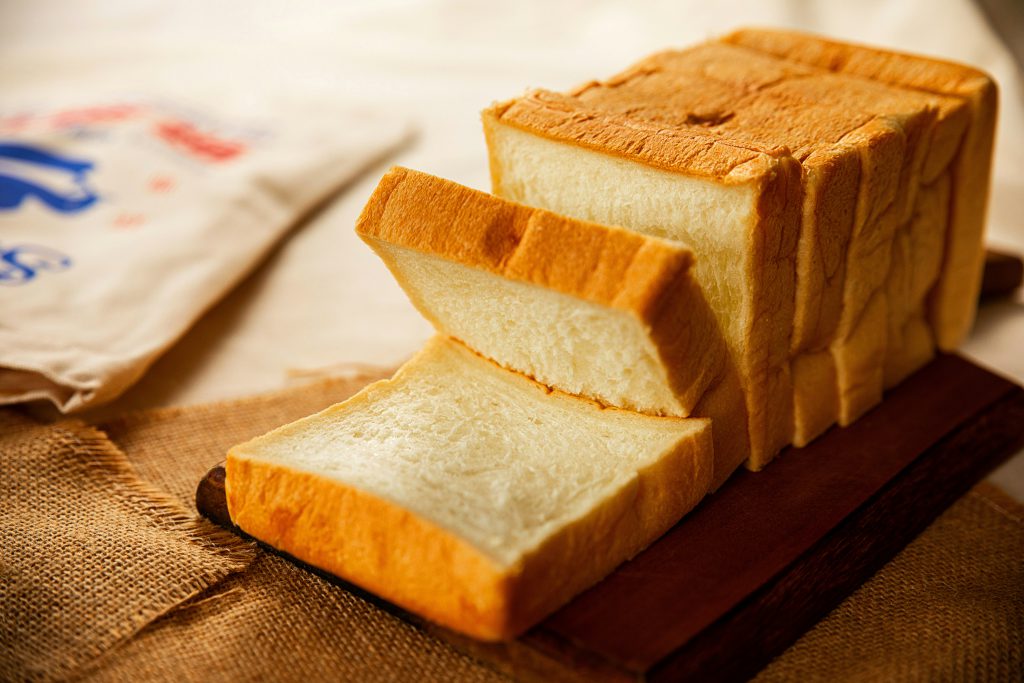
A slice of bread creates natural humidity exchange, keeping cookies soft for days longer than storage alone.
Ever stare down a box of cookies, only to find they’ve turned into hockey pucks by day 3? A simple slice of bread can actually save your baked goods from this fate. It works by creating a natural humidity exchange, keeping those cookies delightfully soft for days longer. This is the kind of clever, thrifty tip that feels like a cheat code for your pantry.
29. Cold spoons for puffy eyes
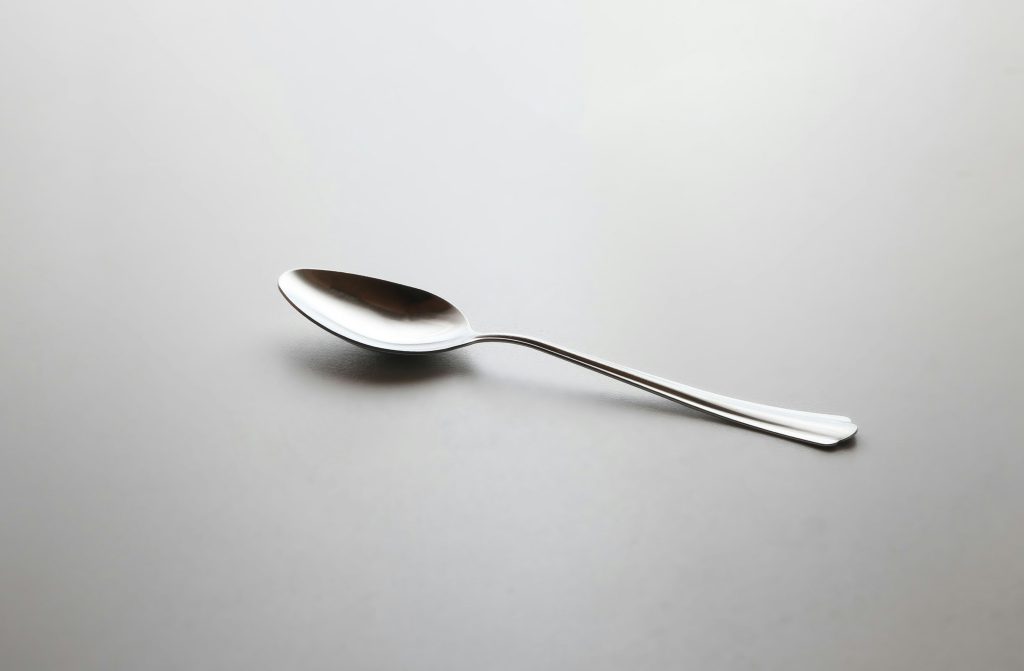
Chilled metal spoons constrict blood vessels when pressed gently against under-eye areas, reducing swelling quickly.
Anyone who’s ever woken up looking like they wrestled a raccoon can appreciate this classic hack. 2 spoons from your freezer drawer were the go-to for de-puffing those tired eyes. A quick 10-15 minutes in the chill zone, then a gentle press against your skin. The cold metal works like magic, constricting blood vessels to shrink that under-eye swelling. It’s a zero-cost, zero-effort fix that proves you don’t need a cabinet full of potions to look more awake.
28. Boiled orange peels to scent the house
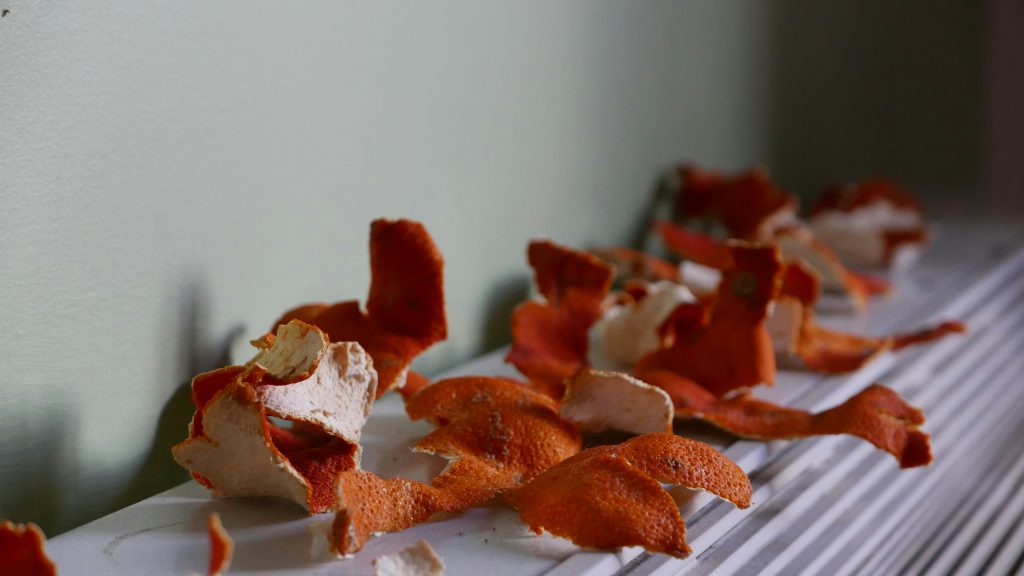
Boiling citrus peels releases limonene oils for natural air freshening without chemical sprays or artificial fragrances.
Forget those pricey air fresheners that smell vaguely of regret and chemicals. For pennies, you can achieve a far more inviting aroma by simply boiling discarded orange peels. This trick releases natural essential oils, specifically limonene, into the air, acting as both a delightful scent and a natural deodorizer. Toss in a cinnamon stick or a vanilla bean for an extra layer of warmth. It’s the kind of clever, low-effort solution that makes you feel like you’ve won the week.
27. Lemon and baking soda for softening elbows
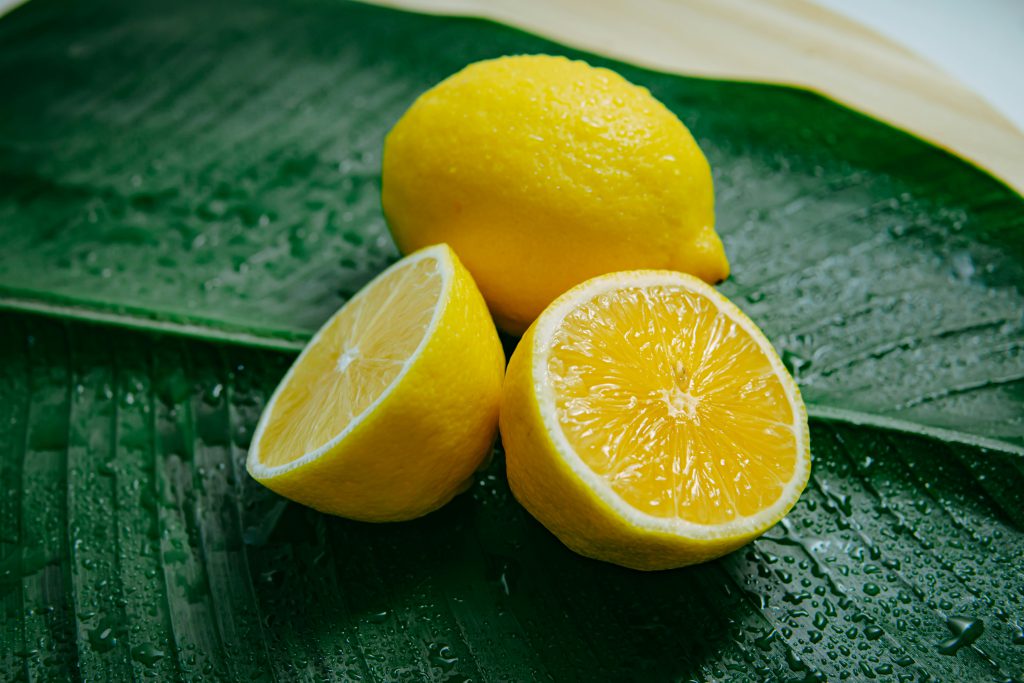
Lemon’s citric acid and baking soda’s gentle abrasion combine to exfoliate and brighten rough elbow skin naturally.
For those times your skin felt rougher than a dial-up modem trying to download a movie, a simple mix of half a lemon and baking soda did the trick. The lemon’s citric acid works like a tiny, natural polisher, while baking soda adds just enough grit to buff away dryness. This DIY concoction offered smoother, brighter skin in just a few tries, proving that effective beauty doesn’t need a hefty price tag.
26. Old toothbrushes for cleaning
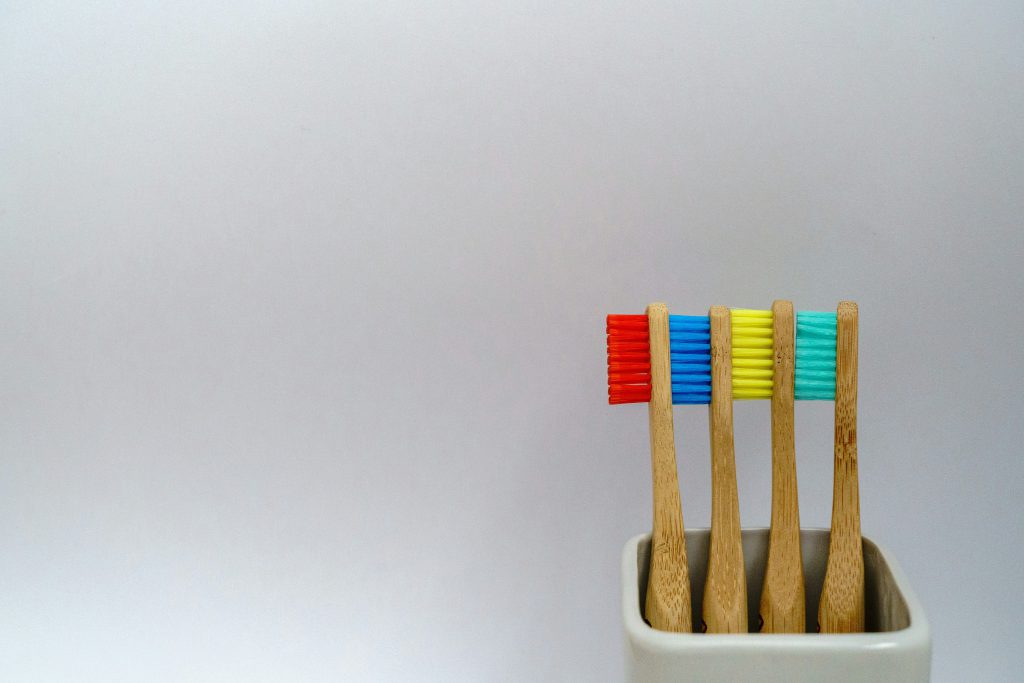
Repurposed toothbrushes paired with baking soda and vinegar reach tight spaces regular cleaning tools can’t access.
Worn-out toothbrushes got a second life tackling stubborn grime. Armed with some baking soda and vinegar—the OG cleaning power couple—these repurposed brushes became heroes for scrubbing grout and tight corners. The fizzing action softened tough buildup, while those compact bristles reached into every nook. This smart practice saved money on specialized cleaners, proving that sometimes, the best solutions are hiding in plain sight.
25. Citrus peels to repel cats

D-limonene compounds in citrus peels irritate cats’ sensitive noses, creating a humane garden deterrent.
Cats have evolved with noses that can detect a finely tuned symphony of scents, and the potent aroma of citrus oils in peels is essentially skunk spray to their delicate senses. Just scatter them around your flower beds and vegetable patches. It’s a smarter, cleaner alternative to those questionable chemical repellents that often smell like a bad science experiment gone wrong.
24. Toothpaste to blur glass scratches
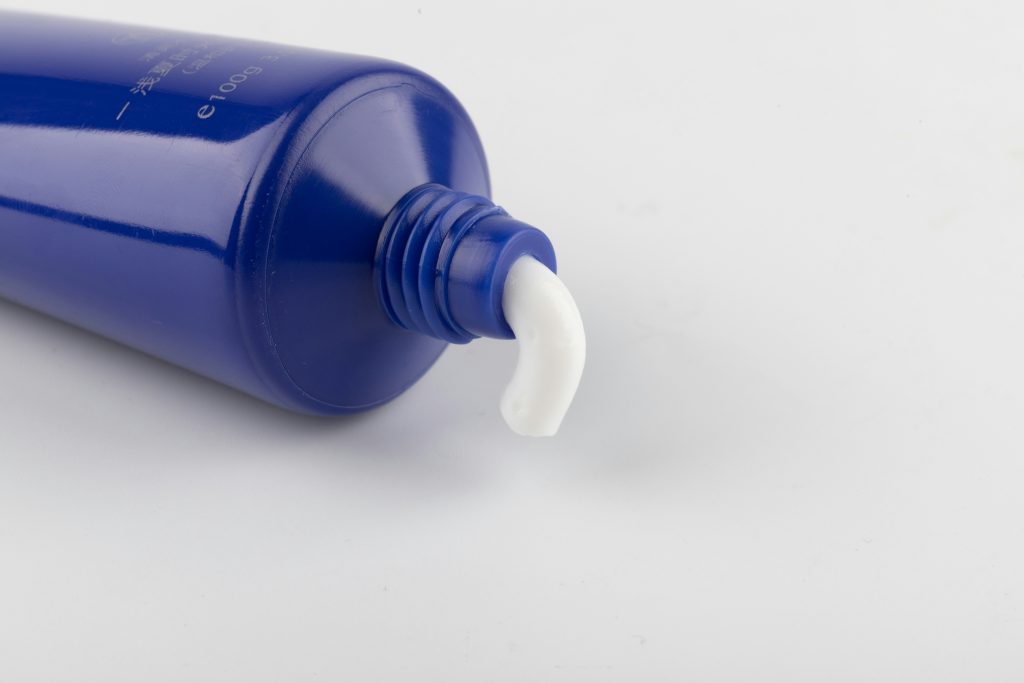
Non-gel toothpaste’s mild abrasives polish minor glass scratches when rubbed in small circular motions.
Minor scratches on glass surfaces, like watch faces or mirrors, used to be buffed out with a simple tube of toothpaste. The mild abrasives acted as a fine polishing agent to smooth out imperfections. Just dab a bit onto a soft cloth, rub in circles on the scratch, and buff it clean. This DIY trick saved people money on professional repairs, restoring clarity to glass items with a bathroom cabinet staple.
23. Cabbage leaves for joint pain

Cabbage’s glucosinolates provide anti-inflammatory effects when warmed leaves are used as natural compresses.
Apparently, warming up a few cabbage leaves and applying them to achy joints was a thing. The compounds found in cabbage, glucosinolates, actually possess anti-inflammatory properties. Think of it like a chilly compress for your knees, but leafy. It’s a throwback trick that actually worked, proving that sometimes the best remedies are hiding in your crisper drawer.
22. Brushing teeth with baking soda
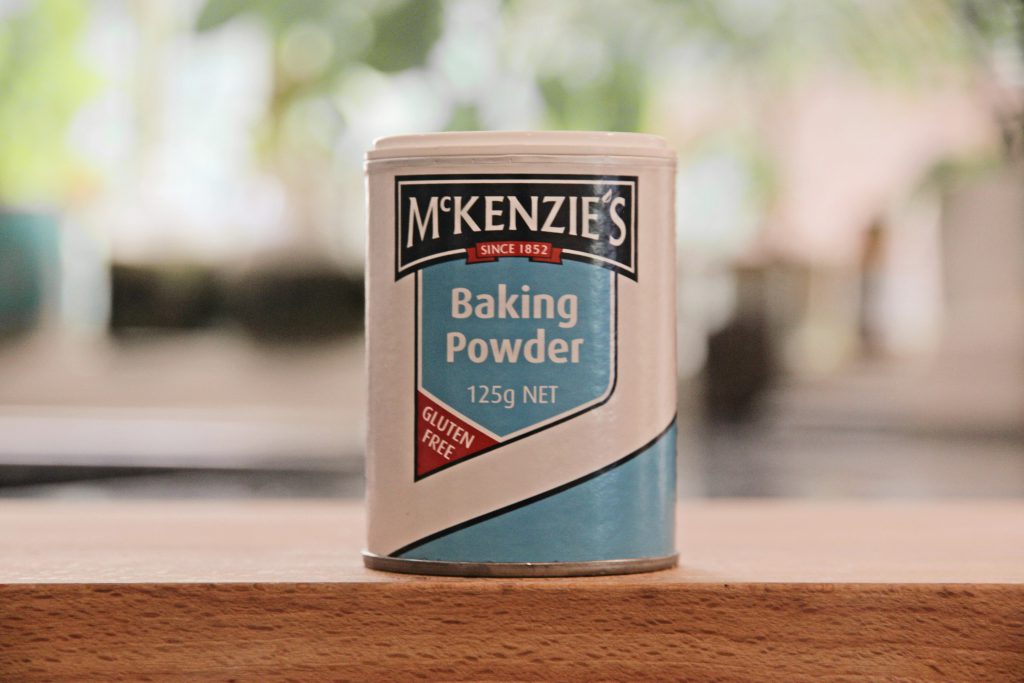
Baking soda’s mild abrasives gently remove stains and plaque when used weekly, whitening teeth naturally.
Before expensive whitening kits were a thing, a simple box of baking soda was the secret weapon for a brighter smile. This alkaline powder, which is mildly abrasive, gently scrubbed away coffee and tea stains, plus plaque, when sprinkled on a damp toothbrush. It worked effectively without wrecking your enamel if you used it sparingly, maybe once a week.
21. Eggshells for the garden
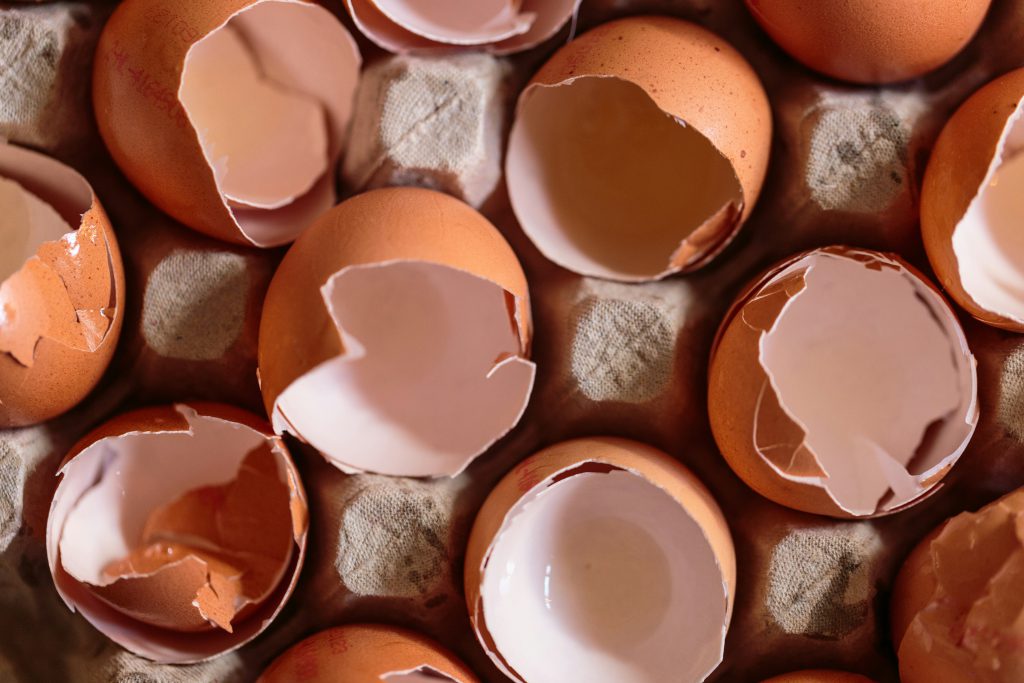
Crushed eggshells provide calcium carbonate for plants while their sharp edges deter slugs naturally.
Discarded eggshells actually offer a free, potent nutritional boost for your garden. They’re packed with calcium carbonate, which is crucial for plant development and can even fend off garden pests like slugs with their sharp edges. You can either toss them into your compost pile to break down or mulch them directly around the base of plants. It’s a simple, zero-waste hack that makes your soil healthier.
20. Soap for cramps
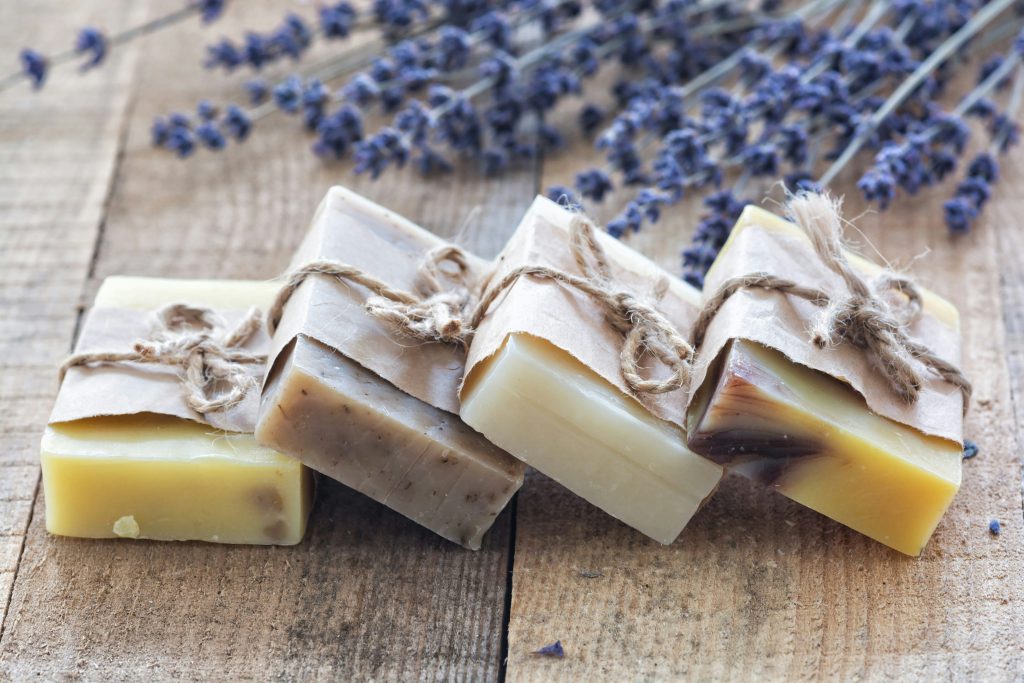
A bar of soap under bedsheets may prevent leg cramps through magnesium absorption or limonene’s relaxing properties.
For ages, folks swore by tucking a bar of soap under the bedsheets near their feet, a quirky folk remedy said to ward off those nocturnal muscle spasms. The theory? Something about ions or a calming scent from the soap somehow convincing your nerves to chill out and your muscles to relax. While science hasn’t exactly put a lab coat on this one, it’s a low-risk, practically free hack that offered some relief.
19. Black pepper to stop bleeding
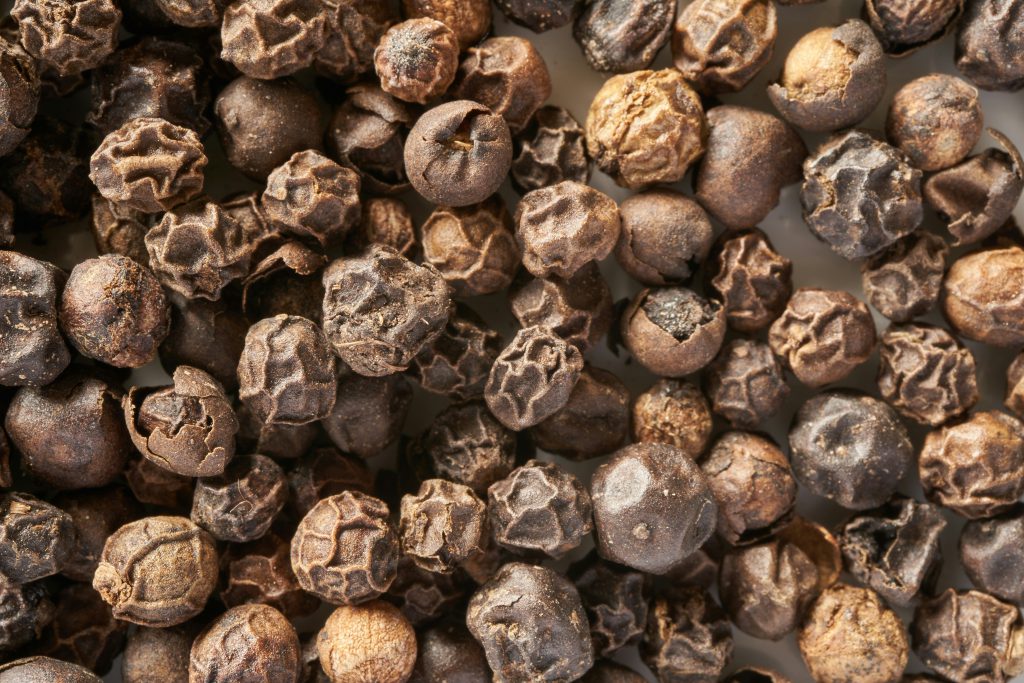
Piperine in black pepper constricts blood vessels and provides antiseptic properties for minor cuts.
A sprinkle of black pepper directly onto a minor cut offers a surprisingly effective one-two punch. The piperine, a compound found in pepper, helps your blood vessels clamp down, speeding up clot formation. Plus, it’s got natural antiseptic properties, keeping things clean. This isn’t for deep gashes, obviously, but for those little paper-cut-level emergencies, it’s a quick, accessible way to stop the bleeding.
18. Coffee grounds for deodorizing
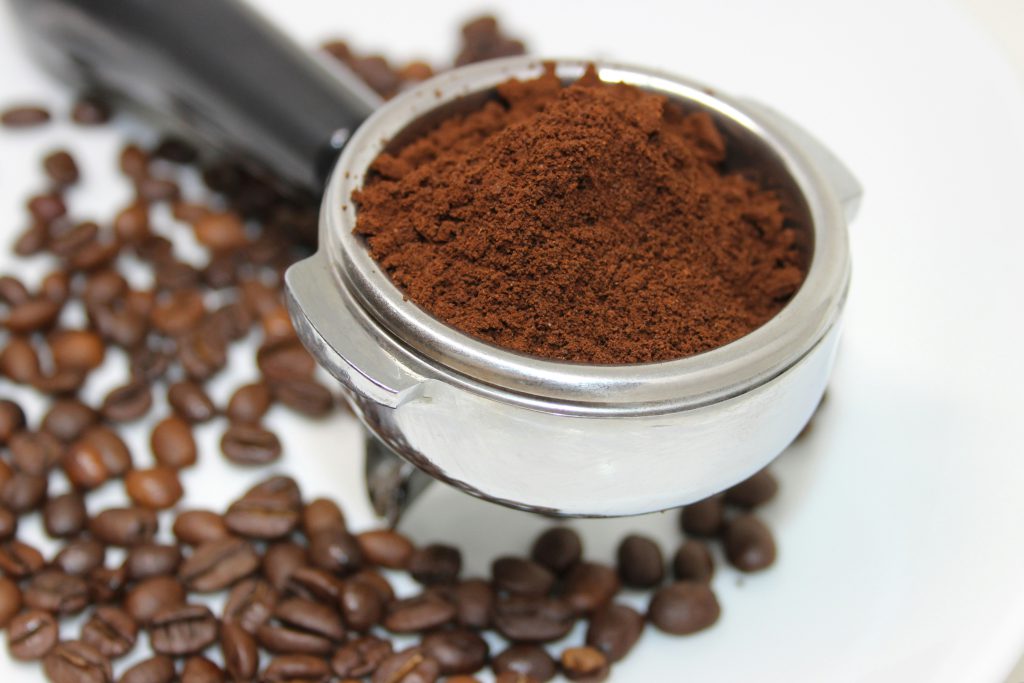
Porous coffee grounds absorb odors through nitrogen compounds, naturally freshening fridges and eliminating hand smells.
Those used coffee grounds? They’re nature’s little odor sponges, thanks to nitrogen compounds that gobble up smell molecules. Just dry them out and toss them in the back of the fridge or a musty closet for an instant ambiance upgrade. Rubbing a bit of dried grounds on your hands is like a secret handshake against stubborn cooking smells—think garlic or fish that refuse to leave your skin.
17. Baking soda for heartburn
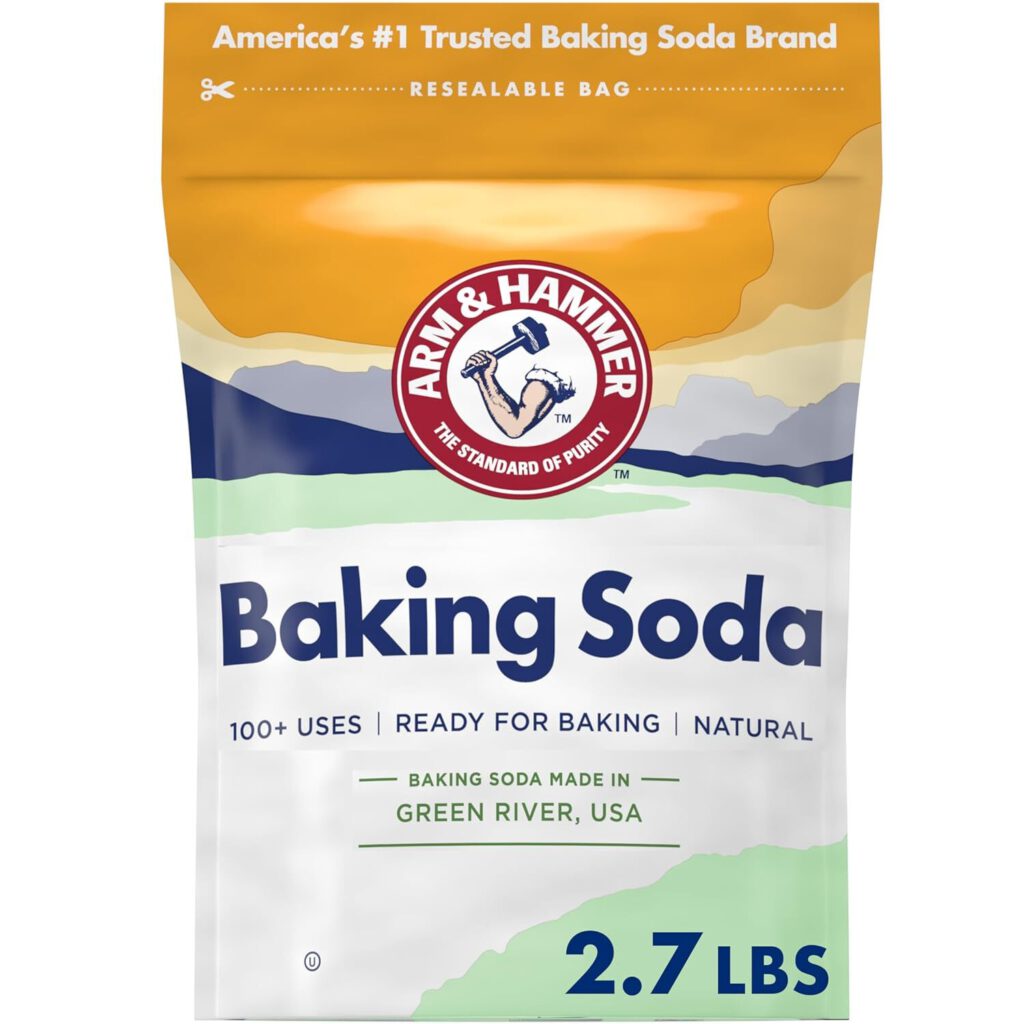
Sodium bicarbonate neutralizes stomach acid effectively when half a teaspoon is dissolved in water for occasional relief.
Before those tiny, chalky antacid tablets, people reached for the pantry staple: baking soda. For a burning sensation in your chest, this stuff was the original speedy fix. Just half a teaspoon dissolved in water and the acid was neutralized. It’s essentially a kitchen science experiment that works like a charm for the occasional heartburn flare-up.
16. Onion for bee stings
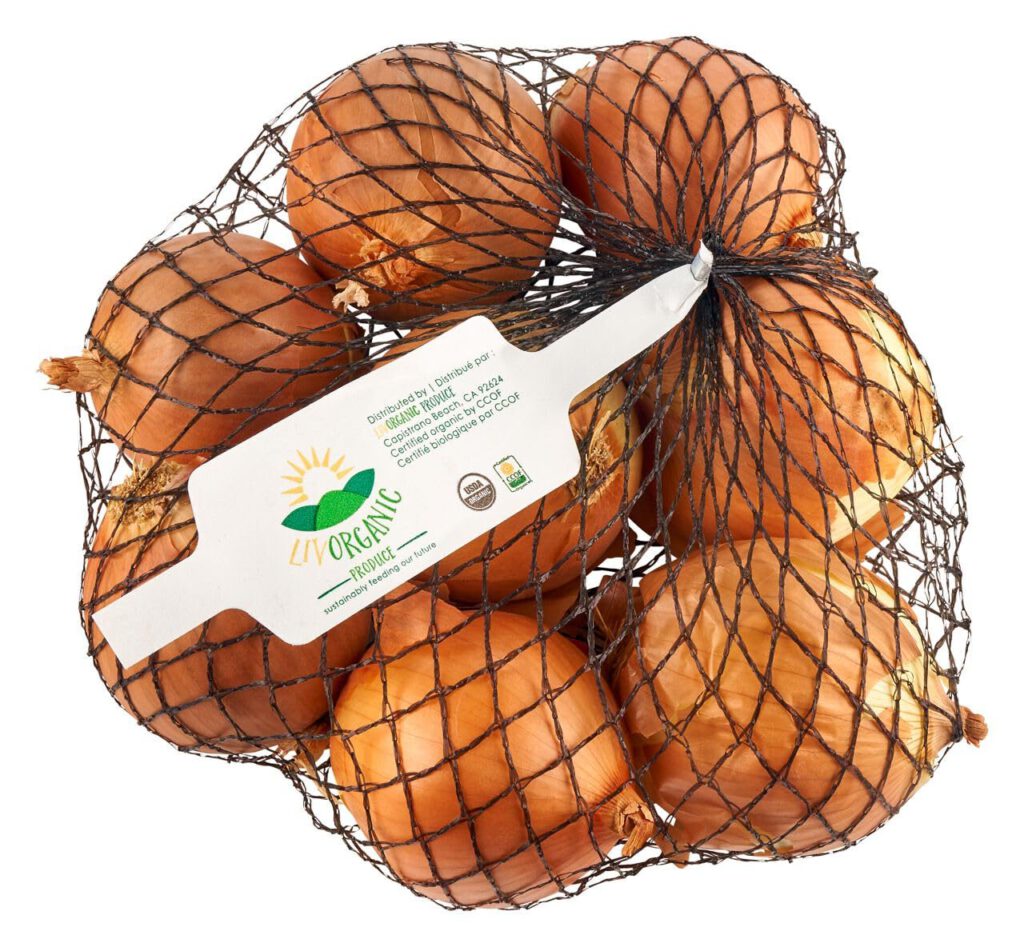
Onion enzymes break down bee venom proteins while reducing swelling when applied immediately to stings.
A humble onion was the real MVP for bee stings. The enzymes in a freshly cut onion, like alliinase, are surprisingly good at breaking down the venom proteins. You just slap the cut side on the sting, and boom – less pain, less swelling. It beat the pricey ointments, proving that sometimes, the best remedies are already in your kitchen drawer.
15. Old newspaper and vinegar

Vinegar dissolves grime while newspaper’s texture and ink polish glass surfaces streak-free without lint.
Combining old newspapers with vinegar became a go-to for streak-free windows and mirrors, ditching the linty residue of cloths. Vinegar busts through grime, while the newspaper’s specific ink and fibrous texture act like a built-in microfiber cloth. Just crumple it up, spray on your diluted vinegar, and wipe in circles. Instead of shelling out for rolls of paper towels, you’re repurposing what would otherwise be trash.
14. Corn starch for chafing

Corn starch absorbs moisture and reduces friction in sensitive skin areas as a talc-free powder alternative.
Before fancy creams and powders became the norm, folks relied on pantry staples. Corn starch worked like a charm to absorb moisture in those sensitive spots, creating a smooth, talc-free barrier that kept irritation at bay. This humble kitchen ingredient kept skin dry and happy, preventing the kind of redness that makes even a brisk walk feel like a trek through Mordor.
13. Rice to absorb moisture from electronics
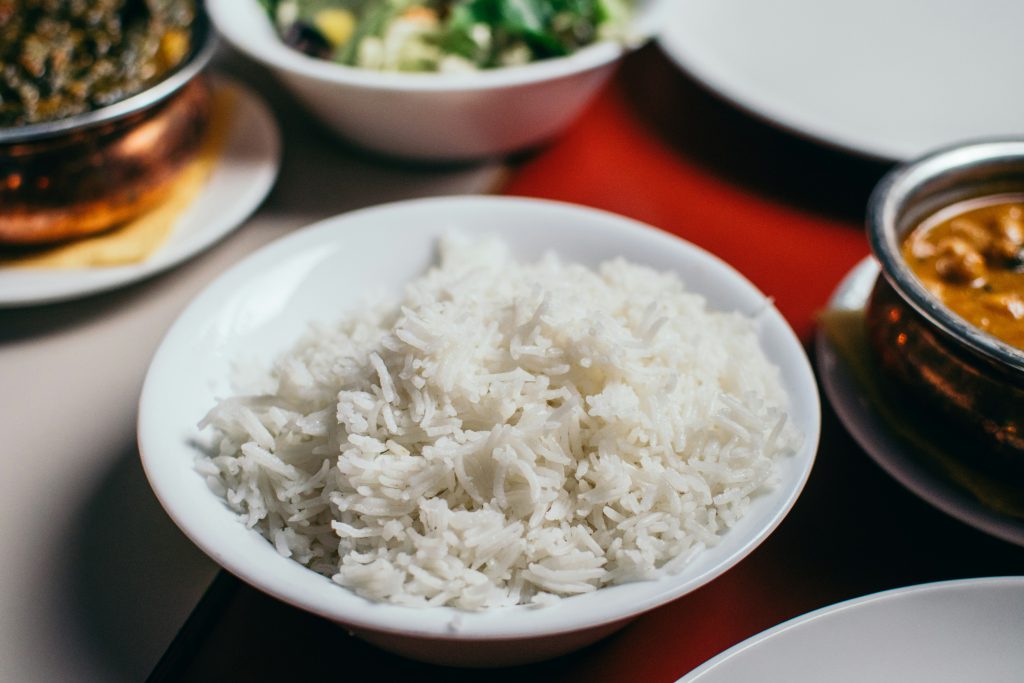
Uncooked rice’s hygroscopic properties pull water from wet devices when buried for 24-48 hours, though less effective than silica.
Dropping your phone in water is like a real-life jump scare, but that bowl of uncooked rice could be your surprisingly cheap lifeline. These tiny grains become little moisture sponges. Bury your drowned gadget in them for 24 to 48 hours, and the rice will start pulling water out of all those tiny nooks and crannies. It’s not quite as potent as those fancy silica gel packets, but it’s worth a shot.
12. Olive oil for door hinges

Vegetable oils provide temporary lubrication for squeaky hinges while avoiding harsh chemical sprays.
That persistent squeak from a door hinge can be as annoying as a low-battery alert, but you don’t need a fancy spray to fix it. A drop of olive oil provides a surprisingly effective temporary lubricant for metal joints, cutting down friction and silencing those agonizing groans. While it might eventually attract a bit of dust, this trick offers an immediate, accessible solution using something you likely already have.
11. Flour for treating cuts

Dry flour absorbs blood and forms protective clots on minor paper cuts before proper cleaning.
Who hasn’t felt that tiny sting of a paper cut right when you’re in the zone? You can bypass the whole band-aid drama with a kitchen staple: flour. Just a pinch of this dry powder from your pantry absorbs blood like a tiny sponge, forming a protective film that helps stop the bleeding. Remember, this flour trick is for those clean, minor cuts only.
10. Carrot leaves for soup seasoning

Carrot tops possess a parsley-like flavor and rich vitamins, making them perfect for enhancing soups and stocks.
Those carrot tops you tossed were actually flavor bombs. Rich in vitamins and possessing a taste surprisingly similar to parsley, these greens could elevate a soup or broth from bland to brilliant. This resourceful approach to cooking turns what most people consider trash into treasure, adding a subtle, fresh note that’s more sophisticated than any store-bought seasoning.
9. Honey for coughs and sore throats

Honey’s natural antibacterial properties and throat-coating texture suppress coughs better than many over-the-counter syrups.
A jar of honey was the go-to remedy for scratchy throats and stubborn coughs, often outperforming expensive cough syrups. It works by coating your throat like a silky blanket, calming that annoying irritation. Plus, its natural antibacterial kick helps heal things up. Think of it as nature’s own fuzzy slipper for your insides, mixed into warm tea or water.
8. Lemon in the microwave
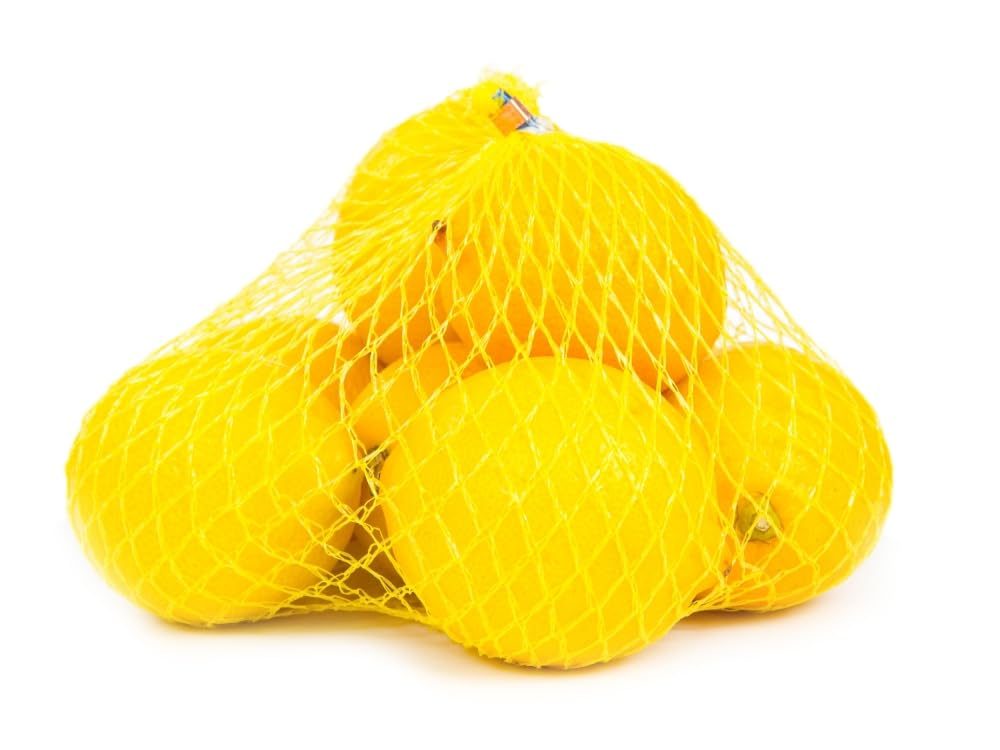
Citric acid steam from boiled lemon water loosens grease and neutralizes microwave odors in just 5 minutes.
A simple lemon, sliced and simmered in water for about 5 minutes, worked wonders on microwave grime. The citric acid steam it released acted like a tiny, fragrant degreaser, loosening stubborn food splatters and neutralizing odors. After the steam did its work, a quick wipe with a damp cloth left the interior spotless and smelling fresh.
7. Tea bags to wash greasy dishes

Tannins in used tea bags cut through grease when steeped in hot water, reducing dish soap needs.
Used tea bags, far from being mere waste, possessed a secret talent for cutting through grease on dishes. Dropping them into hot water for soaking helped separate grease from surfaces, reducing the need for excessive dish soap. This environmentally friendly method protected hands from harsh detergents and demonstrated a thrifty, clean lifestyle rooted in resourcefulness.
6. Dish soap for grease stains on fabric
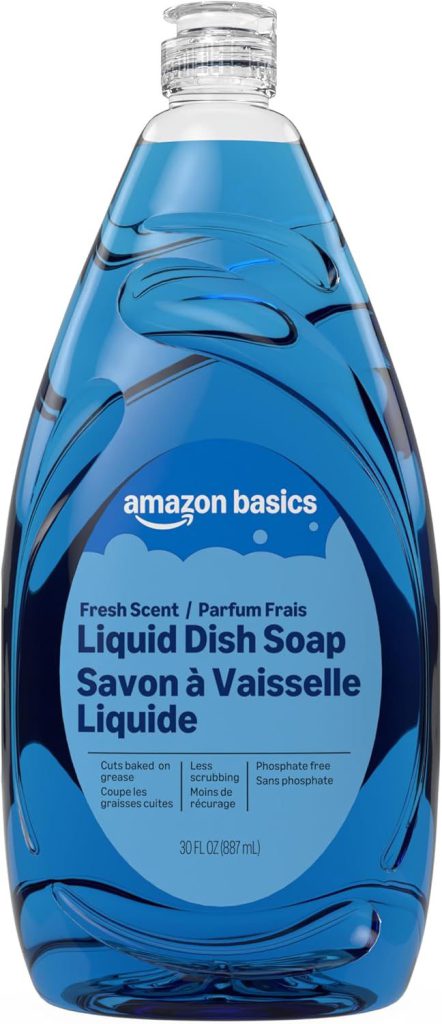
Dish soap’s surfactants emulsify oil stains when applied directly to fabric before washing.
Anyone who’s wrestled a greasy shirt into the laundry knows the panic. Apply a few drops directly to the offending spot, give it a gentle rub, and let the surfactants do their thing. This pre-wash magic is surprisingly effective, often saving garments and your wallet from pricey dry cleaning bills. It’s a classic kitchen hack that proves necessity truly is the mother of invention.
5. Fork to hang pictures
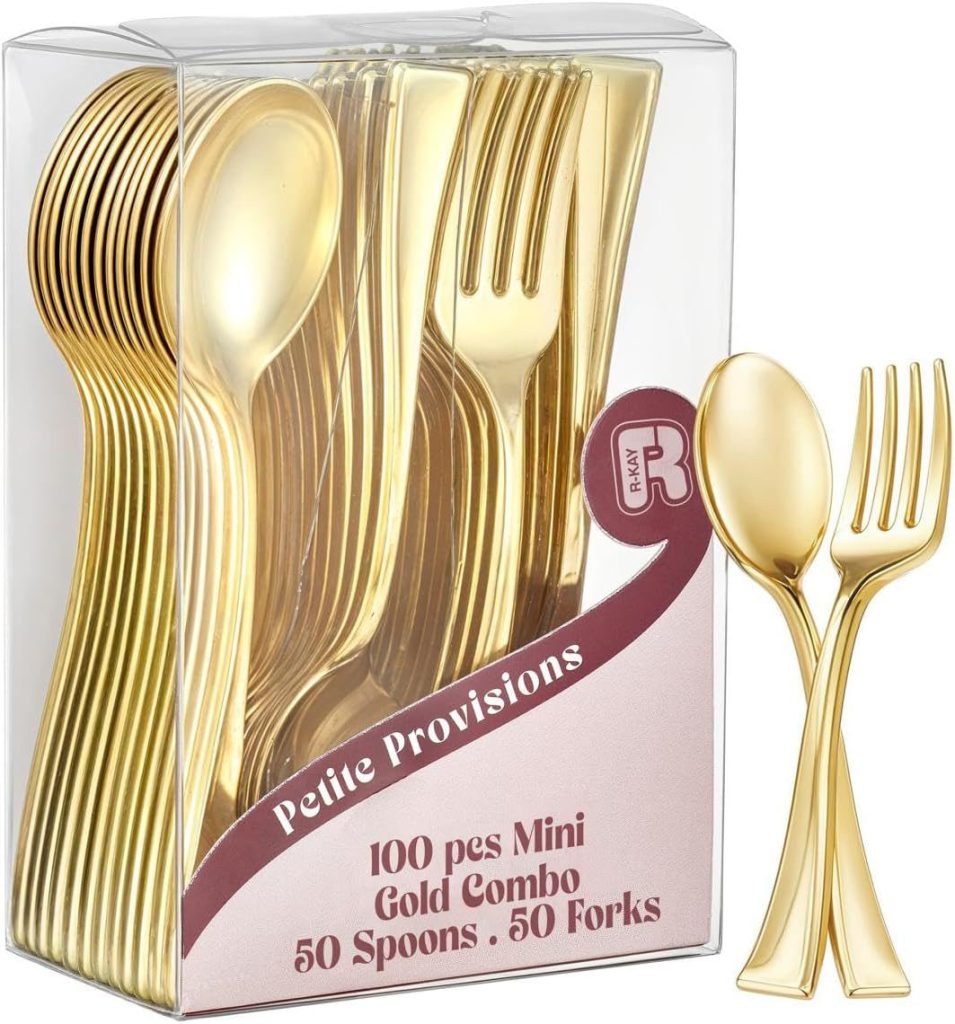
Fork prongs cradle picture wire over nails for perfect alignment on the first try, preventing multiple wall holes.
Hanging pictures perfectly straight was a DIY nightmare, often leading to more wall holes than art. By cradling the picture wire over a nail, this humble utensil ensures precise alignment on the first try. This ingenious trick saves time per frame, preventing the frustration of multiple attempts and keeping your walls looking less like a shooting range.
4. Shaving cream to clean ovens
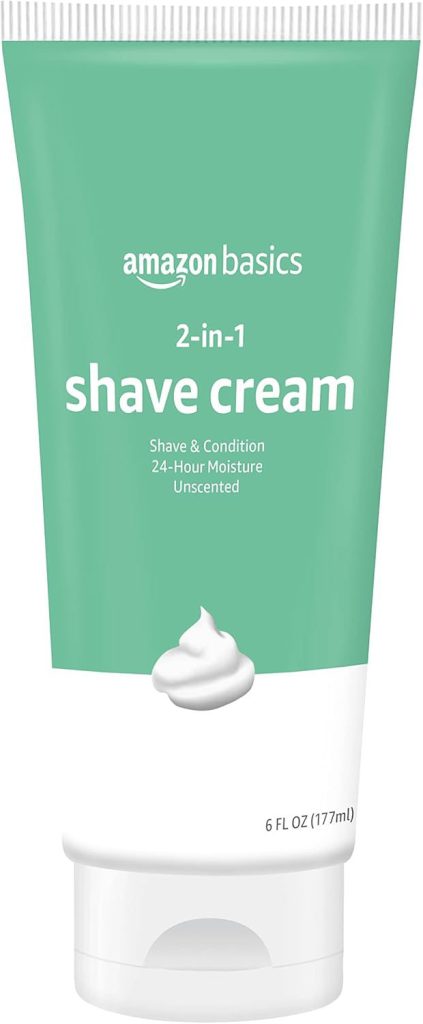
Shaving cream’s foaming agents penetrate grease on oven glass, providing chemical-free cleaning with pleasant results.
Burnt-on oven glass stains make you feel like you’re starring in your own culinary disaster movie. That can of shaving cream lurking in the bathroom is surprisingly good at tackling grease. Just give the grimy glass a thick coating, let the foam work its magic to soften those stubborn patches for a few minutes, and then wipe it all away with a damp cloth.
3. Citric acid to prevent clothes fading
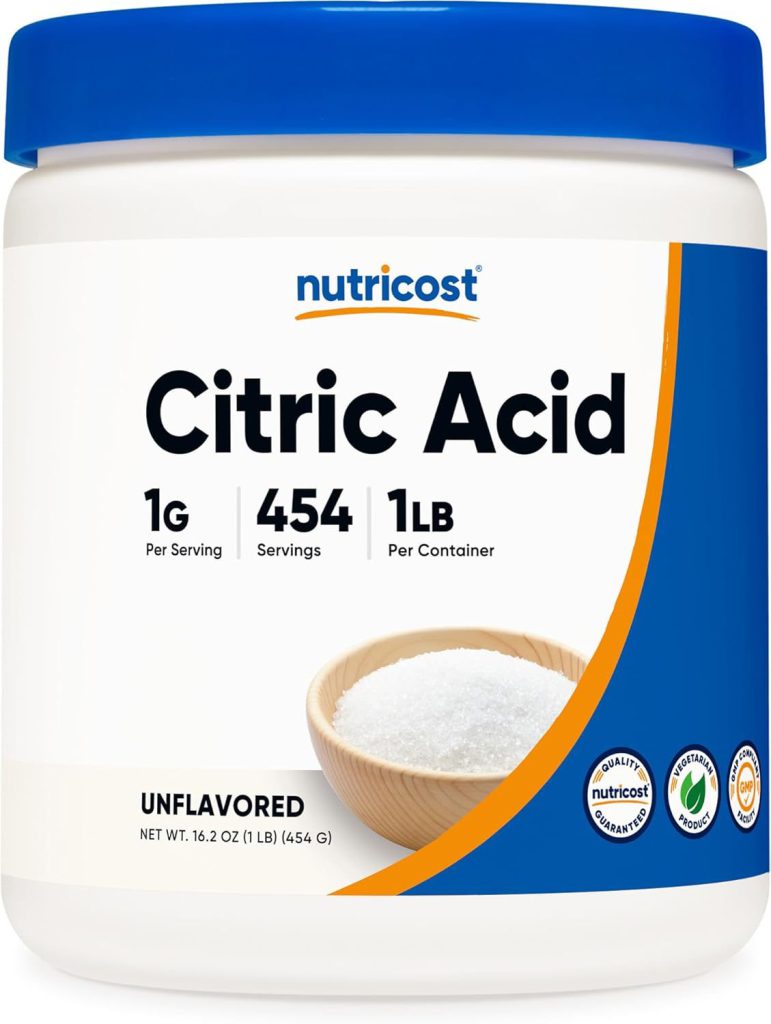
Citric acid brightens whites and removes detergent residue when added to the rinse cycle during washing.
A spoonful of citric acid can brighten whites and clean your washing machine as it goes. This kitchen staple has been keeping clothes looking sharp for decades, acting like a gentle superhero for your fabrics without the harsh chemical drama. Think of it as a spa day for your laundry, keeping colors vibrant and whites crisp.
2. Hairspray to remove ink stains
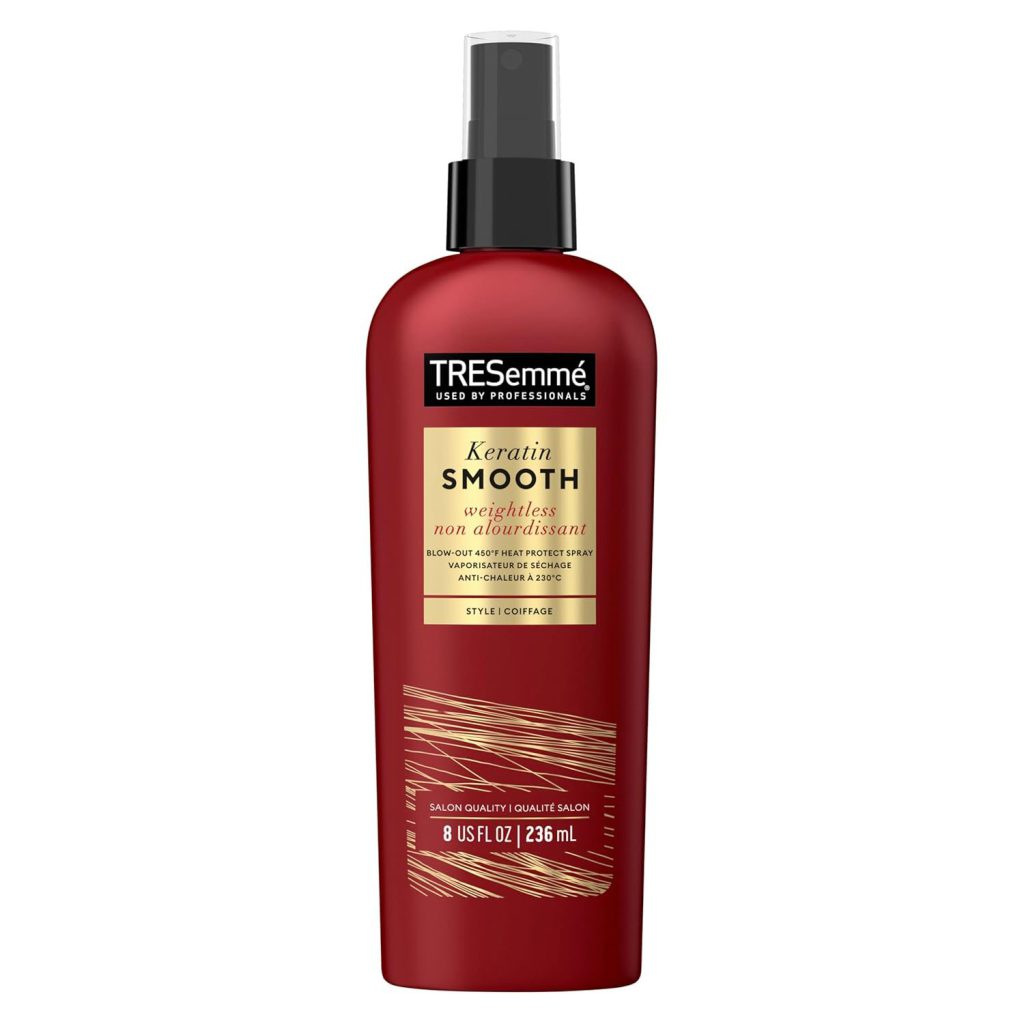
Alcohol in hairspray dissolves ink stains when sprayed and blotted immediately on fresh marks.
Fresh ink stains are like finding out your favorite show got canceled on a cliffhanger. A can of hairspray’s alcohol content acts like a tiny, pressurized solvent, dissolving the ink before it sets. A quick spray and a blot with a cloth is all it takes. The key is acting fast—the ink needs to be fresh for this magic trick to work.
1. Milk to remove fruit stains
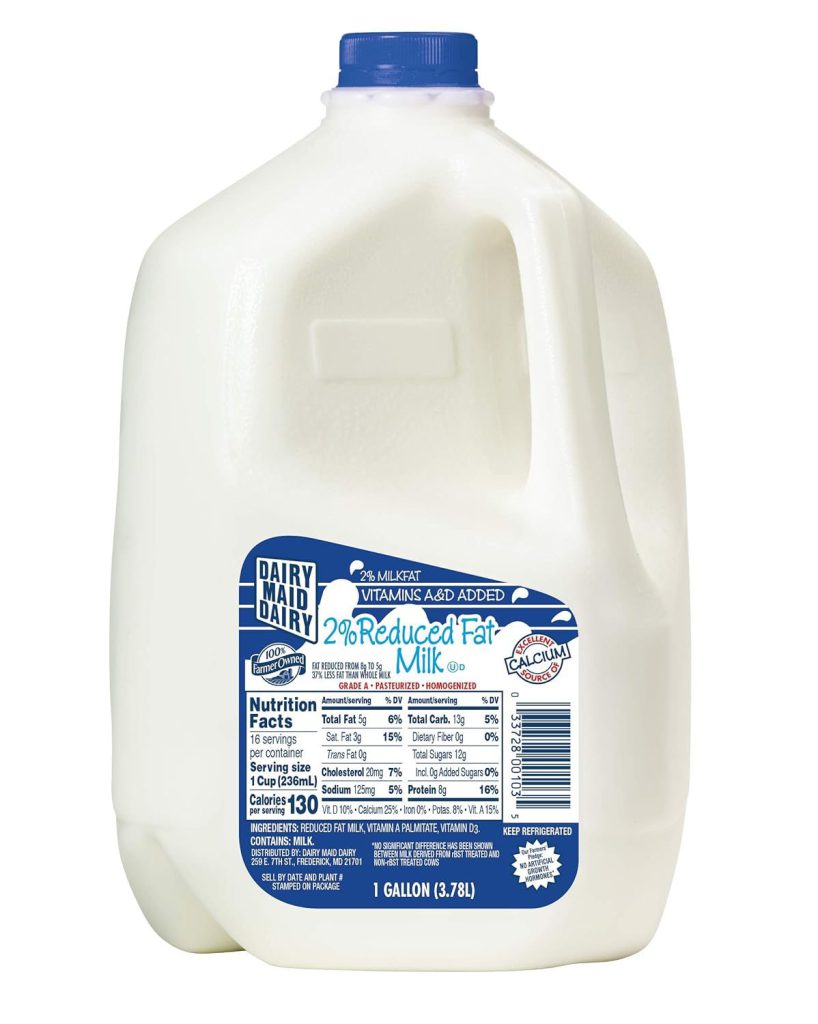
Milk enzymes and proteins lift berry stains from fabrics when soaked for 30-120 minutes before washing.
For those stubborn berry or cherry stains, you can turn to something much gentler: milk. Soaking the stained fabric in milk for anywhere from 30 minutes to 2 hours allows its natural enzymes and proteins to work their magic, breaking down the stain components without bleaching out your fabric’s color. It’s an economical, gentle way to preserve those precious fabrics.