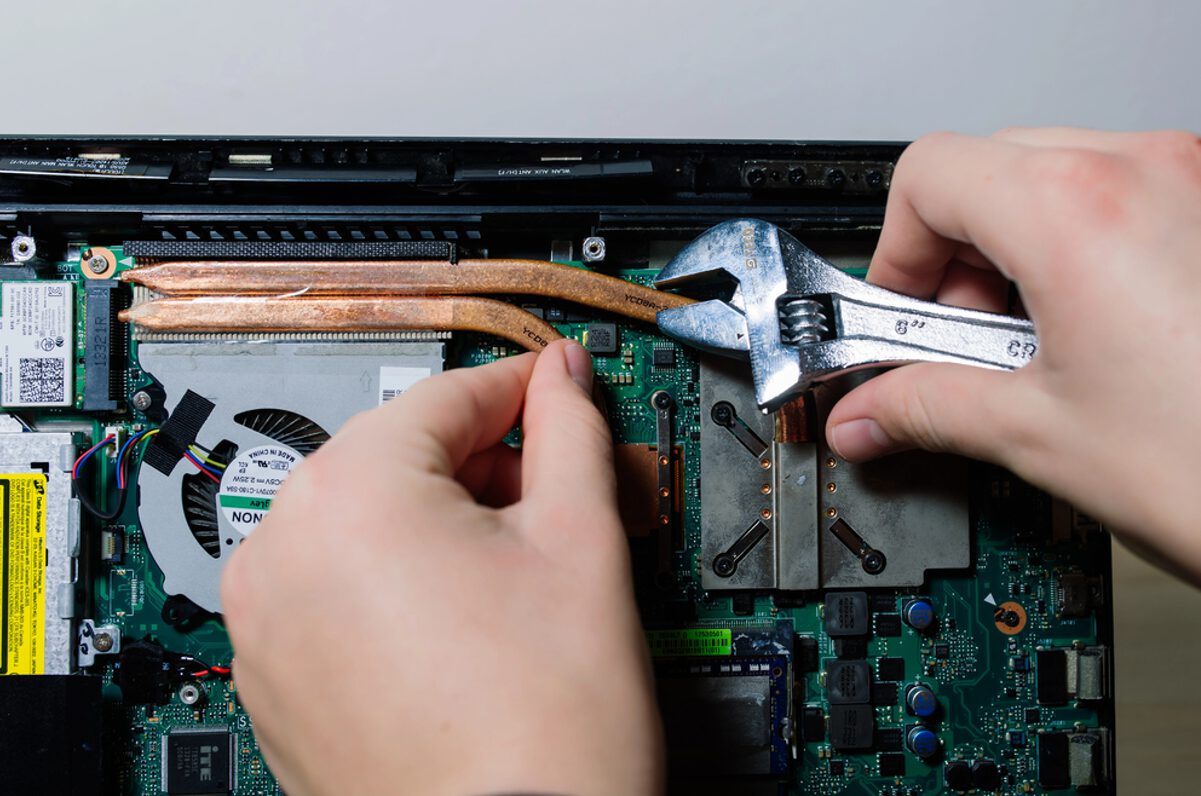
Celebrating those Right to Repair victories in New York and California? Your iPhone still won’t let independent shops replace that cracked camera without Apple’s blessing. Welcome to the encryption wall—tech’s newest method for keeping your gadgets locked down despite legislative wins.
The Fine Print That Stole Your Victory
New laws mandate parts access but exempt the keys that actually matter.
New York’s Digital Fair Repair Act took effect July 2023, followed by California’s broader version in July 2024. Both require manufacturers to provide parts, tools, and documentation to independent repair shops. The catch? Neither law forces companies to hand over passwords, security codes, or encryption keys.
That seemingly minor exemption just gutted your repair independence. Like getting handed a house key that only opens the front door while every room inside stays locked, these laws give you access to hardware without the software authentication that makes it functional.
Cloud-Authenticated Locks Block Real Repairs
Hardware access means nothing when software holds the real power.
Modern devices embed cloud-authenticated firmware in safety-critical components. Replace your phone’s camera module with an identical part, and the device refuses to recognize it without manufacturer authorization. This isn’t paranoid speculation—it’s already happening across smartphones, appliances, and vehicles.
You can buy the hardware, but you can’t make it work. The encryption wall transforms repair laws into theater. Manufacturers comply by selling you parts while ensuring those parts remain useless without their digital blessing.
The Cybersecurity Smokescreen Falls Apart
Industry claims about security risks don’t match expert analysis.
Industry groups like TechNet warn that repair access exposes encryption to hackers. SecurePairs experts counter with brutal clarity: “A vibrant and healthy market for repair isn’t a cybersecurity risk. It’s a cyber imperative.”
Stanford Cyberlaw researchers add that restricted repairs actually increase vulnerabilities by preventing security updates and independent research. The real security risk? Devices locked into manufacturer-controlled update cycles that leave consumers vulnerable when support ends.
Your repair independence remains a mirage until laws address software authentication. Hardware access without encryption keys is like having a car key that won’t start the engine—technically ownership, practically useless. The next legislative battle determines whether you actually own your devices or just rent them indefinitely.