Anyone who’s had a bike cough its last mile from home knows the stakes. A trusty motorcycle isn’t just a ride; it’s freedom, adventure, and maybe the only way to dodge that Zoom meeting. Reliability matters more than flashy chrome—though a little style never hurts. After sifting through owner reports and manufacturer specs, these bikes laugh in the face of breakdowns with legendary reputations and real-world grit focused on low maintenance and bulletproof engineering.
10. Honda CB500 Series
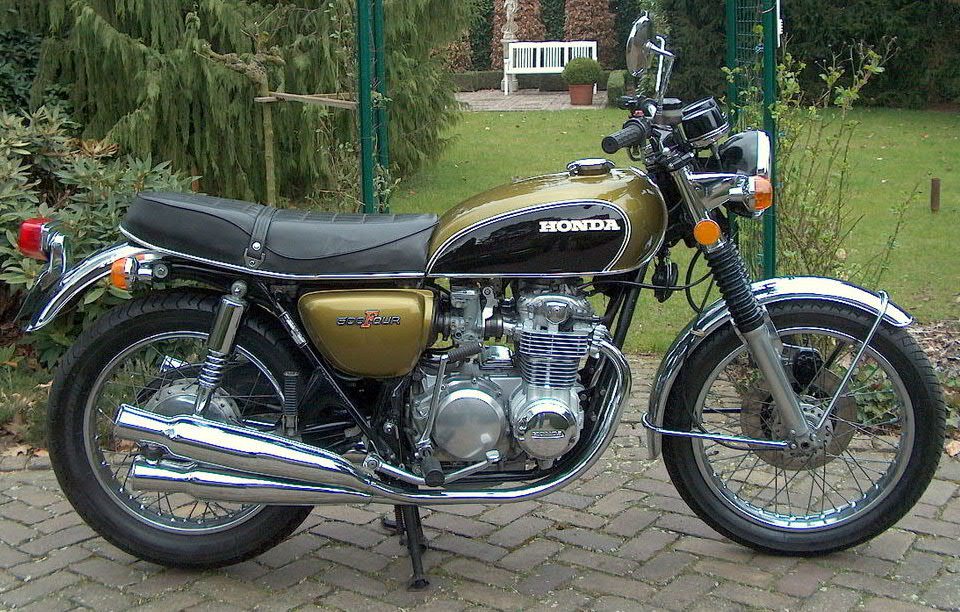
Simple reliability still counts for something in a world of disposable tech.
Honda’s CB500 series proves that straightforward engineering beats complexity every time. Available as the CB500F (naked), CB500X (adventure), and CBR500R (sportbike), these models share a 471cc parallel-twin engine that shrugs off abuse with wide tolerances and low compression. Owners consistently report crossing 200,000 miles without major engine work.
The 47-horsepower engine sips fuel at 70 MPG while global parts availability ensures repairs stay simple. For commuters craving a reliable ride that outlasts student loans, the CB500 represents real long-term value minus the drama.
9. Yamaha XT600R
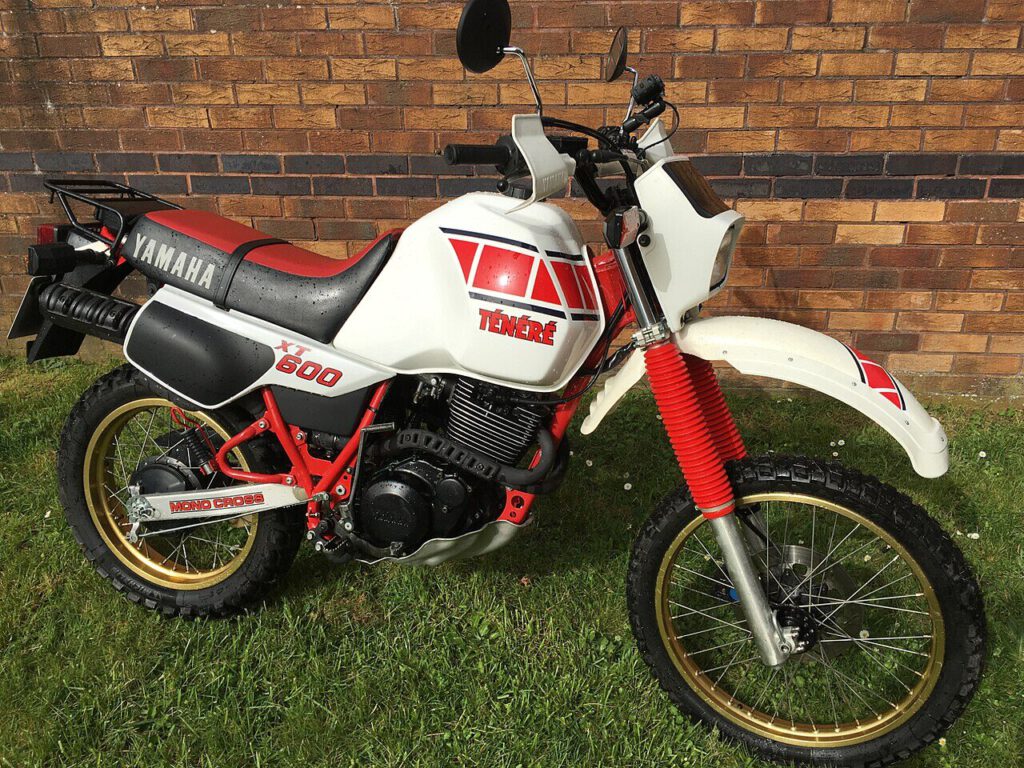
Adventure bikes often look NASA-designed, but this one stays delightfully straightforward.
The Yamaha XT600R, manufactured from 1984–1990, features a 595cc air-cooled single-cylinder engine producing 45 hp. With no radiators, water pumps, or complex electronics, it’s the mechanical equivalent of a well-worn leather jacket. At just 345 lbs dry, field repairs become manageable anywhere.
Stories document XT600Rs clocking over 400,000 km on original internals. That carburetor rebuilds easier than IKEA furniture assembly makes this the ultimate “fix-anywhere” machine for riders crossing remote terrain.
8. Kawasaki KLR650
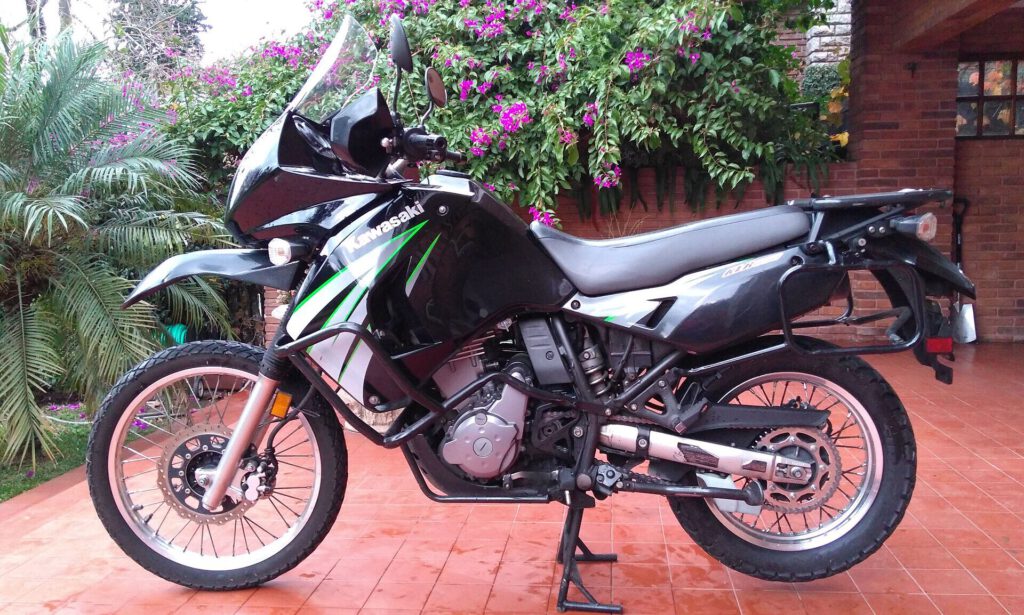
This bike earned its reputation as the cockroach of the motorcycle world.
The KLR650’s 652cc liquid-cooled single-cylinder engine puts out 42 hp while owners document over 300,000 miles on original bottom ends. Spares interchange across generations, helping when MacGyvering repairs becomes necessary. At around $7,000 new, it offers affordable entry into adventure riding.
Weighing 452 lbs wet, the KLR650 prioritizes durability over peak performance. While other adventure bikes demand dealer visits for every hiccup, this machine shrugs and keeps running through hell and high water.
7. Suzuki DR650
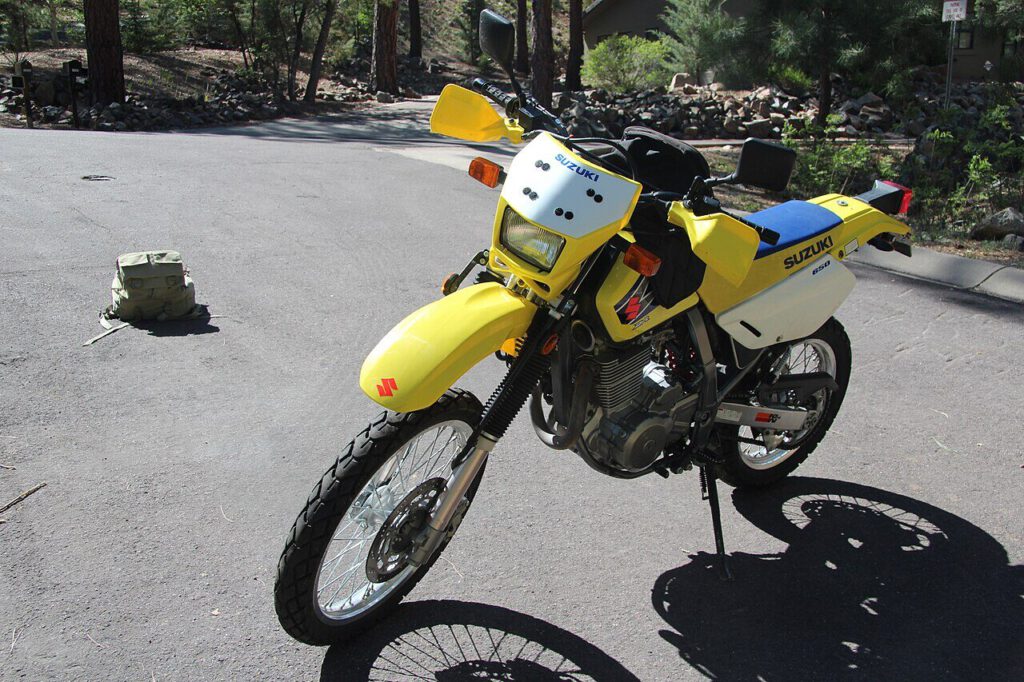
Modern motorcycles feel like rolling computers, but this remains a glorious throwback.
For over 25 years, the DR650 has seen minimal changes to its 644cc air-cooled single-cylinder engine and 5-speed transmission. Owners report 100,000–200,000 miles before needing engine rebuilds, with parts cheap enough to avoid selling kidneys for repairs.
Weighing around 366 lbs, this dual-sport forgoes fuel injection for carburetion (EFI available in later SE models). The design philosophy emphasizes function over form, making it ideal for riders who value simplicity over technology.
6. BMW R1200GS
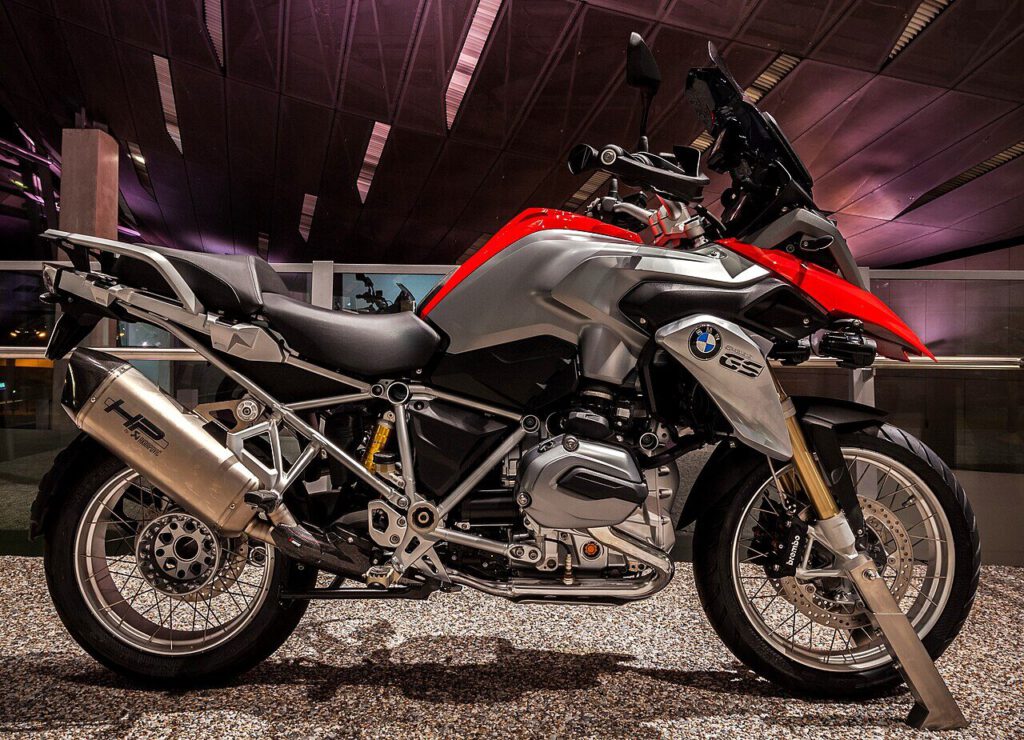
The answer to “what would you ride around the world?” often starts here.
BMW’s R1200GS adventure tourer features a 1,170cc air/oil-cooled boxer twin producing 100 hp. Riders document distances exceeding 300,000 miles, proving global durability. Shaft drive eliminates chain maintenance while the horizontally-opposed engine lowers the center of gravity.
At around 500 lbs, this machine handles surprisingly well despite its size. The robust electronics rarely throw codes, making the R1200GS ready for that round-the-world trip when wanderlust strikes.
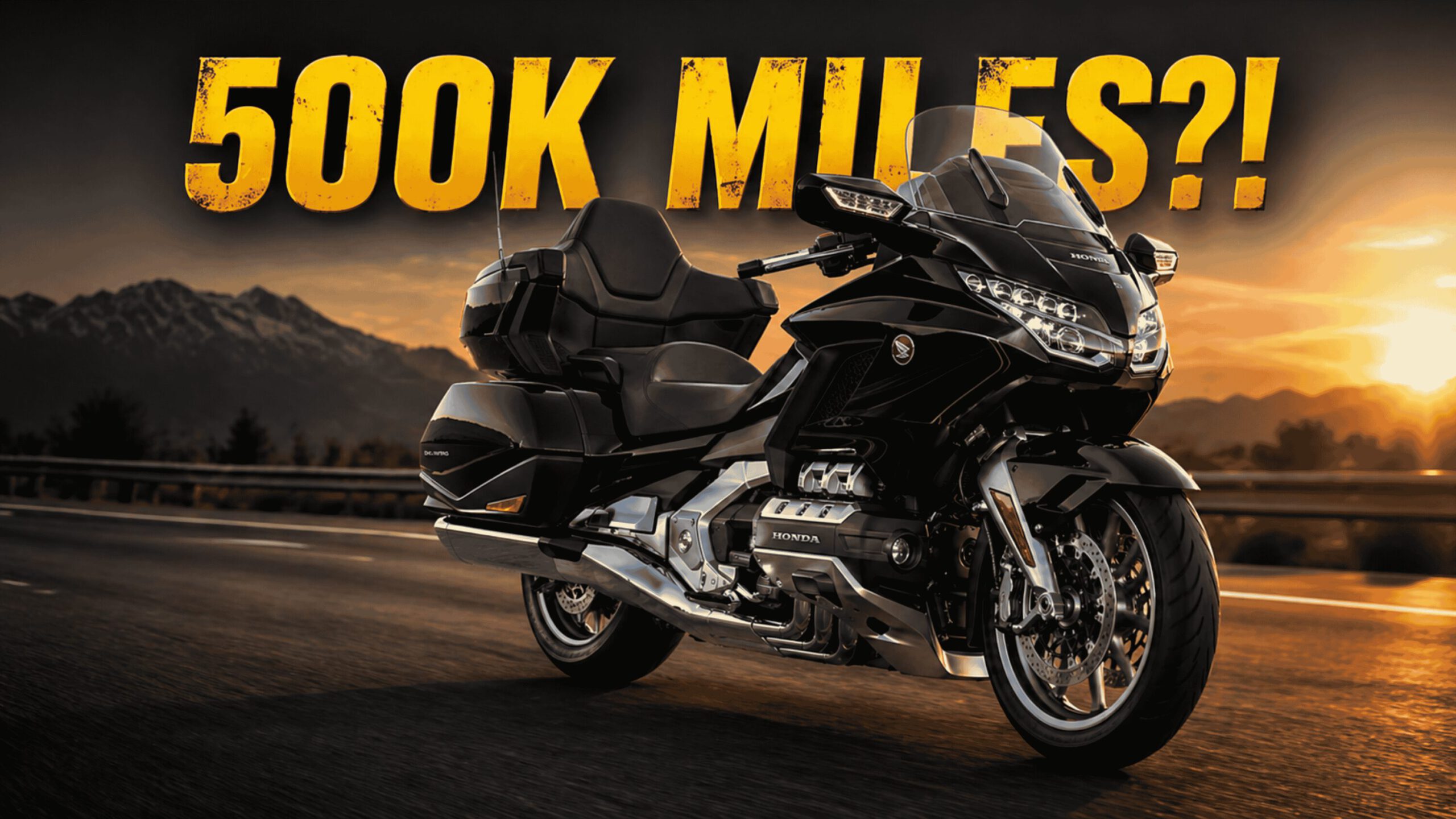
5. Honda Gold Wing
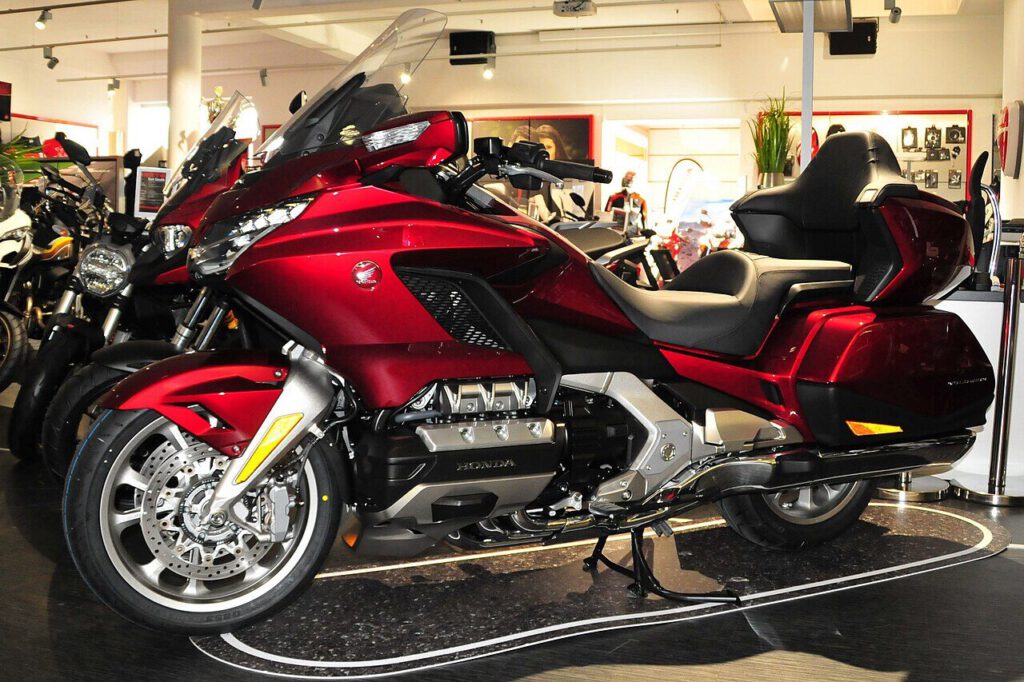
Since its 1975 debut, more reliable than politicians’ promises.
Honda’s touring flagship features a 1,833cc flat-6 engine delivering 126 hp with silk-smooth operation. Stories abound of Gold Wings exceeding 500,000 miles on original engines, outlasting most marriages. The liquid-cooled design handles desert heat while shaft drive eliminates messy chain maintenance.
Weighing around 800 lbs, the Gold Wing may lack nimbleness but excels at highway speeds. For riders crossing continents, this machine represents mechanical honesty built for the long haul.
4. Yamaha FJR1300
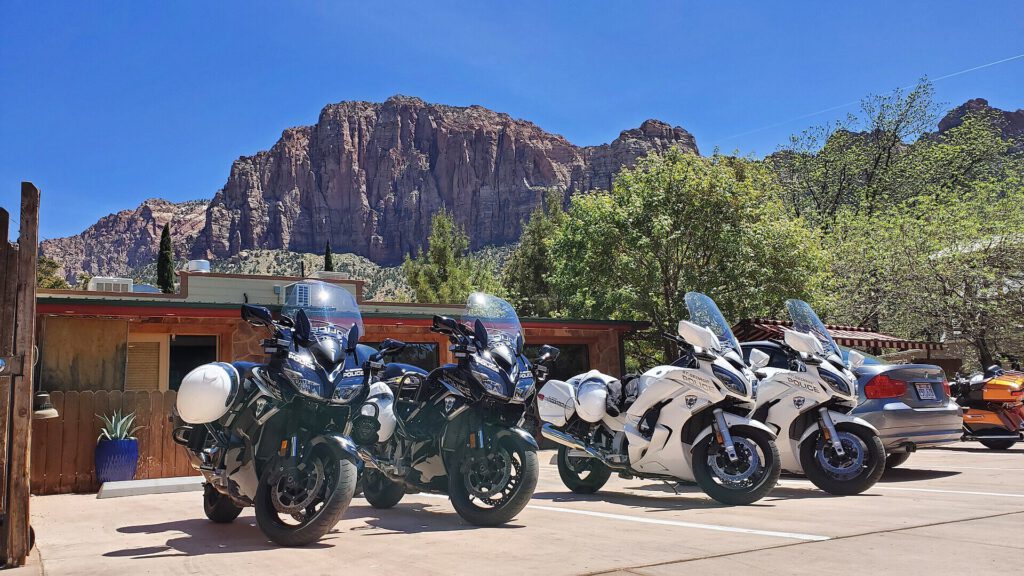
Built to mature gracefully while others age like that uncle still rocking acid-wash jeans.
The FJR1300’s 1,298cc liquid-cooled inline-4 cranks out 145 hp for effortless highway speeds. Designed for police fleets where reliability trumps style, owners report over 300,000 miles on the clock. Shaft drive reduces maintenance while ABS and cruise control add long-distance comfort.
Weighing around 600 lbs, the FJR1300 carries weight well through balanced chassis design. Its closed-deck block prevents leaks, making this sport-tourer a dependable choice for serious mile accumulation.
3. Harley-Davidson Touring Models
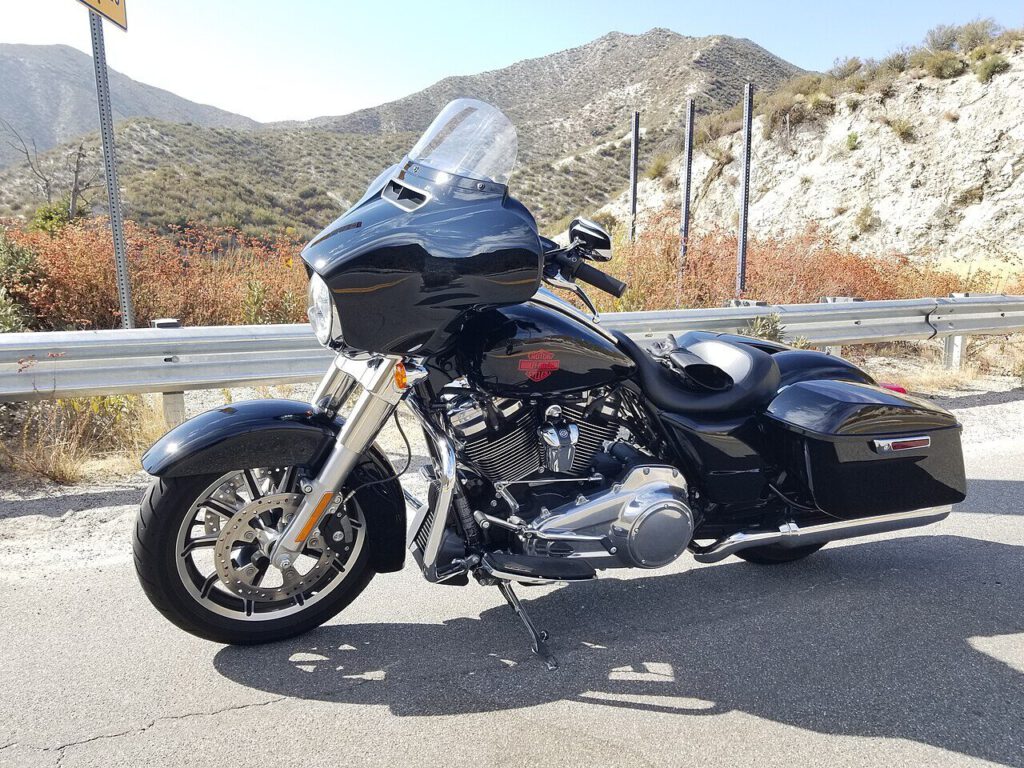
Simple, recognizable, and perpetually cool—like the Chuck Taylors of motorcycles.
Harley’s Electra Glide, Road King, and Street Glide models feature air-cooled Twin Cam 88/96 V-twin engines producing around 80 hp. Owners easily cross 200,000–300,000 miles because these bikes prioritize straightforward design over complexity. Cheap parts and simple rebuilds keep riders moving.
The low-rpm highway cruising design ensures long engine life. Should problems arise, ubiquitous parts supply across the U.S. makes roadside repairs feasible for mechanically-inclined riders.
2. Honda ST1300
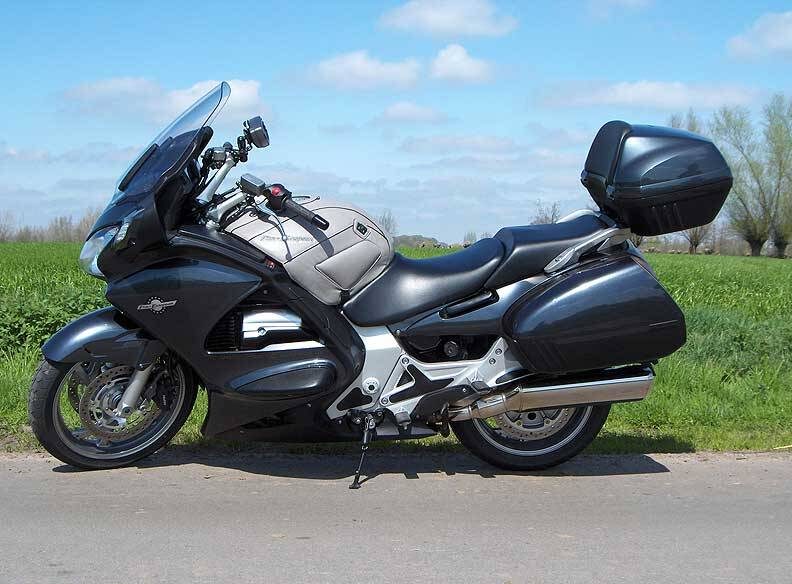
Police fleets demanded more than just good looks from this sport-tourer.
Produced from 2002–2012, the ST1300 features a 1,261cc liquid-cooled V4 engine producing 126 hp. Police fleets reported over 400,000 miles, proving durability under extreme conditions. Over-engineered for heat and heavy loads, it delivers smooth performance mile after mile.
At 628 lbs, the ST1300 offers highway stability while shaft drive and liquid cooling minimize maintenance drama. Its overbuilt transmission handles abuse that would cripple lesser machines.
1. Suzuki Bandit 1200/GSX1250
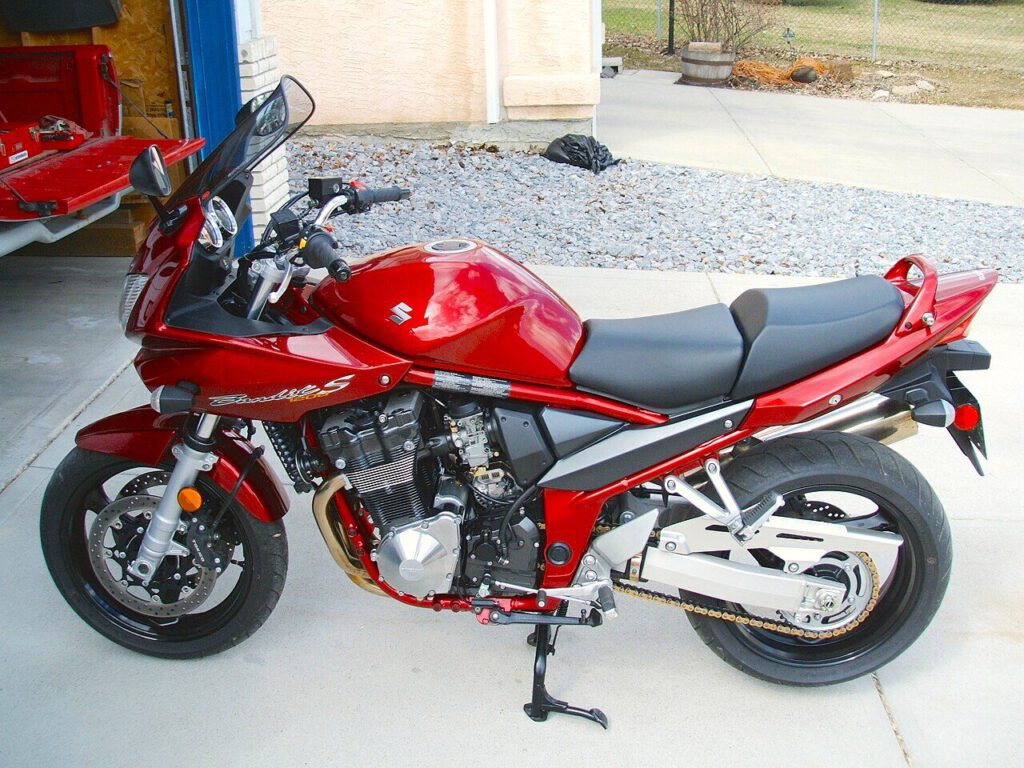
Function over flash defines this bike that shrugs off abuse effortlessly.
The Bandit’s 1,157–1,254cc air/oil-cooled inline-4, derived from GSX-R engines but tuned for longevity, produces over 100 hp. Owners document examples exceeding 300,000 miles thanks to the understressed design philosophy. The robust clutch and gearbox prove virtually bombproof.
This machine delivers satisfying grunt without screaming for attention. For riders needing daily two-wheeled therapy, it’s the kind of reliability that lets them focus on the road, not roadside assistance.
What to Avoid: Ducati Multistrada (Early Models)
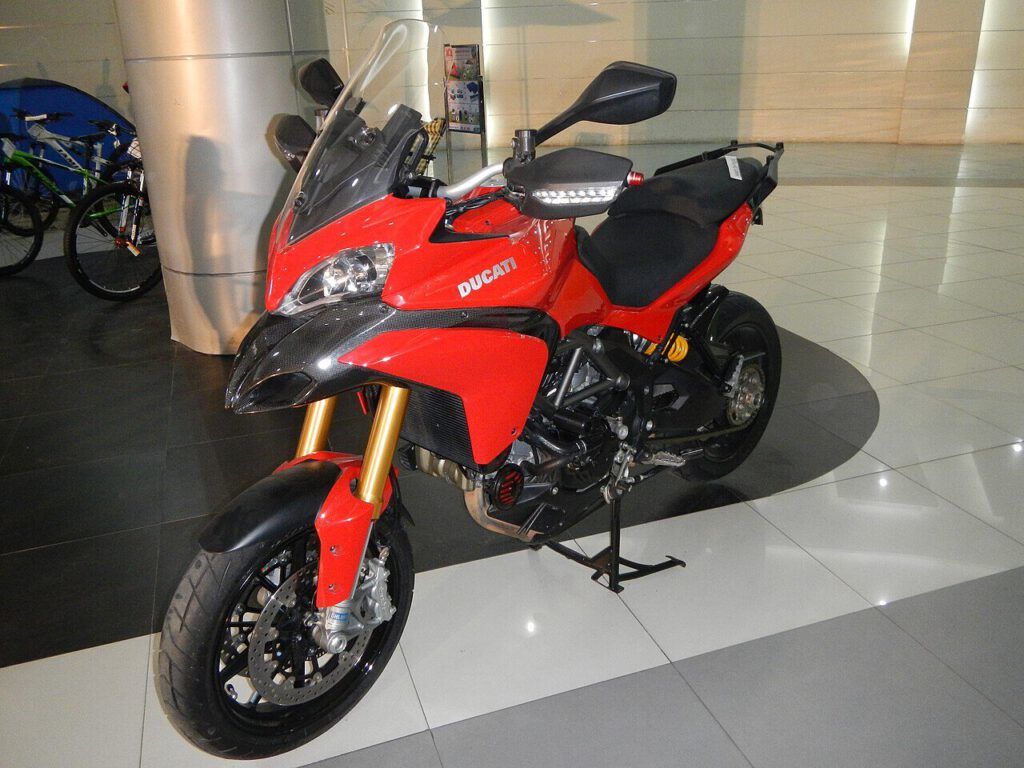
Italian flair comes with a price that extends beyond the showroom.
Early Ducati Multistrada models require Desmodromic valve service every 7,500 miles—a design contributing to thrilling performance but guaranteeing recurring mechanic appointments. High maintenance costs stem from belt-driven cams and general fussiness demanding constant attention.
These bikes suffer from flaky electronics and timing belts requiring frequent, expensive replacements. Owners find themselves wrestling with repairs rather than enjoying open roads.
What to Avoid: Triumph Tiger 1050
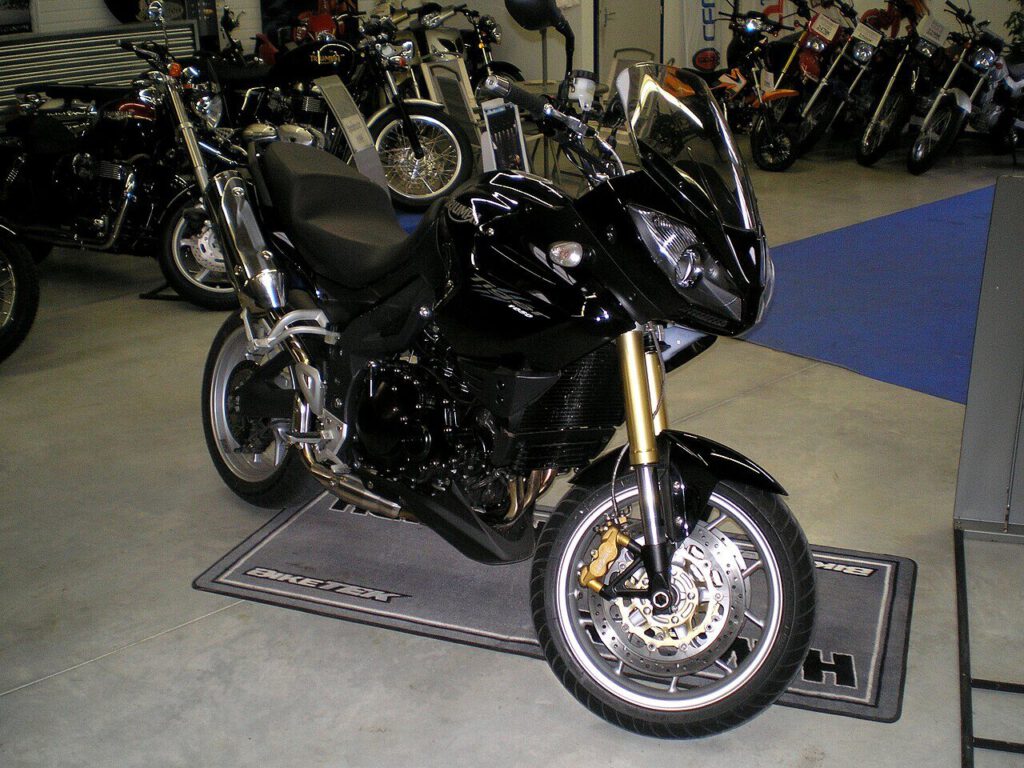
Not all bikes handle electrical reliability equally.
Early Tiger 1050 models (2007–2012) gained reputations for electrical gremlins leaving riders stranded. Common issues included failing regulator/rectifiers causing charging system failures and unexpected fuel pump deaths. The 1,050cc inline-3 producing 123 hp promised adventure but delivered electrical headaches.
Triumph addressed these problems in later models, but used Tiger 1050s require careful inspection and perhaps a multimeter for peace of mind.