




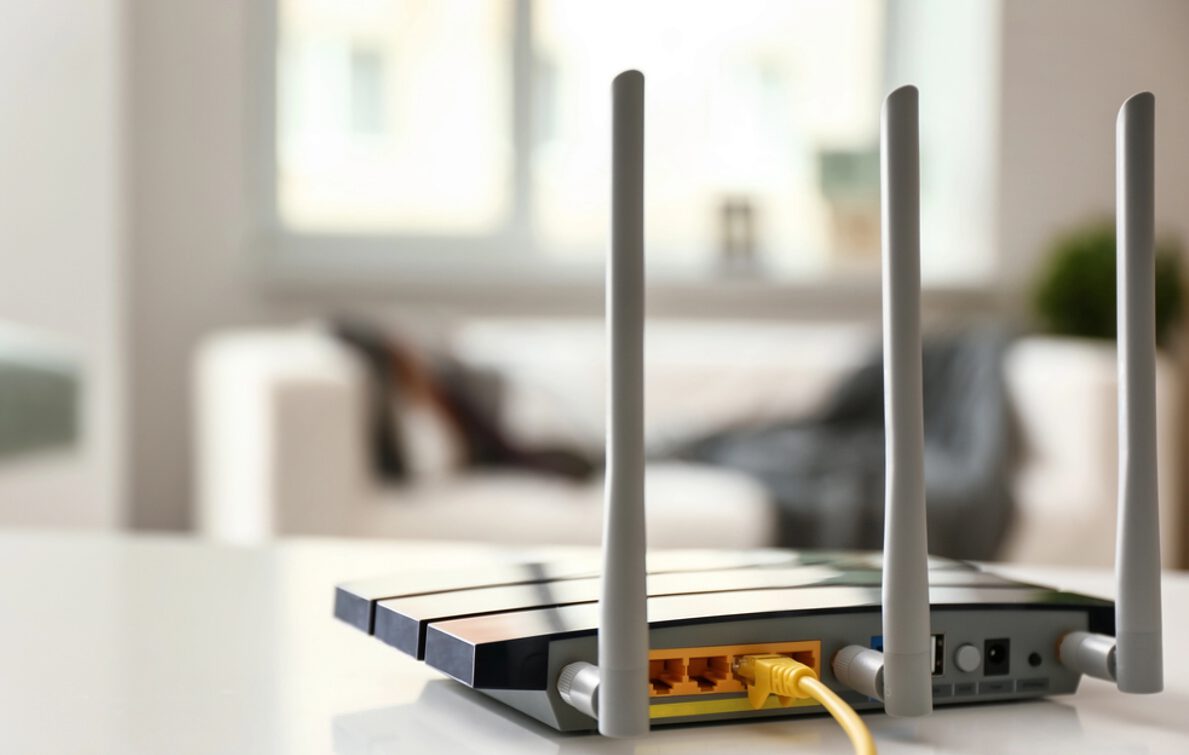
The device quietly humming in your living room corner just became a national security threat. Your home router—the one you set up three years ago and promptly forgot about—is exactly what Russian military hackers need to steal your passwords and spy on military networks.
The NSA and FBI dropped a joint warning on April 7, 2026, that feels ripped from a cyberthriller: Russia’s GRU military intelligence unit has systematically compromised home routers across America, turning them into persistent surveillance tools. Like a digital Trojan horse, these compromised devices sit inside your network, watching every login and intercepting traffic bound for government and defense systems.
The Router Takeover Campaign
Russian hackers exploit TP-Link routers through known vulnerabilities to maintain persistent network access.
The operation targets TP-Link routers using a vulnerability designated CVE-2023-50224, though the compromise extends globally across multiple router brands. Think of DNS hijacking as digital mail theft—attackers redirect your internet traffic through their servers, capturing credentials and sensitive data along the way. Your router becomes their permanent foothold, monitoring every device on your network from smartphones to work laptops.
This isn’t random cybercrime. The GRU’s 85th Main Special Service Center deliberately hunts for pathways into military, government, and critical infrastructure networks. Your home office setup could be their gateway to classified systems.
Why Your Router Screams “Hack Me”
Default passwords, outdated firmware, and enabled remote management create perfect attack conditions.
Most home routers ship with laughably weak security that users never change. Default usernames like “admin” paired with passwords like “admin” or “password” remain untouched on millions of devices. Your router’s firmware—its operating system—probably hasn’t been updated since installation, leaving known vulnerabilities wide open.
Remote management features compound the problem. Enabling these services means anyone on the internet can potentially connect to your router’s control panel. Combined with default credentials, it’s like leaving your front door unlocked with a sign advertising free entry.
End-of-life routers pose the gravest risk since manufacturers no longer provide security patches. With TP-Link holding 65% of the U.S. market, that’s a massive attack surface.
Your Defense Strategy
Simple weekly actions can eliminate most threats, starting with password changes and regular reboots.
- Change your router’s default username and password immediately—this single step blocks most automated attacks
- Disable remote management unless you absolutely need external access
- Perform weekly reboots as the NSA emphasizes this removes non-persistent malware that hasn’t infected the firmware
- Update your router’s firmware through the admin panel or enable automatic updates if available
- Replace any end-of-life device that no longer receives manufacturer support
Three U.S. agencies are investigating potential TP-Link bans due to security concerns. Until then, your weekly reboot schedule and strong passwords provide immediate protection against the most common compromise methods.


























