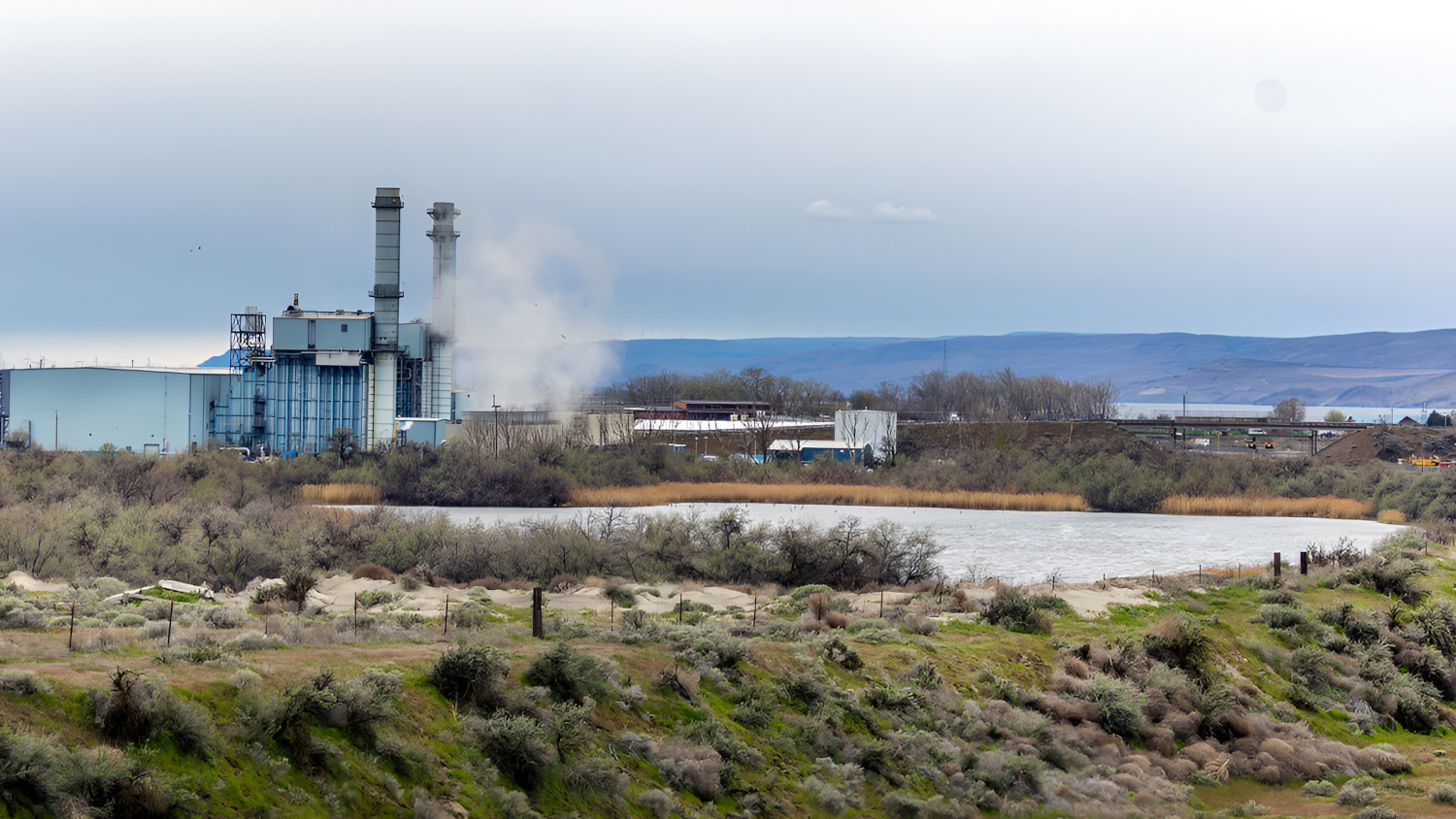
Power outages don’t send warning letters. One minute the lights are on, and the next you’re fumbling for your phone flashlight while the fridge starts warming up. The problem isn’t that outages are rare. It’s that they’re happening more often and lasting longer than most people expect. The average U.S. household experiences at least one outage per year, and major outages have increased by nearly 30% in recent years, according to analysis from Oak Ridge National Laboratory.
Here’s a simple checklist to get ahead of it.
1. Plan for the things that really can’t go offline
This is where most standard outage advice falls short. Flashlights and bottled water are fine, but they don’t help you when your router is dead, your phone is at 12 percent, and you work from home. They don’t help if someone in your house uses a CPAP machine or needs to keep medication refrigerated. And this is where outages quietly get expensive. Power disruptions cost U.S. households and businesses tens of billions annually, with the impact increasing significantly when internet and communication systems go down alongside electricity.
For situations like those, a portable power station is the upgrade most households haven’t made yet but probably should.
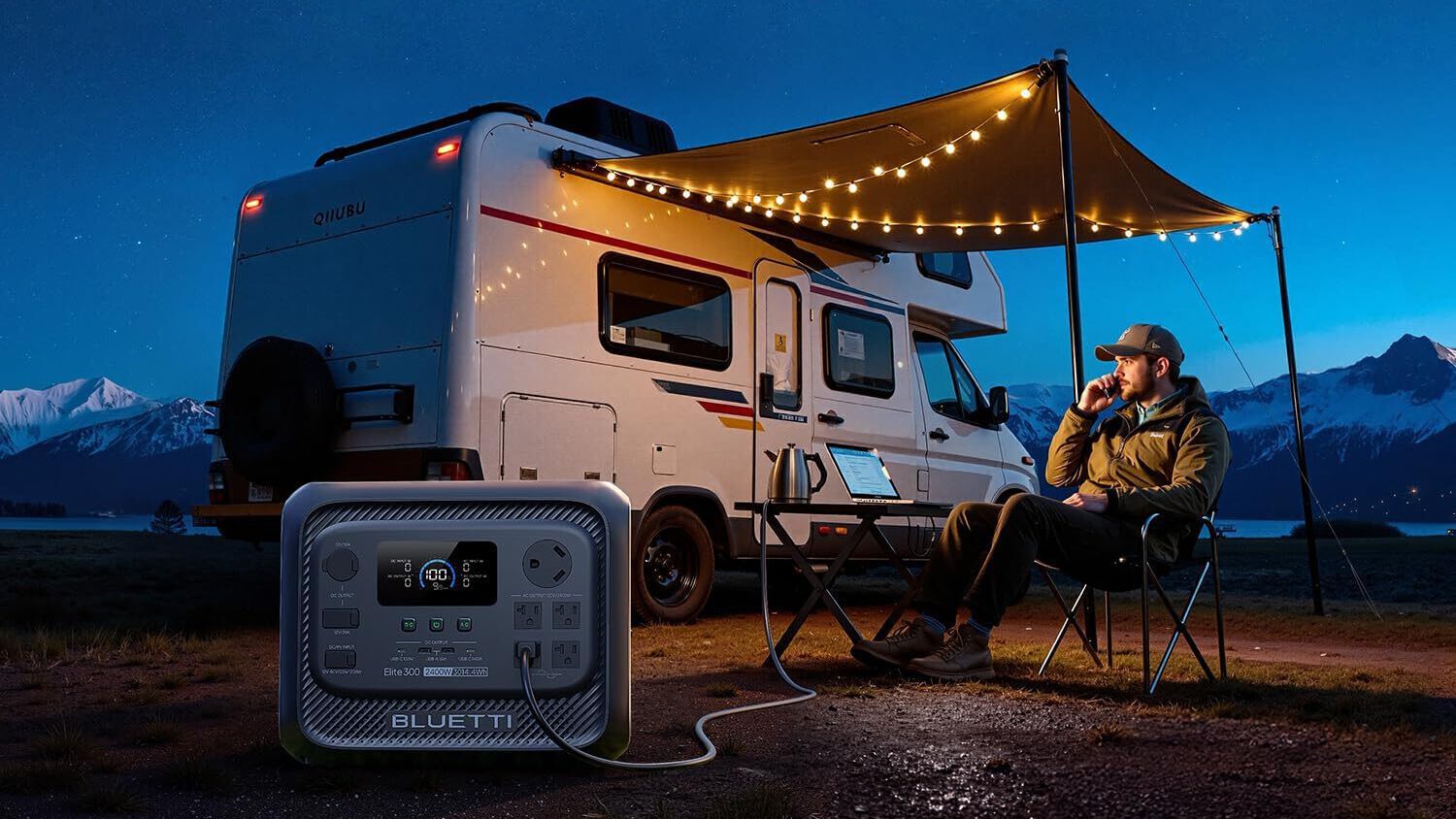
Bluetti’s Elite 300 is one of the better options on the market right now for exactly this kind of whole-household backup thinking. It carries 3,000 watt-hours of capacity, which is enough to run a full-size refrigerator for roughly a day, keep a CPAP running for multiple nights, and charge phones and laptops repeatedly without breaking a sweat. It supports up to 3,000 watts of output, so it can handle most common appliances without any issue.
If you’ve got solar panels, you can charge the Elite quickly, which makes it genuinely useful outside of storm season too. The build is clean, and the interface is simple enough that you don’t need a manual to figure out what you’re doing.
2. Fill your water supply
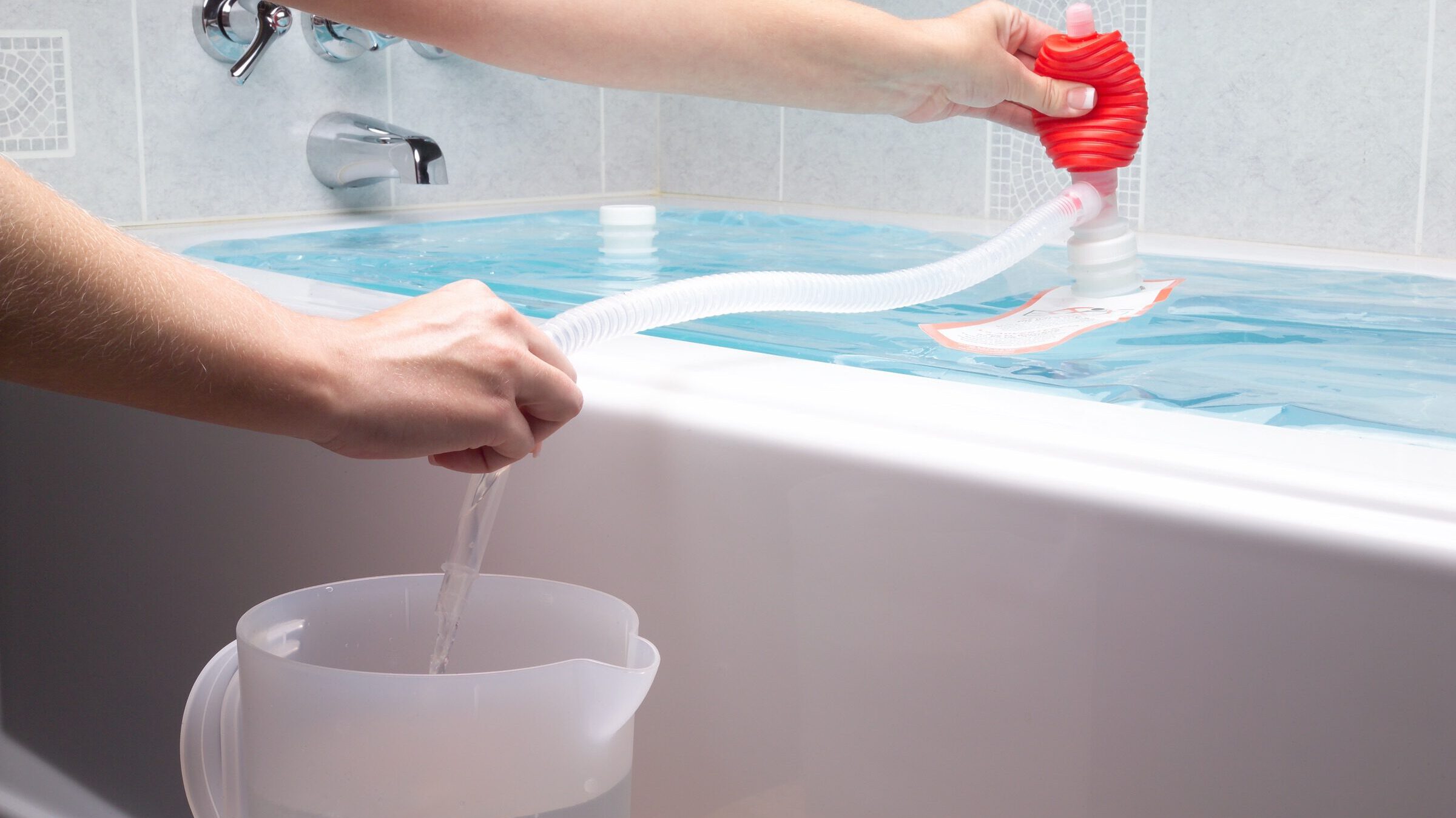
Tap water can become unavailable fast after a major outage, especially if it affects pumping stations in your area. The target is at least a gallon per person per day, with a three-day minimum as your baseline. The easiest way to hit that number without cluttering your pantry with single-use bottles is a dedicated water storage container.
The WaterBOB Emergency Drinking Water Storage unit holds up to 100 gallons and fits inside a standard bathtub, making it one of the most space-efficient options available. For smaller households, a few stacked Aquatainer 7-gallon jugs from Reliance Products do the job without taking over a closet. Either way, fill them before a storm is in the forecast, not during.
3. Sort out your lighting before you need it
A few battery-powered LED lanterns go a long way toward making an outage manageable instead of miserable. The Goal Zero Crush Light Chroma is a solid compact option that folds flat, runs on a USB charge, and throws enough light to handle a room comfortably.
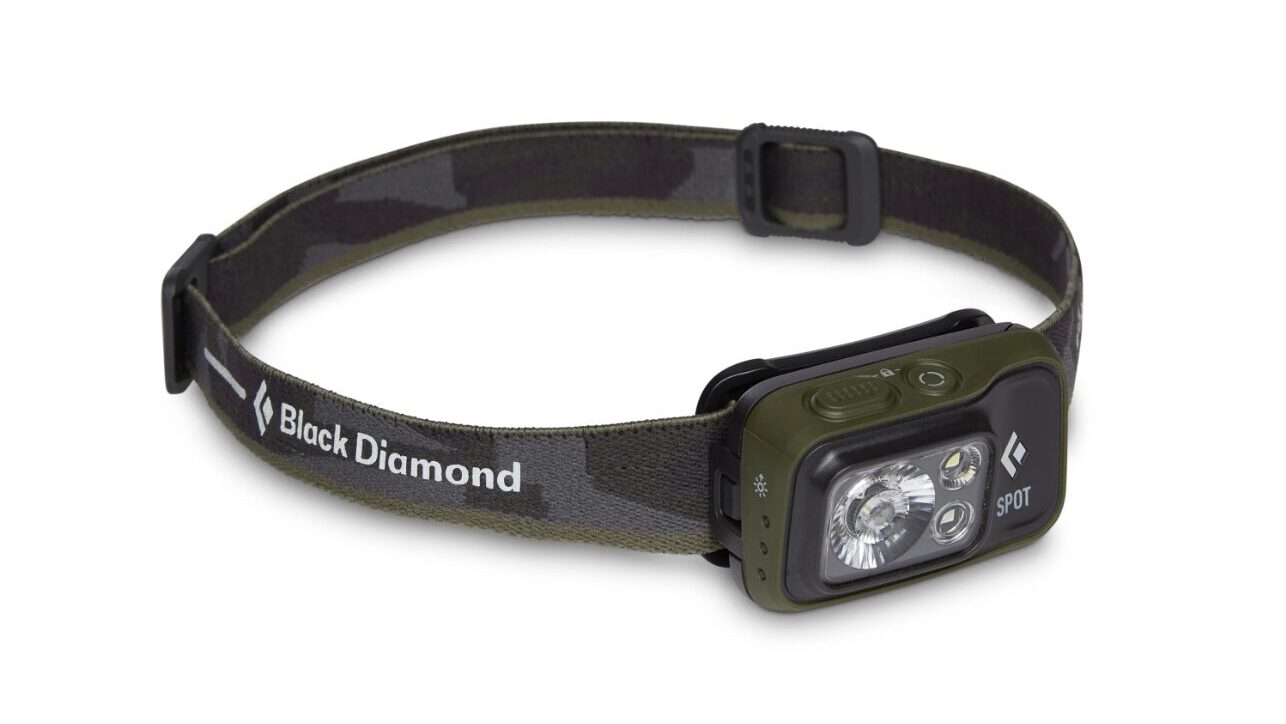
For hands-free movement around the house, a headlamp is a better default than a handheld flashlight. The Black Diamond Spot 400 is a reliable pick with a strong beam and a red night-vision mode that won’t kill your eyes at 2 a.m. Candles work in a pinch, but they’re a fire risk when you’re moving around in the dark, so treat them as a last resort rather than a plan.
4. Think through your food situation
A full freezer actually holds temperature better than a half-empty one, so keeping it stocked works in your favor. The general rule is four hours for the fridge and 48 hours for a full freezer before food safety becomes a real concern.
A refrigerator thermometer takes the guesswork out of that entirely. The Rubbermaid Commercial Products Thermometer is accurate, inexpensive, and easy to read at a glance when you’re trying to make a fast call on whether something is still good. It doesn’t use batteries, and it doesn’t need to be charged. It just works.
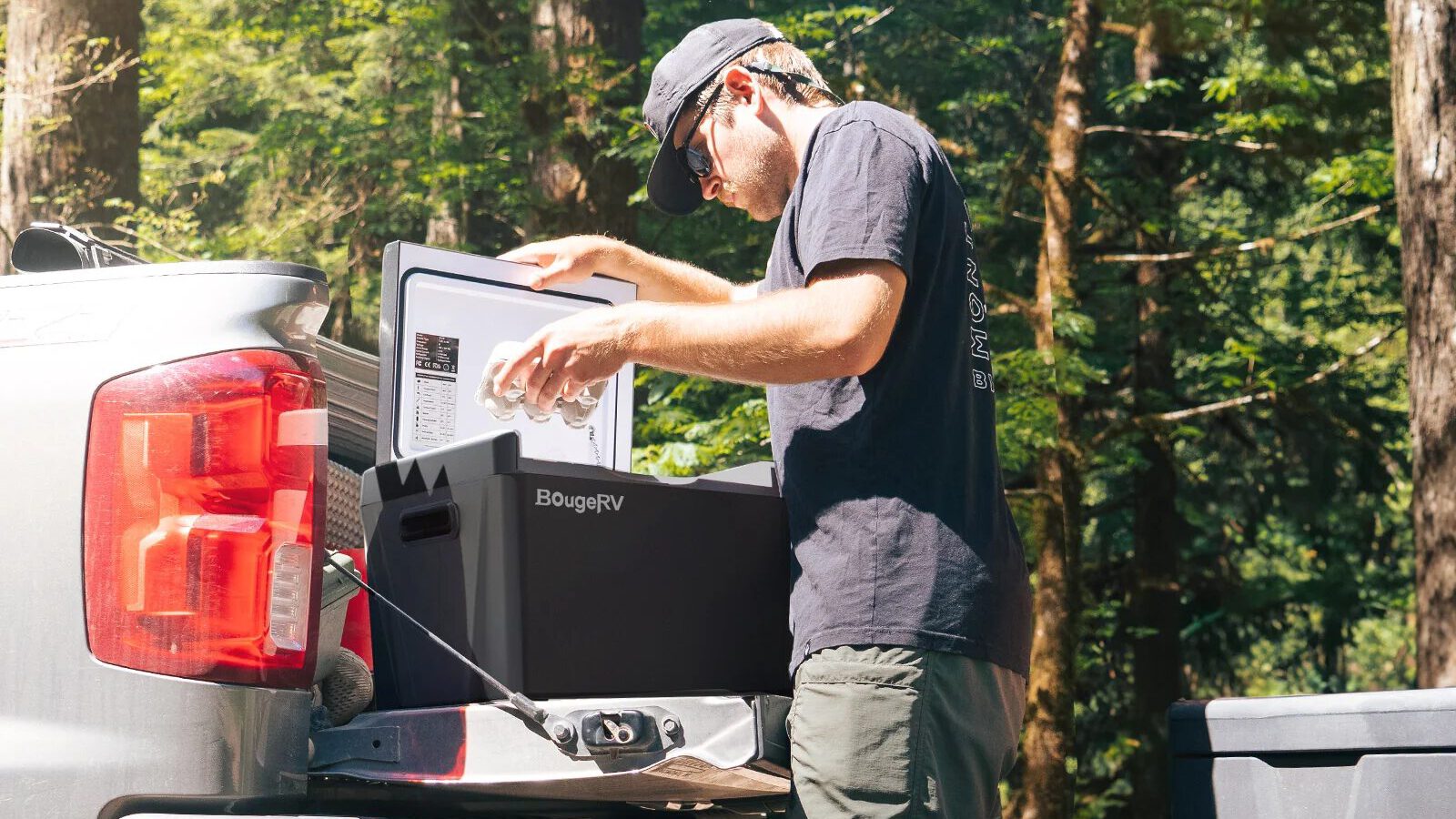
For households that want an extra buffer, a small plug-in cooler like the BougeRV 12V portable fridge can run off a power station and keep critical items cold well past the point where the main fridge gives up. It also works as a travel fridge, so it’s not a unitasker.
Get started sooner, not later
The best time to buy backups and “just in case” items is long before you need them. Prices on power stations tend to spike right after a major storm hits the news cycle, so getting ahead of that curve is worth it.
Right now, Bluetti is offering a solid deal on the Elite 300, and if you use the code GADGET8OFF at checkout, you’ll get an extra 8 percent off on top of any existing sale price. It’s a straightforward way to knock a meaningful amount off a purchase that genuinely pays for itself the first time your neighborhood goes dark.