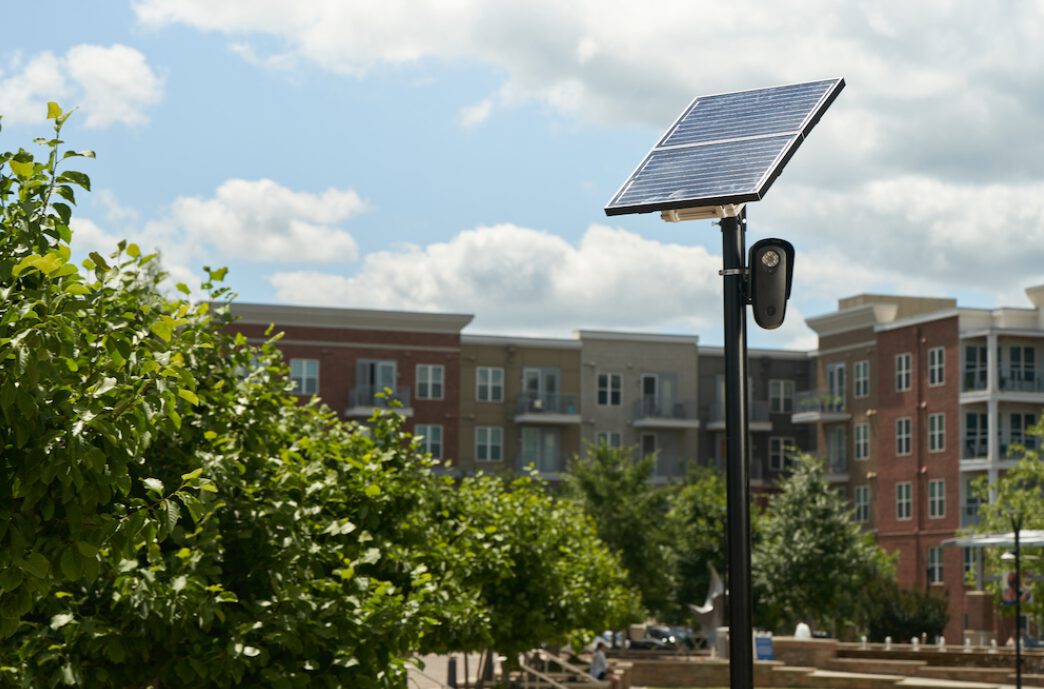
Your coffee run to Starbucks shouldn’t feel like starring in a Black Mirror episode. Yet that’s exactly what happened to residents in Dunwoody, Georgia, who discovered their daily routes were being tracked by a network of 80,000+ cameras operated by Flock Safety. The automated license plate readers, marketed as neighborhood safety tools, have sparked a nationwide privacy backlash that’s forcing cities to choose between crime-fighting capabilities and residents’ digital anonymity.
Cities Hit the Brakes on Surveillance Expansion
Mountain View, Santa Cruz, and other municipalities are pulling the plug on Flock cameras amid privacy concerns.
The exodus started in California and spread nationwide. Mountain View terminated their contract after discovering unauthorized federal access to camera data. Santa Cruz and South Pasadena followed suit, citing fears about data sharing with immigration enforcement. Flagstaff, Arizona deactivated and removed their cameras entirely.
Even Dunwoody—where Flock cameras helped solve jewelry store thefts—has deferred contract renewals multiple times since February. The delay came after discovering the system accidentally shared live feeds from the Marcus Jewish Community Center despite “do not share” settings.
Security Flaws Turn Safety Tools into Stalking Devices
Researchers exposed vulnerabilities that transformed neighborhood cameras into “Netflix for stalkers.”
Security researcher Benn Jordan demonstrated how pressing a camera button three times reveals firmware passwords, allowing anyone to upload, download, or delete video footage. Some Condor model cameras streamed live feeds openly, essentially creating surveillance access for bad actors.
EFF investigations uncovered disturbing search patterns across the network:
- Queries for people who “had an abortion” spanning 83,000 cameras
- Atlanta police using the system for ICE immigration enforcement despite policies prohibiting such searches
Privacy vs. Public Safety Trade-offs Intensify
Flock defends its crime-solving record while critics worry about mass surveillance without warrants.
Flock claims their network solves 2,200 crimes daily and insists customers own 100% of their data. The company added SafeList features to exclude resident license plates from searches and created a transparency portal for auditing queries. They’ve ended DHS pilot programs and comply with California laws blocking out-of-state data sharing.
But as EFF notes, “Flock’s business model depends on building a nationwide network that creates risks no software update can eliminate.” The fundamental tension remains: effective crime prevention versus the creeping normalization of tracking every citizen’s movements.
Your neighborhood’s safety cameras have quietly evolved into something far more invasive than anyone signed up for. The question isn’t whether surveillance technology works—it’s whether the privacy trade-offs are worth it when your daily routine becomes permanent data in a nationwide tracking system.