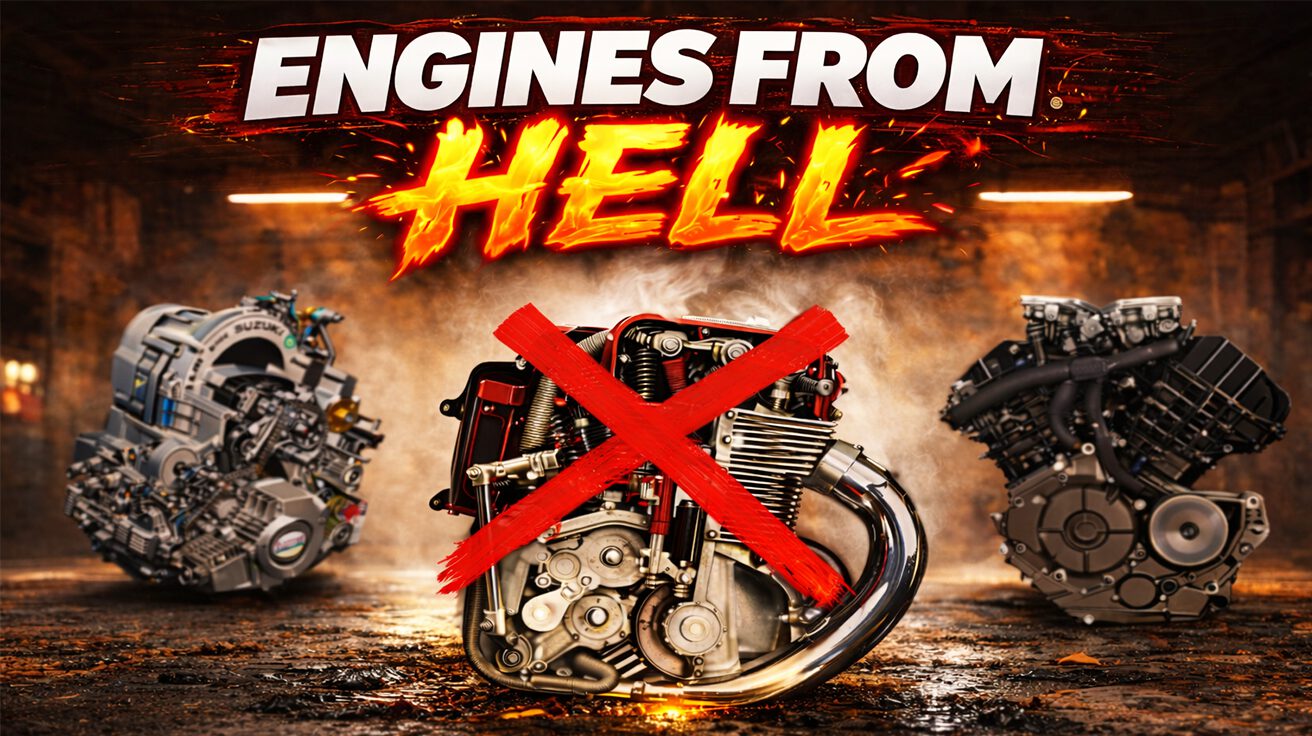
Some motorcycles earn reputations for raw power and style, but others achieve notoriety for less desirable reasons. Engine reliability can make or break the riding experience, turning dream machines into garage queens. Whether due to design flaws, manufacturing shortcuts, or just plain bad luck, certain motorcycle engines have become infamous among mechanics and riders alike. This compilation highlights engines with less-than-stellar track records, using owner experiences and professional reviews to showcase the issues. Consider it a preemptive strike against buyer’s remorse—and maybe learn what to avoid on your next purchase.
10. Harley-Davidson AMF Shovelhead
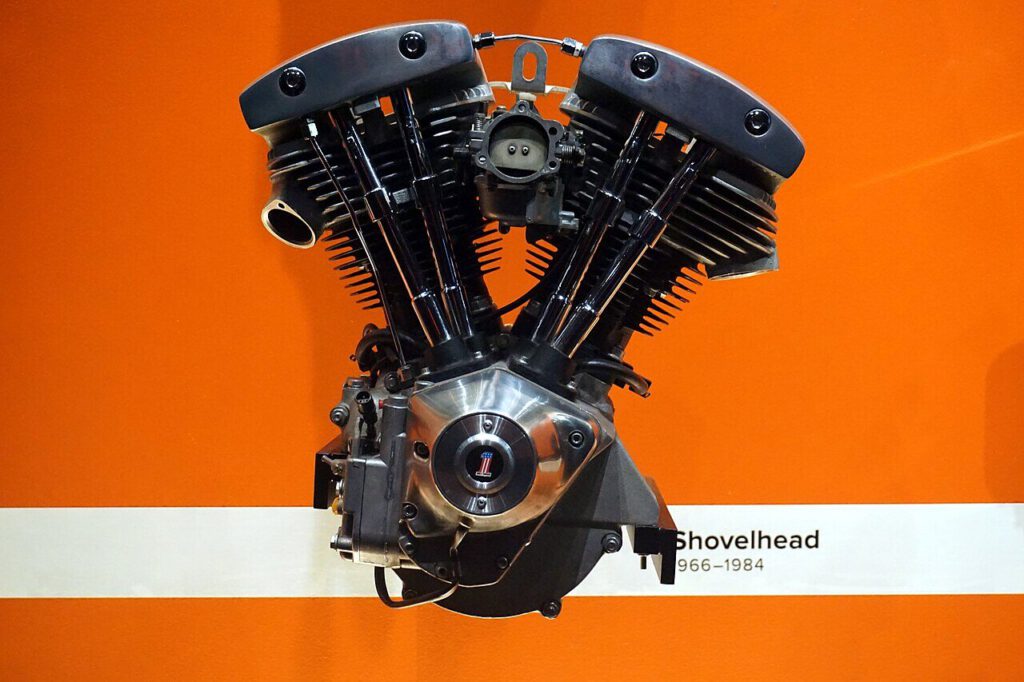
The engine that marked its territory better than a rescue dog.
Produced from 1966-1984, the Harley-Davidson AMF Shovelhead might be remembered less for its performance and more for its talent at marking its territory, one drip at a time. Aluminum heads lacking sufficient cooling fins caused overheating, so they tried to compensate, but oil would pool in the heads, leading to leaks past the valves and high oil consumption (up to 1 quart every 250-500 miles). It’s like owning a vintage British sports car, but with worse reliability—which is saying something.
Planning a scenic cross-country ride? You’ll find yourself constantly pulling over to replenish the oil. AMF-era cost-cutting measures only exacerbated issues like exhaust port erosion and camshaft failures. Despite these shortcomings, the Shovelhead remains a beloved, if slightly perverse, badge of honor for those who wrench more than they ride.
9. Suzuki RE5 Rotary Engine
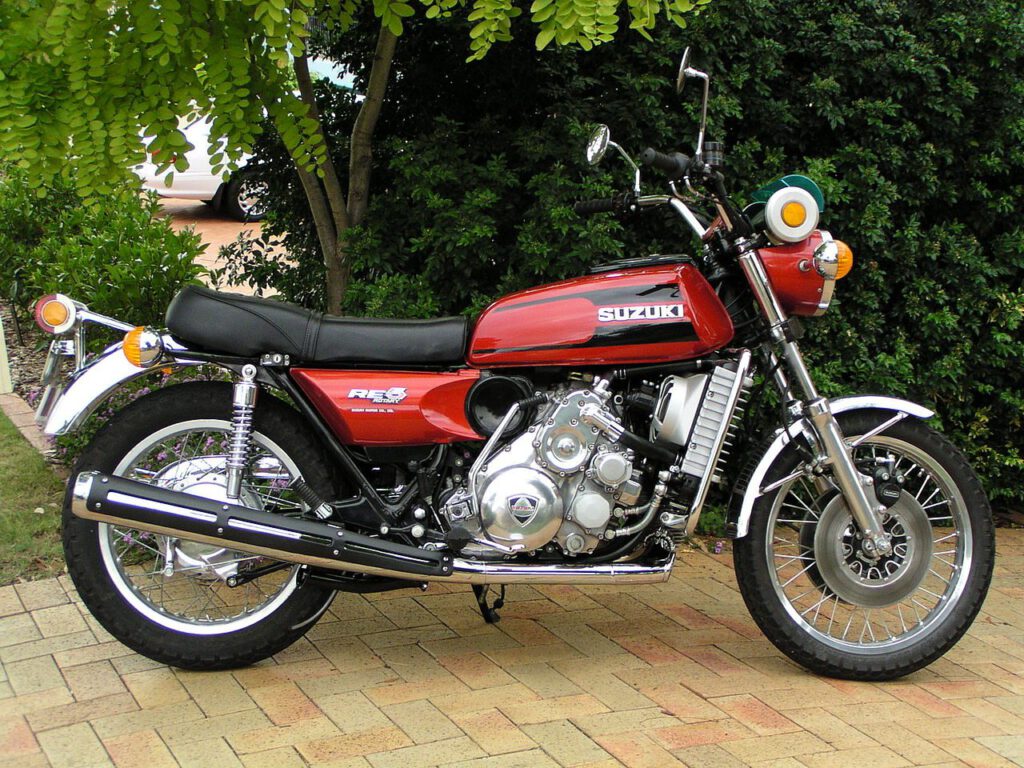
Suzuki’s attempt at building the Jetsons’ motorcycle.
From 1974-1976, Suzuki took a shot at rotary engines with the RE5, a 491cc single-rotor Wankel oddity. Think of it as that one friend who insists on wearing a beret—quirky but kinda endearing. This collector’s dream guzzles oil like it’s going out of style, thanks to a separate tank just for apex seal lubrication.
Maintenance? Forget about popping down to your local shop; you’re navigating a maze of specialized knowledge and scarce parts. Fuel economy hits a pathetic 10-15 mpg, and then there’s the infamous overheating problem. Still, with only 5,000 units ever rolling off the line, owning one is like possessing a vintage tech unicorn—flawed but undeniably cool.
8. Kawasaki Z1 900 Chain Oiler System
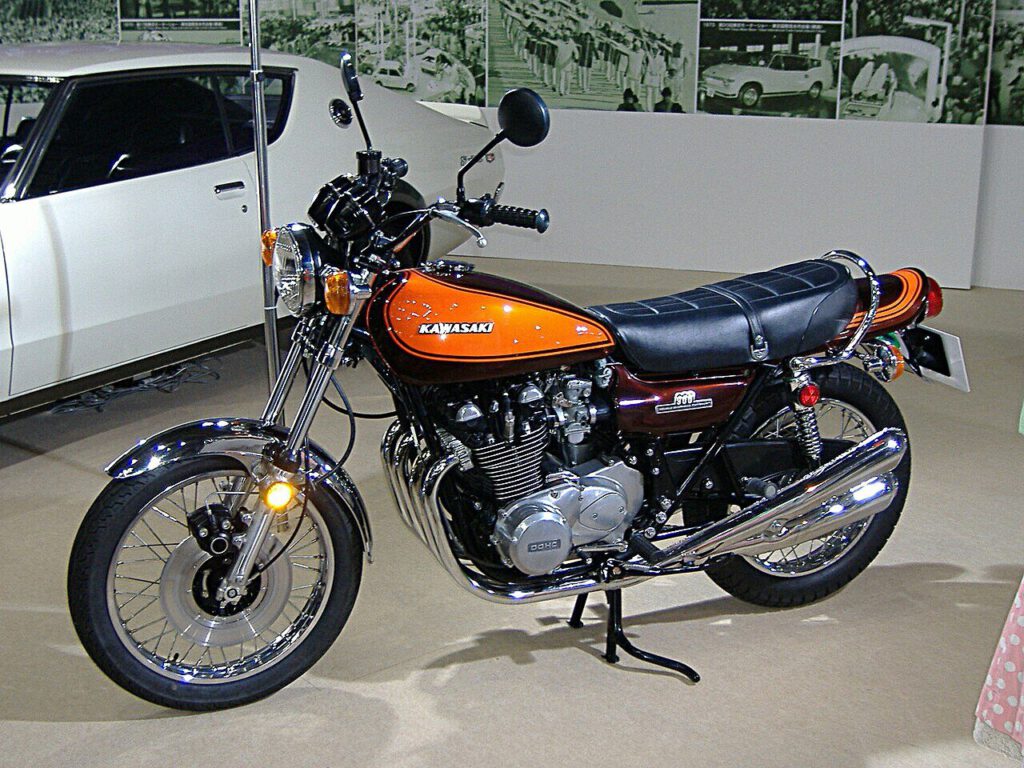
The feature that turned chain maintenance into abstract art.
Featured on the 1972-1976 Kawasaki Z1 903cc DOHC four-cylinder, the automatic chain oiler was meant to extend chain life by automatically lubricating it as you rode. Instead, it became a legendary cautionary tale—less “oiling system” and more “oiling everything else system.” Riders soon discovered that it pumped engine oil not just onto the chain, but all over the rear tire, the rider, and surrounding landscapes.
The result? A slippery situation reminiscent of an oil slick on a bowling lane. Stories circulated of near accidents as riders wrestled with compromised traction, soon making this feature as welcome as a skunk at a garden party. Disabling the oiler became common practice, a practical solution to a design flaw that threatened to undermine the Z1’s otherwise impressive 82 hp.
7. Ducati Desmoquattro Early 1990s
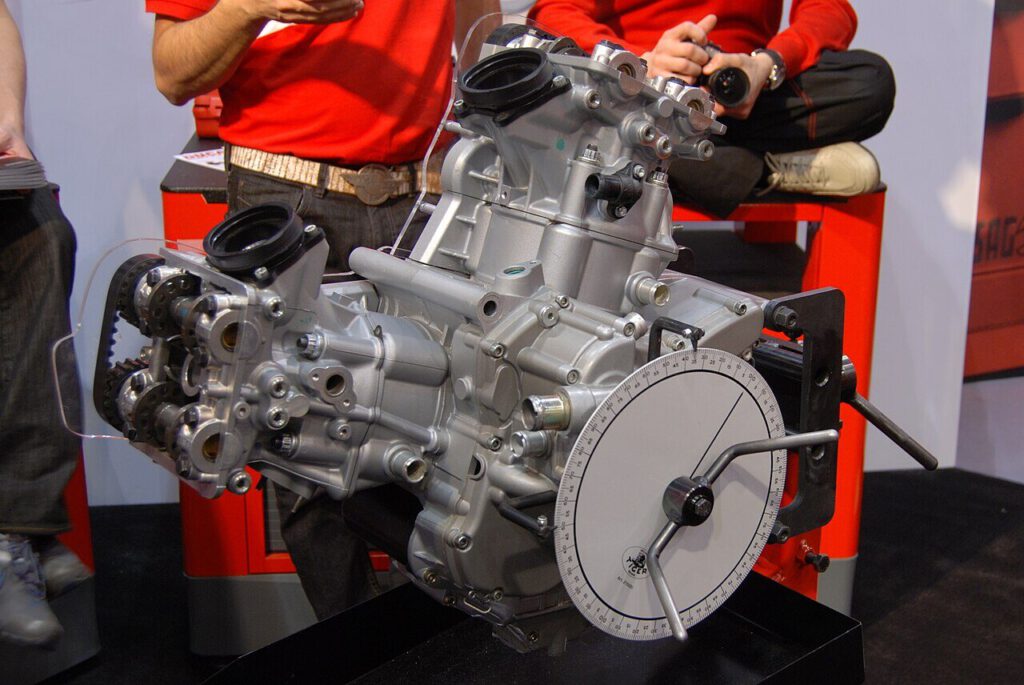
High-maintenance Italian with commitment issues.
Those early Ducati Desmoquattro engines—the 851cc and 888cc liquid-cooled 90-degree V-twins—were like a high-maintenance relationship. Released from 1991-1993, their desmodromic valves and potential for up to 11,000 rpm made them scream on the track. Yet, those valves needed adjusting every 3,000-6,000 miles, and skipping service could cause them to float and kiss the pistons.
For anyone dropping serious coin on an Italian superbike, frequent valve adjustments felt like getting nickel-and-dimed. Neglecting maintenance wasn’t an option: worn belts or valve issues could quickly demand a full rebuild, and that hits harder than realizing you forgot your wallet on date night. The choice was simple: ride the razor’s edge or pay the price.
6. Honda CX500 Plastic Maggot
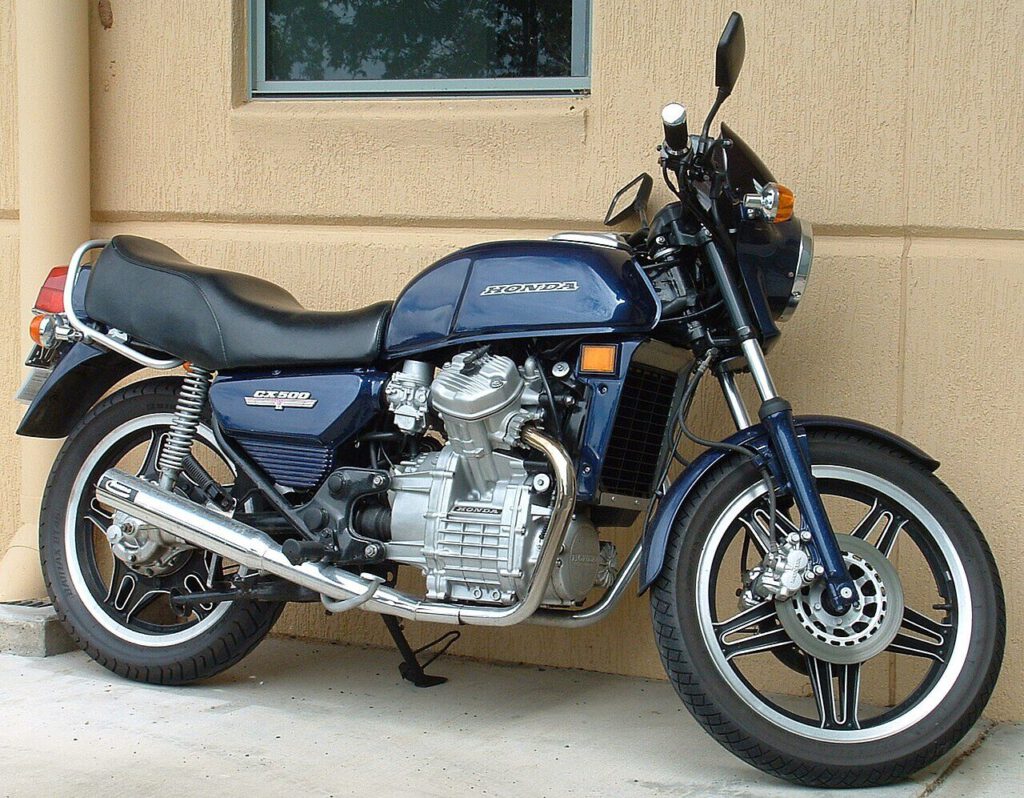
Beginner-friendly bike with advanced-level maintenance needs.
Marketed as reliable transportation for touring and beginners, the 1978-1982 Honda CX500—nicknamed “Plastic Maggot” for its, uh, distinctive fairing—had a few gremlins. The 497cc liquid-cooled 80-degree V-twin promised dependability, but some riders heard a metallic clattering sound, a siren song signaling cam chain tensioner problems. Picture being a newbie, thinking you scored a dependable ride, only to wind up knee-deep in repairs.
These machines also suffered from starter clutch issues, turning ignition into a gamble. Overall, the 48 hp “maggot” was fairly solid, but needed frequent tensioner replacements. Still, maybe you prefer wrenching to riding—no judgment here.
5. Yamaha TX750 Parallel Twin
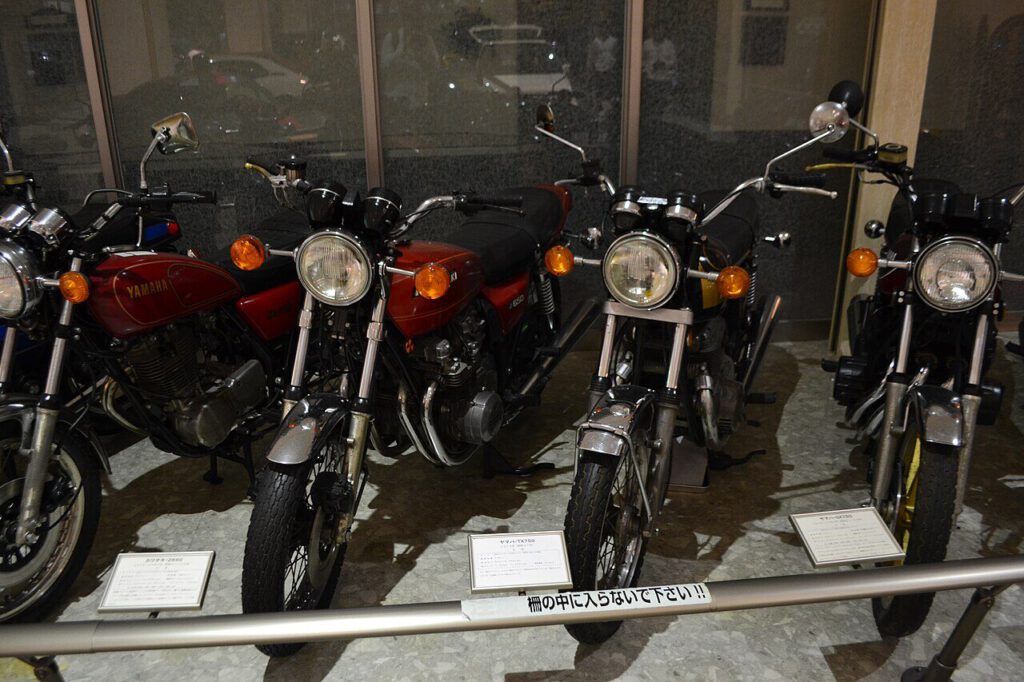
The bike that turned motor oil into highway cappuccino.
Yamaha swung for the fences with the 1974-1976 TX750, a 743cc SOHC parallel twin boasting a balance shaft and 64 hp. They wanted to out-smooth Honda, but instead, they rolled out a mechanical middle finger. Picture cruising down the highway when your oil decides to throw a rave, foaming up like a poorly made latte.
Crankshafts bent like yoga instructors, balance shafts threw in the towel, and cylinder heads got so hot they could probably poach an egg. Yamaha issued recalls for crank and oil fixes, but the damage was done. Production wrapped by 1976, making this less a classic and more a cautionary tale—though finding one today is rarer than a sober Pete Doherty.
4. Buell 1125R Rotax V-Twin
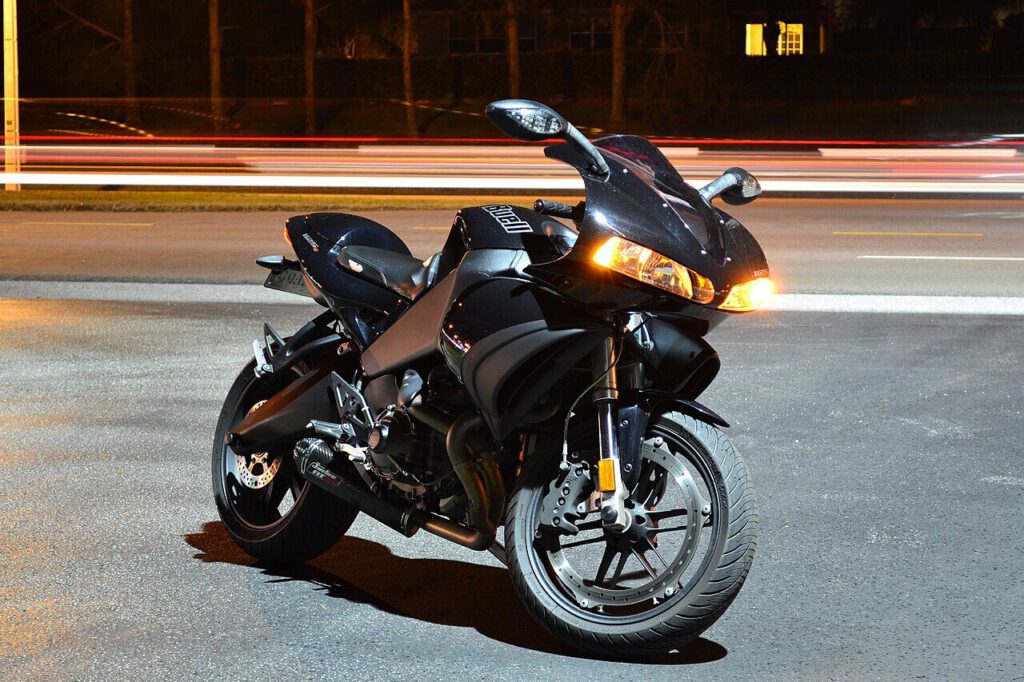
American muscle with European-level drama.
The 2007-2010 Buell 1125R, powered by a 1125cc liquid-cooled Rotax 72-degree V-twin, promised 146 hp of raw American muscle. Instead, it often delivered a roadside therapy session. Ask any Buell fanatic who’s spent more time wrenching than riding, and you’ll hear tales of overheating, clutch failures, and electrical gremlins—the kind of stuff that turns a Sunday cruise into a full-blown Greek tragedy.
Frame flex added insult to injury. With Buell’s bankruptcy in 2009 cutting off support like a bad breakup, the 1125R’s brief, tumultuous run did more to stain the brand’s reputation than shine it. At least they tried to drag American sportbikes into the modern era.
3. Triumph 1200 Trophy Triple Gearbox
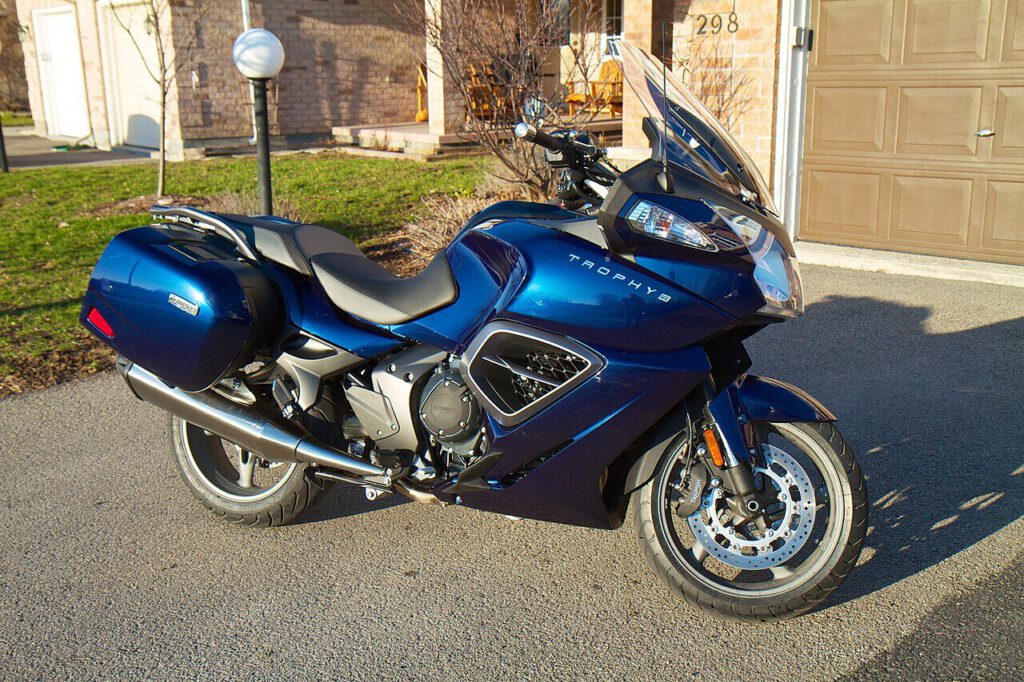
The transmission that couldn’t handle its own engine.
Highway speeds in third gear? Hard pass, friend. On the 1991-1994 Triumph Trophy 1200, those gears apparently love to audition for a demolition derby. Picture this: You’re cruising, feeling the 1180cc DOHC inline-three purr, then BAM! A loud bang, followed by the sinking realization that your transmission just threw a party, and third gear was the piñata.
The Trophy 1200’s gearbox, unfortunately, earned its place in the motorcycle hall of shame with this recurring issue affecting roughly 30% of early units. Clocking in at 98 hp, the engine itself is a total champ, but those early transmissions weren’t quite ready for prime time. Later models got the memo and beefed up the gears—but for owners of the OG Trophy, frequent transmission rebuilds became a costly reality.
2. BMW F650 Single
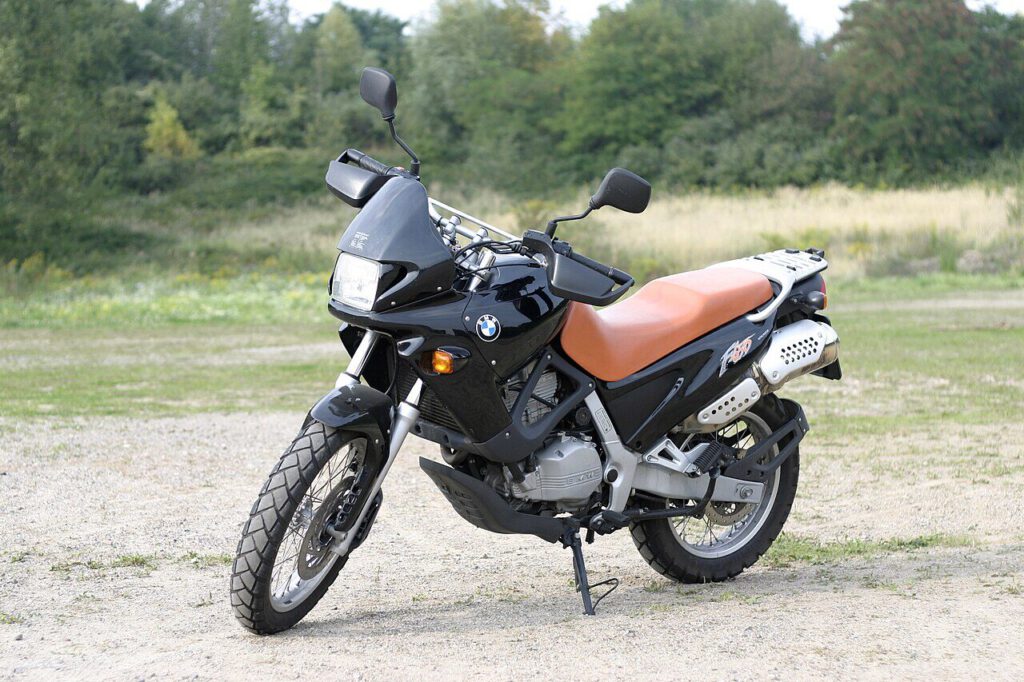
The paint mixer that occasionally transported people.
BMW usually nails engineering, but even legends hit a snag or two. The 1993-2000 BMW F650, with its 652cc Rotax single-cylinder engine, occasionally vibrated like a toddler after downing a Red Bull. Riders reported hand numbness after just an hour, which is less “Iron Butt” and more “Iron Nerves.”
Early models had stalling issues and fuel injection problems. It’s like the engine was playing a constant game of “guess the throttle.” While it pumped out a respectable 48 hp, those first-gen models needed some serious TLC to iron out electrical faults and injection quirks. Once modded, these bikes became solid runners, but you might need to be a bit handy—or at least know a mechanic who isn’t afraid of a little tinkering.
1. Harley-Davidson V-Rod Revolution Engine Early Models
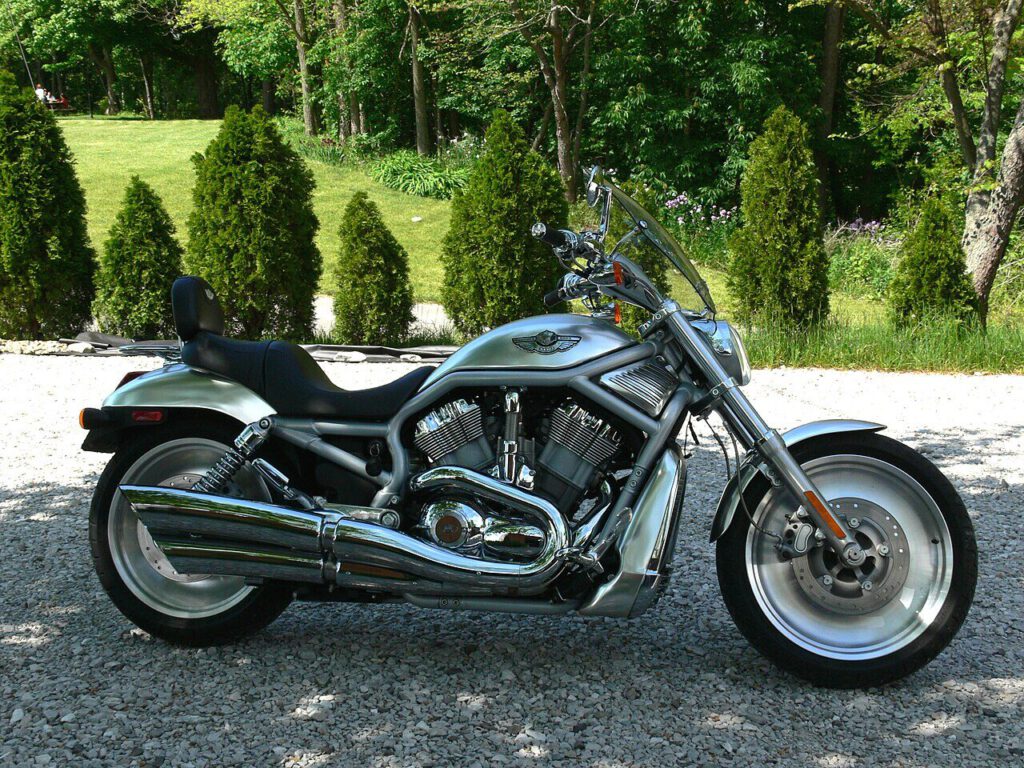
Porsche engineering meets Harley execution—with predictable results.
2002-2007 Harley-Davidson tried to ditch its old-school image by hiring Porsche to co-design the Revolution engine, a 1250cc liquid-cooled 60-degree V-twin. The result? A 122 hp high-revving beast hitting 9,000 rpm, and some riders found themselves stranded with fuel pump failures. It was like trying to teach your grandma TikTok dances—ambitious, but with some embarrassing stumbles.
The cam chain tensioner turned out to be another weak point, and let’s not forget the joy of riding a V-Rod in summer traffic, where overheating was as common as tourists wearing socks with sandals. Later models got hydraulic tensioners, which helped, but those early years were a bit of a hot mess. At least they tried to drag Harley into the 21st century, even if it was kicking and screaming.