Your Tesla’s promised self-driving features keep getting pushed back because of chip shortages, but Elon Musk just announced a $25 billion solution that could change everything.
Terafab Aims to End Silicon Dependency
The massive Austin facility targets 2nm chip production for Tesla AI and SpaceX orbital data centers.
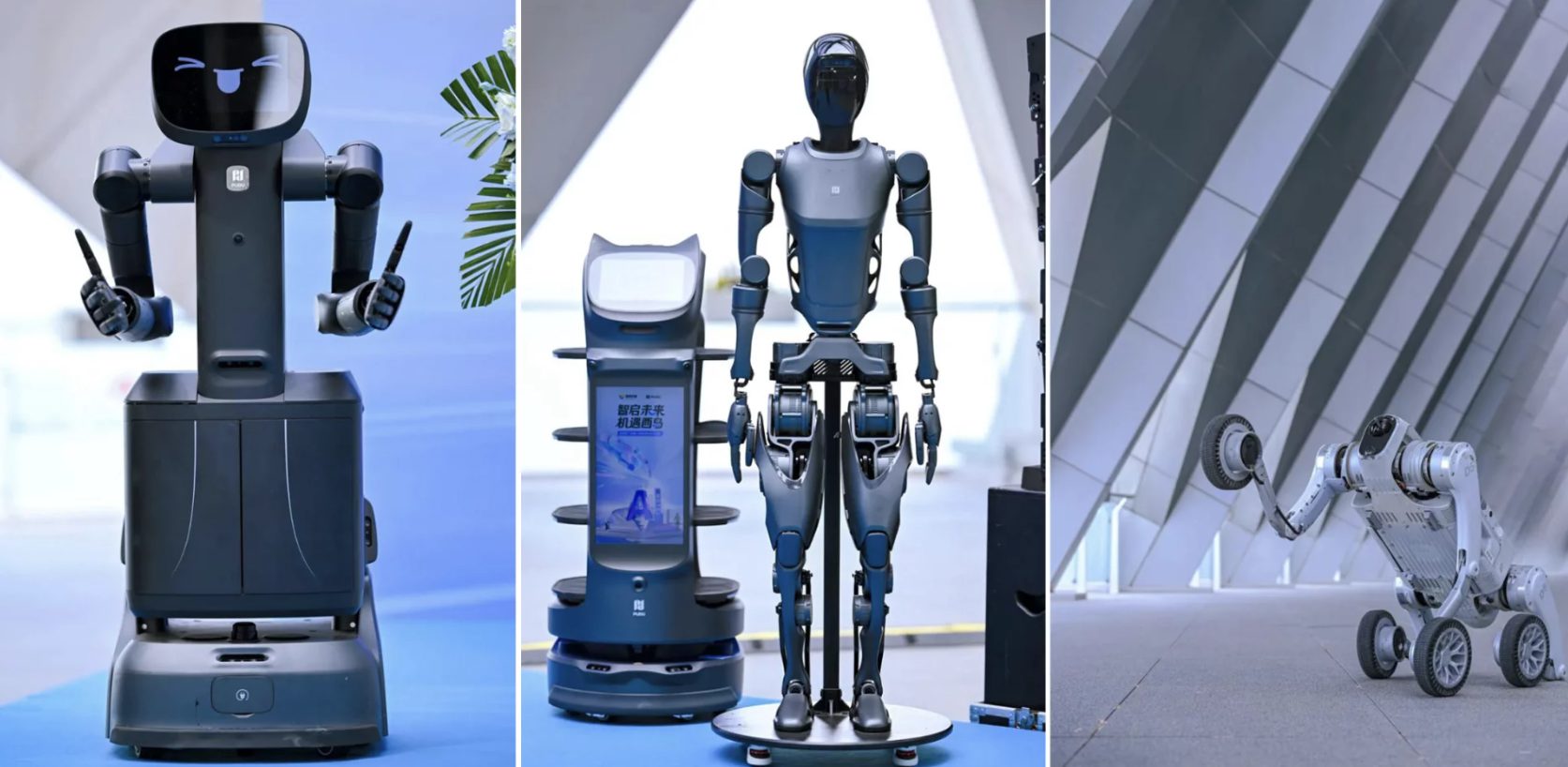
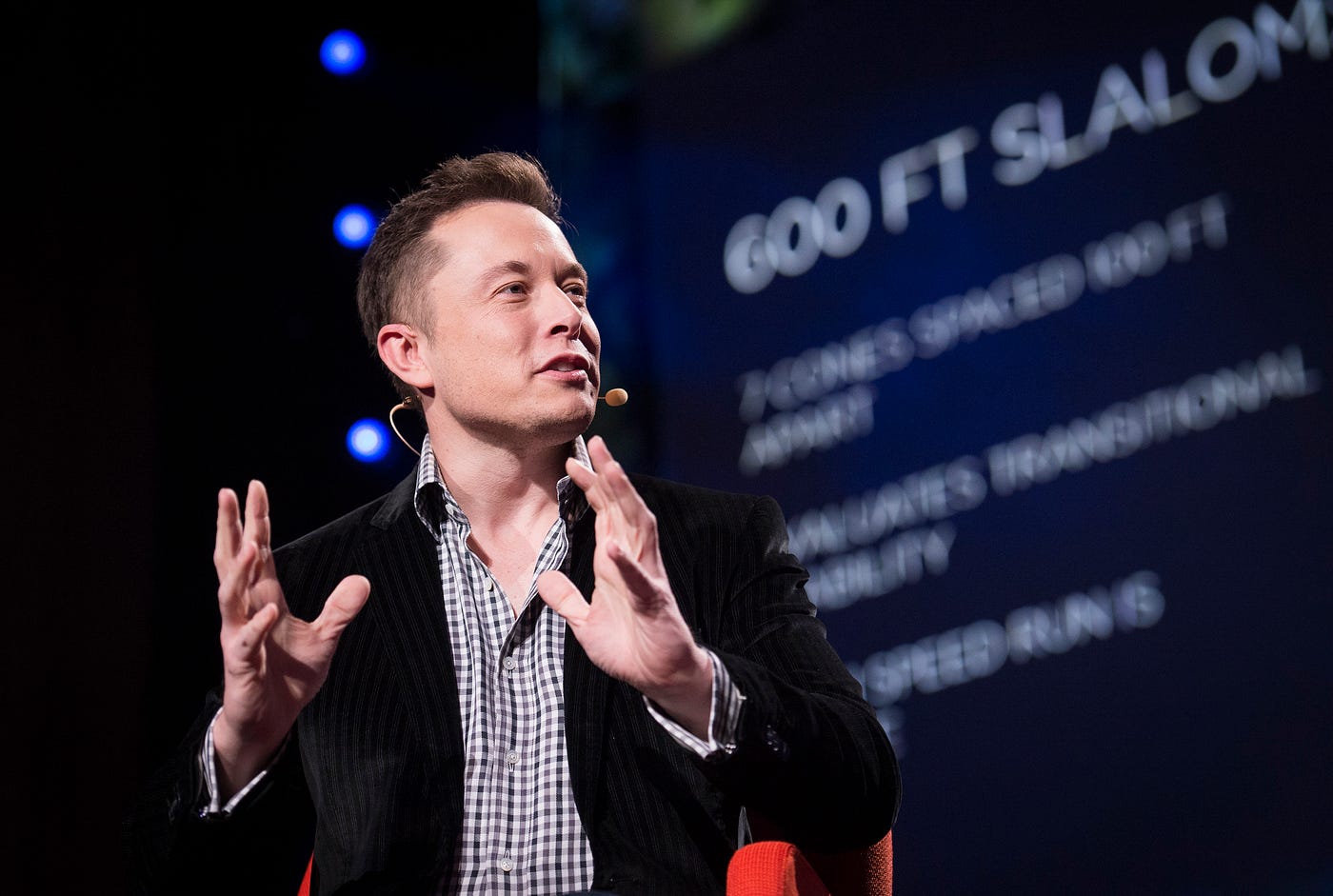
Musk unveiled Terafab on March 21, 2026, describing it as a joint venture between Tesla, SpaceX, and recently-acquired xAI. The facility near Tesla’s Giga Texas will house two specialized fabs: one cranking out AI5 inference chips for your future Cybercab and Optimus robots, another producing D3 processors for SpaceX’s orbital AI satellites.
The goal sounds like science fiction—scaling from initial 100,000 wafer starts monthly to 1 million, yielding up to 200 billion chips annually with 1 terawatt of computing power. That’s double the entire United States’ current capacity.
Supply Chain Desperation Drives Vertical Integration
Samsung delays on crucial AI chips pushed Musk toward the most expensive Plan B imaginable.
“We either build the Terafab or we don’t have the chips,” Musk declared, pointing to Samsung’s AI5 and AI6 delays stretching into 2027. Your Tesla’s Full Self-Driving beta feels perpetually stuck in beta partly because of these supplier bottlenecks. Rather than wait for TSMC’s overwhelmed fabs or Samsung’s timeline slips, Musk chose the nuclear option: building semiconductor manufacturing from scratch.
It’s like Netflix deciding to manufacture their own TVs because LG couldn’t deliver enough screens.
Reality Check on Musk’s Timeline Magic
No firm deadlines beyond 2027 volume production raise familiar execution questions.
The initial $20-25 billion price tag isn’t even included in Tesla’s already massive 2026 capital expenditure budget. Musk provided no concrete timelines beyond “AI5 small batch 2026, volume 2027″—classic Musk timeline ambiguity that’s burned investors before.
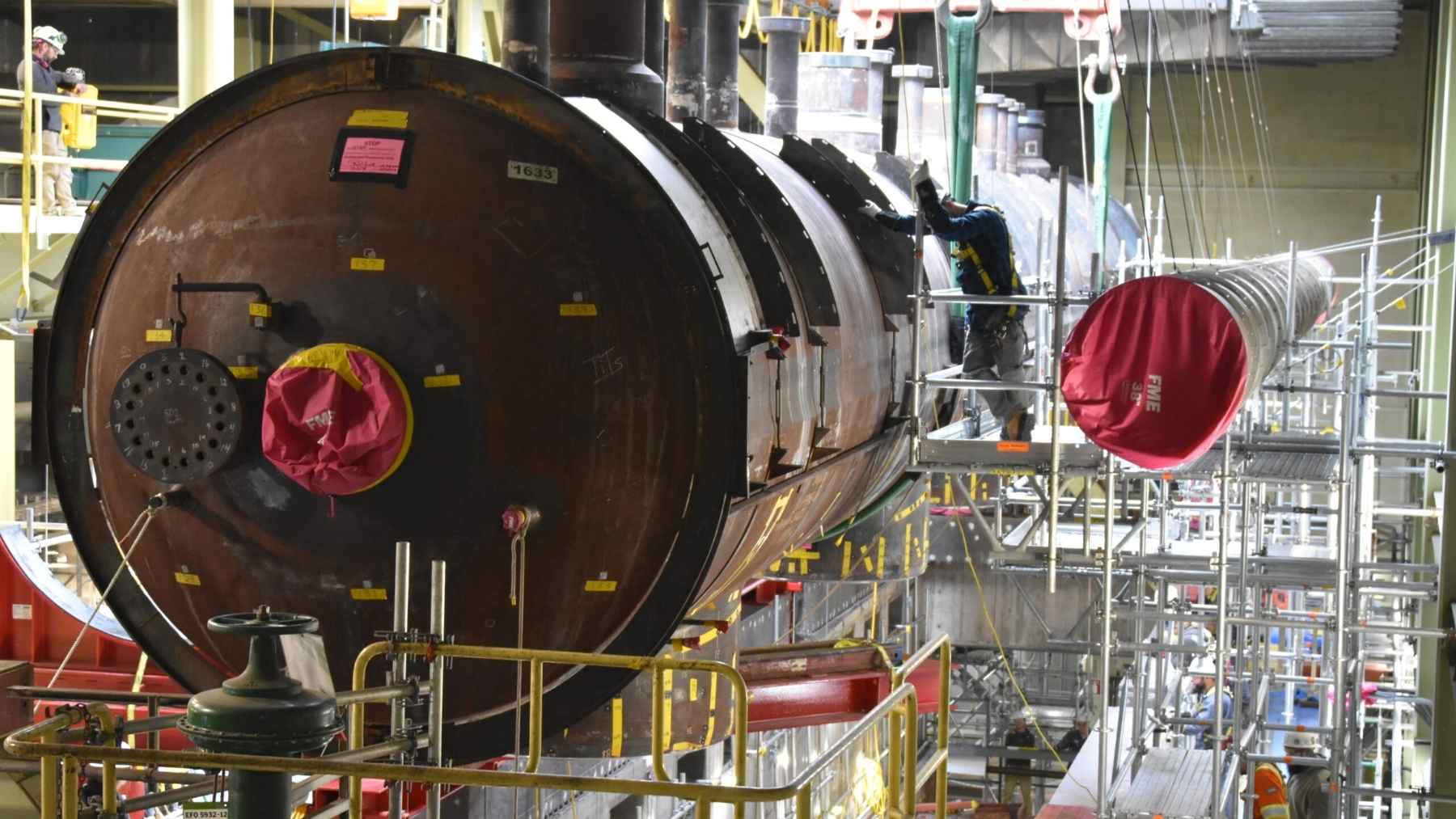
None of these companies have semiconductor manufacturing experience, yet they’re attempting to match Taiwan Semiconductor’s decades of expertise. The demo fab starts “soon,” but the full 100+ million square foot facility remains an ambitious promise without construction schedules.
Your Future Tech Hangs in the Balance
Success could accelerate AI features while failure risks massive shareholder losses.
If Terafab delivers, your 2028 Tesla might finally have the processing power for true autonomous driving, while Optimus robots could handle construction work by 2030. But semiconductor manufacturing is notoriously complex—Intel spent years struggling with their 10nm transition.
Musk’s betting Tesla’s financial future that vertical integration beats waiting for suppliers, turning chip shortages from your problem into his $25 billion gamble.