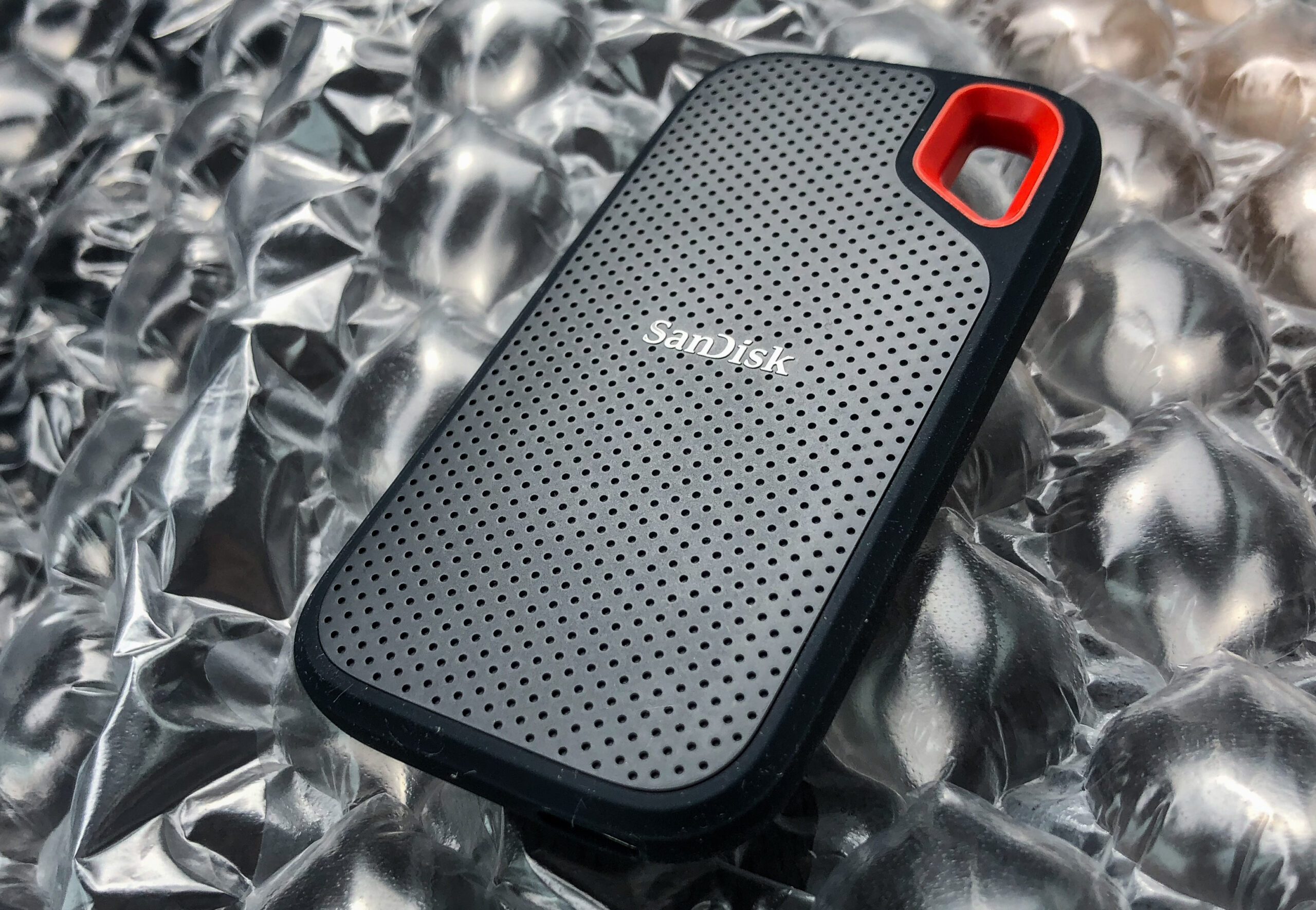
Need extra storage for your MacBook? That 1TB SanDisk drive that cost $120 last month now runs $360 at Apple stores. Your wallet didn’t misread the price tag—external SSDs just experienced the kind of inflation usually reserved for concert tickets and avocados.
This isn’t a typo or temporary glitch. Apple implemented these astronomical price increases across external storage in March 2026, with some SanDisk models jumping 200%. The 4TB SanDisk Professional Pro-G40 leaped from $499.95 to $1,199.95—a 140% spike that transforms practical storage into premium territory. According to Bloomberg’s Mark Gurman, these increases aren’t limited to SanDisk products but affect external drives across multiple brands.
The culprit behind your storage sticker shock? AI data centers are devouring semiconductor production capacity like a digital black hole. Projects like OpenAI’s massive Stargate initiative demand specialized high-bandwidth memory chips, and manufacturers are prioritizing these lucrative enterprise contracts over consumer-grade storage components. It’s supply chain darwinism—your home office loses to ChatGPT’s server farms.
Apple maintains direct pricing authority at retail, even though SanDisk manufactures these drives. While vendors set wholesale prices, Apple “reserves the right to change prices for products at the Apple Store at any time,” according to their terms. Translation: when supply gets scarce, prices reflect that reality immediately.
Other retailers face similar constraints—Amazon shows restricted availability, and even Steam platform owner Valve reportedly told developers at GDC 2026 they’d buy any bulk RAM inventory available.
This supply crunch extends beyond Apple’s ecosystem. Traditional hard drives increased 46% between September 2025 and January 2026, proving the storage shortage affects spinning disks and solid-state drives alike. Industry analysts expect this imbalance to persist until semiconductor manufacturers can expand production capacity—a process measured in years, not months.
SanDisk’s external SSDs occupy an awkward position in this new reality. These drives earned popularity through affordability and convenience, featuring keychain loops and plug-and-play simplicity that appealed to mainstream users. Professional feedback suggests reliability concerns for mission-critical applications, but casual users loved the accessible price point.
That value proposition just evaporated.
Your storage upgrade plans might need recalibration. Until AI’s appetite for semiconductors reaches equilibrium with consumer demand, that external SSD represents a significantly bigger investment than your budget anticipated.