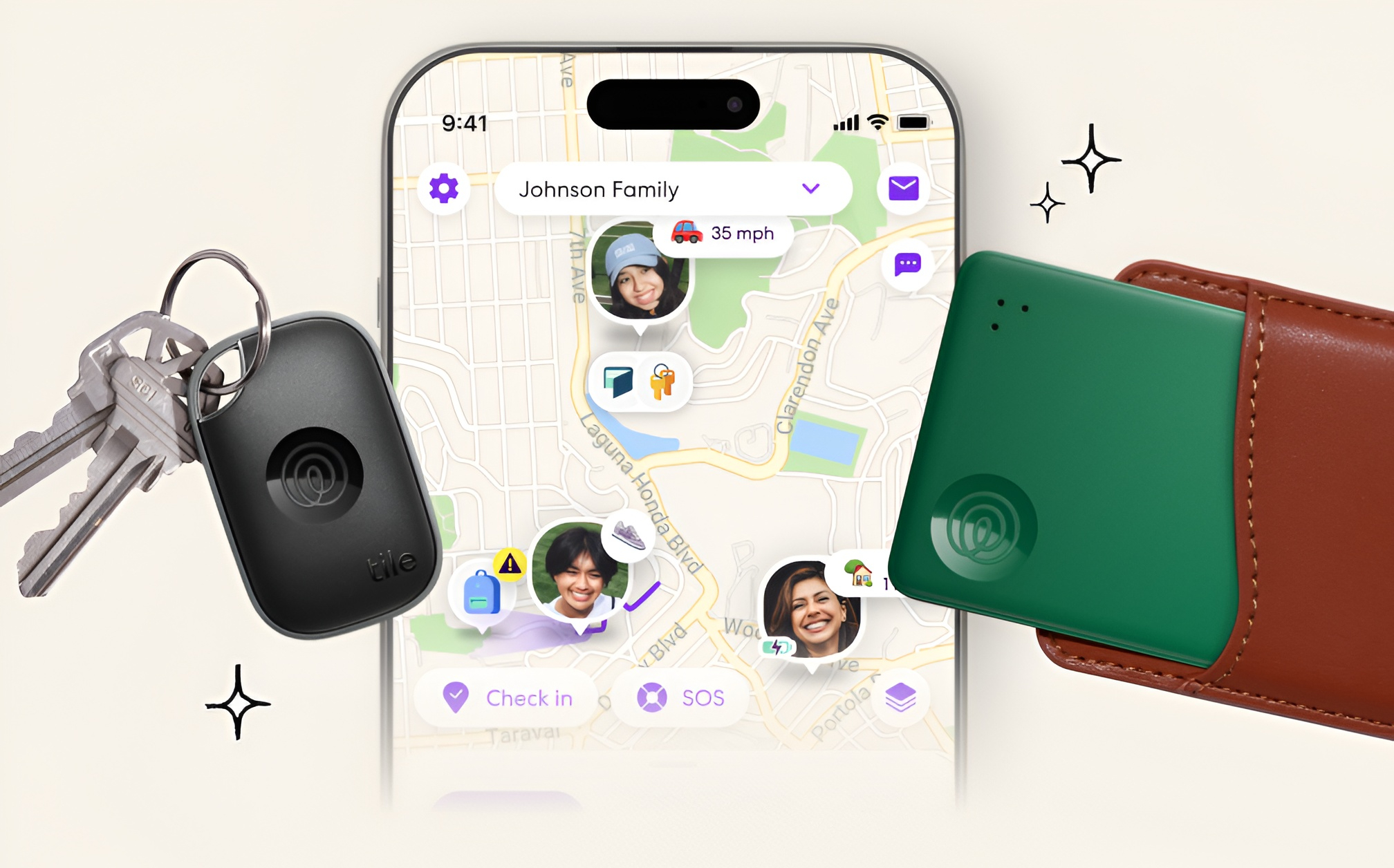
Your spam folder might be costing you your right to sue. The Ninth Circuit Court of Appeals ruled this March that simply using the Tile tracking app after receiving a terms-of-service email constitutes “unambiguous assent” to binding arbitration. The decision stems from a class-action lawsuit against Tile, Life360, and Amazon, where plaintiffs Jane Doe and Melissa Broad discovered their continued app usage after an October 2023 email notification legally bound them to settle disputes through private arbitration rather than court.
This isn’t some obscure legal technicality. Every time you tap “OK” or keep using an app after those dreaded update notifications, you’re potentially waiving fundamental legal rights. The court found that downloading or continuing to use the Tile app after the email notice went into effect constituted binding consent. This happened even when users never opened the email or understood the implications.
When Tracking Tech Enables Stalkers
Lawsuit reveals how Bluetooth trackers became tools for harassment despite delayed safety features.
The underlying lawsuit exposes a darker reality about our beloved gadget ecosystem. Plaintiffs Shannon and Stephanie Ireland-Gordy alleged that stalkers hid Tile trackers in their vehicles, enabling real-time location monitoring through the company’s “crowd GPS” network. This system shares unencrypted MAC addresses and unique IDs through nearby Tile and Life360 apps. Amazon’s Sidewalk integration exponentially expanded the surveillance reach through Echo devices and Ring doorbells.
Tile took nine years to introduce its “Scan and Secure” anti-stalking feature. Even then, tracker owners can disable victim alerts. The company’s own internal communications reportedly showed awareness of stalker discussions on adult websites where Tile products were marketed. Yet these concerns were largely ignored. While CEO Chris Hulls has emphasized theft prevention over stalking protection, the court distinguished that third-party misuse claims can still proceed in court. User-account disputes remain bound to arbitration.
The New Reality of Digital Consent
Precedent reshapes how app users navigate privacy rights in the IoT age.
This ruling essentially codifies “clickwrap-lite” consent across the app ecosystem. Your continued use of any app with tracking capabilities can now legally bind you to whatever terms companies decide to implement. The precedent extends far beyond Tile, potentially affecting every IoT device manufacturer that pushes software updates with revised terms.
The decision arrives as Apple’s AirTags face similar scrutiny. This highlights how consumer tracking technology consistently outpaces safety considerations. Your digital rights now depend more on reading every corporate email than on meaningful regulatory protection. This reality transforms your smartphone into a contract-signing machine with every app update.