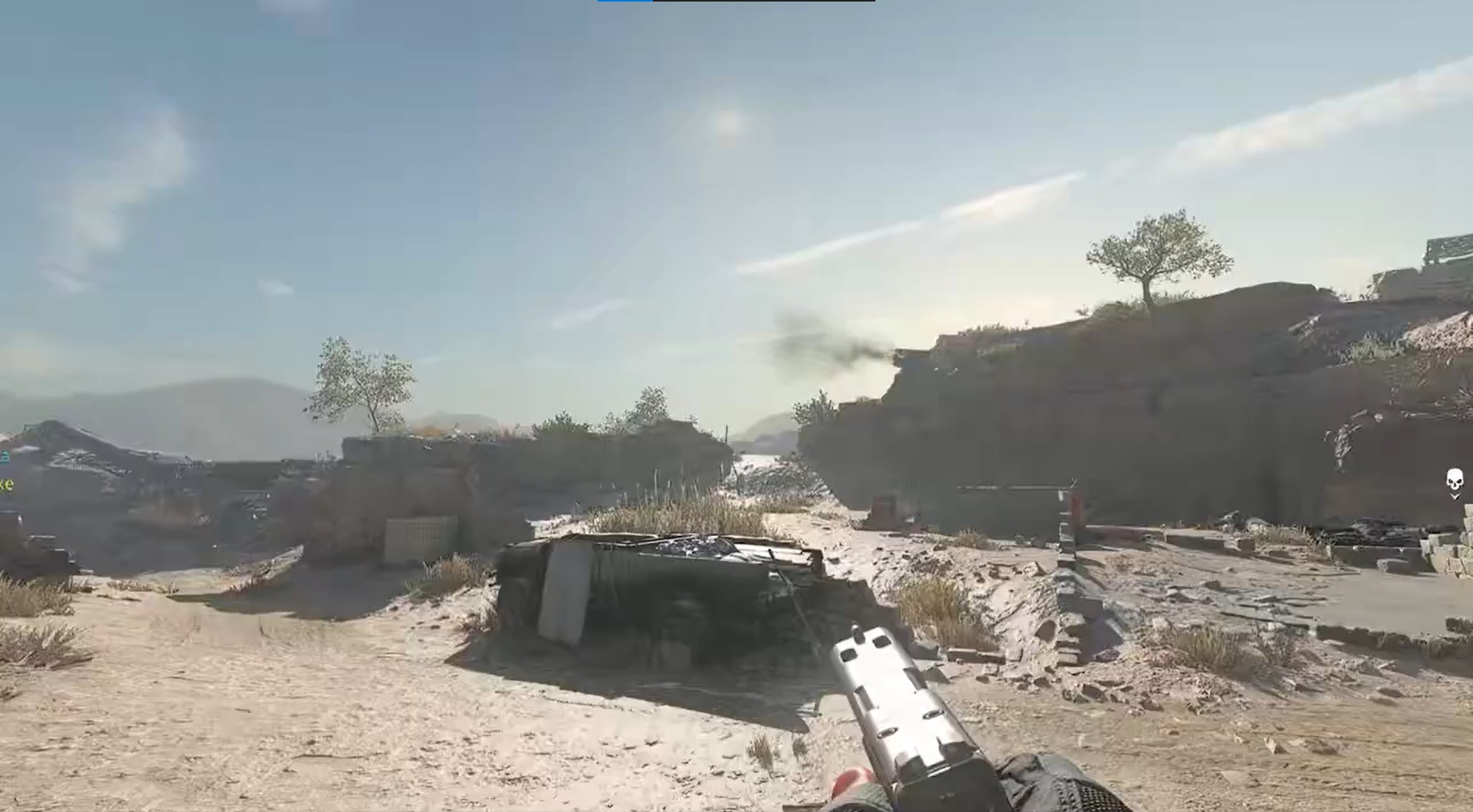
The White House official X account dropped something dystopian this week: a video opening with Call of Duty: Modern Warfare III’s MGB killstreak animation before cutting to actual US military strikes on Iranian targets. Your childhood gaming memories just got weaponized for geopolitical theater, complete with a “Courtesy of the Red, White & Blue” caption that sounds like a Toby Keith fever dream.
Gaming Industry Gets Drafted Without Permission
No confirmation exists that Activision or Microsoft approved their blockbuster shooter being repurposed as war propaganda.
The MGB killstreak requires surviving 30 eliminations without dying, triggering a match-ending explosion sequence that MW3 players know intimately. Seeing that familiar animation transition into real warfare footage—overlaid with CoD-style kill scores and radar elements—crosses lines that gaming companies never agreed to. When government accounts start treating your intellectual property like public domain propaganda tools, the industry’s relationship with military themes gets uncomfortably blurry.
This Administration’s Gaming Problem
The Trump team has repeatedly mixed gaming references with official policy.
This isn’t isolated weirdness. YouTuber Drift0r captured the broader discomfort perfectly: “It’s extremely grim… treated as a joke, as a meme, as a piece of propaganda… I really truly genuinely hate this.” Meanwhile, the global pattern of mistaking game footage for reality continues:
- Russian TV is using Arma 3 for Syria coverage
- Politicians fooled by GTA V clips
- CNN illustrates hacking with Fallout 4 screenshots
Gaming Culture’s Uncomfortable Crossroads
When your favorite shooter becomes a recruitment poster, the entertainment industry’s military connections demand serious examination.
Gaming’s mainstream success created this vulnerability. Your hobby’s realistic graphics and military aesthetics make perfect propaganda material, whether you consented or not. The normalization of mixing digital warfare with real combat footage signals something darker: entertainment becoming indistinguishable from statecraft. Publishers might need stronger IP protection, but the bigger question remains whether gaming culture wants any association with actual warfare—even when the alternative is watching government accounts raid your content library without permission.