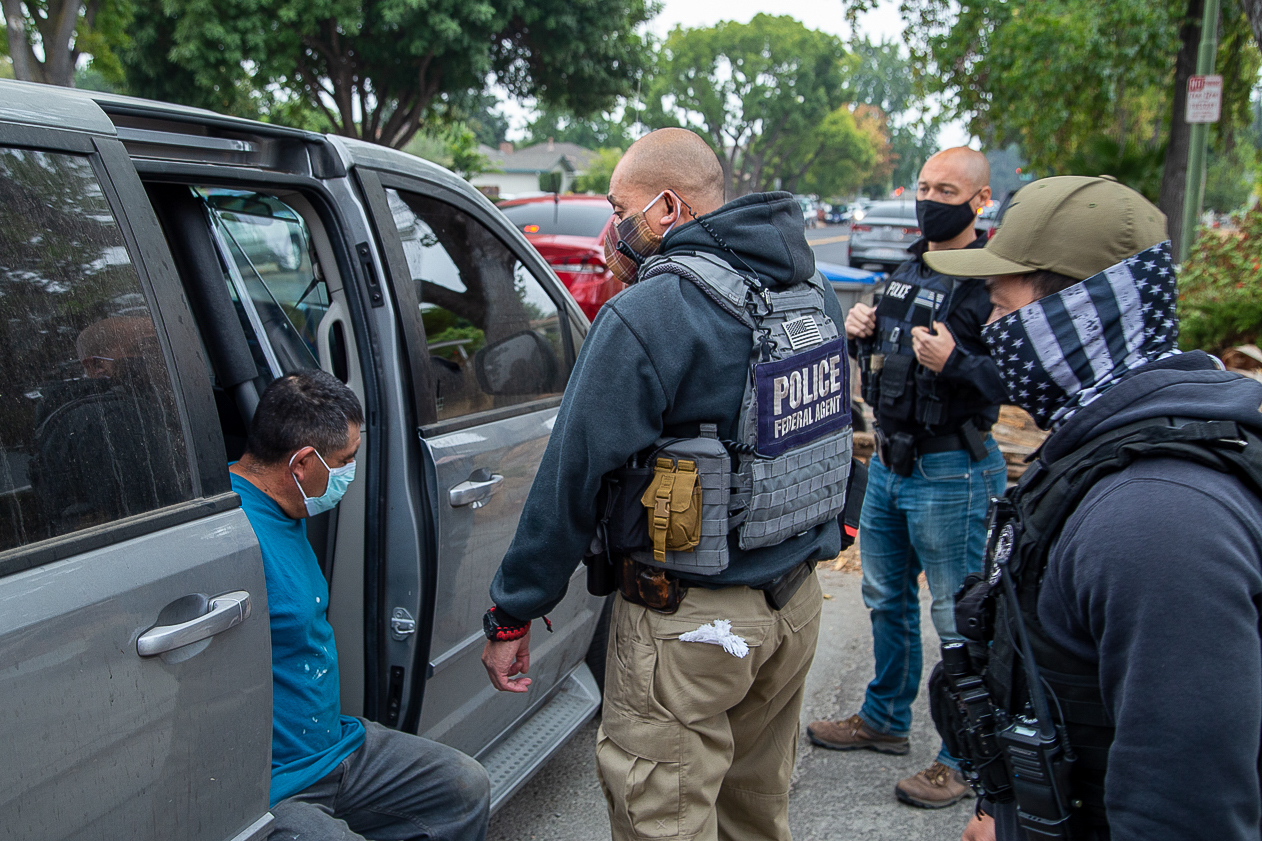
Posted anonymously about ICE activities? Your identity might already be in a DHS file. The Department of Homeland Security has issued hundreds of administrative subpoenas to Google, Meta, Reddit, and Discord in recent months, demanding names, email addresses, and phone numbers behind anonymous accounts that criticize Immigration and Customs Enforcement or report agent locations. Unlike warrants, these requests bypass judges entirely—DHS issues them directly, turning your digital anonymity into a government data request.
No Judge, No Problem—How Administrative Subpoenas Work
Administrative subpoenas sound bureaucratic and boring, but they’re surveillance tools with training wheels removed. Previously reserved for serious crimes like child trafficking, DHS now deploys them aggressively for “officer safety” and investigating anything that might impede ICE operations. Your sarcastic tweet about immigration enforcement? Potentially subpoena-worthy. That Facebook post sharing ICE checkpoint locations? Definitely on their radar. The process is simple: DHS writes the request, sends it to tech companies, and waits for your data.
Silicon Valley’s Mixed Response to Government Pressure
Tech companies are handling these requests like teenagers asked to clean their rooms—some comply immediately, others drag their feet and hope parents forget. Google states it reviews demands and pushes back on “overbroad” ones, while Meta notified administrators of “Montco Community Watch”—a Pennsylvania Facebook page posting bilingual ICE alerts—giving them 10-14 days to challenge in court. Reddit and Discord’s responses remain murky. The inconsistency means your anonymous account’s safety depends entirely on which platforms’ lawyers feel like fighting that day.
Legal Challenges Force DHS Retreats
ACLU attorney Steve Loney described the subpoena surge as “a whole other level of frequency and lack of accountability,” but legal pressure works. When the ACLU intervened in the Montco Community Watch case, arguing the posts were protected speech, DHS withdrew the subpoena entirely. Similar challenges in California targeting ICE tracking accounts also succeeded. The pattern suggests DHS prefers easy targets over courtroom battles, banking on most anonymous users lacking resources to fight back legally.
Your Digital Anonymity Just Got Shakier
Your privacy settings won’t save you from administrative subpoenas—they’re designed to keep randos from finding your real name, not to stop federal agencies with legal paperwork. The EFF has urged tech companies to require court orders before complying, but voluntary resistance varies wildly across platforms. As the Trump administration pushes broader immigration enforcement, anonymous criticism of government agencies becomes increasingly risky. The message is clear: your digital pseudonym offers less protection than a paper mask at a masquerade ball.