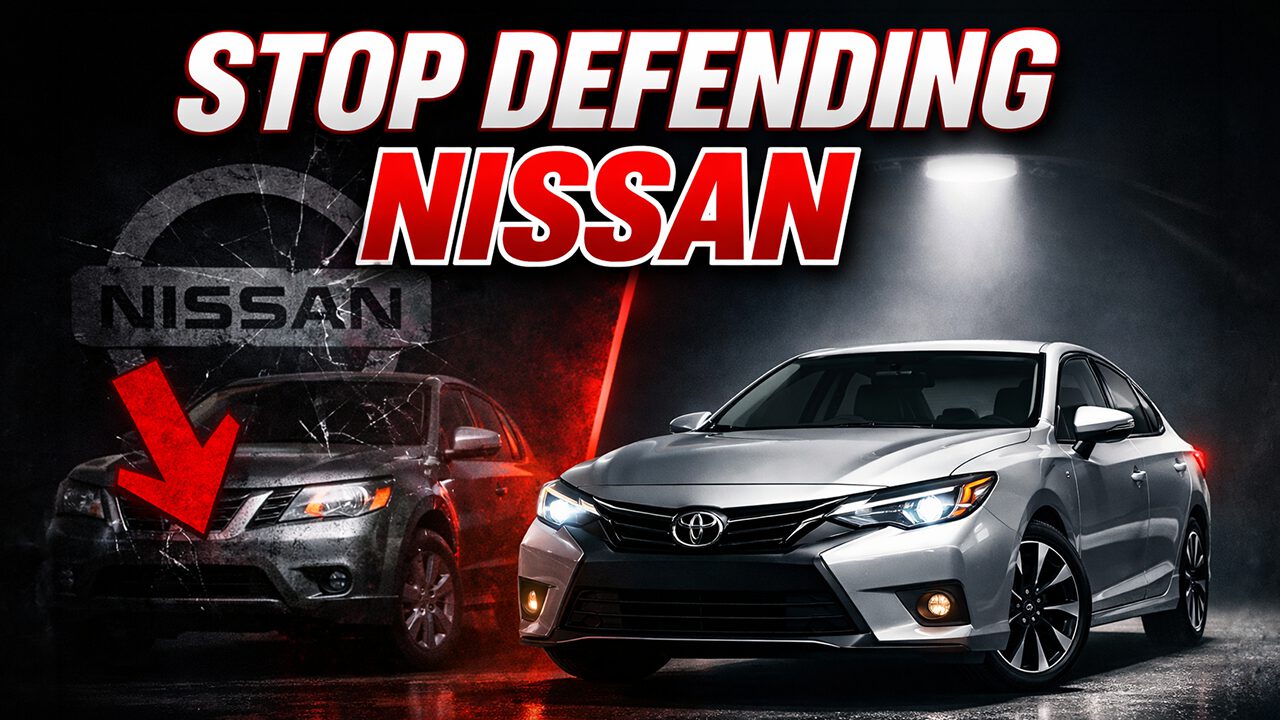
Japanese cars have quietly conquered global markets through decades of bulletproof engineering and relentless innovation. These brands aren’t just about reliable A-to-B rides; they’re a masterclass in blending tech, efficiency, and that certain je ne sais quoi that keeps gearheads drooling. This ranking draws from extensive industry data, expert analysis, and enough automotive opinions to fuel a Reddit war. What sets these automakers apart? Think engineering precision that would make a Swiss watchmaker jealous, design philosophy rooted in continuous improvement, and innovation that consistently pushes boundaries. Ready to see which brands earn bragging rights?
5. Toyota: Ol’ Reliable
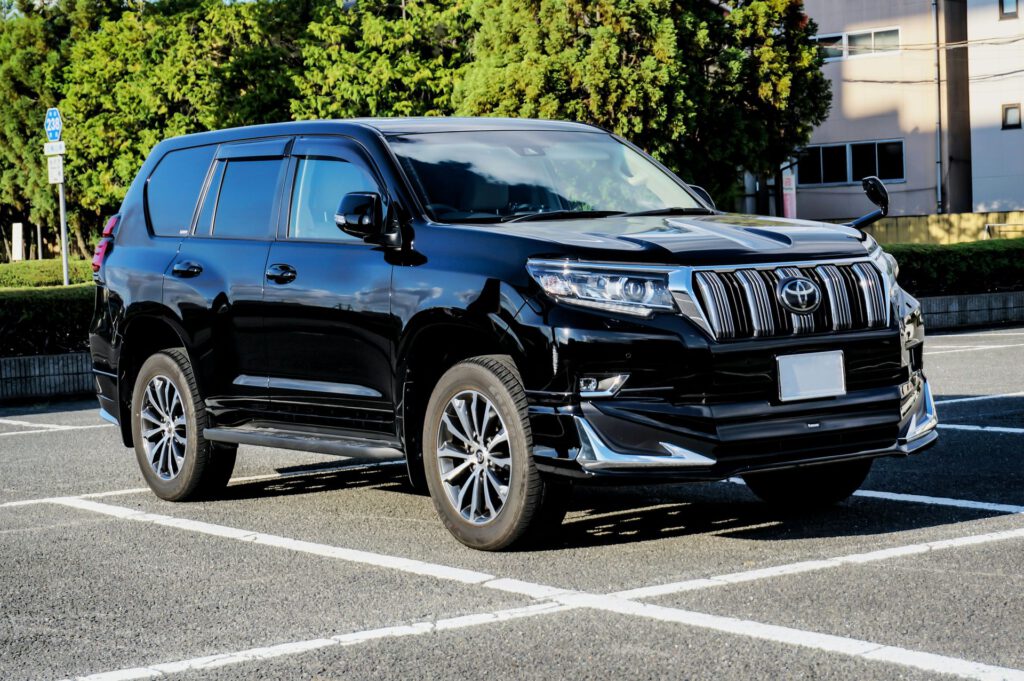
The undisputed champion of “it just works” philosophy.
Toyota sits atop this list like that friend who shows up everywhere on time with perfectly organized notes. Their Kaizen manufacturing philosophy—continuous improvement—isn’t just corporate speak; it’s baked into every Camry, Prius, and Land Cruiser rolling off production lines. Engineers praise Toyota’s legendary reliability statistics: models routinely hitting 200,000+ miles without major issues. The Prius revolutionized hybrid technology while the RAV4 practically invented the compact SUV category. Sure, some models prioritize function over flash, but when your biggest complaint is “boring but bulletproof,” you’re doing something monumentally right.
4. Honda: The People’s Champion
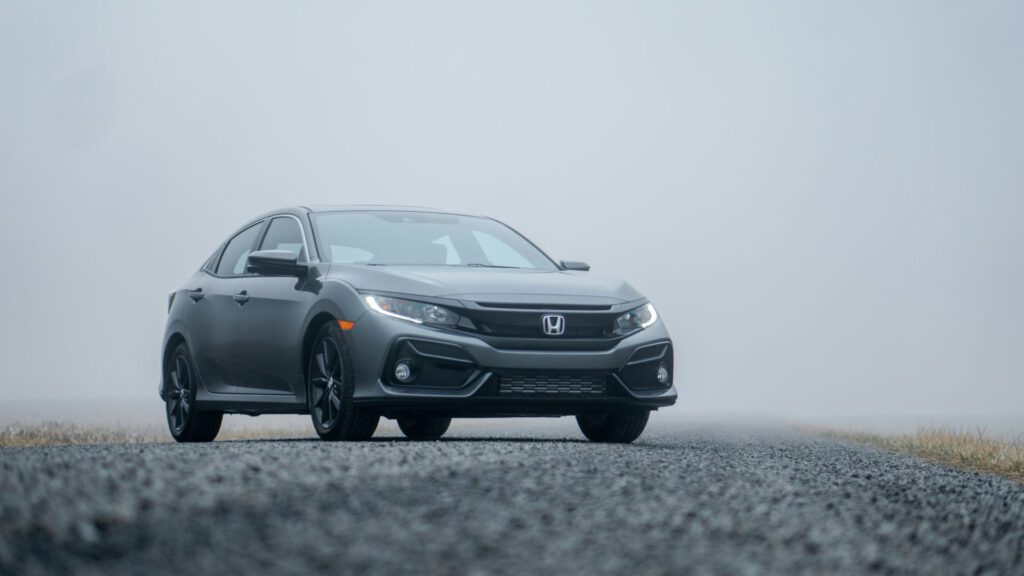
Engineering excellence meets everyday practicality in perfect harmony.
Honda earned its reputation by building cars that ordinary people actually want to drive and can afford to maintain. Their VTEC engine technology delivers performance when needed while sipping fuel during daily commutes—like having a sports car that moonlights as a sensible sedan. The Civic and Accord consistently dominate reliability rankings while the CR-V practically owns the compact SUV segment. Honda’s engineering philosophy focuses on human-centered design: controls fall naturally to hand, visibility remains excellent, and maintenance costs stay reasonable. Anyone who’s owned a Honda knows the drill—these cars just keep running long after other brands start requiring serious wallet therapy.
3. Mazda: The Driver’s Delight
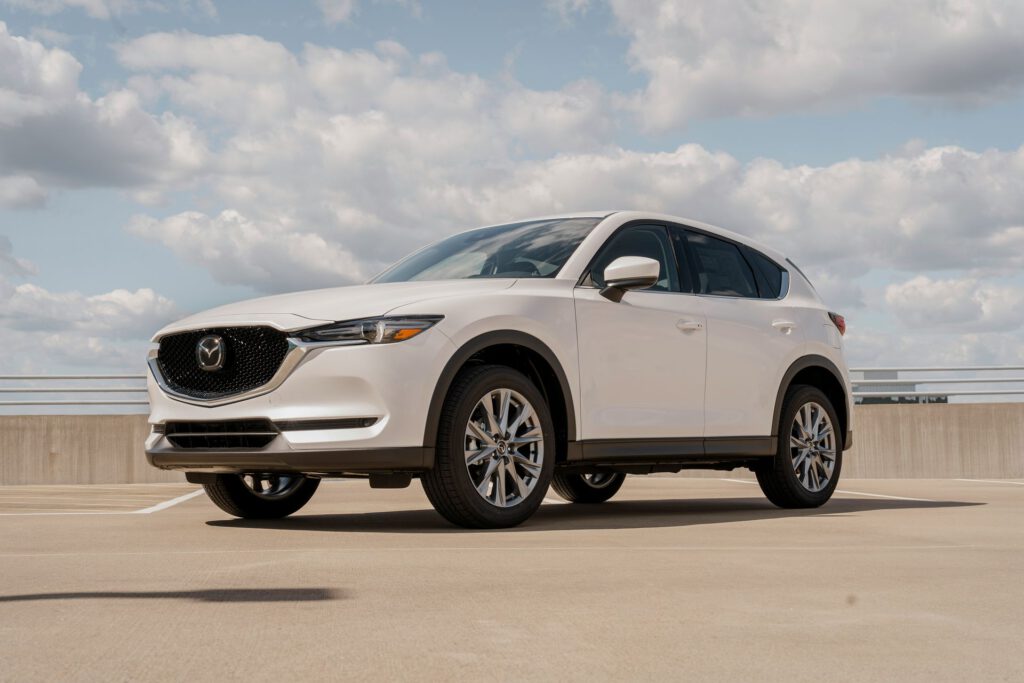
Where automotive passion meets Japanese precision and engineering artistry.
Mazda operates like that smaller restaurant that consistently outshines chain competitors through pure craftsmanship. Their Skyactiv technology squeezes impressive performance from naturally aspirated engines while maintaining excellent fuel economy. The MX-5 Miata remains the world’s best-selling roadster for good reason—it captures pure driving joy without breaking budgets or requiring exotic maintenance. Recent models showcase Kodo design language that makes even economy cars look genuinely striking. Mazda’s commitment to driving dynamics means their vehicles feel more connected and responsive than many competitors, proving that efficient doesn’t have to mean boring.
2. Subaru: The Oil-Hungry Adventure Specialist
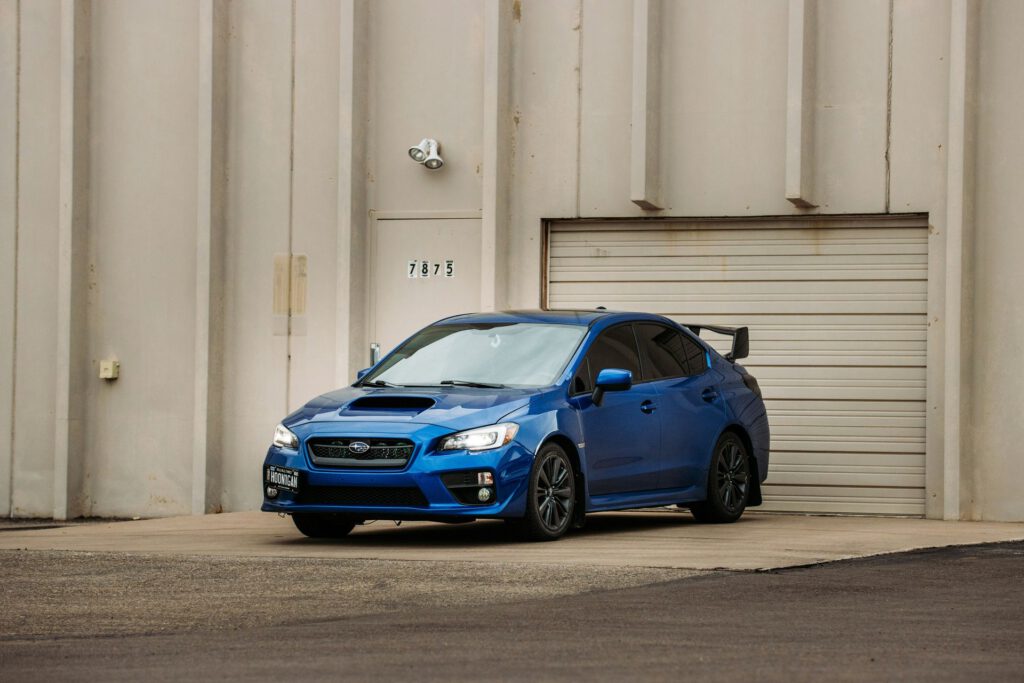
All-wheel drive pioneers with cult-like devotion and engineering integrity.
Subaru carved out their niche by making all-wheel drive standard across most models when competitors charged extra for the privilege. Their boxer engine design provides a lower center of gravity and distinctive sound that enthusiasts instantly recognize. The Outback transformed from quirky wagon into adventure-ready bestseller while the WRX maintains serious street credibility among performance enthusiasts. Safety remains paramount—Subaru vehicles consistently earn top marks from insurance institutes. Yes, some models drink oil like college students consume energy drinks, but owners forgive these quirks because these cars excel at getting you anywhere, regardless of weather conditions or terrain challenges.
1. Nissan: A Troubled Pioneer
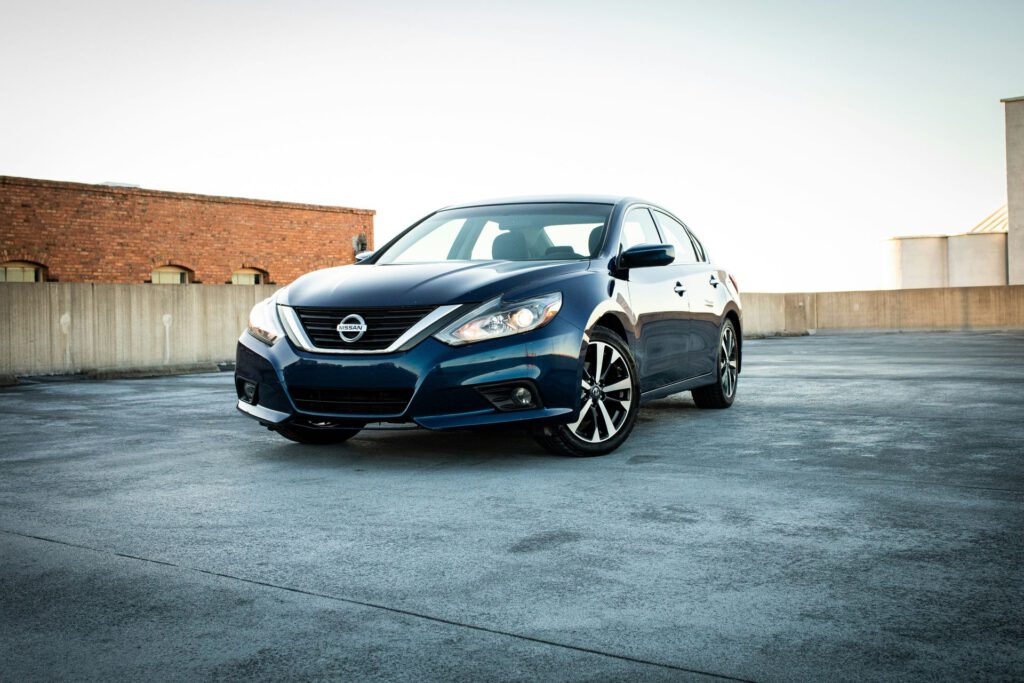
Technological trailblazers navigating modern automotive challenges with mixed results.
Nissan deserves recognition for pioneering electric vehicles with the Leaf and advancing CVT transmission technology, even if execution sometimes falls short of ambition. The GT-R remains a supercar-slaying legend while the 370Z (now 400Z) keeps sports car dreams affordable. Their Variable Compression Turbo engine represents genuine engineering innovation. However, recent reliability concerns and CVT transmission issues have tarnished their reputation among long-term owners. Nissan feels like a company caught between ambitious innovation and quality control challenges—brilliant engineering concepts sometimes undermined by execution hiccups that leave owners frustrated rather than impressed.