You’re selling your Honda Civic on Craigslist when two eager buyers arrive with cash in hand. They insist on a quick inspection and test drive, promising an easy sale. One distracts you with questions while his partner pours motor oil into your engine bay. Minutes later, smoke billows from your hood—and suddenly your $12,000 car is “worthless” at $4,000.
This isn’t amateur hour fraud. It’s a coordinated nationwide scam that law enforcement across multiple states is now treating as an epidemic.
The Oil-in-the-Engine Con Game
Fraudsters use rehearsed teamwork to fake catastrophic engine failures during vehicle inspections.
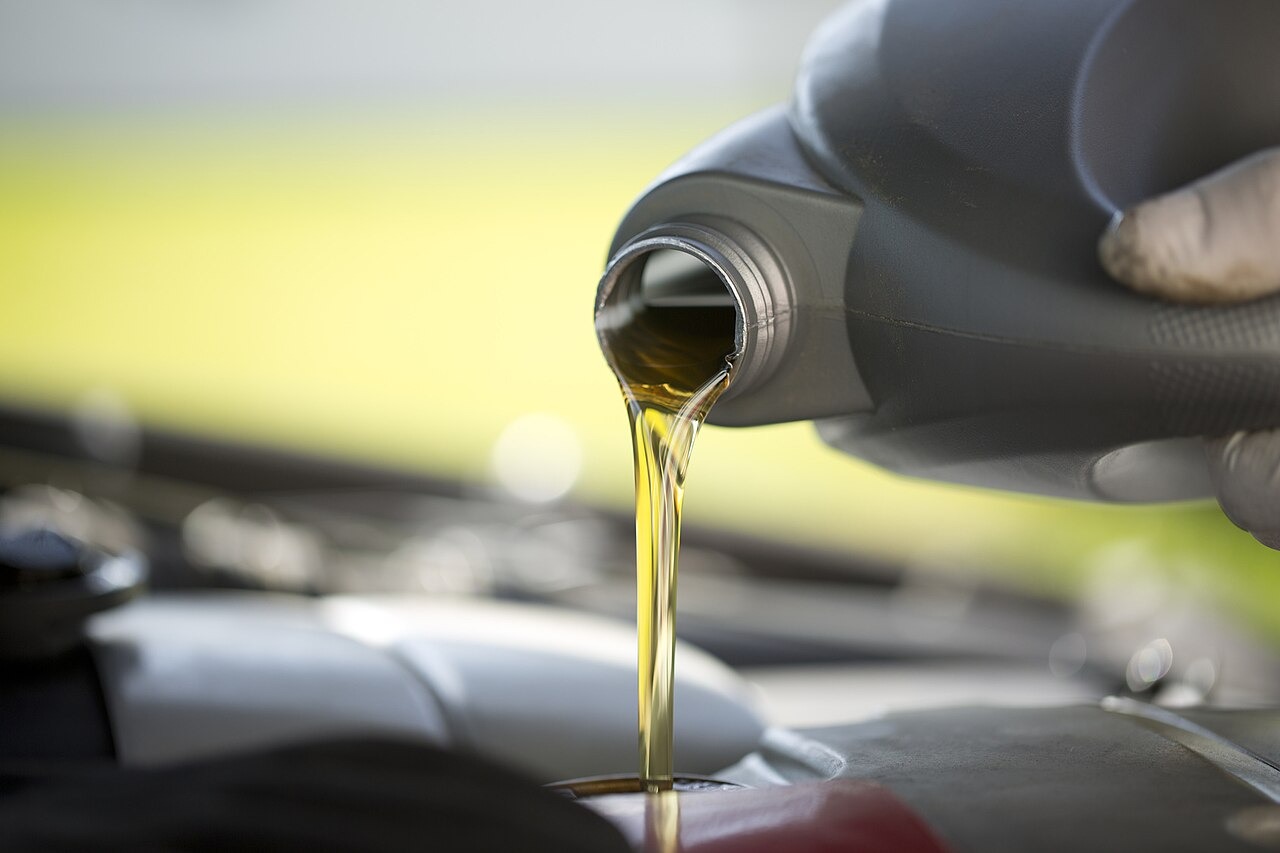
The mechanics are disturbingly simple yet effective. Scammers contact sellers through online listings, arriving as a two-person team with rehearsed roles. While one buyer engages the seller in conversation, the accomplice discretely pours oil into the radiator, exhaust manifold, or engine bay.
During the test drive, the sabotage creates visible smoke, suspicious smells, or apparent leaks that simulate catastrophic engine failure.
“If people can figure out a way to cheat other people… they’re probably going to do it,” according to Redding Police Captain Ron Icely after the department’s first reported case. The scam has already spread from California’s Sacramento area to Missouri, with Barry County Sheriff’s Office explicitly alerting residents about “Oil in the” schemes targeting vehicles of any make or price.
Real Arrests, Real Losses
Law enforcement has made arrests while victims lose thousands to fake mechanical failures.
Placer County Sheriff’s Office recently arrested a father-son duo—Julian and Decebal Mihai—on theft and conspiracy charges after they used this exact playbook to acquire an SUV at 25% of its asking price. In Palm Desert, Craigslist seller Mark Haye nearly lost his Mercedes when two men claiming to be from Bosnia attempted the same oil-in-coolant sabotage during a parking lot inspection.
The financial damage is brutal. Victims report being pressured into accepting discounts of 25-75% off their asking price, turning a $13,500 Mercedes into a $4,000 “emergency sale.”
Your Driveway Is Now a Crime Scene
Private car sales require security precautions that would have seemed paranoid just years ago.
Law enforcement recommendations read like a security briefing:
- Meet only in public spaces or police station parking lots
- Require buyer identification before any test drive
- Never leave potential buyers unattended near your engine bay
- Consider pre-sale mechanical inspections as insurance against sabotage claims
The gig economy promised easier peer-to-peer transactions, but scammers have turned private car sales into potential crime scenes. Your next Craigslist meetup might require the same caution as a drug deal—because the financial stakes are just as high.