Over 14 million seniors fall each year, causing 3 million+ emergency visits and over 38,000 deaths. Falls cause more senior injuries than car accidents and heart attacks combined, but the right health devices can turn your home into a safety net instead of a hazard zone. These aren’t your typical fitness trackers—they’re independence insurance policies that keep you connected without sacrificing dignity.
Smart Watches That Actually Watch Out for You
Modern wearables deliver medical-grade monitoring without the medical-grade complexity.
Your smartphone already knows too much about your life, so why not put that surveillance to good use? The Apple Watch Series 10 delivers ECG monitoring and fall detection that automatically contacts emergency services when you can’t. No monthly fees for the health features, though you’ll need daily charging and an iPhone to make it work.
Medical Guardian’s MGMove takes a different approach—longer battery life, simpler interface, and a caregiver app that keeps adult children informed without hovering. The device excels in tumble detection while tracking steps and calories, making it ideal for seniors who want comprehensive monitoring without smartphone complexity.
Emergency Response Without the Panic Button Stigma
Professional monitoring disguised as everyday wearable technology.
Bay Alarm Medical’s SOS Smartwatch ditches the “I’ve fallen and can’t get up” aesthetic for something you’d actually wear to the grocery store. At $34.95 monthly, it provides 24/7 monitoring with large icons designed for accessibility. The genius lies in its simplicity—no smartphone pairing, no app downloads, just press and talk to a real human who knows your medical history.
Prevention Beats Emergency Response
Smart home additions that eliminate hazards before accidents happen.
Motion-sensing pathway lights might seem basic compared to wearable tech, but they address the root problem: prevention beats emergency response. Automatic illumination in hallways and bathrooms eliminates those dangerous middle-of-the-night navigation attempts.
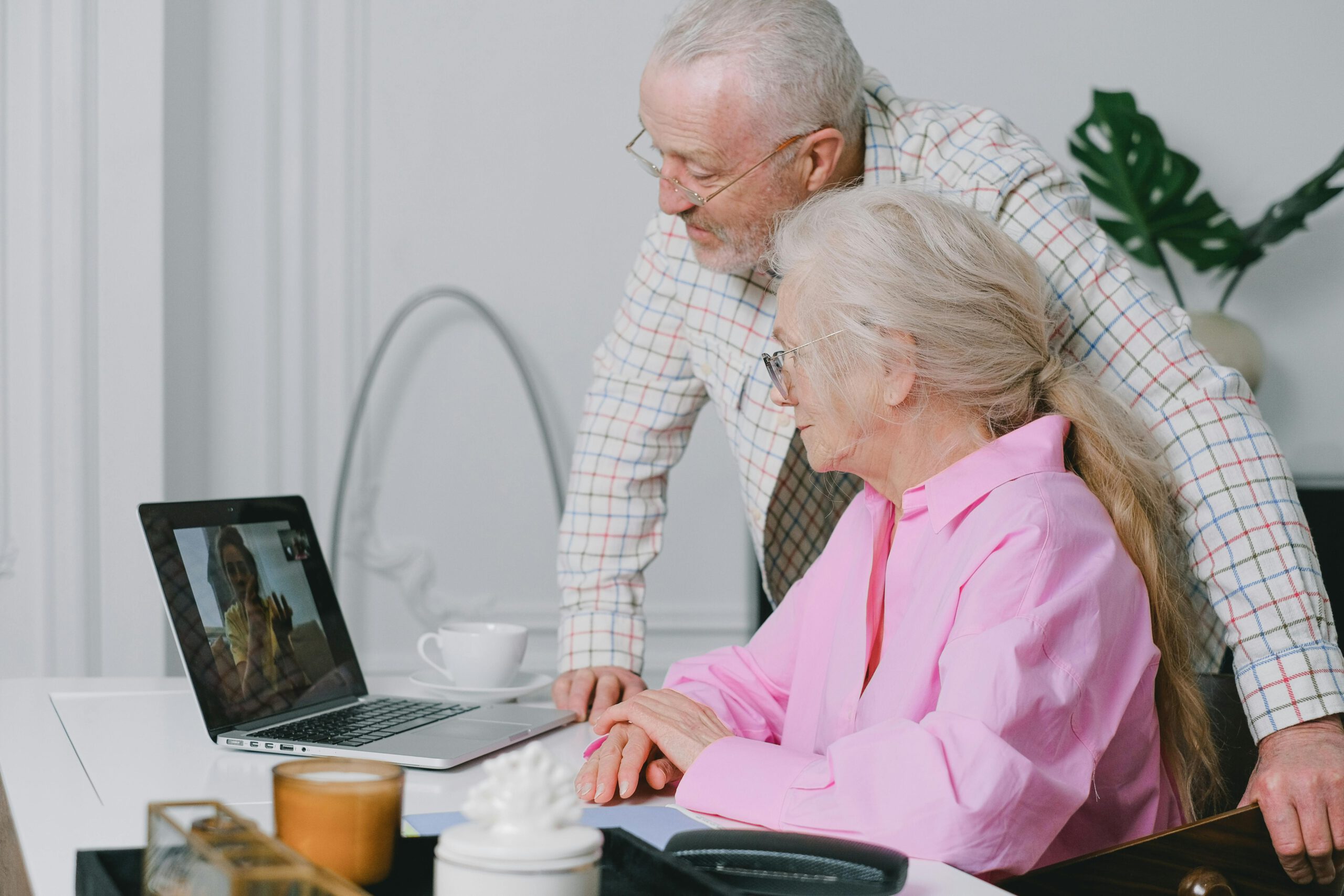
Pair these with smart home assistants like Amazon’s Echo Show for medication reminders and video calls that keep family close without constant check-ins. The hands-free operation and large screen interface make telehealth consultations accessible for seniors who struggle with traditional technology.
The Real Cost of Peace of Mind
Monthly subscriptions add up faster than streaming services—expect $25-50 for professional monitoring. But consider the alternative: emergency room visits average around $3,000, while assisted living costs approximately $4,000 monthly. These devices buy time in your own home, which remains priceless for most seniors seeking independence.
Modern health technology finally serves the people who need it most, transforming homes into connected care environments without sacrificing privacy or autonomy. Your independence doesn’t require isolation—it just needs the right backup plan.